Loading video…


 21 Concepts
 5.5K views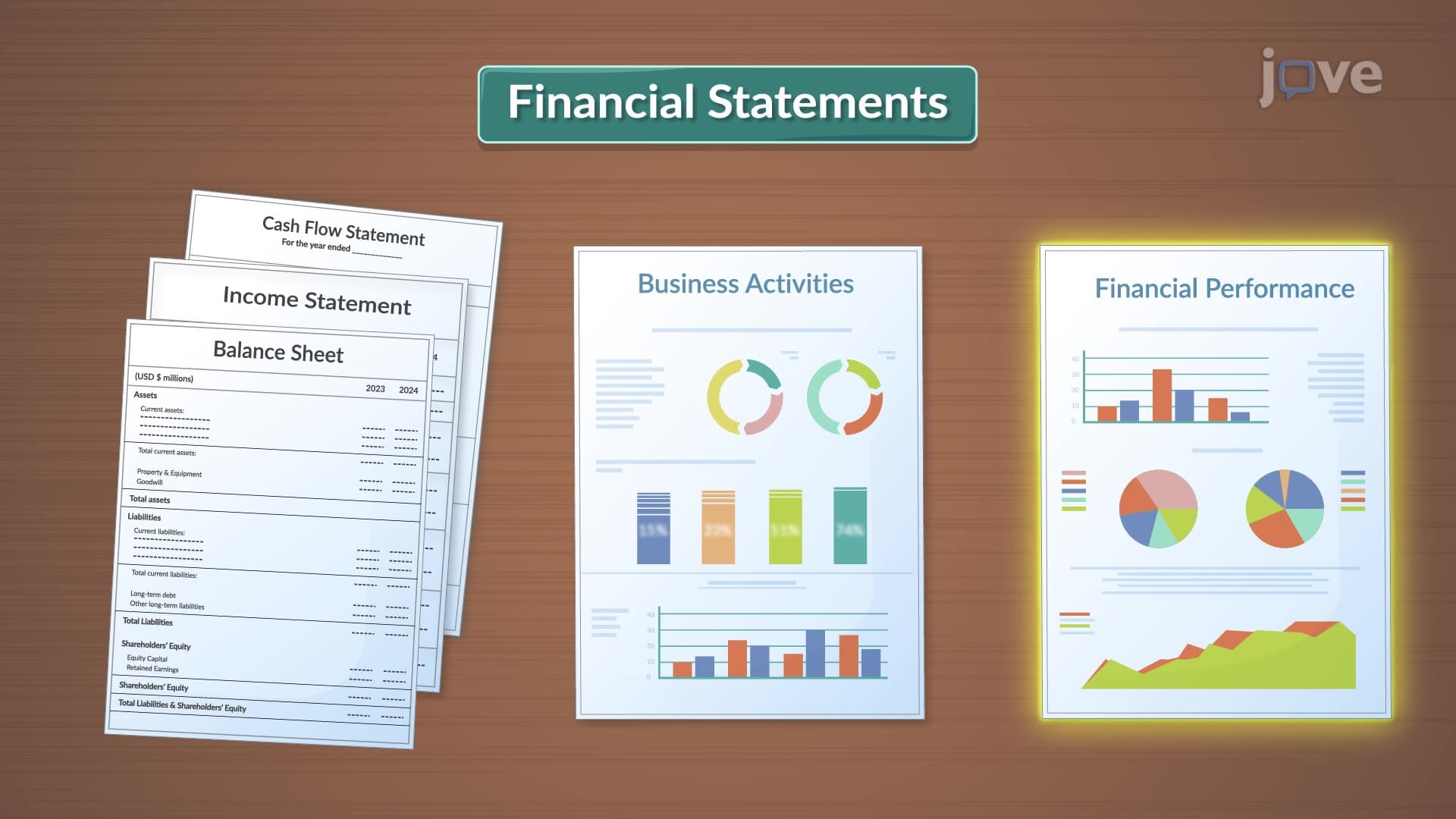

Video Summary: What Is Using Financial Statement Information
Modern CFOs face increasing pressure to make data-driven decisions in today's volatile market environment. Using financial statement information enables executives to transform raw accounting data into strategic insights that drive growth, secure funding, and optimize capital allocation. Consider how Apple's leadership leverages quarterly financial statements to guide product investment decisions and communicate value to shareholders. This systematic approach to financial analysis empowers managers to evaluate performance, assess risks, and present compelling business cases to stakeholders. Watch the full video on JoVE Coach to master this concept with expert-led visuals and step-by-step explanations.
In today's competitive business landscape, executives who master using financial statement information gain a decisive advantage in strategic decision-making. This critical skill transforms raw financial data into actionable intelligence that drives business growth, operational efficiency, and stakeholder confidence.
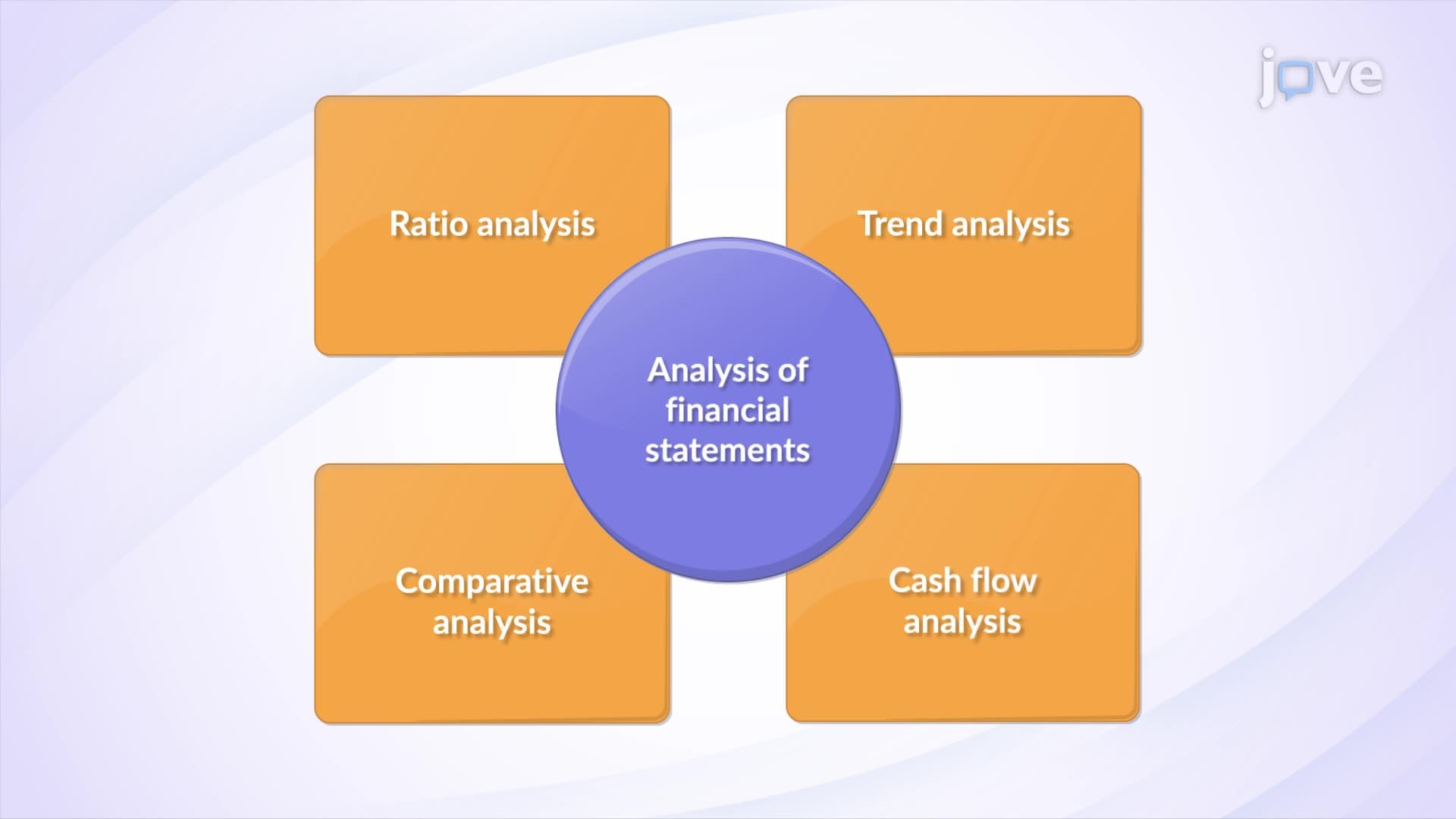
Financial statement analysis serves multiple strategic purposes beyond basic compliance reporting. Consider how Target Corporation's management team uses quarterly financial statements to evaluate store performance across different geographic markets, informing decisions about location expansion and inventory allocation. Similarly, manufacturing leaders at companies like General Electric analyze cash flow statements to optimize supply chain financing and capital expenditure timing.
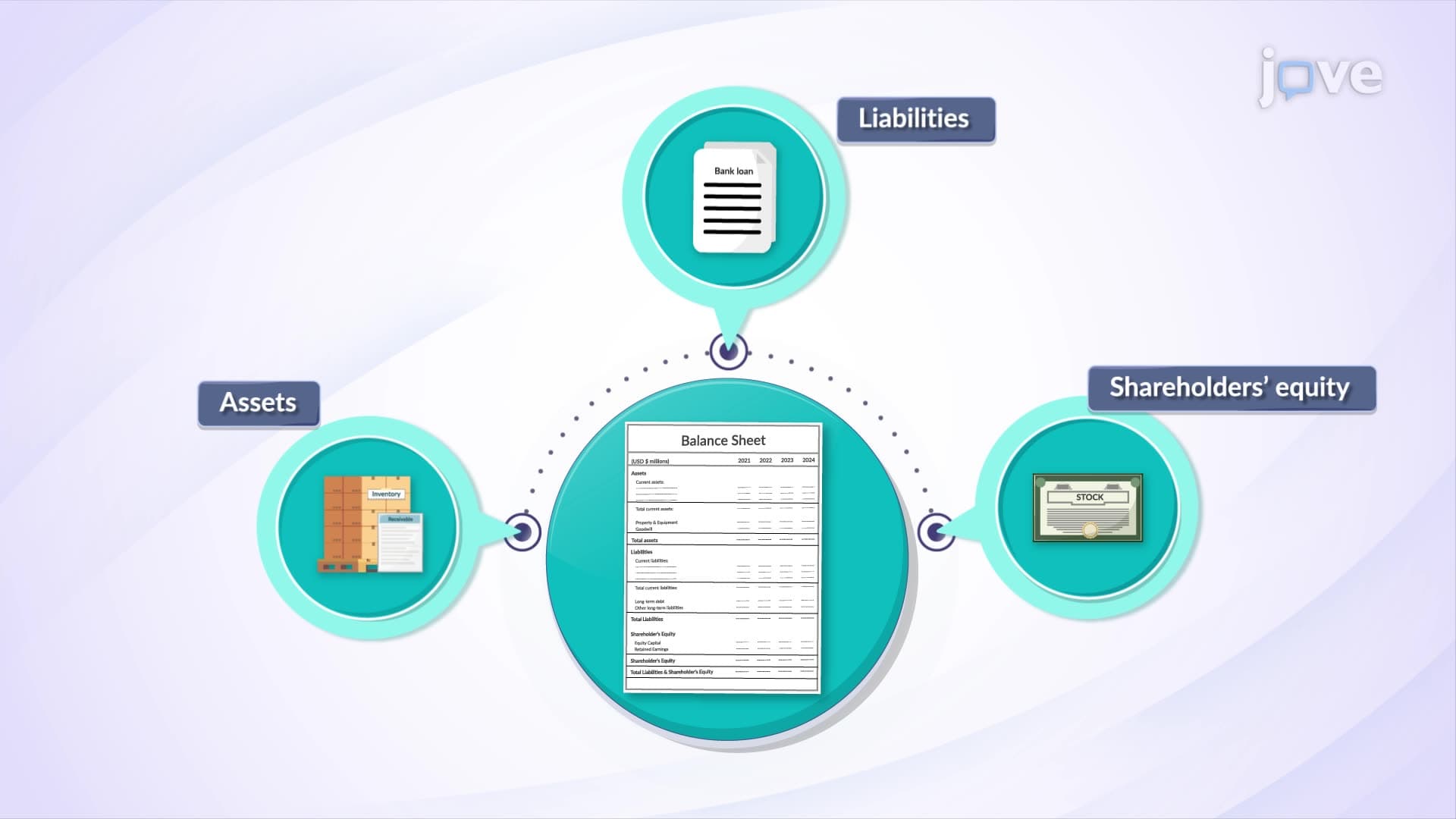
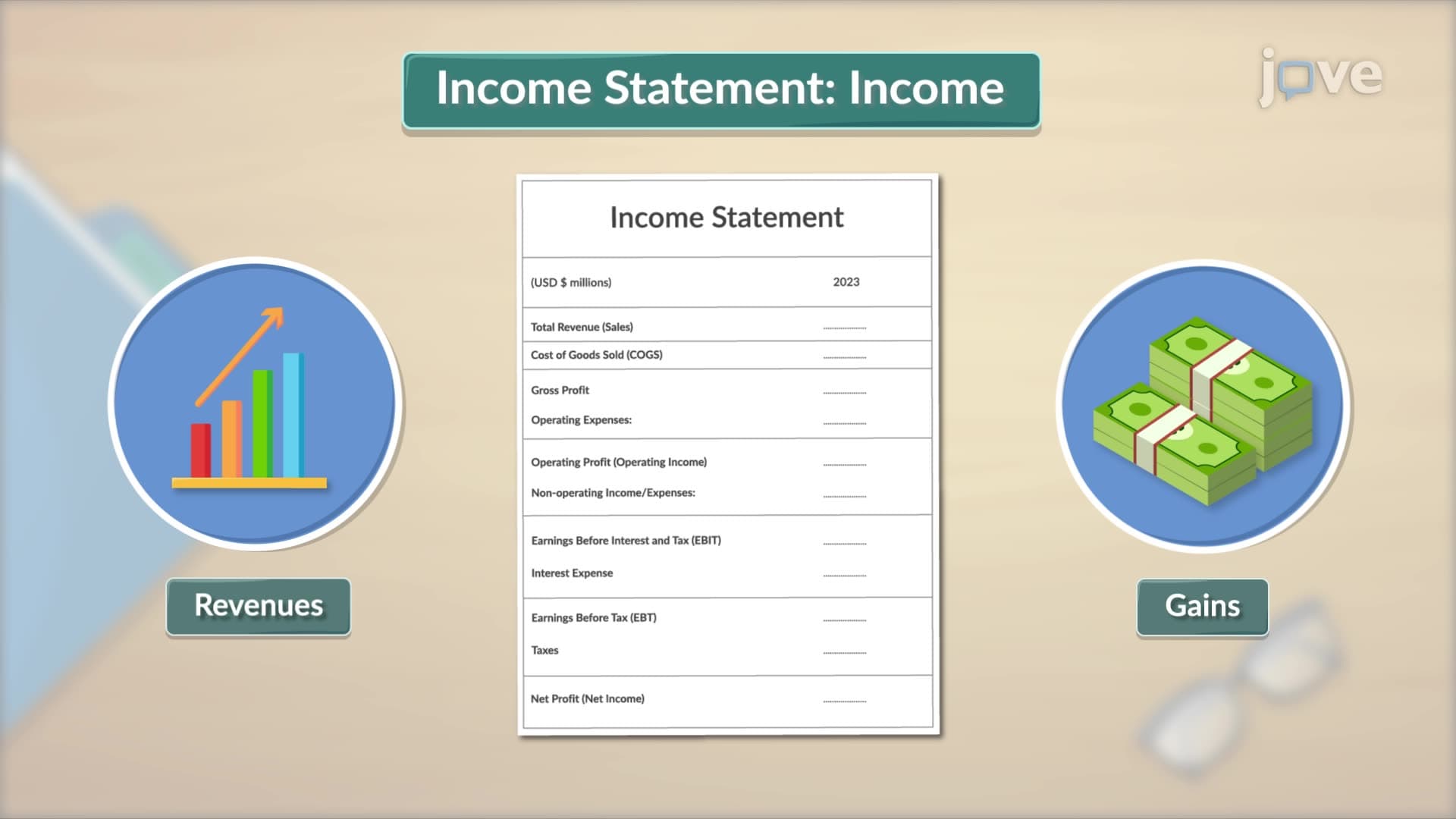
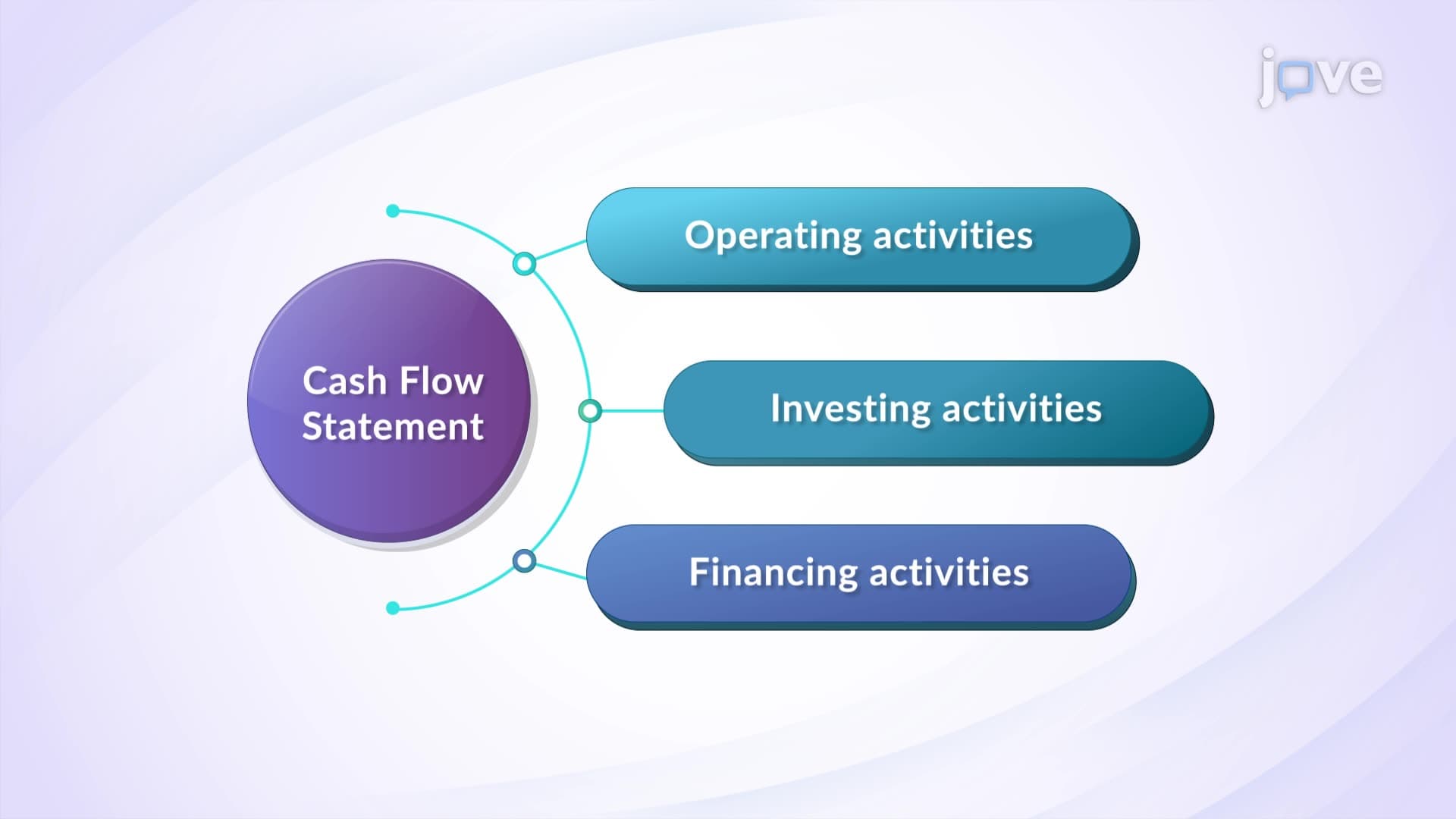
The balance sheet provides executives with a snapshot of organizational financial position, enabling assessment of debt capacity, asset utilization, and capital structure optimization. Income statements reveal profitability trends and cost structure dynamics, crucial for pricing strategies and operational improvements. Cash flow statements illuminate liquidity patterns, essential for managing working capital and planning major investments.
Effective use of financial statement information enhances stakeholder relationships across multiple constituencies. When presenting to potential lenders, executives can demonstrate creditworthiness through debt-to-equity ratios, interest coverage metrics, and cash generation capabilities. Investment presentations benefit from clear articulation of revenue growth trends, margin expansion opportunities, and return on invested capital.
Consider how companies like Microsoft communicate their financial strength to support strategic acquisitions or how regional banks present their loan portfolio performance to attract institutional investors. These presentations rely on sophisticated financial statement analysis to build credibility and secure capital.
Smart business leaders establish systematic approaches to financial statement analysis that support growth decisions. This includes developing key performance indicators that align with strategic objectives, creating benchmarking processes against industry peers, and implementing regular financial review cycles that inform tactical adjustments.
The most successful executives integrate financial statement insights with operational metrics, creating comprehensive dashboards that guide everything from product line investments to geographic expansion strategies.
Related Micro-courses