Loading concepts…


18 Concepts
14 Concepts
21 Concepts
28 Concepts
12 Concepts
17 Concepts
21 Concepts
10 Concepts
36 Concepts
16 Concepts
7 Concepts
9 Concepts
11 Concepts
11 Concepts
12 Concepts
26 Concepts
20 Concepts
 17 Concepts
 6.5K Views
 Popular topics

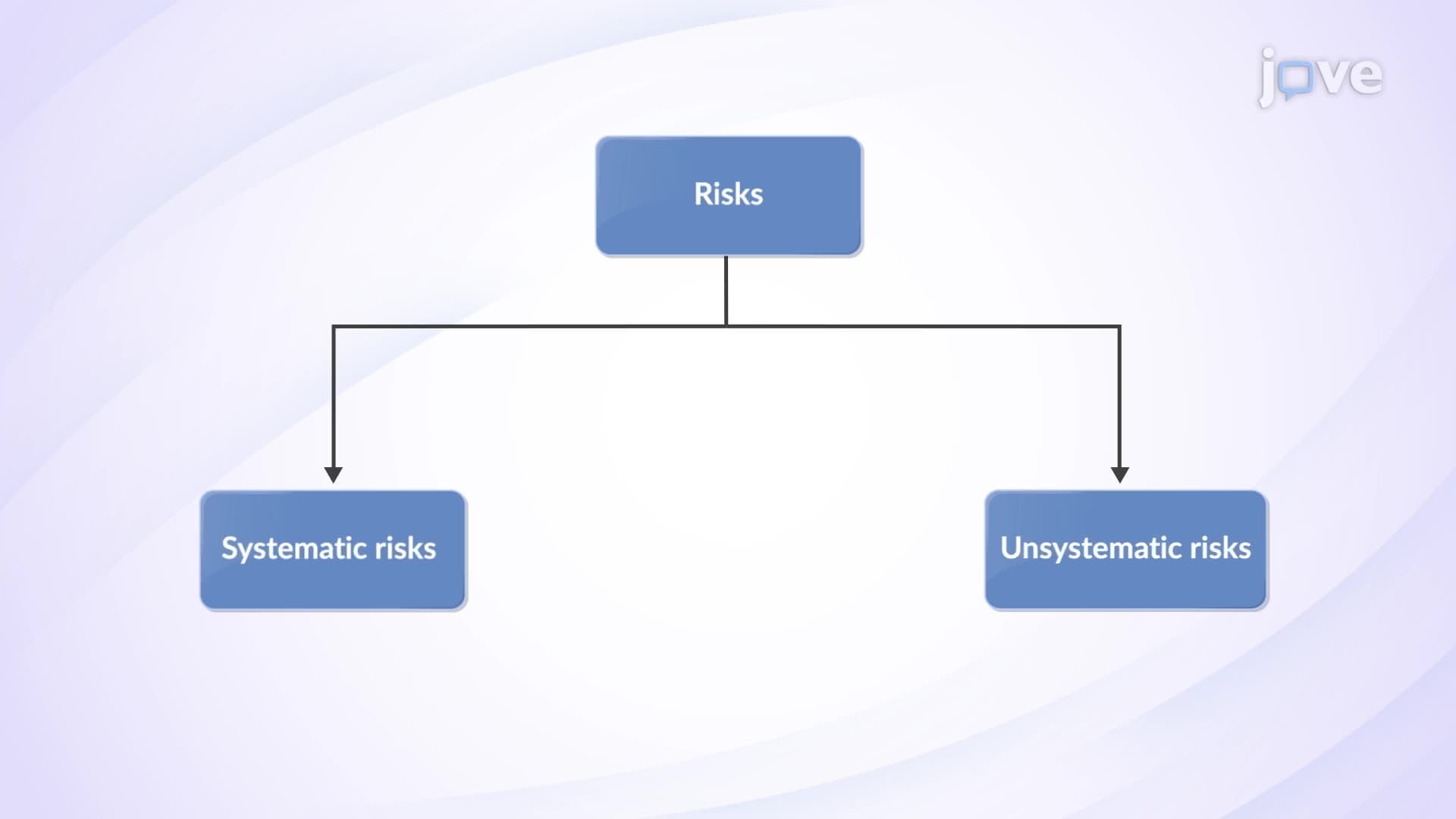

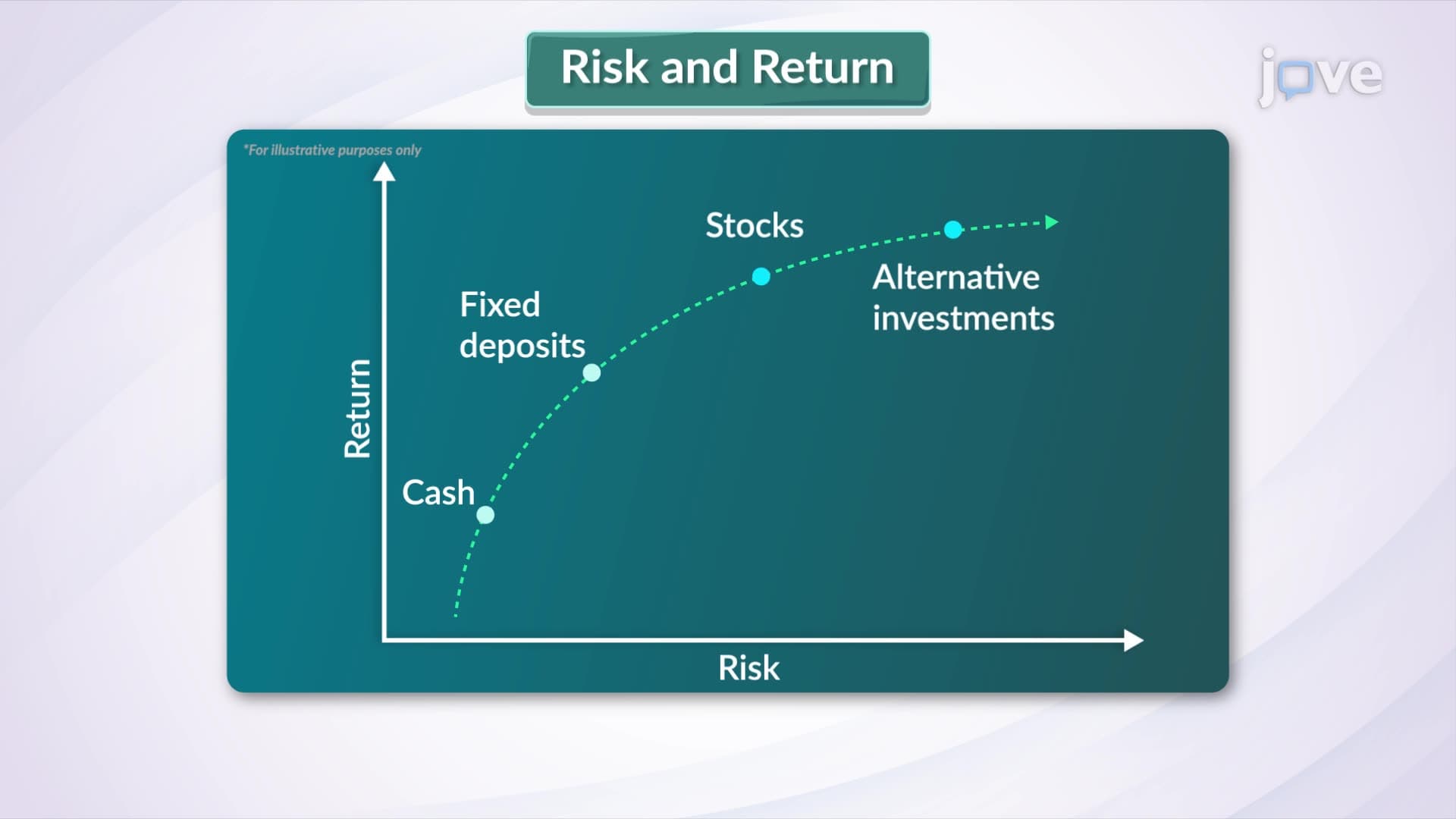

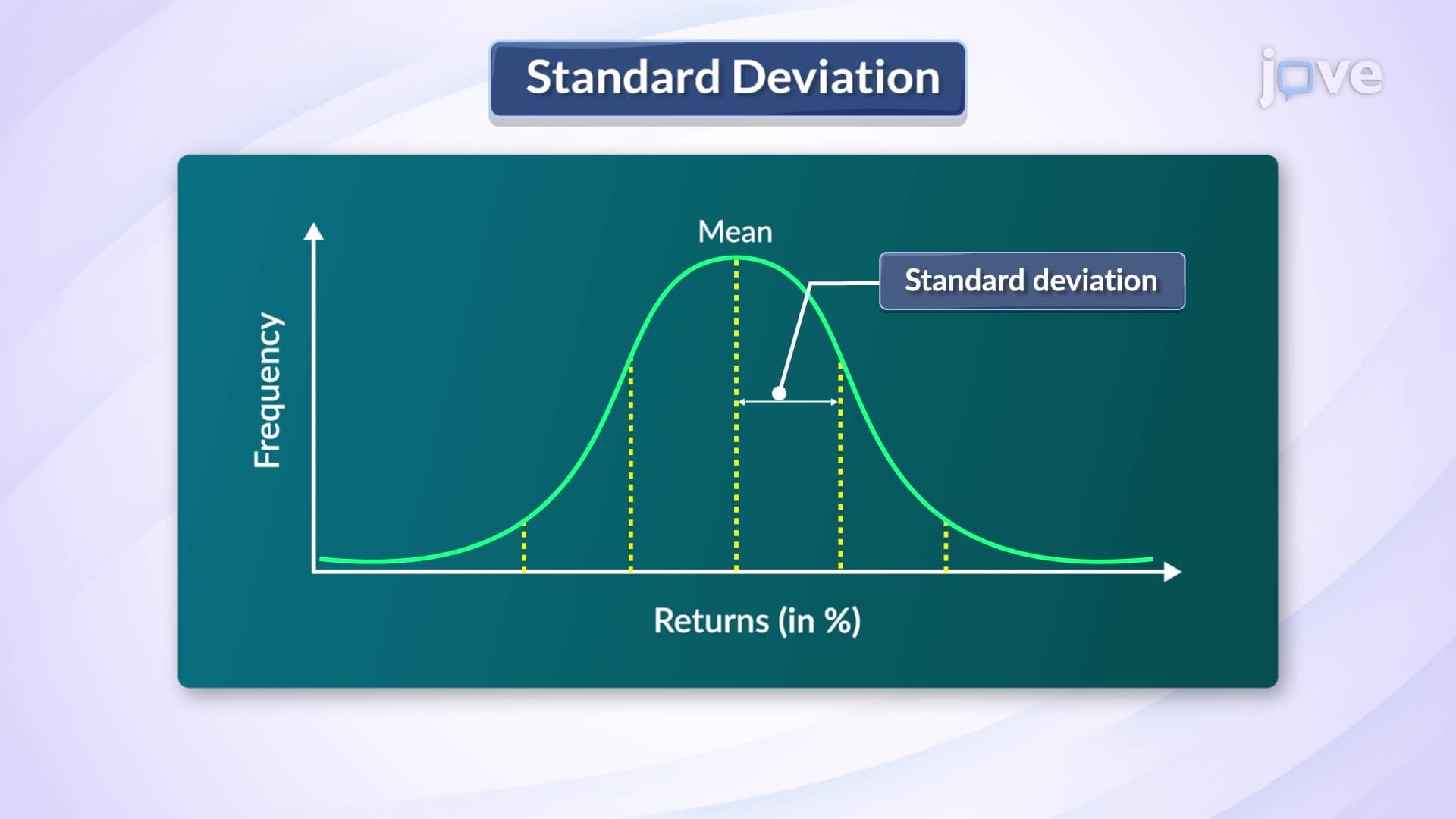
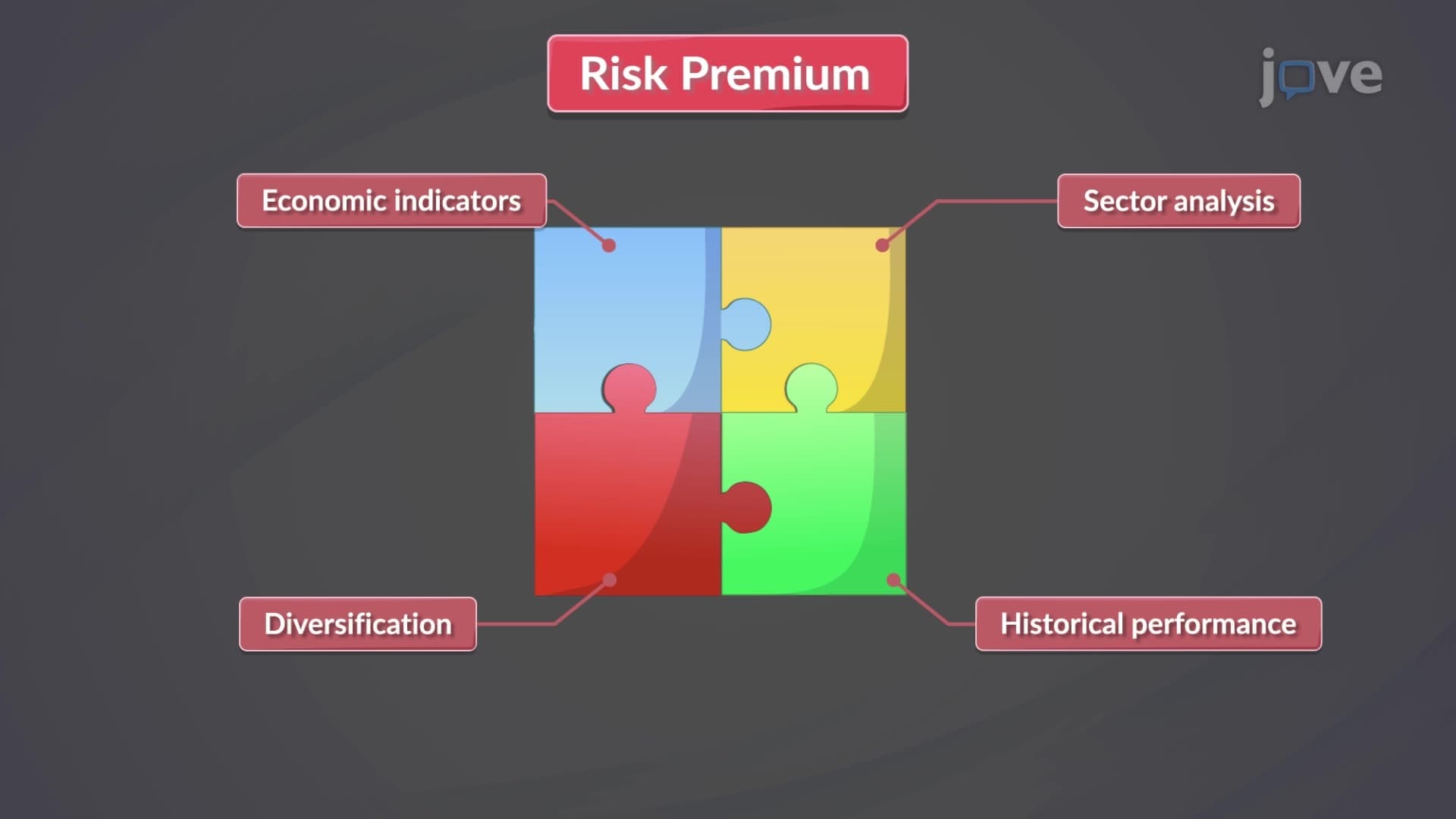
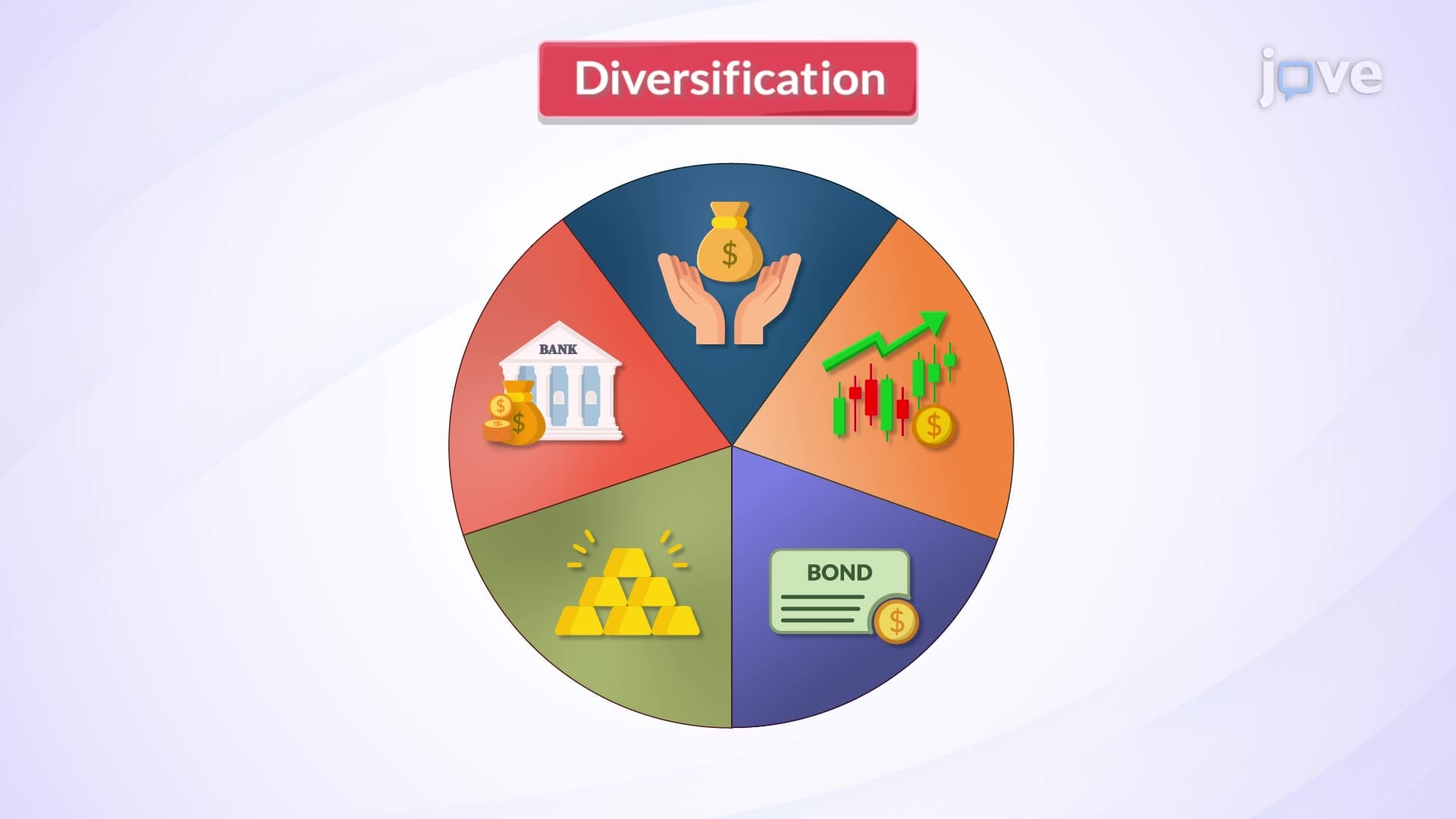

Risk and return form the cornerstone of investment decision-making for business professionals. This JoVE Coach micro-course examines the investment risk return tradeoff across systematic and unsystematic risks, portfolio diversification strategies, and quantitative models including CAPM and beta analysis. Master the relationship between risk and return in finance through real-world applications using major US corporations like Apple, Microsoft, and Tesla to optimize your organization's capital allocation decisions.
1. Systematic Risk Assessment and Market Impact Analysis Learn to identify and quantify systematic risks including market risk, interest rate risk, inflation risk, and currency risk that affect entire markets. Using examples from the 2020 pandemic's impact on the S&P 500, understand how macroeconomic factors influence portfolio performance. Master techniques for measuring correlation between individual securities and broad market indices, enabling more accurate forecasting of portfolio behavior during economic downturns or market volatility periods.
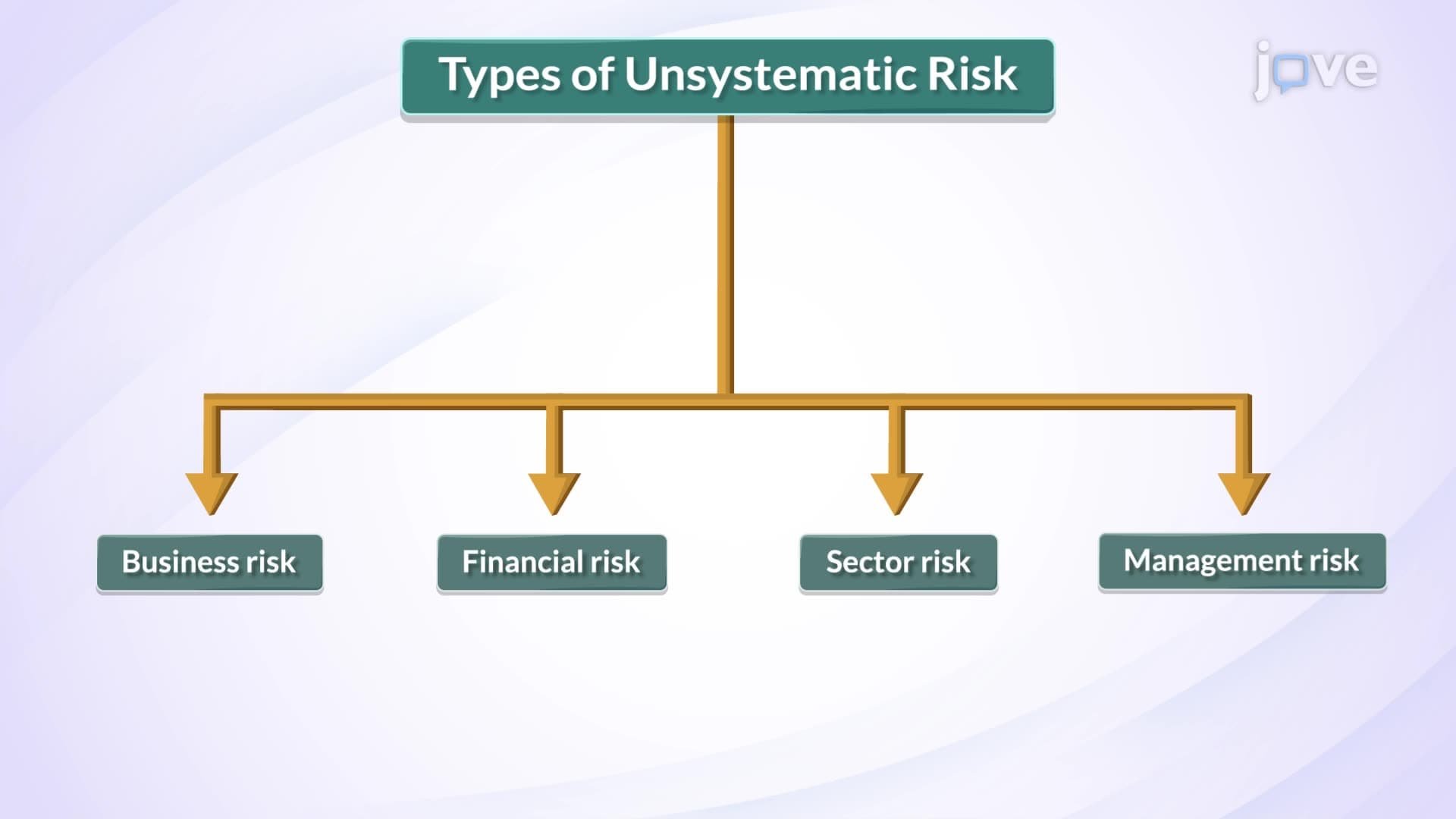
2. Unsystematic Risk Management and Company-Specific Analysis Develop expertise in evaluating business risk, financial risk, sector risk, and management risk specific to individual companies. Examine real cases such as Tesla's operational challenges or Netflix's competitive pressures to understand how company-specific factors impact stock valuations. Learn diversification strategies that effectively reduce unsystematic risk exposure while maintaining return potential across different industries and business models.
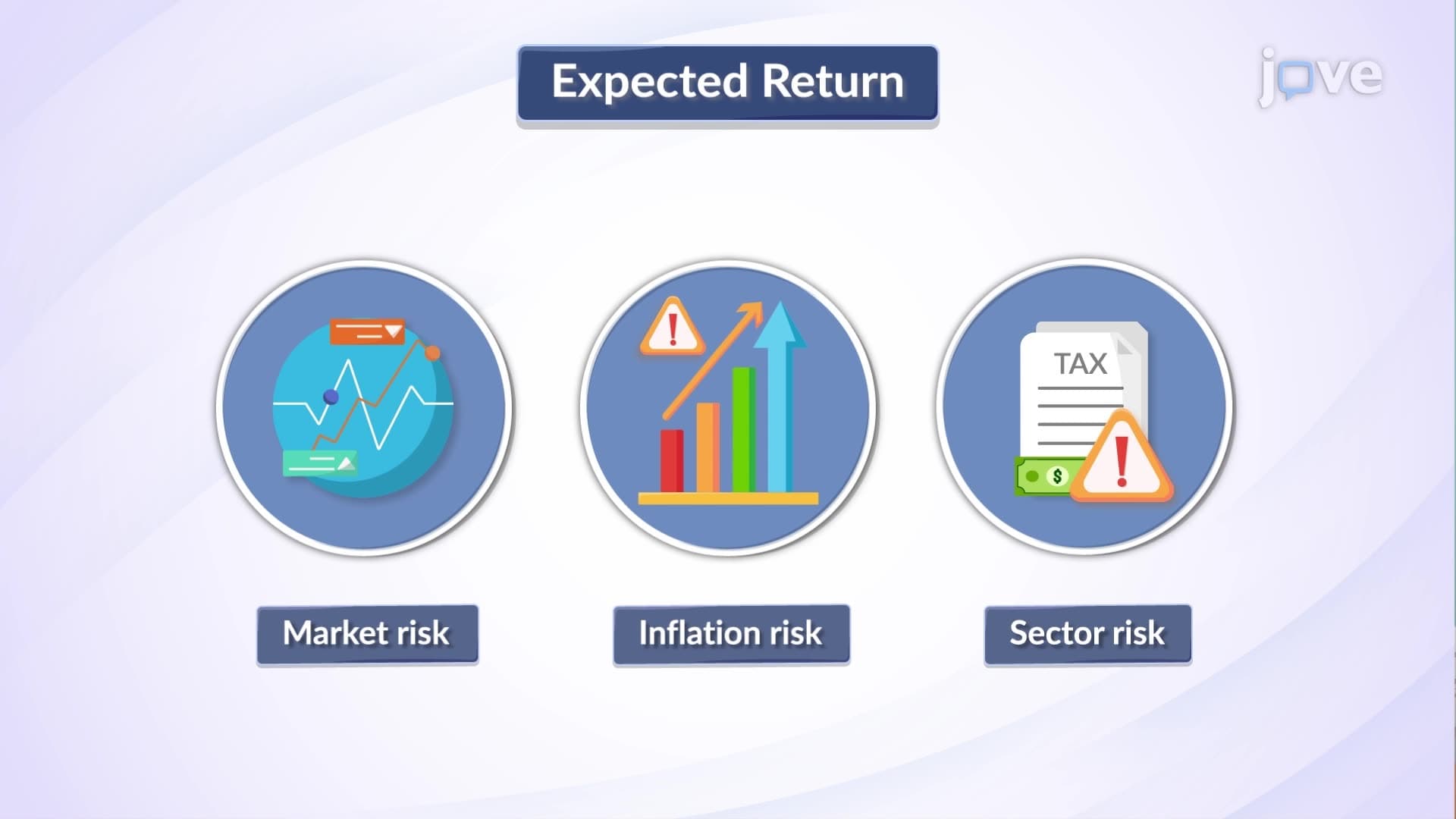
3. Expected Return Calculation and Statistical Modeling Master quantitative methods for calculating expected returns using historical performance data, market trends, and statistical models. Apply these techniques to evaluate mutual funds, individual securities, and alternative investments. Understand the distinction between nominal and real returns, incorporating factors such as taxation, inflation, and transaction costs into comprehensive return analysis for strategic investment planning and performance measurement.
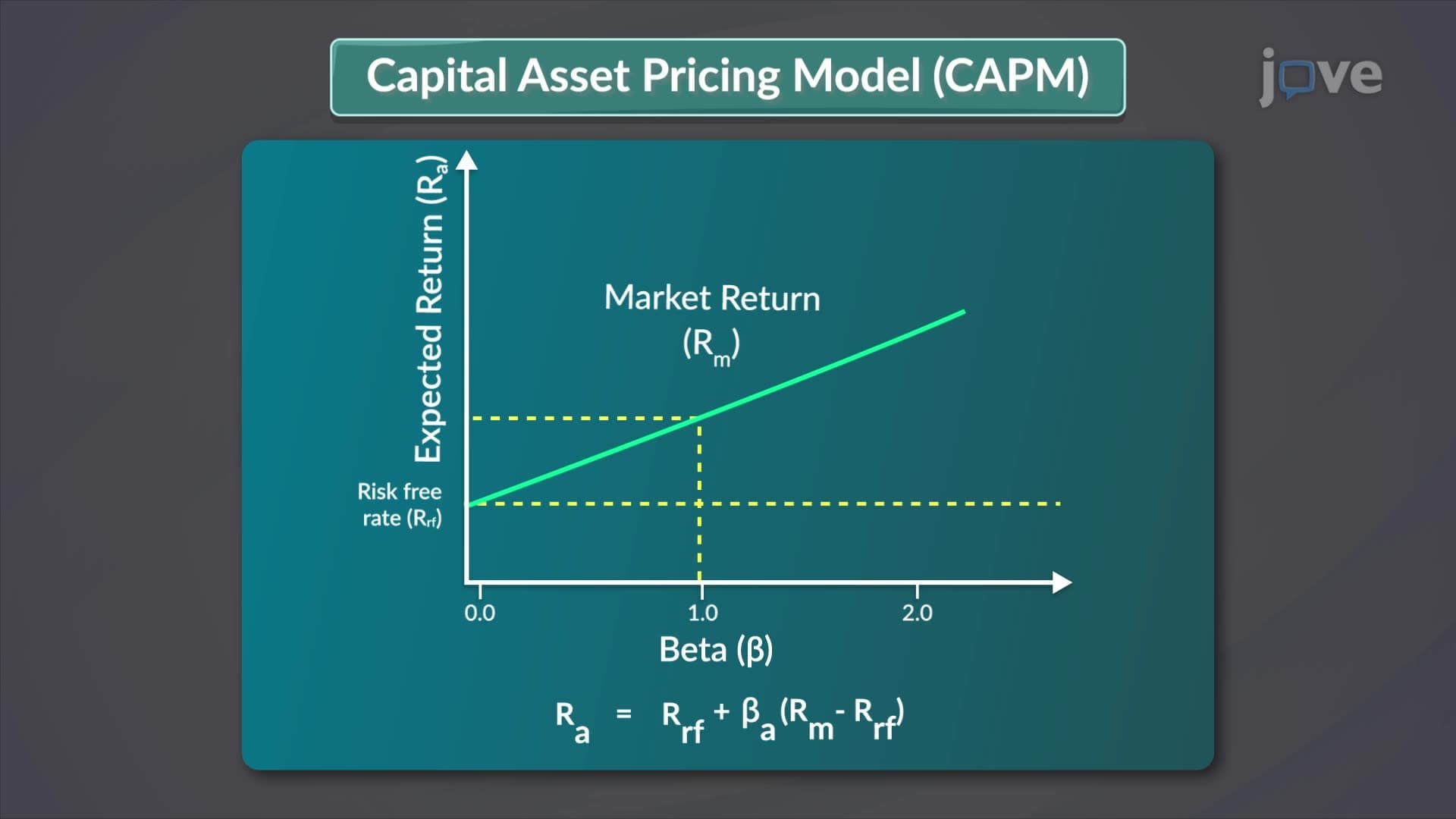
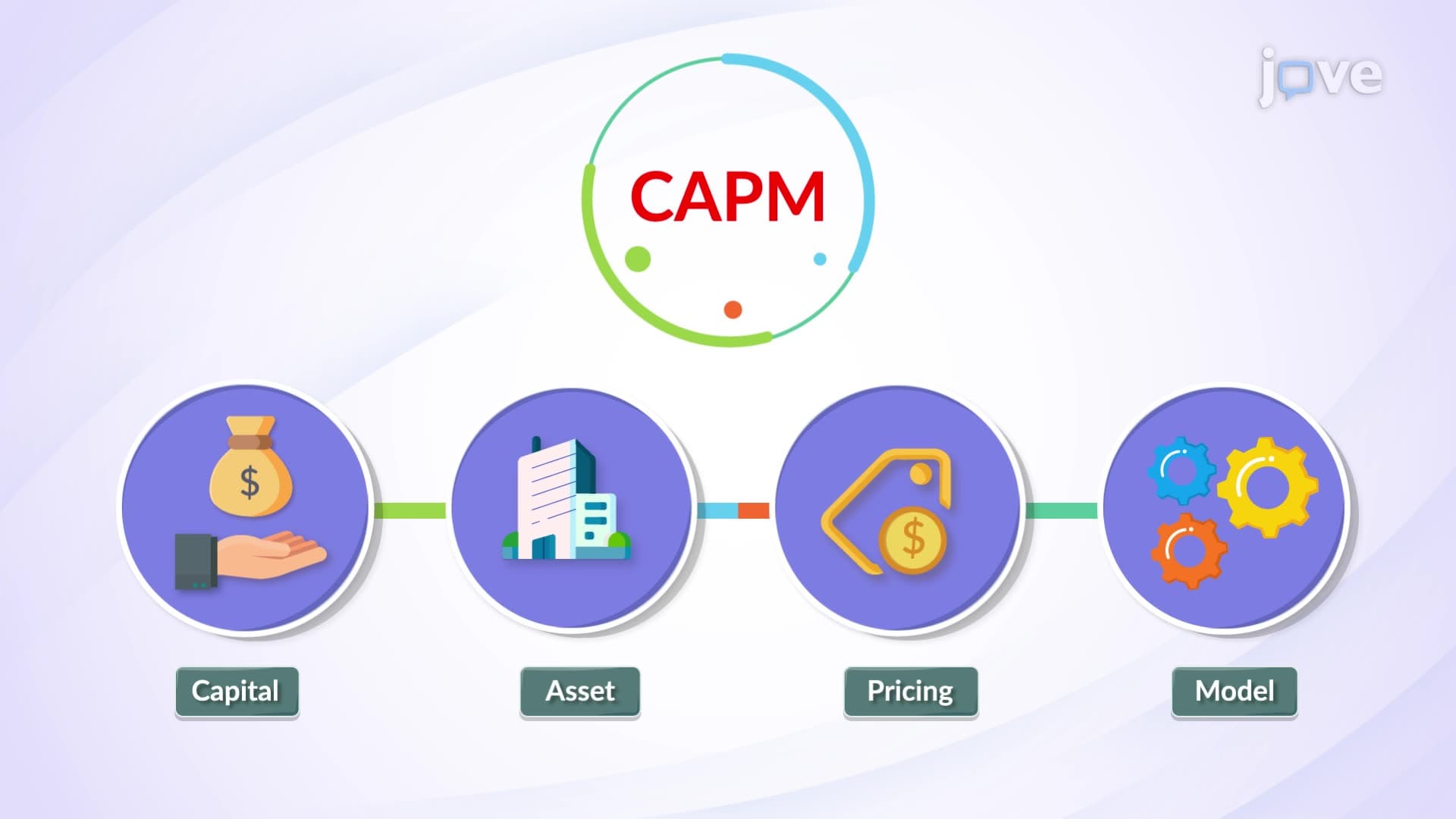
4. Capital Asset Pricing Model (CAPM) Implementation and Applications Gain proficiency in CAPM formula application for determining required rates of return based on systematic risk exposure. Use practical examples involving major corporations to calculate cost of equity, evaluate investment projects, and benchmark portfolio performance. Learn to integrate CAPM results into capital budgeting decisions, merger valuations, and strategic planning processes while understanding model limitations and alternative approaches.
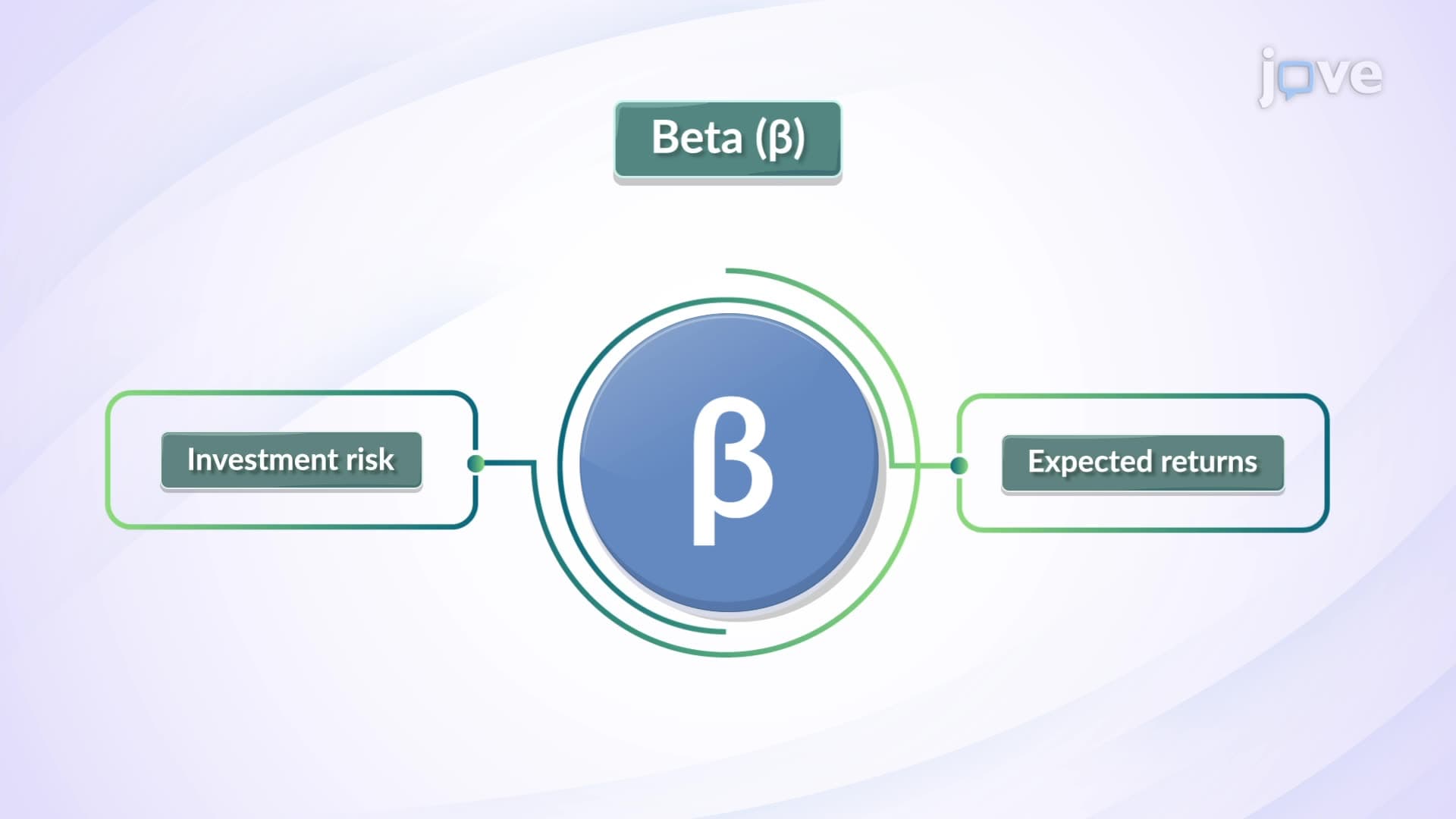
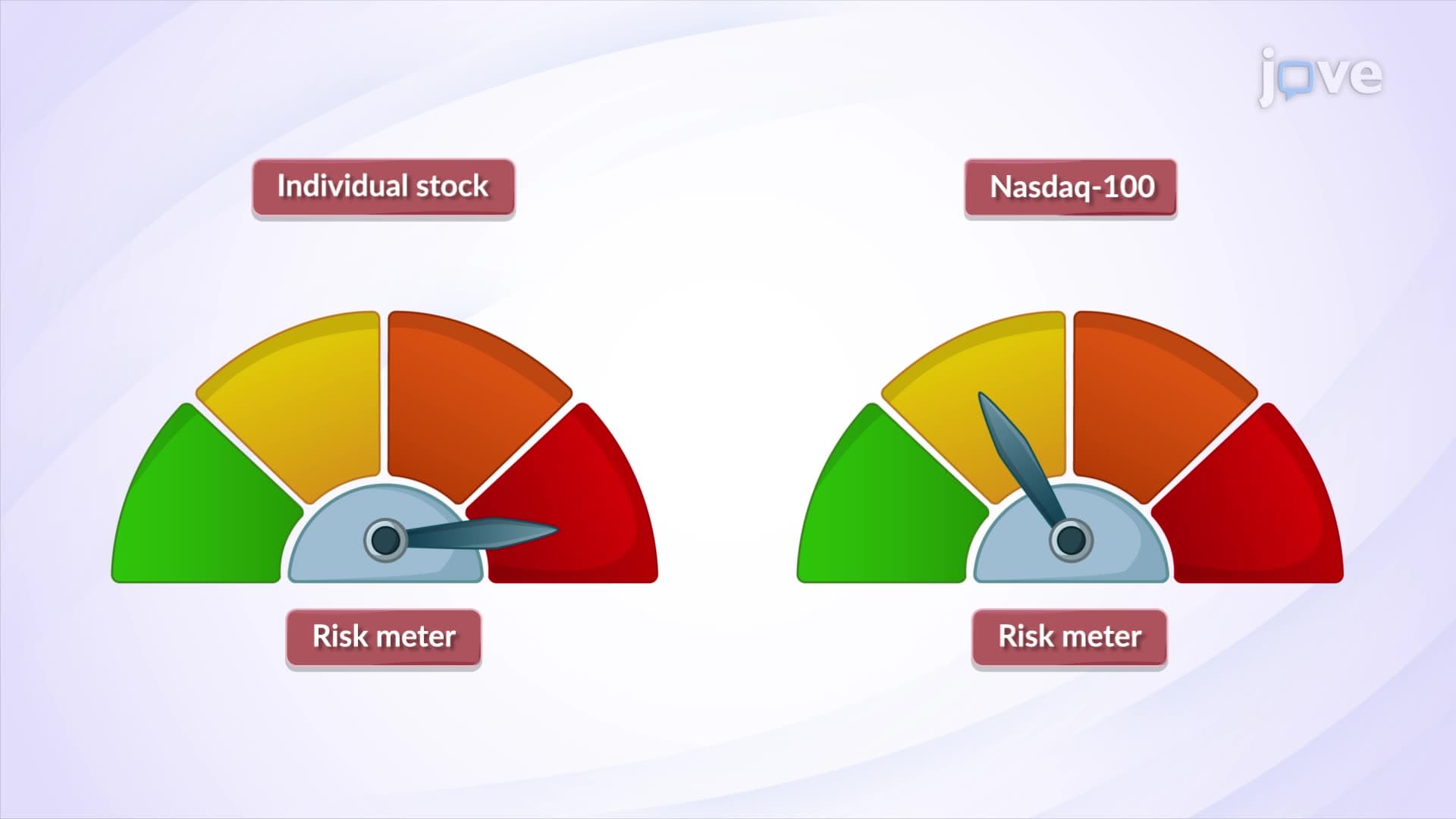
5. Beta Coefficient Analysis and Portfolio Construction Develop advanced skills in beta calculation, interpretation, and application for portfolio risk management. Analyze high-beta stocks like Amazon versus low-beta utilities to understand volatility implications for different investment objectives. Learn to construct portfolios with target beta levels, balance aggressive growth positions with defensive holdings, and communicate risk-return profiles effectively to stakeholders and investment committees.
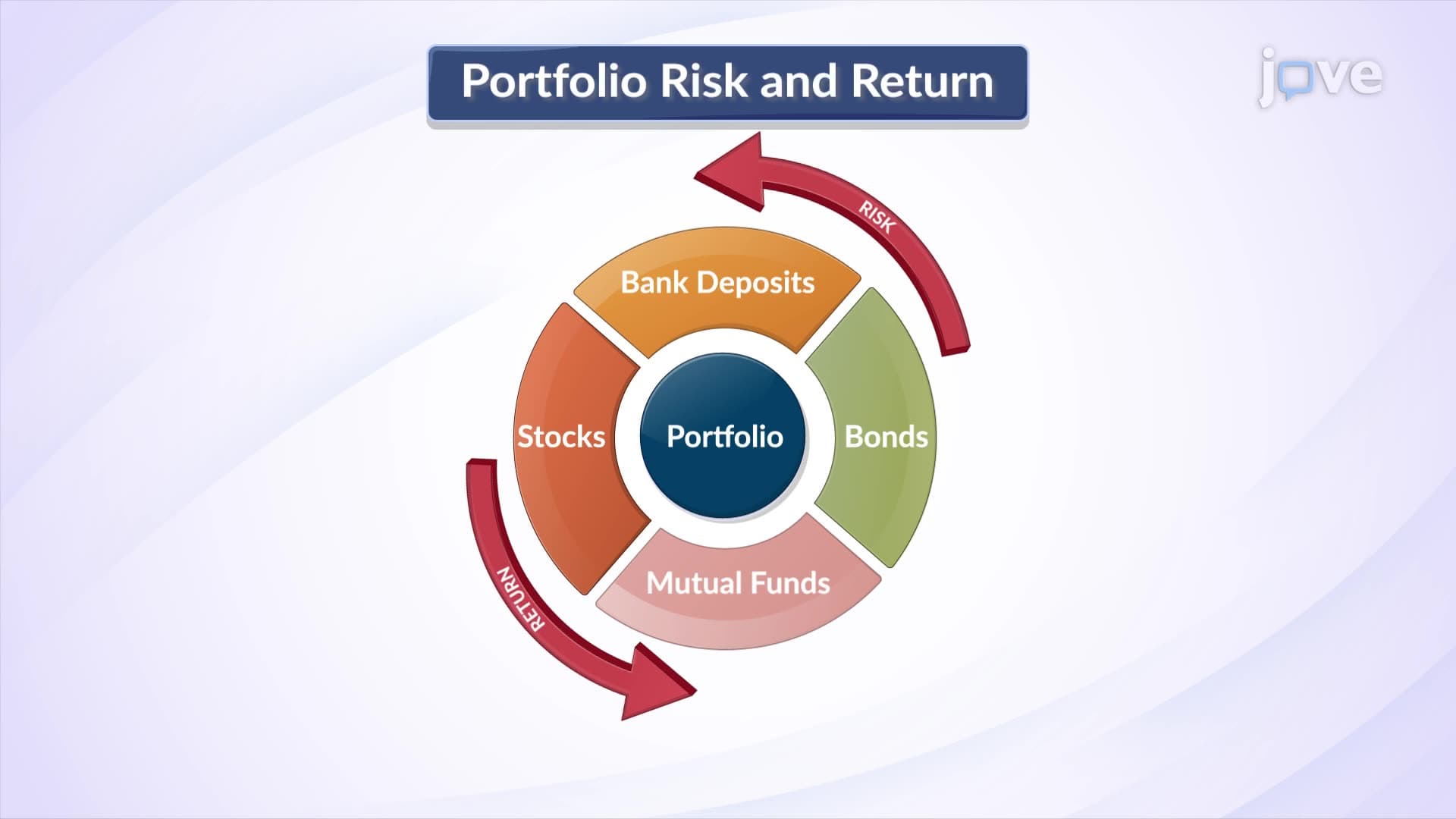
6. Portfolio Diversification Strategies and Risk Optimization Master comprehensive diversification techniques across asset classes, geographic regions, and industry sectors. Examine successful diversification strategies used by major institutional investors and corporations. Learn to quantify diversification benefits using correlation analysis, optimize portfolio allocation for specific risk tolerance levels, and implement dynamic rebalancing strategies that maintain desired risk-return characteristics over time while adapting to changing market conditions.