Loading video…


 17 Concepts
 6.5K views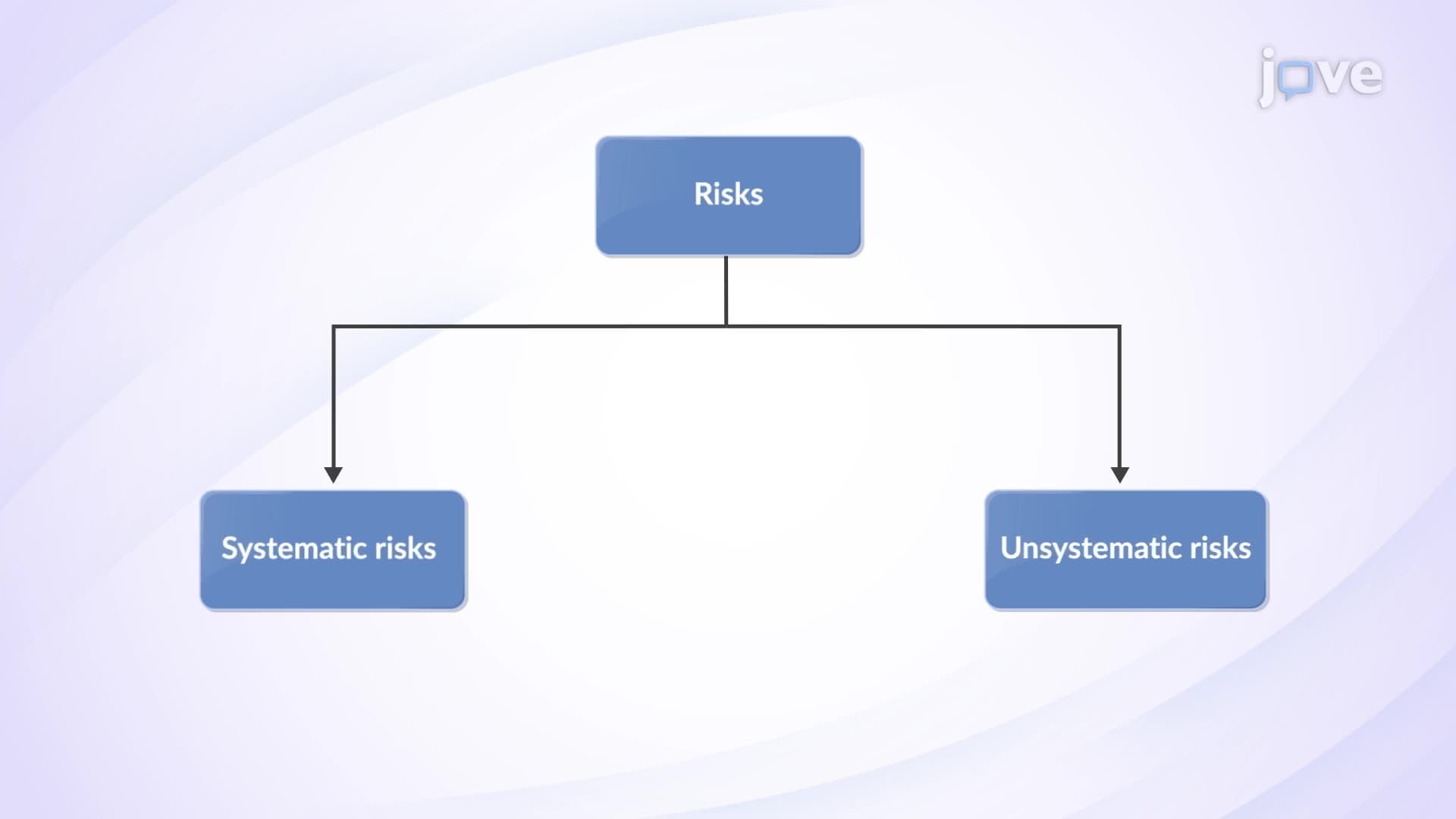

Video Summary: What are Types of Risk
Understanding types of risk is critical for portfolio managers and investment professionals navigating volatile markets. When systematic risks like economic recessions impact entire sectors-as seen with Apple's supply chain disruptions during COVID-19-even diversified portfolios suffer. Conversely, unsystematic risks affect individual companies, such as Wells Fargo's account fraud scandal impacting only that institution. What are types of risk becomes essential knowledge for building resilient investment strategies and protecting client assets. Watch the full video on JoVE Coach to master this concept with expert-led visuals and step-by-step explanations.
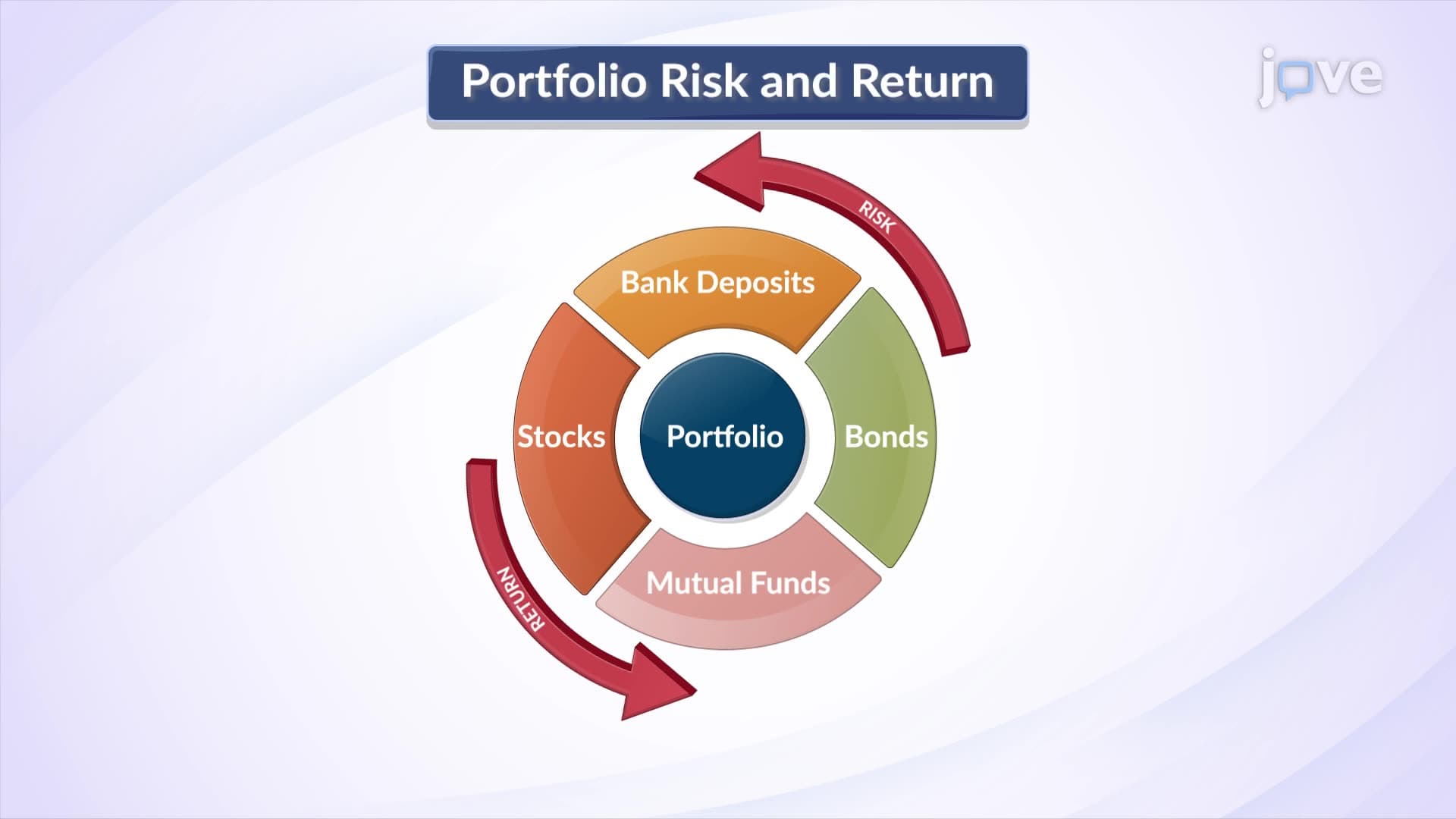
Types of risk form the foundation of sophisticated investment decision-making in today's complex financial markets. Professional portfolio managers at firms like BlackRock and Vanguard rely on precise risk categorization to protect trillions in client assets while pursuing optimal returns.
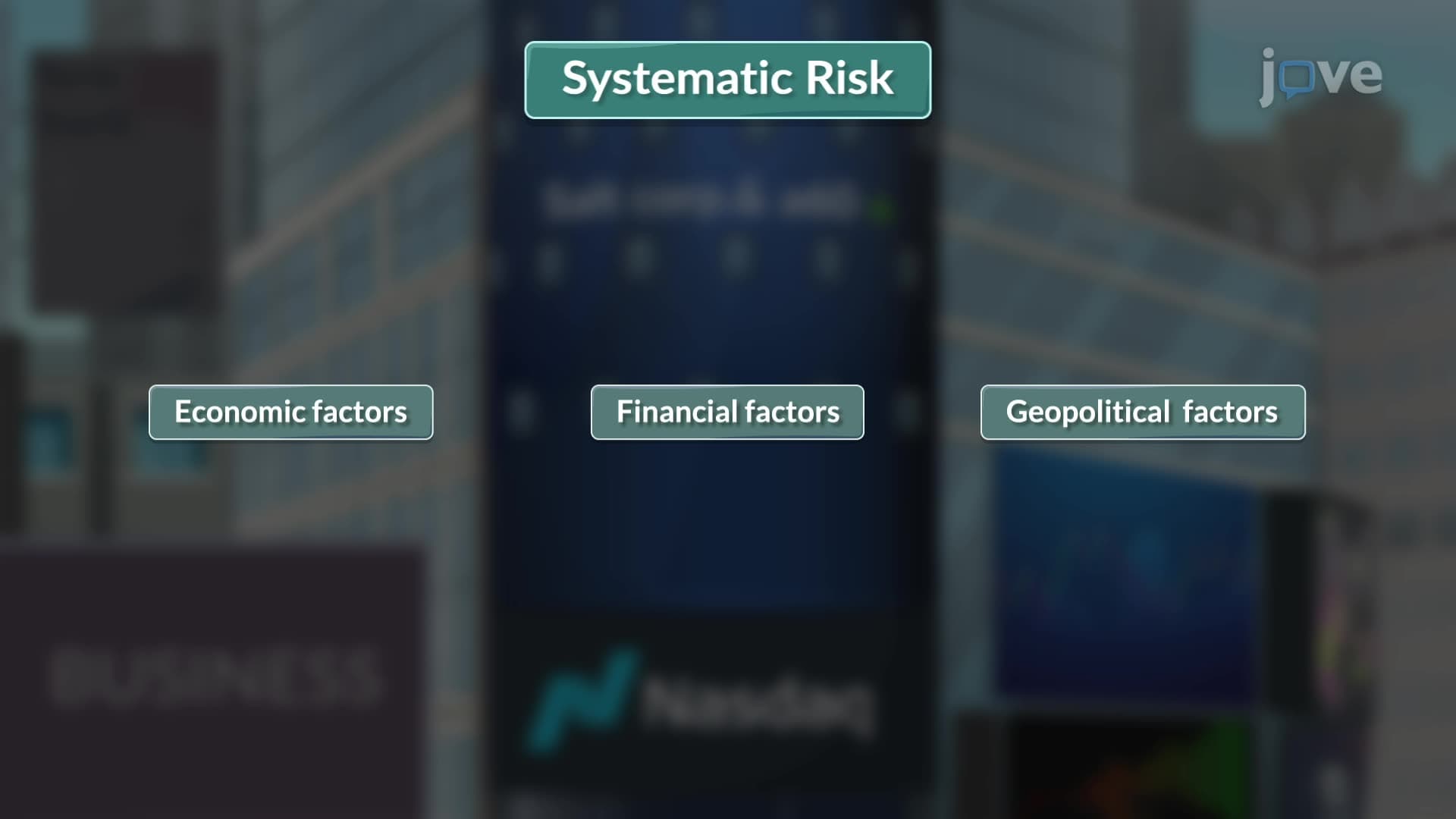
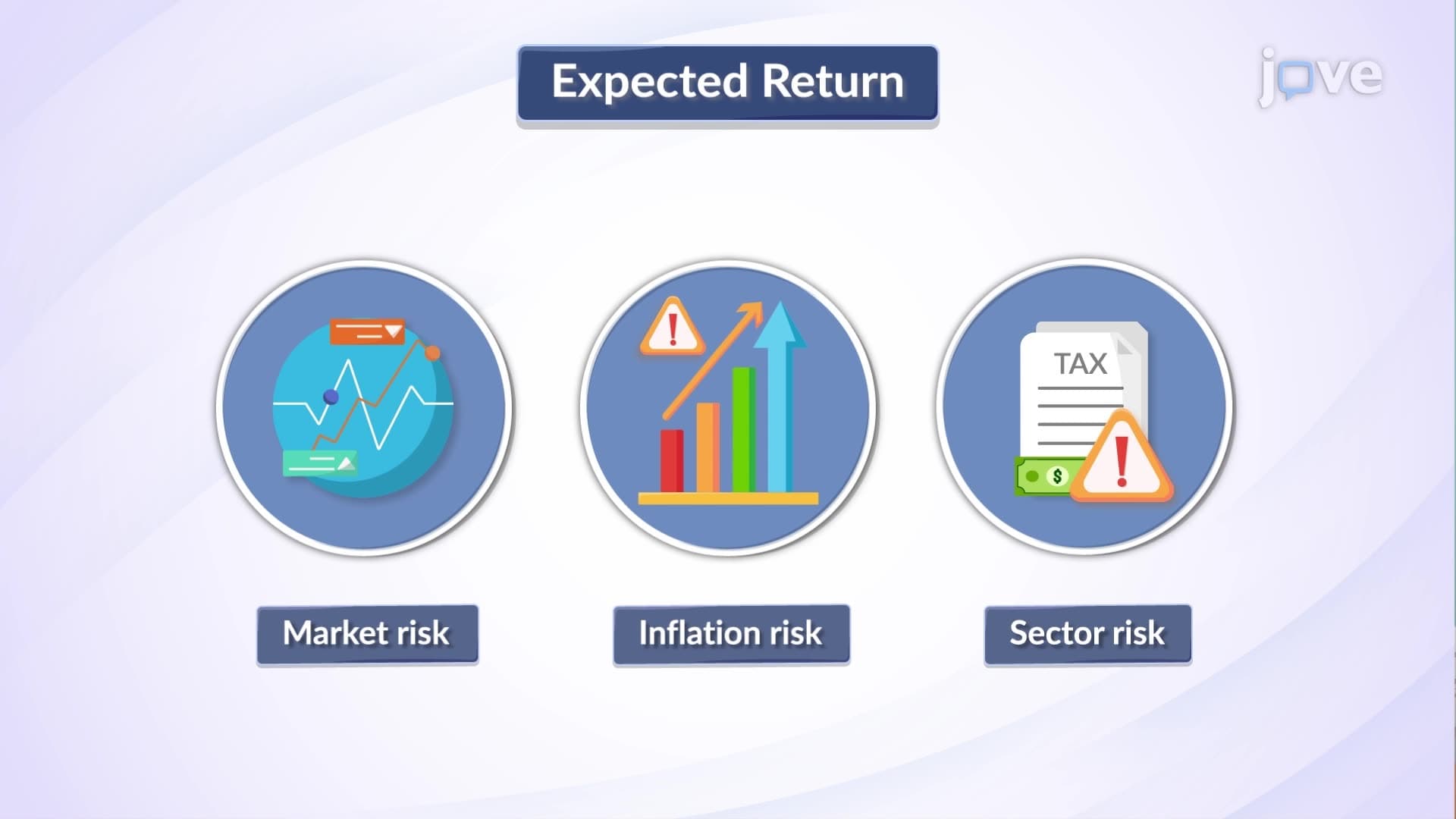
Systematic risk affects entire markets or economic systems, making diversification ineffective as a mitigation strategy. The 2008 financial crisis exemplified systematic risk when mortgage-backed securities contaminated virtually every financial institution. More recently, Federal Reserve interest rate policies create systematic risk across bond portfolios, while supply chain disruptions impact manufacturing sectors broadly.
Consider how systematic risks manifest in corporate earnings: when the Fed raises rates, technology companies like Microsoft and Google face higher discount rates on future cash flows, depressing valuations regardless of operational performance. Energy companies experience systematic commodity price risk tied to geopolitical events and OPEC decisions.
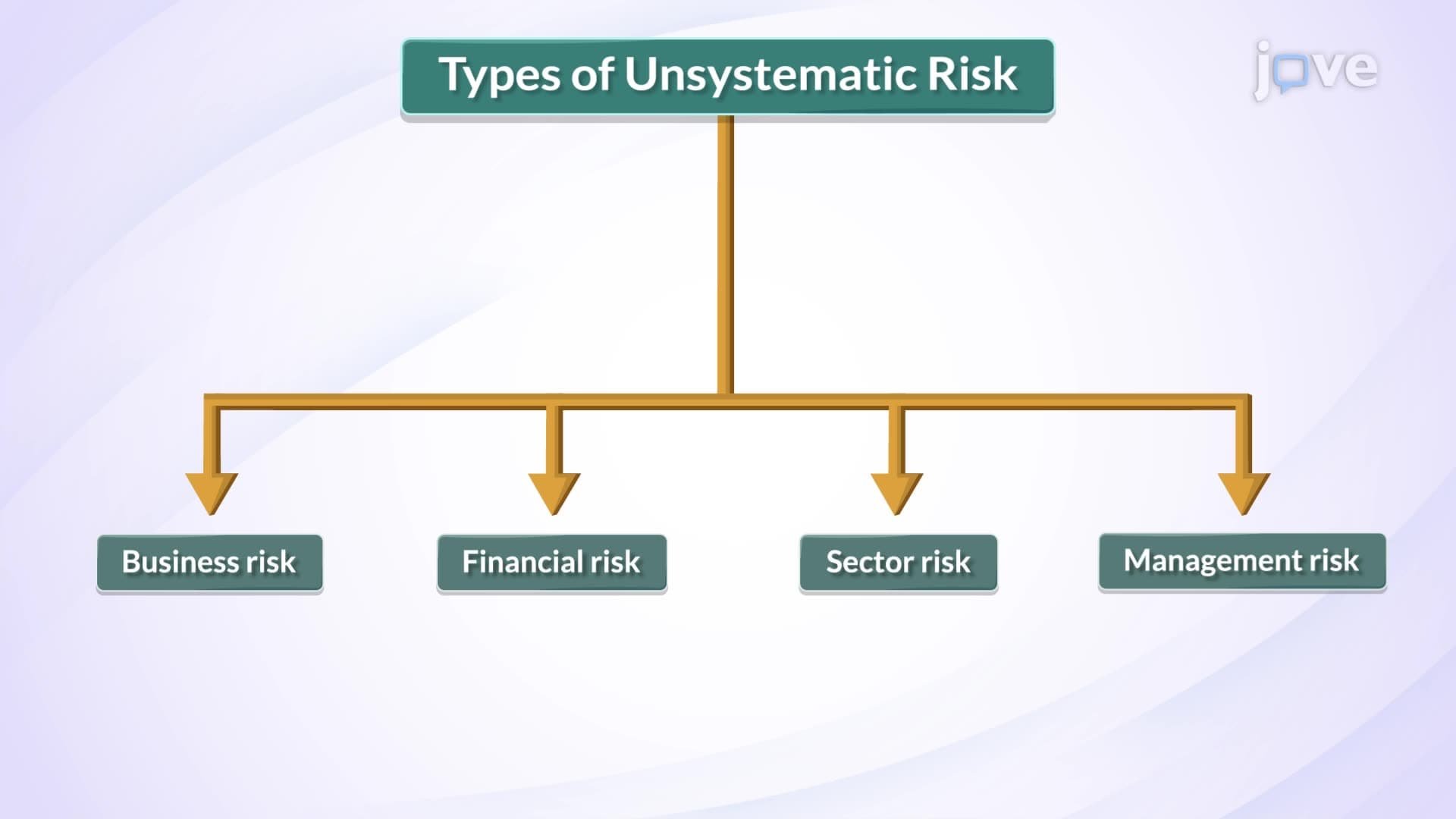
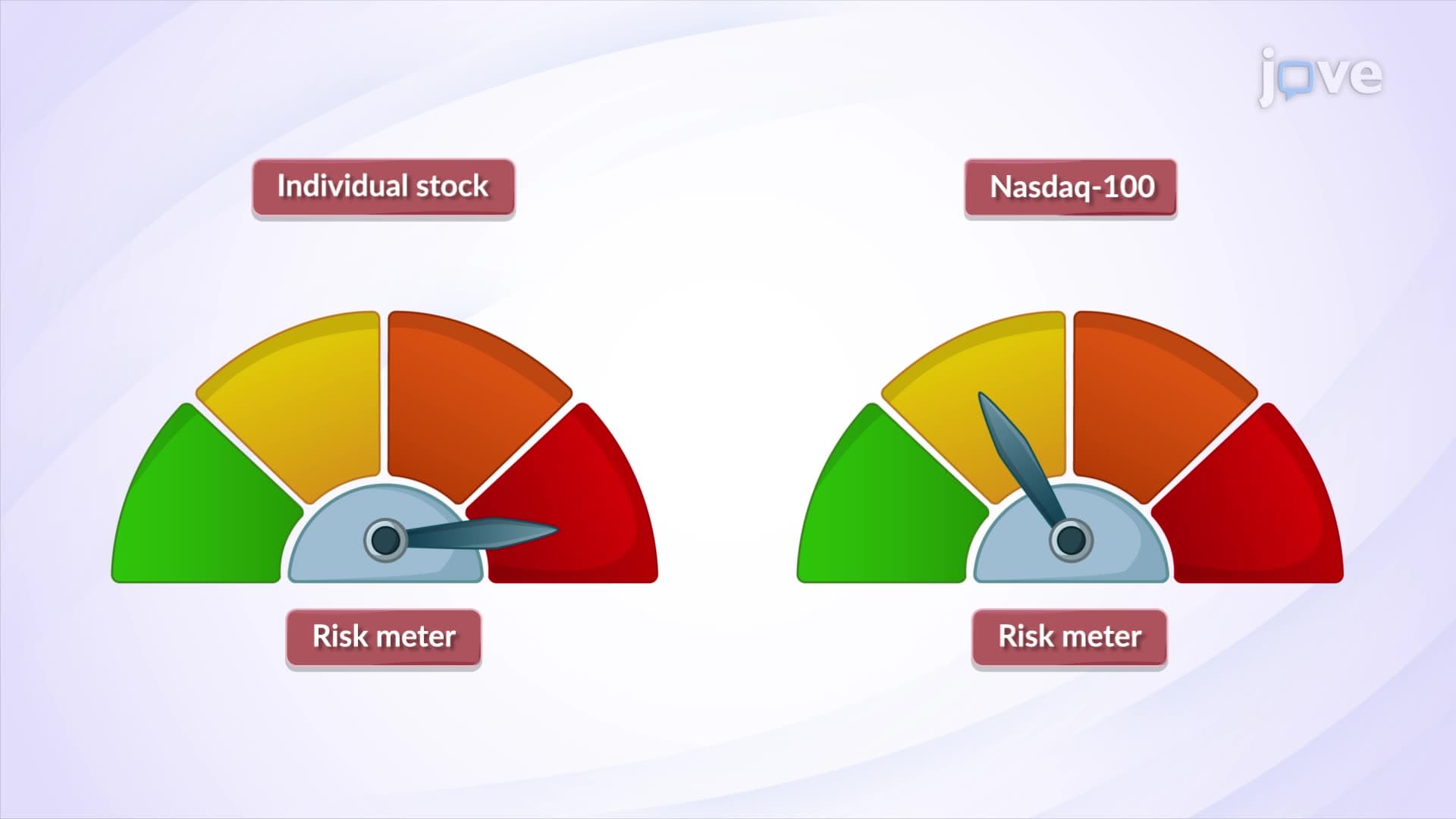
Unsystematic risks stem from individual company operations, management decisions, or industry-specific factors. Tesla's production challenges, leadership controversies, or regulatory issues represent unsystematic risks that skilled portfolio managers can mitigate through diversification.
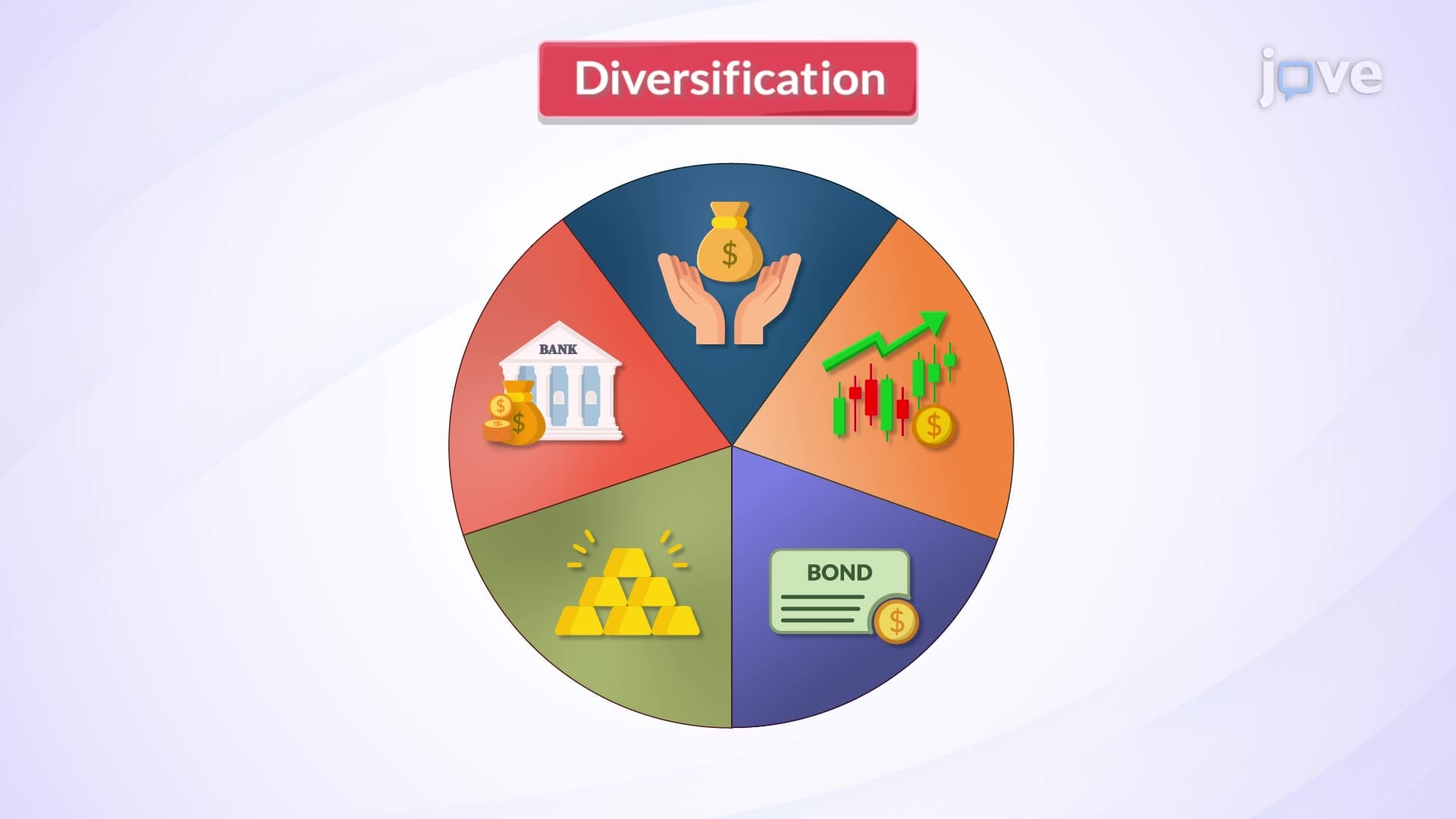
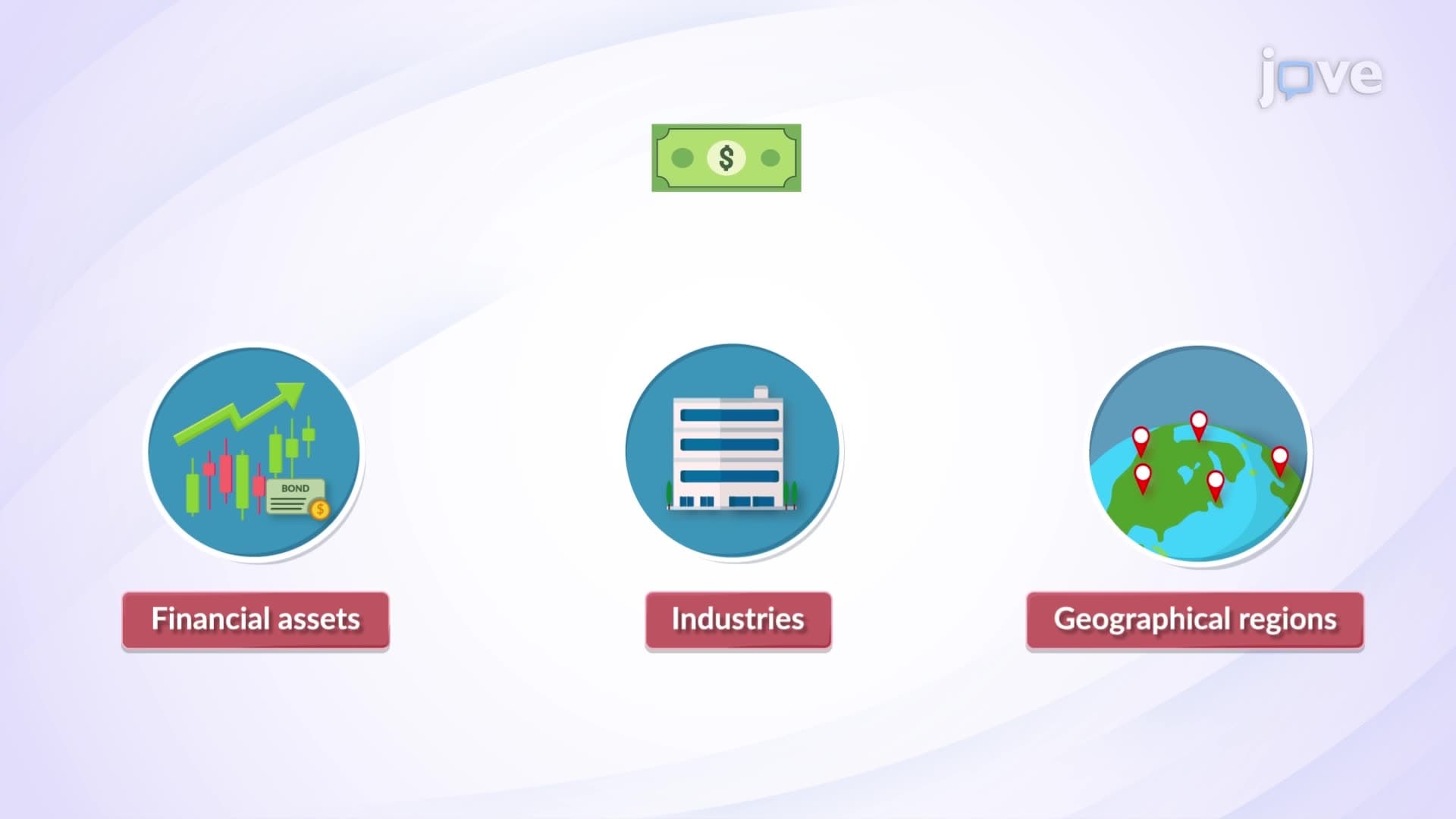
Strategic diversification across sectors, market capitalizations, and geographic regions reduces unsystematic risk exposure. When Boeing faced 737 MAX groundings, diversified aerospace holdings in Lockheed Martin or Northrop Grumman provided portfolio protection.
Professional risk management requires continuous monitoring and strategic adjustment. Institutional investors employ sophisticated metrics like Value at Risk (VaR) and stress testing to quantify potential losses. During quarterly portfolio reviews, managers analyze correlation structures, identifying when presumed diversification benefits may disappear during market stress periods-a phenomenon observed when technology and financial sectors moved in lockstep during recent market volatility.
Related Micro-courses