Loading concepts…


18 Concepts
14 Concepts
21 Concepts
28 Concepts
12 Concepts
17 Concepts
21 Concepts
10 Concepts
36 Concepts
16 Concepts
7 Concepts
9 Concepts
11 Concepts
11 Concepts
12 Concepts
26 Concepts
20 Concepts
 10 Concepts
 2.9K Views
 Popular topics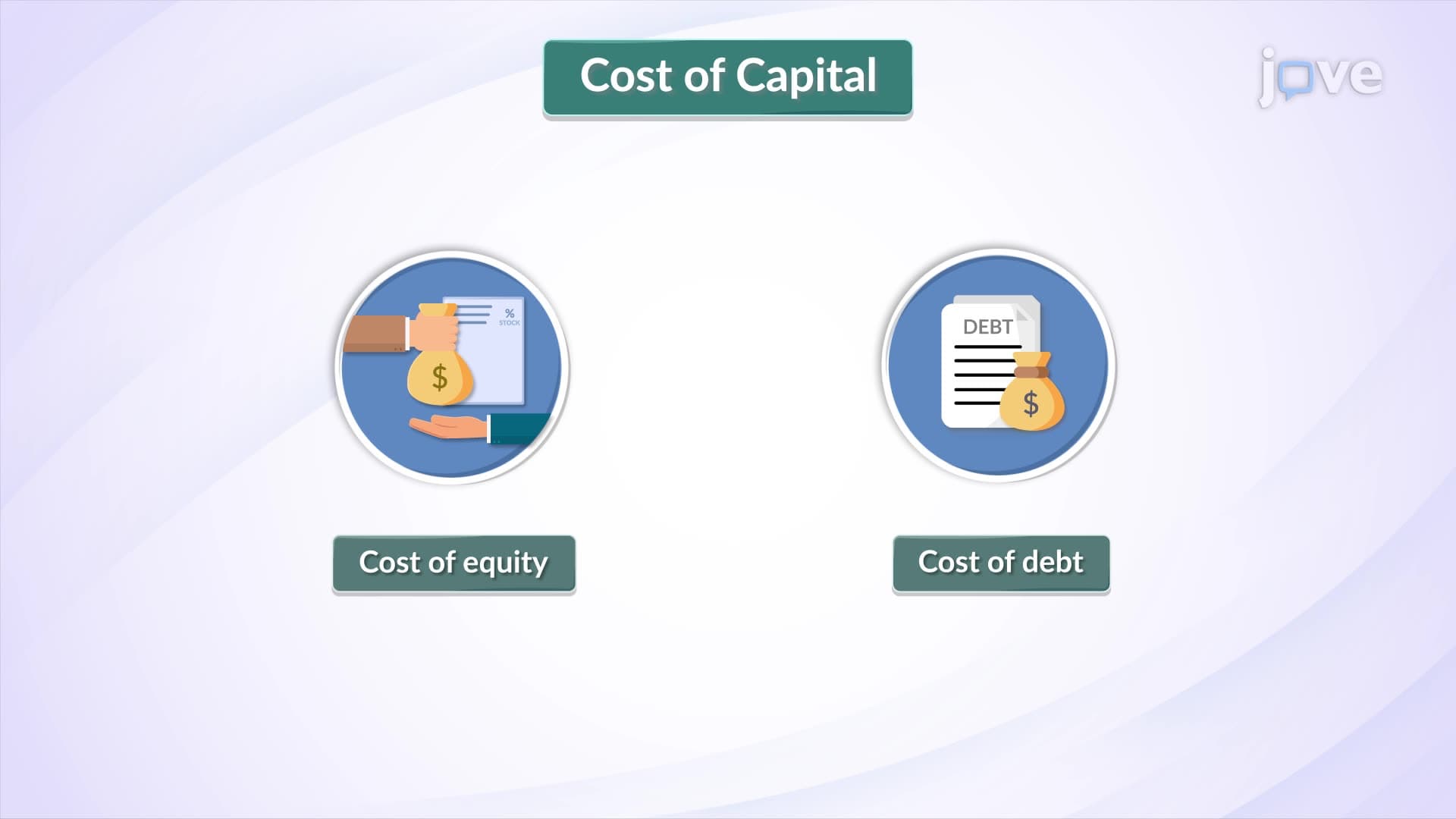





Cost of capital represents the average rate companies like Apple and Microsoft must pay investors to finance operations and growth through debt and equity. This JoVE Coach micro-course teaches working professionals to calculate weighted average cost of capital, analyze financing decisions, and implement capital budgeting strategies that maximize shareholder value while optimizing capital structure costs.
1. Fundamental Cost of Capital Principles Understanding why companies like Tesla must earn returns exceeding their cost of capital to create shareholder value. This foundation covers how financing costs serve as benchmarks for investment decisions, the relationship between risk and required returns, and why projects returning less than the cost of capital destroy value. Real examples demonstrate how Fortune 500 companies use these principles for strategic decision-making.
2. Required Return Analysis and Risk Assessment Distinguishing between investor expectations and company financing costs using practical scenarios. Learn how technology companies like Amazon balance high-growth investment opportunities against investor return requirements. This section covers risk premium calculations, how market conditions affect required returns, and strategies for managing investor expectations while maintaining operational flexibility.
3. Equity Financing Cost Calculation Methods Mastering the Capital Asset Pricing Model (CAPM) to determine equity costs for companies across different industries. Using real market data from companies like General Electric, professionals learn to calculate risk-free rates, beta coefficients, and market risk premiums. This practical approach enables accurate cost of equity determinations for various business scenarios and market conditions.
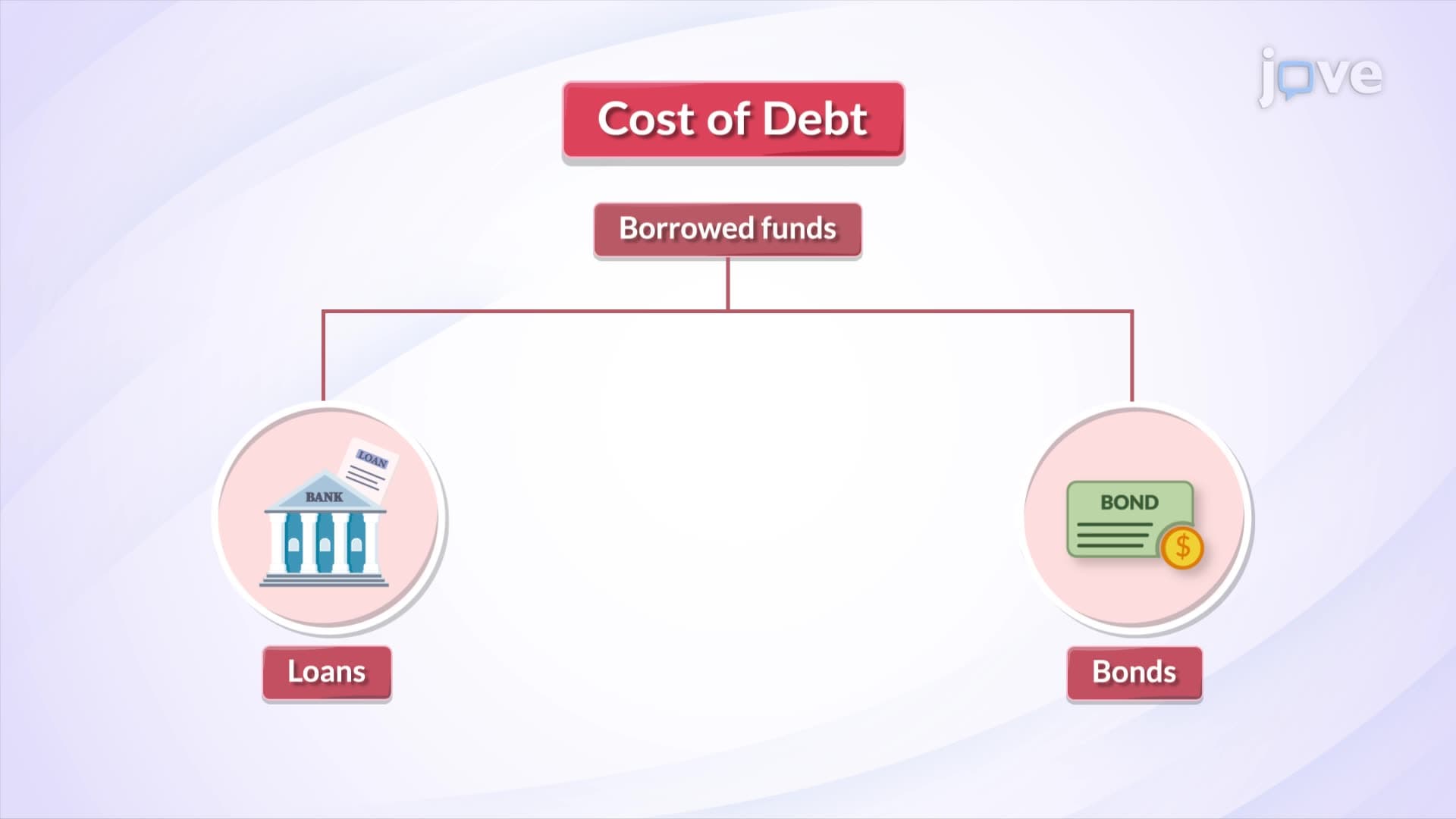
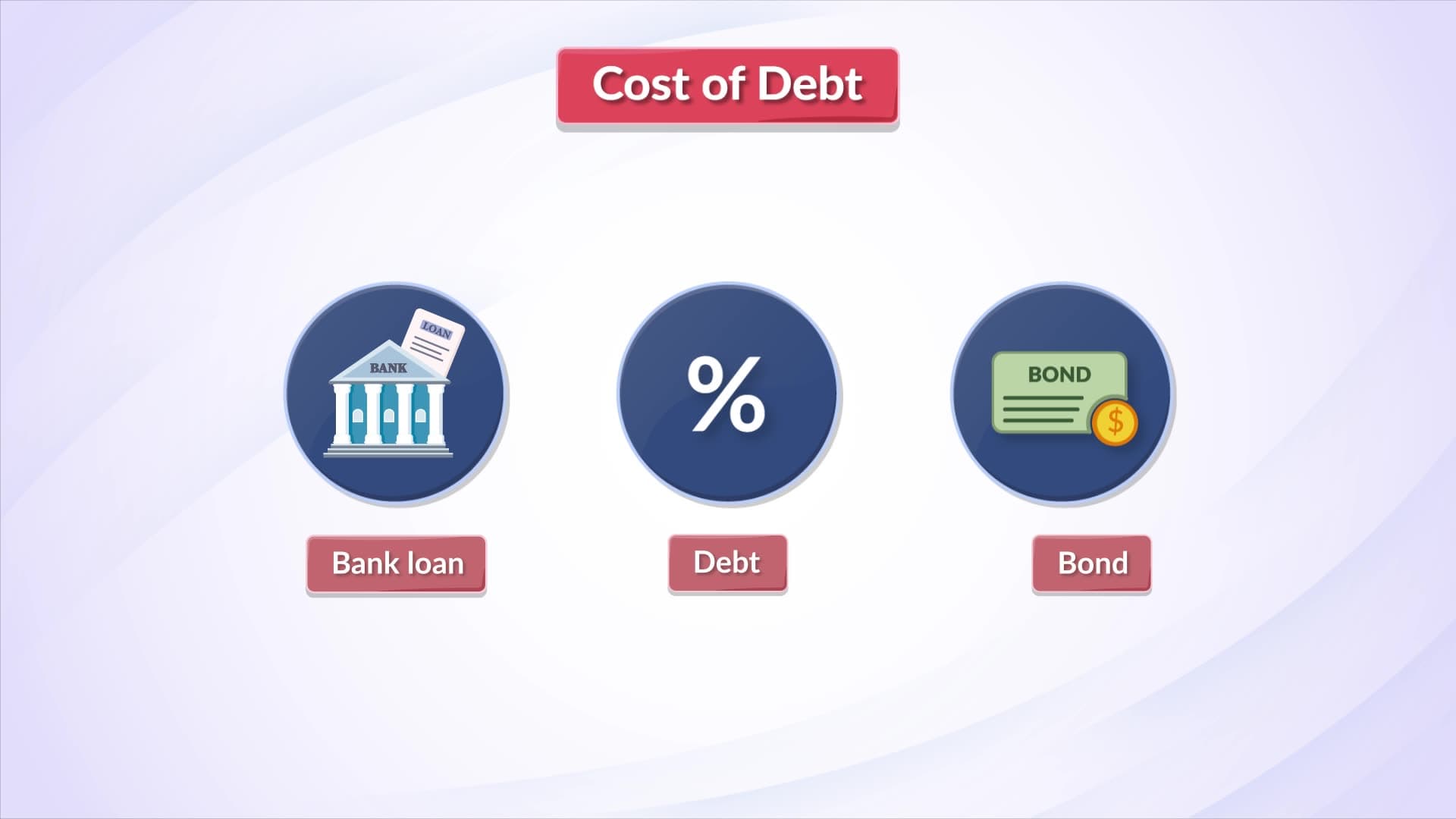
4. Debt Financing and Tax Shield Benefits Calculating after-tax debt costs and understanding how companies like IBM leverage tax-deductible interest expenses to reduce overall financing costs. This section covers bond pricing, credit risk assessment, and optimal debt levels. Professionals learn to balance the benefits of tax shields against financial risk, including default probability and credit rating impacts on borrowing costs.
5. Preferred Stock Financing Alternatives Analyzing preferred stock as a hybrid financing instrument used by companies like Berkshire Hathaway. Learn dividend yield calculations, market pricing dynamics, and when preferred stock offers advantages over debt or common equity. This section covers investor preferences, regulatory considerations, and how preferred stock affects overall capital structure and weighted average cost calculations.
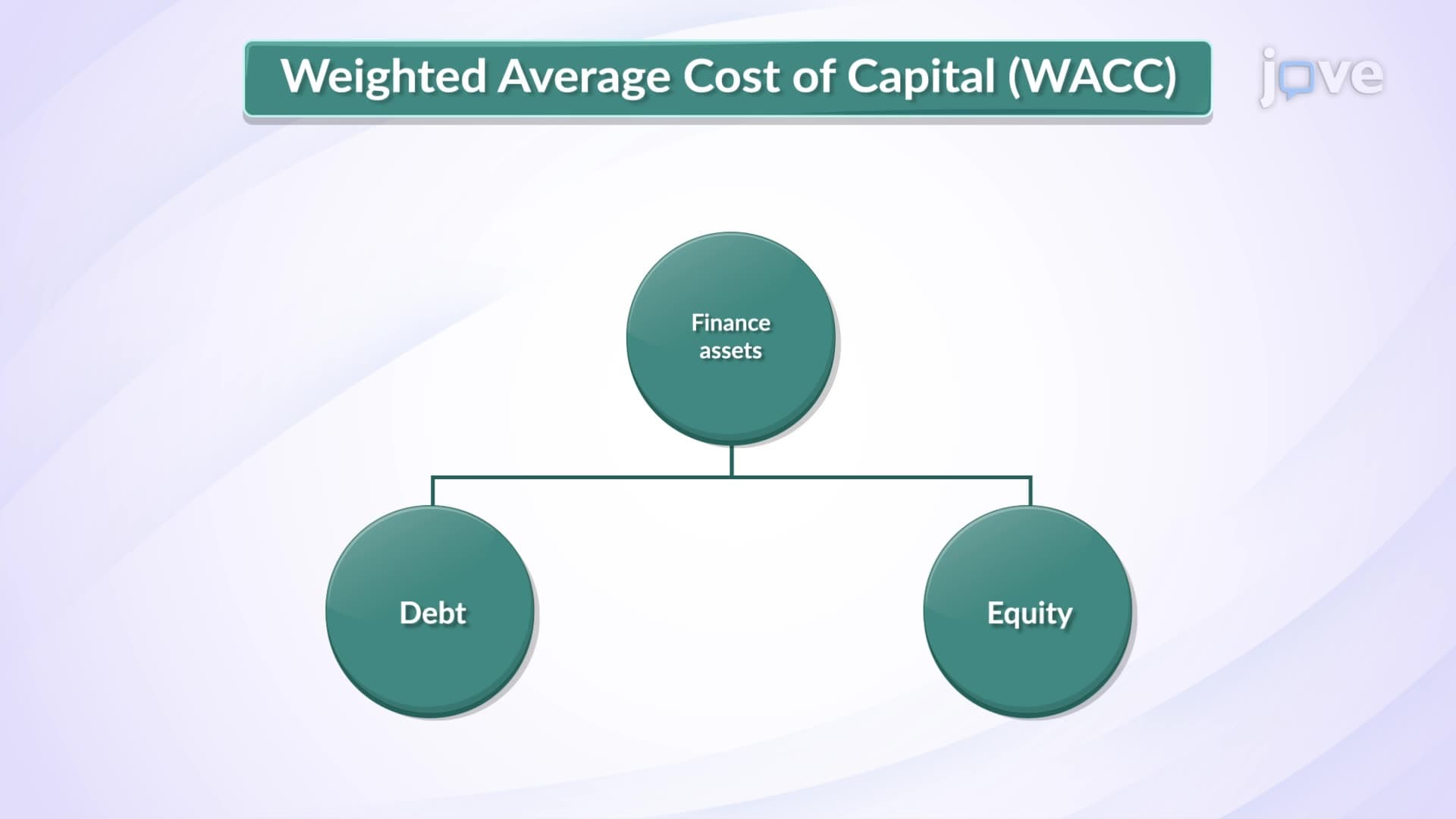
6. Weighted Average Cost of Capital (WACC) Mastery Implementing comprehensive WACC calculations that reflect realistic capital structures of major corporations. Using examples from companies like Microsoft and Johnson & Johnson, professionals master weight calculations, component cost integration, and sensitivity analysis. This practical approach ensures accurate hurdle rate determination for capital budgeting and valuation purposes.
7. Capital Structure Optimization Strategies Developing frameworks for optimal debt-to-equity ratios that minimize overall financing costs while maintaining financial flexibility. Learn how companies like Apple balance cash reserves, debt capacity, and equity financing to support growth initiatives. This section covers industry benchmarking, rating agency considerations, and dynamic capital structure management in changing market conditions.