Short-term financing encompasses the strategic acquisition and management of funds needed to support immediate operational requirements within a 12-month timeframe. This JoVE Coach micro-course equips professionals with practical frameworks for optimizing cash management, implementing effective working capital management strategies, and selecting appropriate short-term financing strategies in business environments. Learn through real-world applications from companies like Target, Walmart, and Bank of America.
Apply cash conversion cycle analysis to optimize inventory, receivables, and payables timing
Evaluate trade credit terms and collection strategies to enhance cash flow performance
Implement comprehensive cash budgeting processes for accurate liquidity forecasting
Assess various unsecured and secured financing alternatives for operational needs
Leverage accounts receivable and inventory financing to unlock working capital
Analyze line of credit structures and commercial paper options for flexible funding
Apply marketable securities management techniques to optimize idle cash returns
Evaluate supplier payment strategies to maximize cash retention periods
1. Operating Cycle and Cash Conversion Analysis
Master the fundamental metrics that drive short-term liquidity management. Understand how companies like Walmart optimize their cash conversion cycles by balancing inventory turnover (30 days), customer collection periods (20 days), and supplier payment terms (40 days) to achieve efficient 10-day cash cycles. Learn to calculate and interpret Days Inventory Outstanding, Days Sales Outstanding, and Days Payables Outstanding to identify improvement opportunities and benchmark against industry standards for enhanced working capital performance.
2. Strategic Cash Budgeting and Forecasting
Develop sophisticated cash planning capabilities using proven methodologies for monthly and quarterly projections. Explore how retail businesses like Fresh Mart anticipate seasonal fluctuations, project cash surpluses and shortages, and implement corrective actions including securing backup financing or adjusting expenditure timing. Master techniques for incorporating sales volatility, expense timing, and collection patterns into accurate cash forecasts that support proactive financial management and strategic decision-making processes.
3. Trade Credit Optimization and Supplier Management
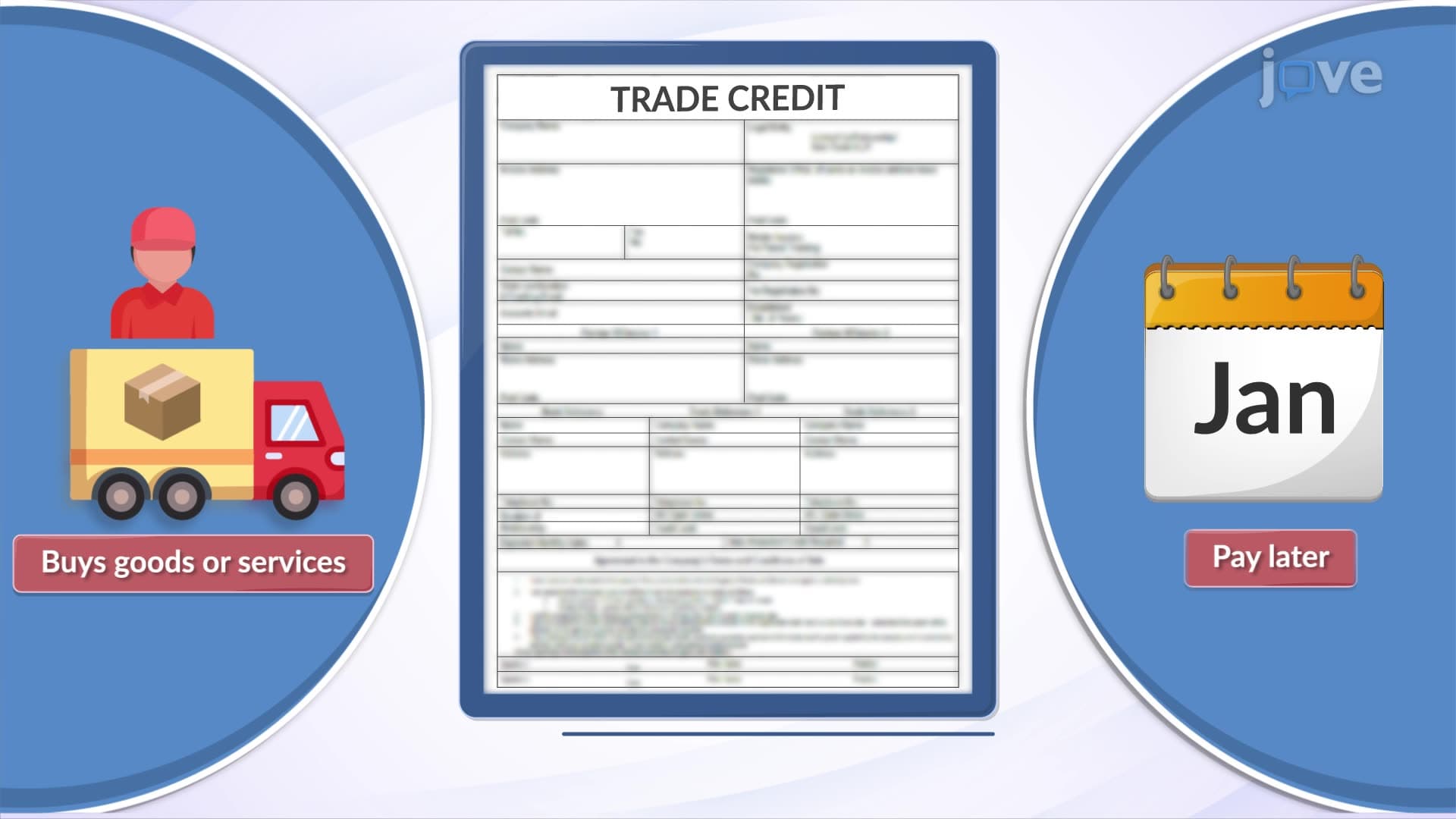
Implement advanced strategies for maximizing supplier financing while maintaining strong vendor relationships. Examine how Target Corporation leverages 60-day payment terms on $500,000 electronics purchases to generate interest-free financing that supports cash flow management. Learn to negotiate favorable credit terms, manage early payment discounts, and balance supplier relationship preservation with optimal cash retention strategies that enhance operational flexibility and reduce external financing requirements.
4. Accounts Receivable and Credit Management
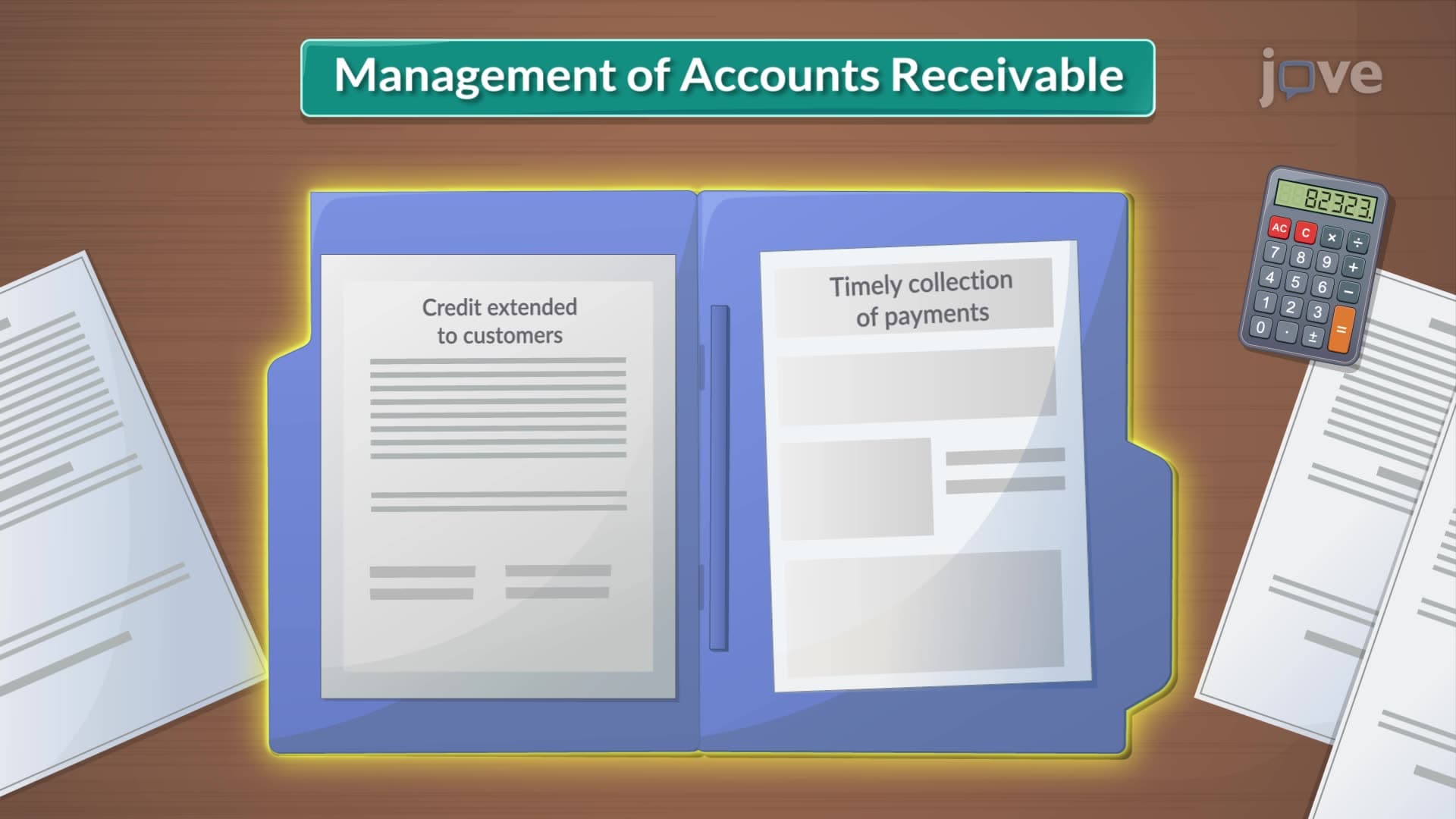
Apply comprehensive frameworks for optimizing customer credit policies and collection processes. Study how companies like Beta Corp implement "2/10, net 30" credit terms to accelerate cash collection while maintaining customer satisfaction. Master techniques for creditworthiness assessment, collection timeline optimization, invoice management, and overdue account resolution that minimize bad debt exposure while maximizing cash flow velocity and customer retention rates.
5. Secured and Unsecured Financing Strategies
Evaluate diverse financing alternatives including lines of credit, asset-based lending, and inventory financing solutions. Analyze how Target utilizes $500 million credit facilities for seasonal inventory management, paying interest only on utilized amounts. Compare secured loan structures using equipment or real estate collateral against unsecured options based on creditworthiness. Understand commercial paper markets, factoring arrangements, and accounts receivable financing that provide flexible funding solutions aligned with business cycles.
Frequently Asked Questions
The operating cycle measures time from inventory purchase to cash collection, while cash conversion cycle subtracts supplier payment periods. If your company holds inventory 45 days and collects receivables in 30 days (75-day operating cycle) but pays suppliers in 60 days, your cash conversion cycle is only 15 days.
Benchmark against industry leaders and analyze your specific business model. Retail companies like Walmart target 10-15 day cycles, while manufacturing may require 30-60 days. Focus on reducing inventory holding periods and accelerating collections while extending payables within supplier relationship limits.
Factoring works best when you need immediate cash flow and have creditworthy customers but limited borrowing capacity. If you have $100,000 in receivables, factoring provides 80-90% upfront versus waiting 30-60 days for collection. Consider factoring costs (2-5%) against the value of immediate liquidity.
Create multiple scenarios (conservative, realistic, optimistic) and update forecasts monthly. Build cushions for unexpected expenses and maintain backup credit facilities. Many successful companies maintain cash reserves equal to 2-3 months of operating expenses plus committed credit lines for additional protection.
Asset-based lending against inventory typically provides 50-80% of inventory value. Seasonal businesses like Bright Clothing benefit from revolving credit facilities that expand during peak seasons and contract during slow periods, with inventory serving as collateral for flexible borrowing capacity.
Commercial paper typically requires strong credit ratings and minimum $25-50 million programs, making it suitable mainly for large corporations. Mid-sized companies usually find bank lines of credit or asset-based lending more accessible and cost-effective for short-term financing needs.
Professionals with strong working capital management skills are highly valued for CFO, treasurer, and senior finance roles. These competencies directly impact company profitability and cash flow, making you essential for strategic decision-making and positioning you for leadership opportunities in finance and operations management.
This microcourse includes 16 concept videos that walk you through the building blocks of Finance. Each video is short, about 1 minute, so you can cover a full topic during a coffee break or between classes. The full sequence starts with Introduction to Short-term Finance and ends with Other Sources of Short-term Financing.