Loading concepts…


18 Concepts
14 Concepts
21 Concepts
28 Concepts
12 Concepts
17 Concepts
21 Concepts
10 Concepts
36 Concepts
16 Concepts
7 Concepts
9 Concepts
11 Concepts
11 Concepts
12 Concepts
26 Concepts
20 Concepts
 11 Concepts
 1.6K Views
 Popular topics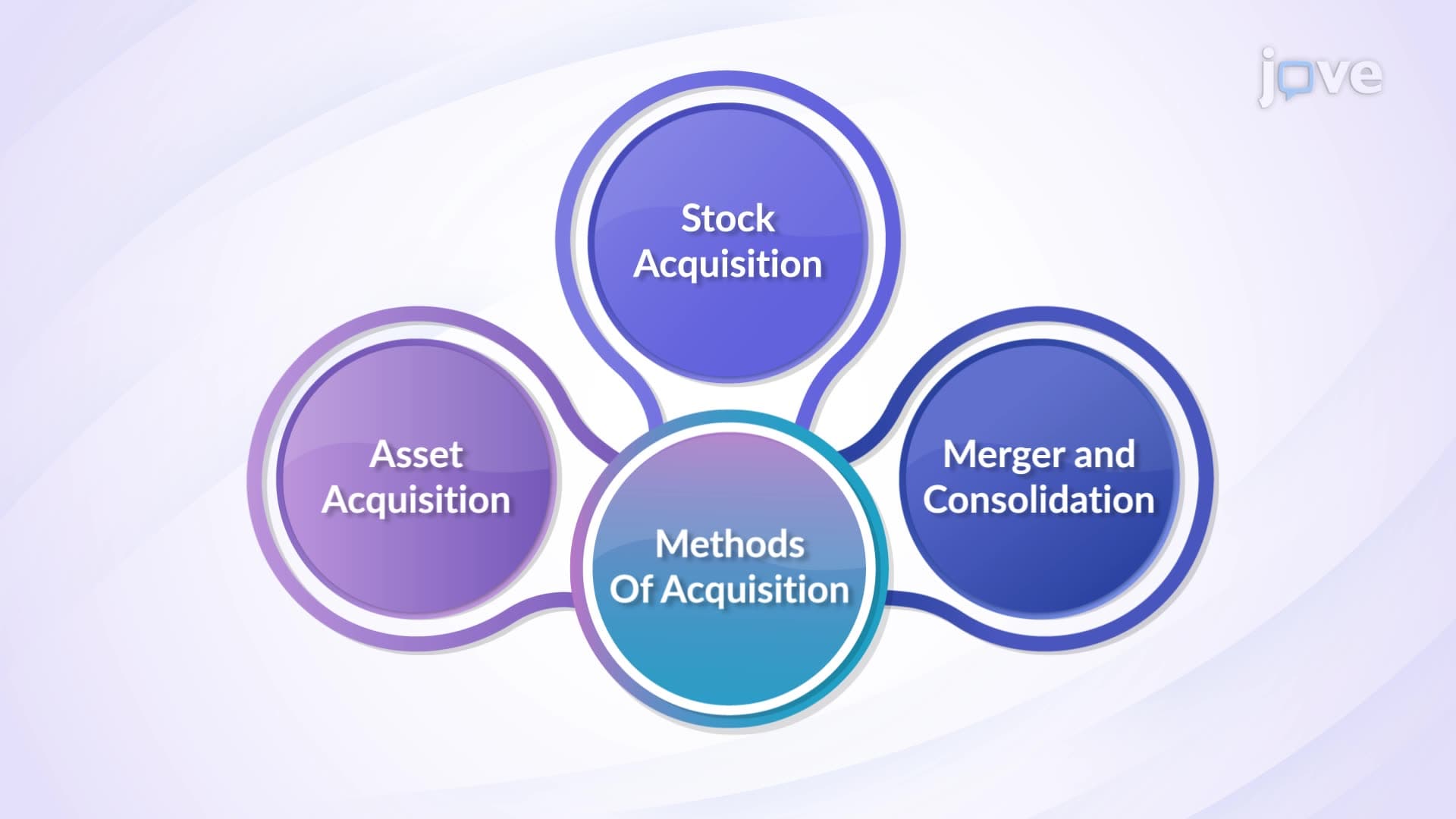






Mergers and acquisitions represent critical strategic tools that enable companies to accelerate growth, expand market reach, and create shareholder value through consolidation. This comprehensive JoVE Coach micro-course examines real-world M&A transactions from Fortune 500 companies like Disney-Pixar and Amazon-Whole Foods, providing working professionals with practical frameworks for evaluating deal structures, synergy realization, and defensive strategies in today's competitive business environment.
1. Strategic Deal Structures and Legal Frameworks Understanding the fundamental approaches to M&A strategy finance through asset acquisitions, stock purchases, and merger consolidations. This section examines Microsoft's selective asset acquisition of Nokia's mobile technology versus Facebook's comprehensive stock purchase of WhatsApp, demonstrating how deal structure impacts liability transfer, tax implications, and integration complexity. Professionals learn to select optimal transaction structures based on strategic objectives, regulatory requirements, and risk tolerance levels that align with their organization's growth strategy.
2. Takeover Mechanics and Market Dynamics Exploring how mergers and acquisitions work in finance through comprehensive analysis of acquisition methods including proxy contests and going-private transactions. Using Amazon's $13.7 billion Whole Foods acquisition as a case study, this segment covers market timing, premium calculations, and stakeholder negotiations. Participants gain practical insights into hostile versus friendly takeovers, regulatory approval processes, and the financial mechanics that drive successful deal completion in competitive market environments.
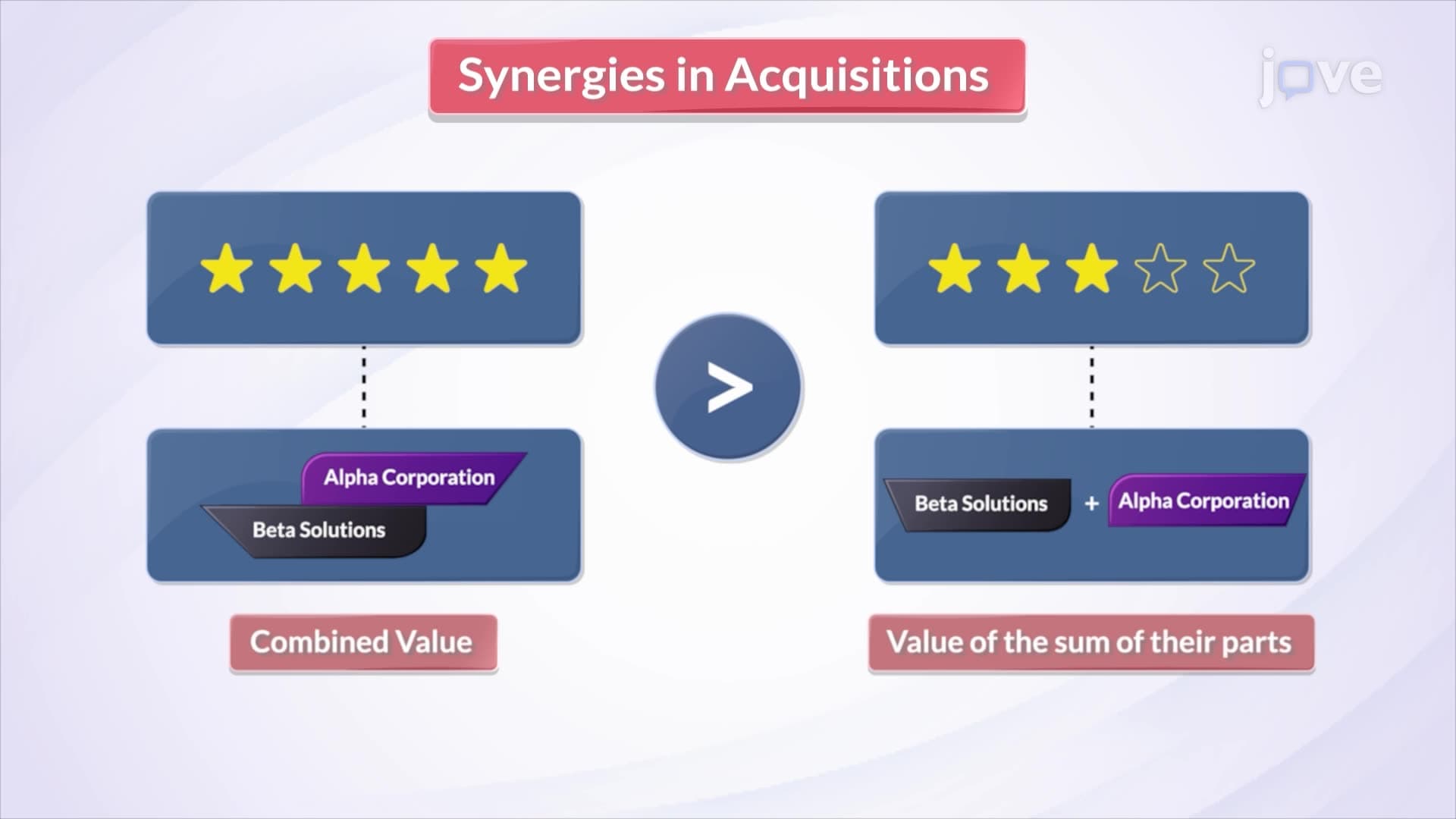
3. Synergy Identification and Value Creation Detailed examination of synergies M&A including operational efficiencies, revenue enhancement, and strategic market expansion opportunities. Disney's Pixar acquisition demonstrates cross-selling potential, pricing power improvement, and brand leveraging across multiple revenue streams. This section provides quantitative frameworks for calculating net present value of synergies, realistic integration timelines, and methodology for tracking post-acquisition performance metrics that directly impact shareholder returns and operational excellence.
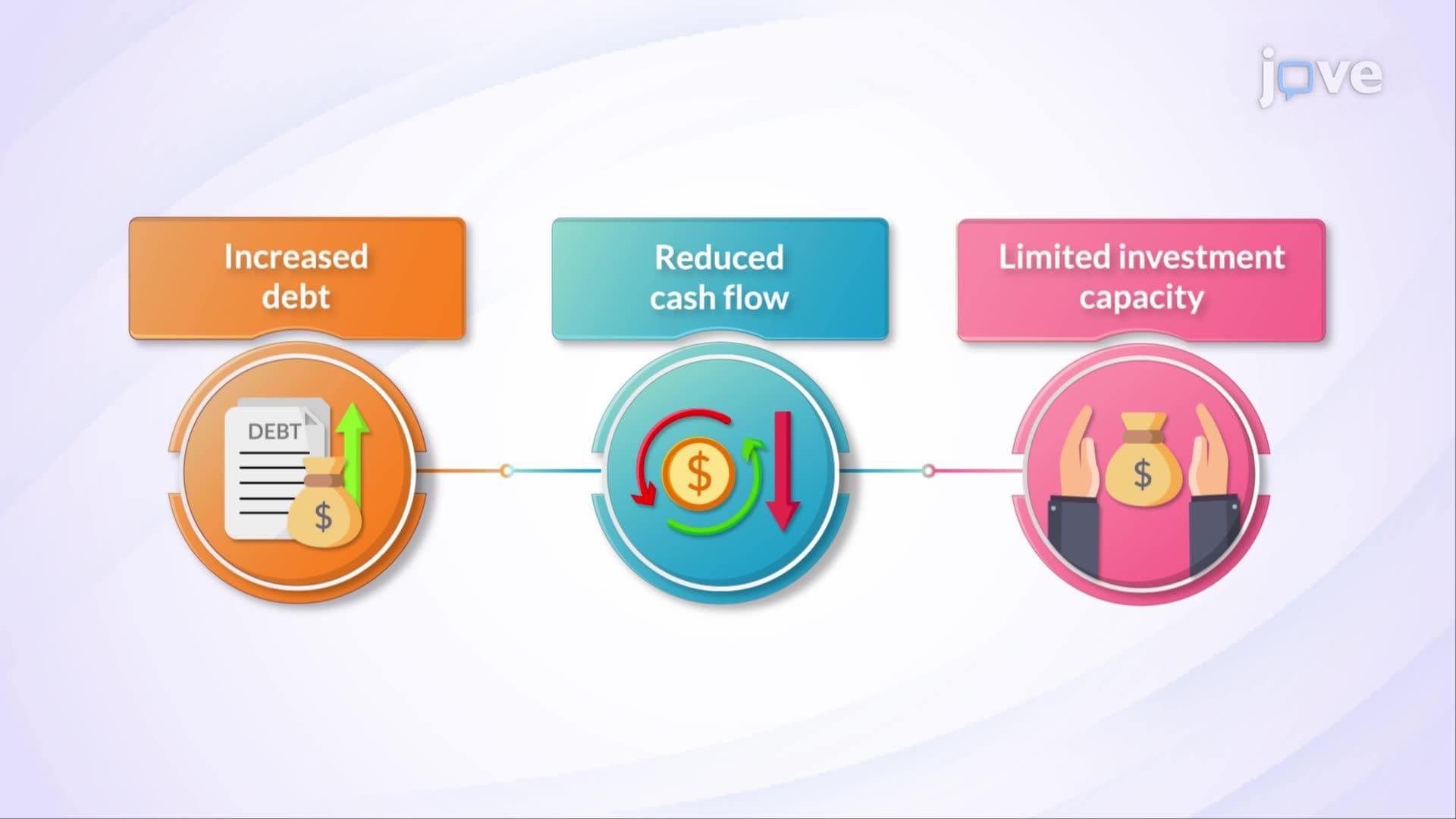
4. Financial Analysis and Accounting Treatment Comprehensive coverage of merger valuation techniques including purchase price allocation, goodwill calculation, and fair value assessments under US GAAP standards. Through detailed financial modeling examples, professionals learn to evaluate target companies, assess acquisition premiums, and structure deals that optimize tax efficiency while maintaining accounting compliance. This section emphasizes practical application of due diligence processes, financial statement analysis, and integration cost estimation for accurate deal economics evaluation.
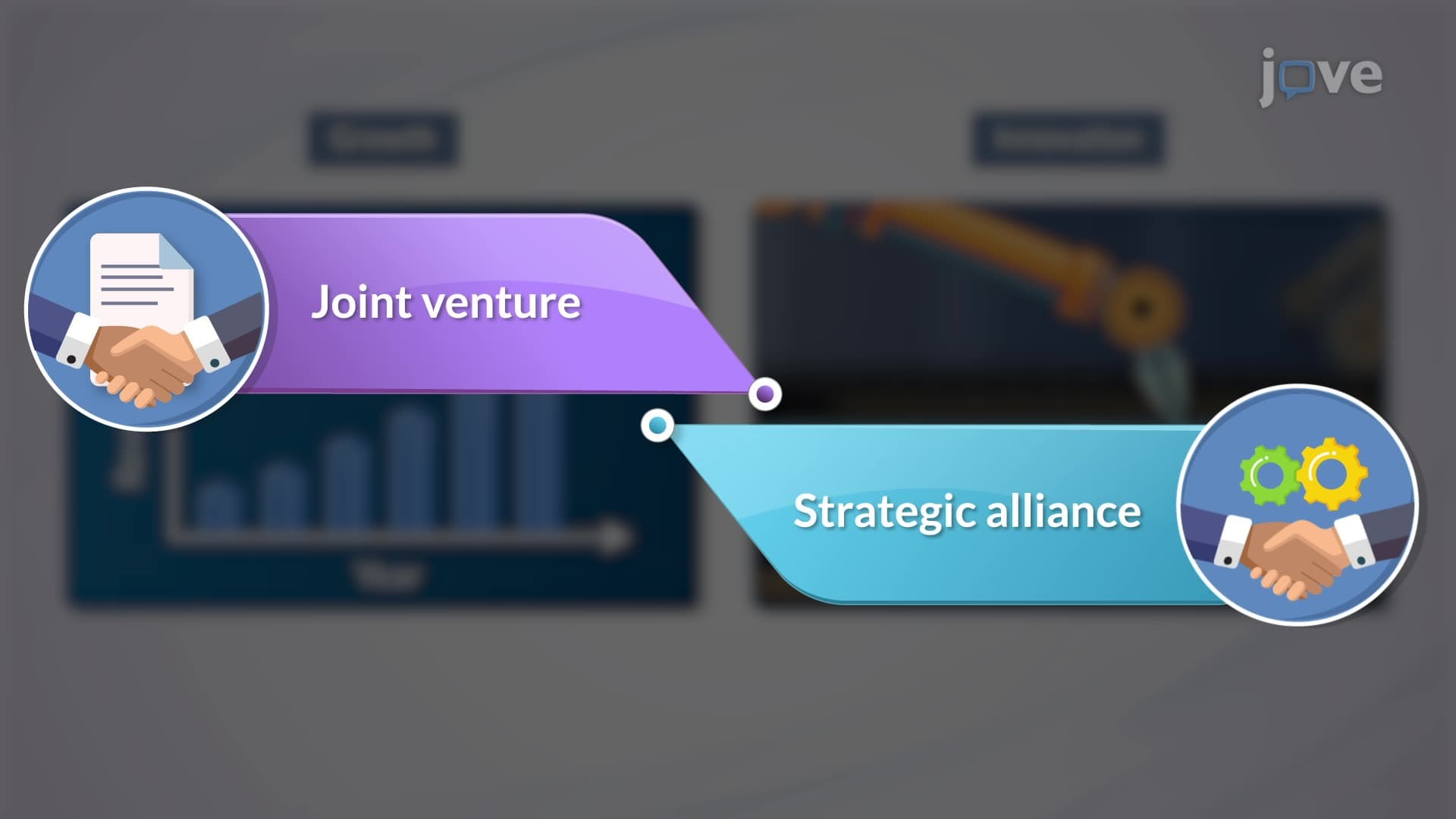
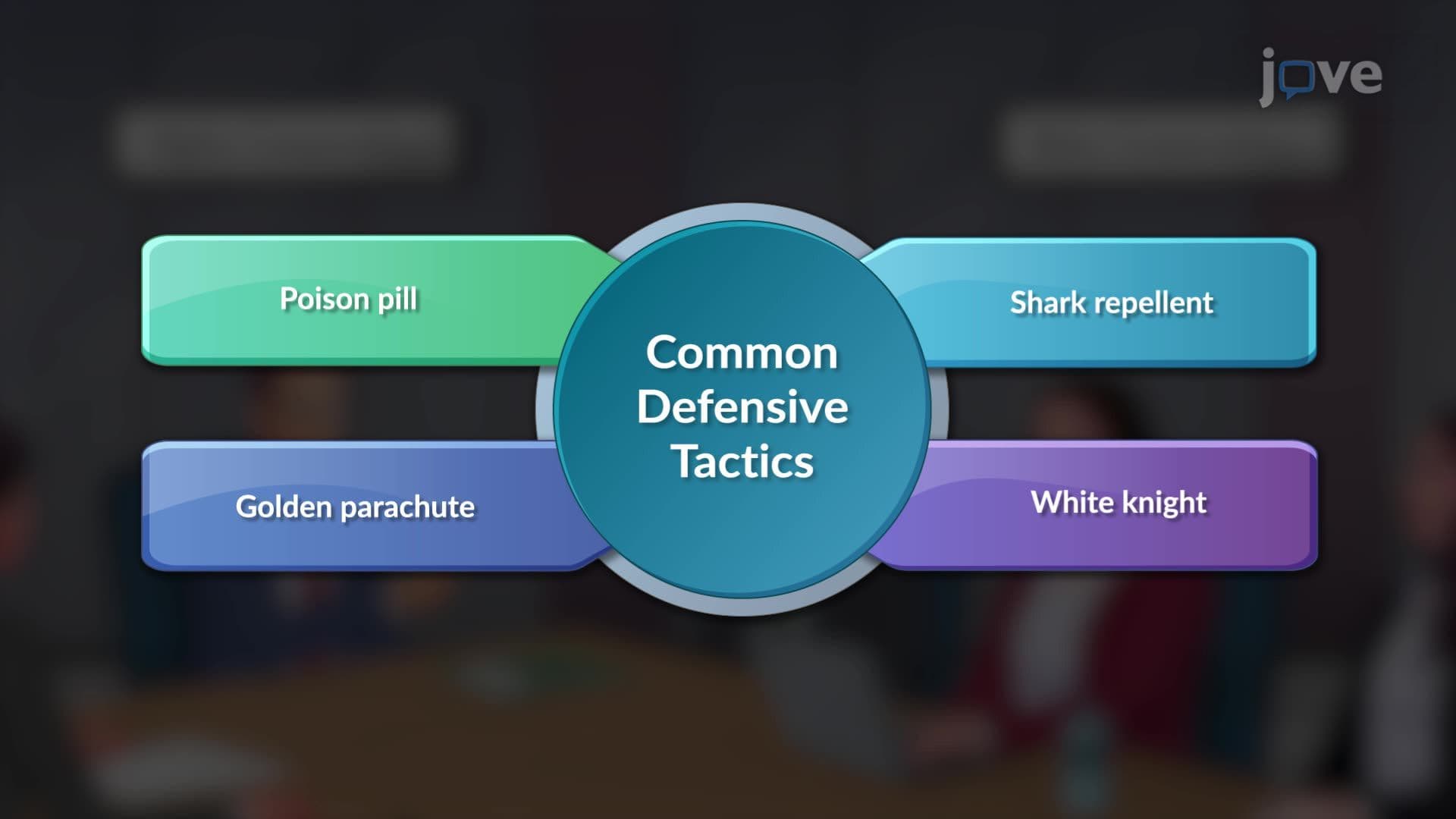
5. Defense Strategies and Alternative Structures Analysis of defensive tactics including poison pills, shark repellents, and white knight strategies, illustrated through Airgas's successful defense against Air Products' hostile takeover attempt. This section also explores joint ventures and strategic alliances as alternatives to full acquisitions, using Sony-Ericsson and Spotify-Uber partnerships as practical examples. Professionals gain frameworks for evaluating when defensive measures protect shareholder value versus when strategic alternatives better achieve growth objectives without integration risks.
6. Corporate Restructuring and Portfolio Optimization Examination of corporate restructuring strategies including divestitures, spin-offs, and operational restructuring for enhanced focus and value creation. General Electric's 2021 three-way split and Johnson & Johnson's consumer health division spin-off demonstrate how strategic portfolio management drives shareholder returns. This section provides practical methodologies for evaluating underperforming assets, optimizing capital allocation, and executing complex restructuring transactions that align with evolving market conditions and strategic priorities.