Loading concepts…


18 Concepts
14 Concepts
21 Concepts
28 Concepts
12 Concepts
17 Concepts
21 Concepts
10 Concepts
36 Concepts
16 Concepts
7 Concepts
9 Concepts
11 Concepts
11 Concepts
12 Concepts
26 Concepts
20 Concepts
 21 Concepts
 6.1K Views
 Popular topics

















Capital budgeting enables working professionals to evaluate long-term investment opportunities and maximize shareholder value through systematic financial analysis. JoVE Coach delivers practical frameworks for assessing project profitability, risk, and resource allocation decisions. Learn proven techniques used by Fortune 500 companies like Amazon and AutoTech Inc. to make strategic investment choices that drive sustainable business growth.
1. Capital Budgeting Fundamentals and Strategic Decision Framework Capital budgeting provides the analytical foundation for evaluating long-term investments that shape organizational growth and competitive positioning. This comprehensive approach examines how companies like Blue Construction Company assess heavy machinery investments by analyzing initial costs, maintenance expenses, equipment lifespan, and incremental revenue potential. The framework integrates risk assessment with financial projections to ensure alignment with strategic objectives. Understanding these fundamentals enables professionals to make informed decisions about resource allocation, maximize profitability, and drive sustainable competitive advantages in dynamic market environments.
2. Investment Decision Methods and Risk Assessment Principles Investment decision-making requires systematic evaluation of opportunities to allocate capital for maximum returns while managing associated risks. BrightMart Electronics demonstrates this approach when considering e-commerce platform development, analyzing setup costs, operational expenses, revenue projections, cybersecurity threats, and competitive positioning. The methodology compares potential benefits against costs and risks to determine investment viability. This structured approach ensures that capital deployment decisions support long-term organizational objectives while maintaining appropriate risk-return profiles across diverse business initiatives and market conditions.
3. Net Present Value (NPV) Analysis and Present Value Calculations Net Present Value methodology represents the cornerstone of modern capital budgeting, calculating the difference between present value of cash inflows and initial investment requirements. Electronic manufacturing companies utilize NPV to evaluate projects requiring $100,000 investments with projected $30,000 annual cash flows over five-year periods. The technique incorporates discount rates reflecting investment risk and opportunity cost of capital to enable accurate project comparison. NPV analysis provides quantitative frameworks for measuring expected financial returns in present-day values, facilitating informed decision-making across multiple project alternatives and investment scenarios.
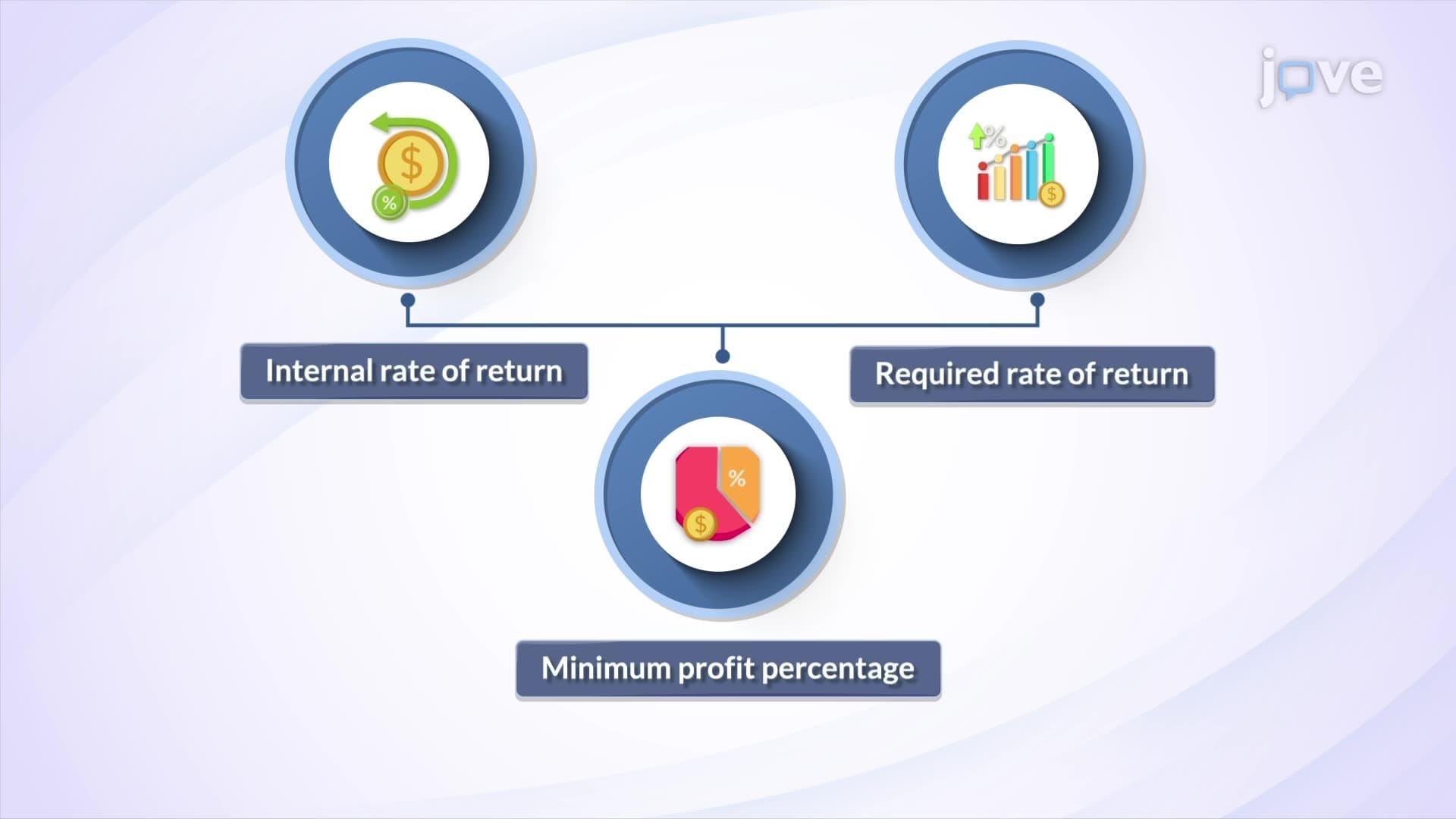
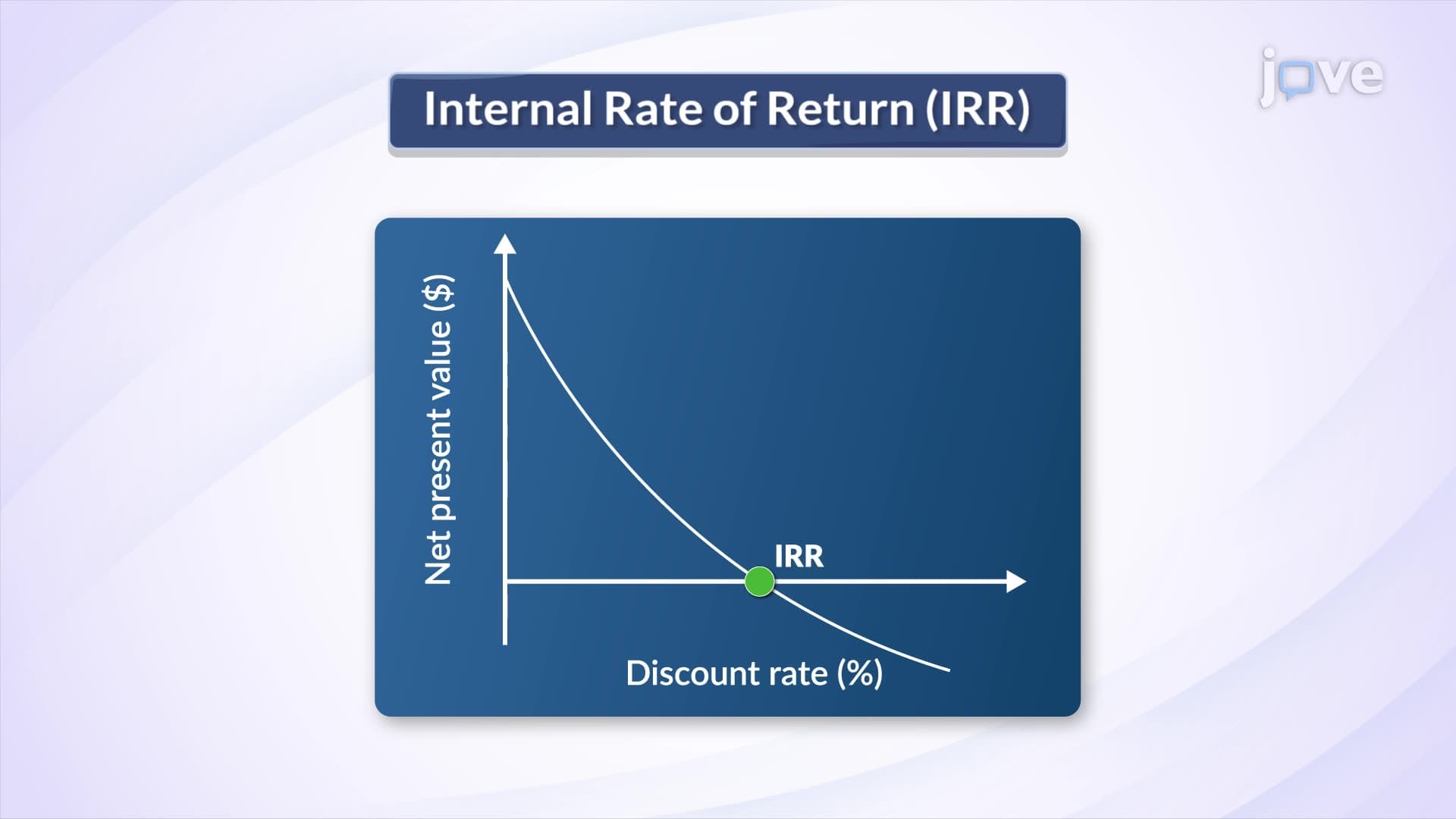
4. Internal Rate of Return (IRR) and Profitability Benchmarking Internal Rate of Return calculates the break-even interest rate where present value of cash inflows equals initial investment, providing a standardized profitability metric for project comparison. Pharmahealth company applies IRR methodology when evaluating new drug development investments, determining expected compound annual returns based on projected cash flows. The IRR of 15.24% enables comparison against required rates of return to assess project viability. This technique offers single percentage figures representing expected annual returns, making it easier to compare different investments regardless of size or duration while supporting strategic capital allocation decisions.
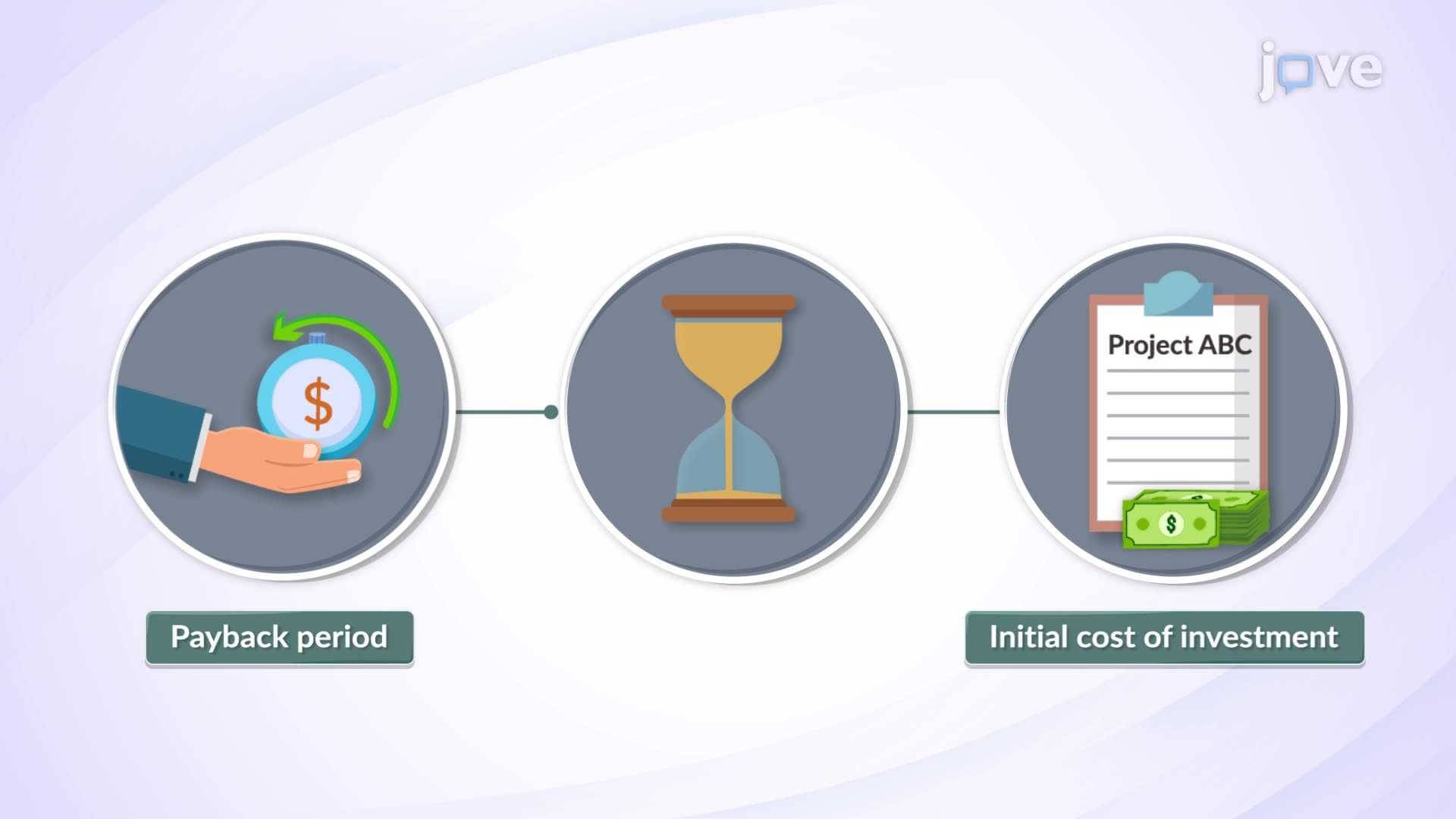
5. Payback Period Analysis and Cash Flow Recovery Assessment Payback period analysis determines the time required to recover initial investment costs through project cash flows, providing quick assessment tools for investment opportunities. Charlie's lemonade stand example demonstrates simple payback calculation: $100 initial cost divided by $25 daily earnings equals four-day recovery period. Companies utilize payback analysis for equipment purchases and project screening, particularly when seeking rapid capital recovery. While this method offers simplicity and ease of calculation, professionals must recognize limitations including ignored time value of money and post-payback profitability considerations when making comprehensive investment decisions.
6. Profitability Index and Capital Constraint Optimization Profitability Index methodology divides present value of future cash inflows by initial investment requirements to evaluate project attractiveness under capital constraints. AutoTech Inc. demonstrates this approach when choosing between robotic assembly line investments ($800,000 with $1M present value) versus electric vehicle battery development ($500,000 with $650,000 present value). Project B's PI of 1.3 exceeds Project A's 1.25, indicating superior returns relative to investment costs. This metric enables effective resource allocation when capital availability limits project selection, though professionals should combine PI analysis with other financial metrics for comprehensive investment evaluation.