Loading subject page…


6,069 views

Video Summary: What Is Payback Period
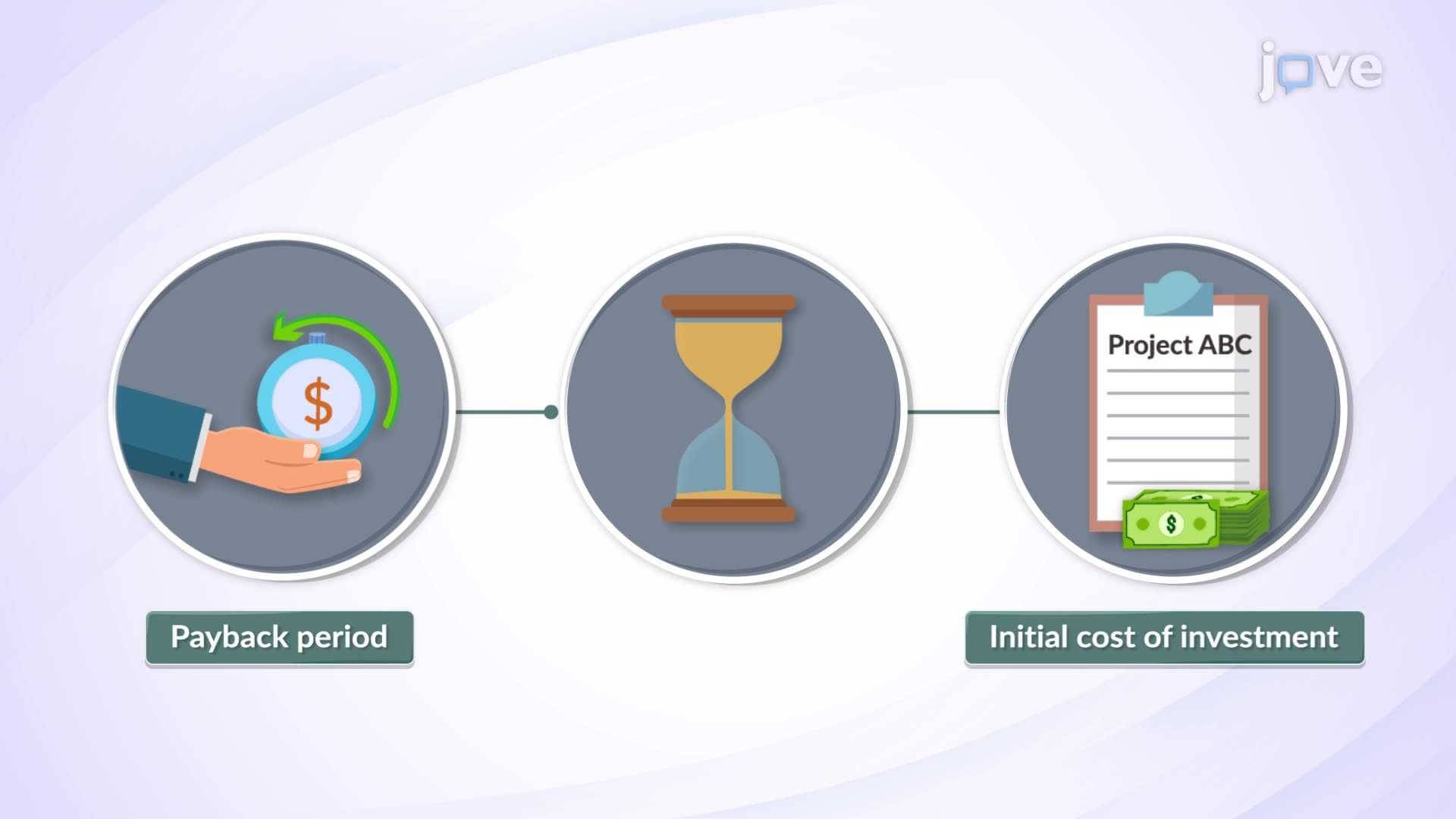
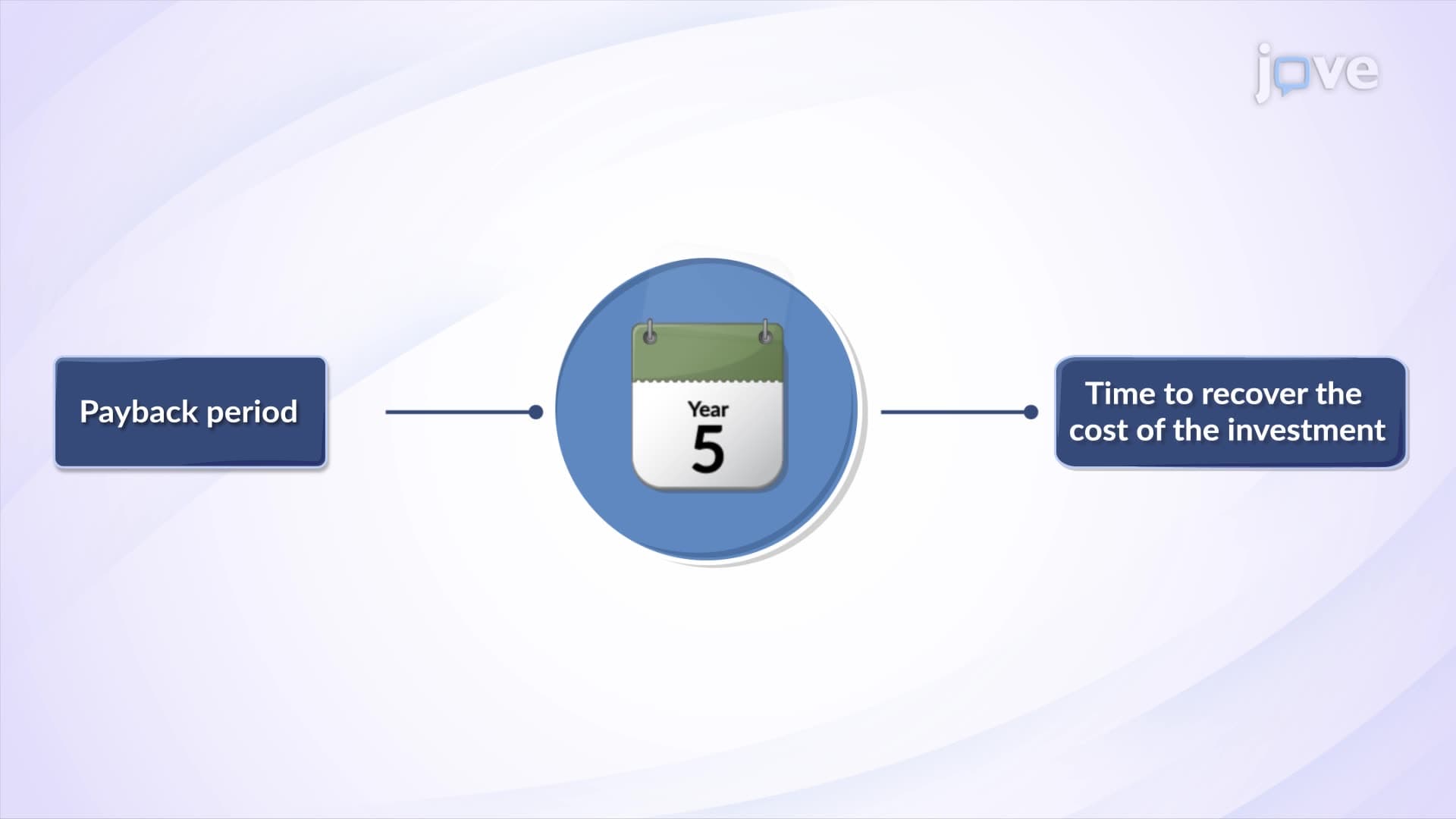
Corporate finance teams increasingly rely on payback period analysis to evaluate capital investments in today's competitive landscape. The payback period definition explained centers on determining how long it takes to recover initial investment costs through cash inflows. Companies like General Electric use this metric when assessing manufacturing equipment purchases, calculating the years needed to recoup expenditures through operational savings. Watch the full video on JoVE Coach to master this concept with expert-led visuals and step-by-step explanations.
When Walmart evaluates store renovation investments or Amazon assesses warehouse automation projects, they rely on fundamental capital budgeting metrics to guide multi-million dollar decisions. The payback period serves as a critical first-pass filter, helping finance teams identify how quickly investments generate positive cash flows to offset initial expenditures.
Modern businesses face increasingly complex investment landscapes where traditional payback period overview approaches require sophisticated interpretation. Manufacturing companies like Ford Motor Company use payback analysis when evaluating production line upgrades, but they layer additional considerations including competitive positioning, market timing, and technological obsolescence risks.
The payback period concept explained becomes particularly valuable during economic uncertainty when cash preservation takes precedence over long-term returns. Private equity firms and venture capital organizations frequently apply shortened payback requirements during market downturns, effectively filtering out projects that tie up capital for extended periods.
Technology companies face unique challenges where traditional payback calculations may inadequately capture value creation. Microsoft's cloud infrastructure investments, for example, generate cascading revenue streams that extend far beyond initial recovery periods. Finance leaders must adapt payback period study guide principles to account for network effects, scalability benefits, and competitive moats.
Healthcare organizations like Kaiser Permanente utilize payback analysis for medical equipment acquisitions, but they incorporate patient outcome improvements and regulatory compliance benefits that traditional cash flow models might overlook. These qualitative factors often justify longer payback periods when strategic value exceeds pure financial returns.
Sophisticated organizations integrate payback period analysis into comprehensive capital allocation frameworks. Companies like Berkshire Hathaway combine payback metrics with discounted cash flow models, creating multi-dimensional evaluation criteria that balance liquidity concerns with long-term value creation. This integrated approach enables more nuanced decision-making when comparing projects with varying risk profiles, investment horizons, and strategic importance.
Related Micro-courses