Loading video…


 21 Concepts
 6.1K views

Video Summary: Decision Making Through Average Rate Explained
Decision making through average rate analysis drives critical capital allocation decisions across industries, from healthcare systems investing millions in new technology to manufacturing giants evaluating production line upgrades. Companies like Johnson & Johnson rely on Average Rate of Return (ARR) calculations to ensure every investment dollar generates returns that exceed their cost of capital and strategic benchmarks. This systematic approach to Decision Making Through Average Rate Explained helps executives compare competing projects and align financial commitments with long-term growth objectives. Watch the full video on JoVE Coach to master this concept with expert-led visuals and step-by-step explanations.
Modern executives face increasingly complex capital allocation decisions as competition intensifies and stakeholder expectations rise. The Average Rate of Return (ARR) provides a straightforward framework for evaluating investment opportunities, particularly valuable when presenting to boards or stakeholders who prefer easily interpretable metrics over complex discounted cash flow models.
The ARR methodology centers on a simple but powerful principle: ARR = (Average Annual Profit / Initial Investment) × 100. This calculation transforms complex multi-year projections into a single percentage that executives can quickly benchmark against industry standards, cost of capital, or alternative investment opportunities.
Consider how Walmart approaches store expansion decisions. When evaluating a new distribution center requiring $50 million in capital, management projects average annual profit increases of $12 million over the facility's useful life. The resulting 24% ARR significantly exceeds their typical 15% required return threshold, supporting the investment decision while demonstrating clear value creation to shareholders.
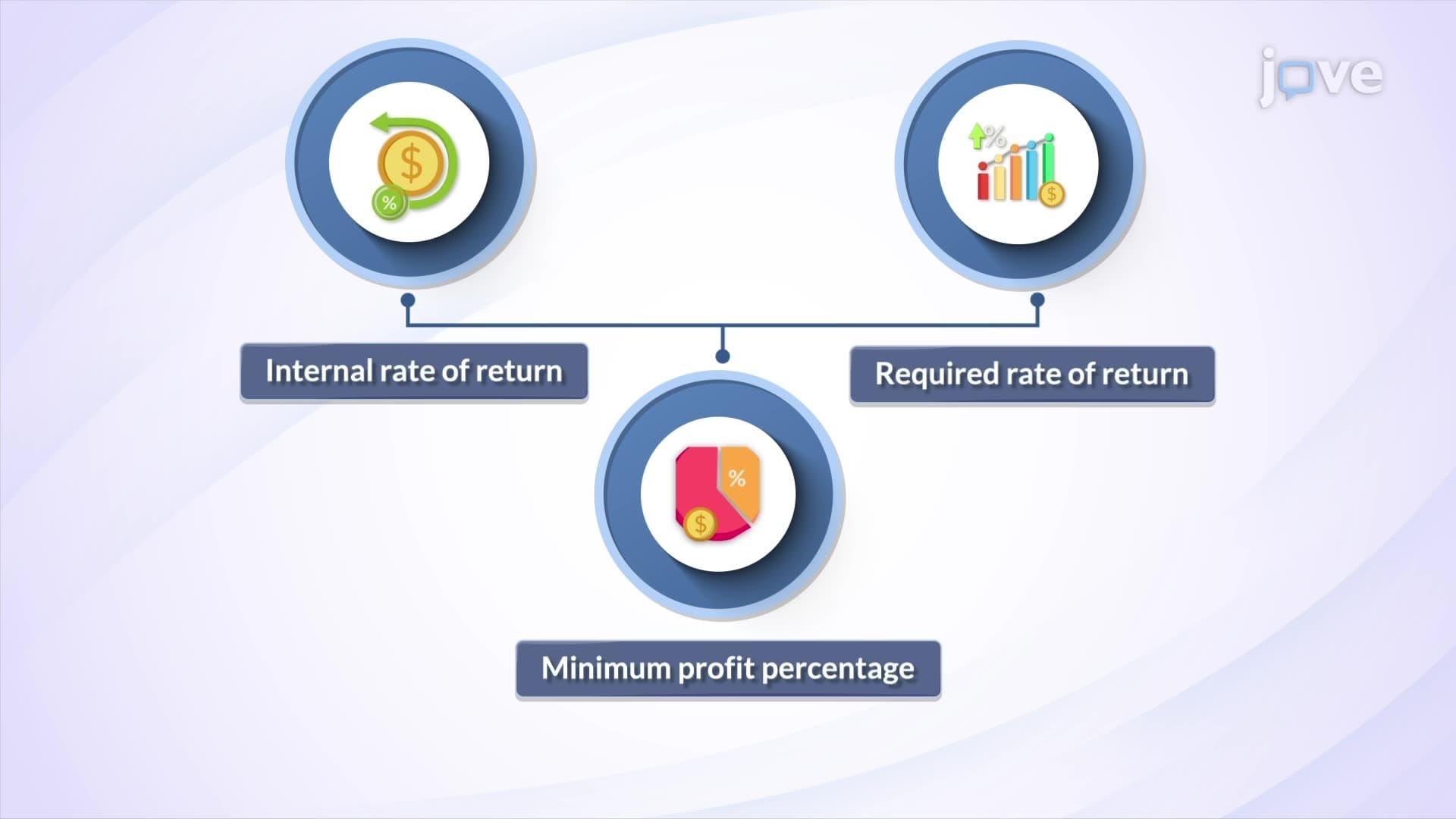
Smart organizations establish required return rates that reflect their industry position, risk profile, and strategic objectives. Technology companies like Microsoft might require 20-25% returns on new product development investments, while utilities such as Consolidated Edison operate with lower thresholds reflecting their stable, regulated revenue streams.
The ARR comparison process forces managers to articulate why specific projects deserve scarce capital resources. When CVS Health evaluates pharmacy technology upgrades, they compare ARR results against both internal hurdle rates and industry benchmarks to ensure competitive positioning while maintaining profitability standards.
Sophisticated organizations use ARR analysis as part of broader portfolio optimization strategies. General Electric's former approach to business unit evaluation exemplified this principle-divesting operations that consistently generated returns below corporate thresholds while investing heavily in segments exceeding ARR targets.
This systematic approach prevents emotional decision-making and ensures capital flows toward opportunities with highest strategic and financial impact, ultimately driving sustainable competitive advantage through disciplined resource allocation.
Related Micro-courses