Loading video…


 21 Concepts
 6.1K views

Video Summary: Choosing Between Projects Mutually Exclusive Explained
When Fortune 500 companies face limited capital and competing investment opportunities, choosing between projects mutually exclusive becomes a critical strategic decision that can determine market position and shareholder returns. Amazon's choice between expanding cloud infrastructure versus retail fulfillment centers exemplifies how mutually exclusive project selection impacts long-term competitive advantage. "Choosing Between Projects Mutually Exclusive Explained" demonstrates the NPV methodology that drives billion-dollar allocation decisions in corporate boardrooms. Watch the full video on JoVE Coach to master this concept with expert-led visuals and step-by-step explanations.
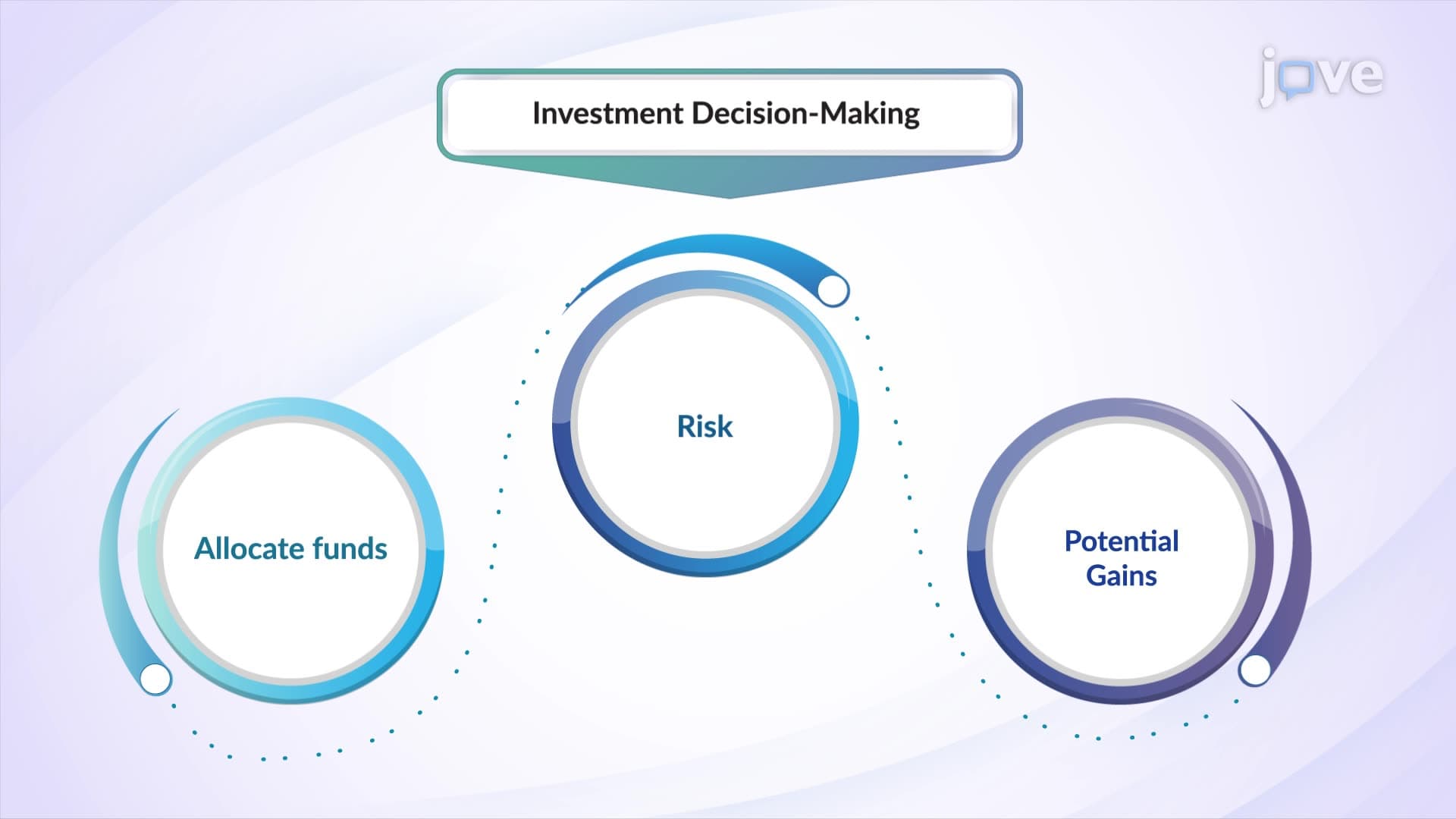
In today's capital-constrained business environment, executives routinely face scenarios where choosing between projects mutually exclusive determines competitive positioning and shareholder value creation. Unlike independent projects that can be pursued simultaneously, mutually exclusive investments compete directly for the same resources, market opportunity, or strategic focus-making the selection process a high-stakes business decision.
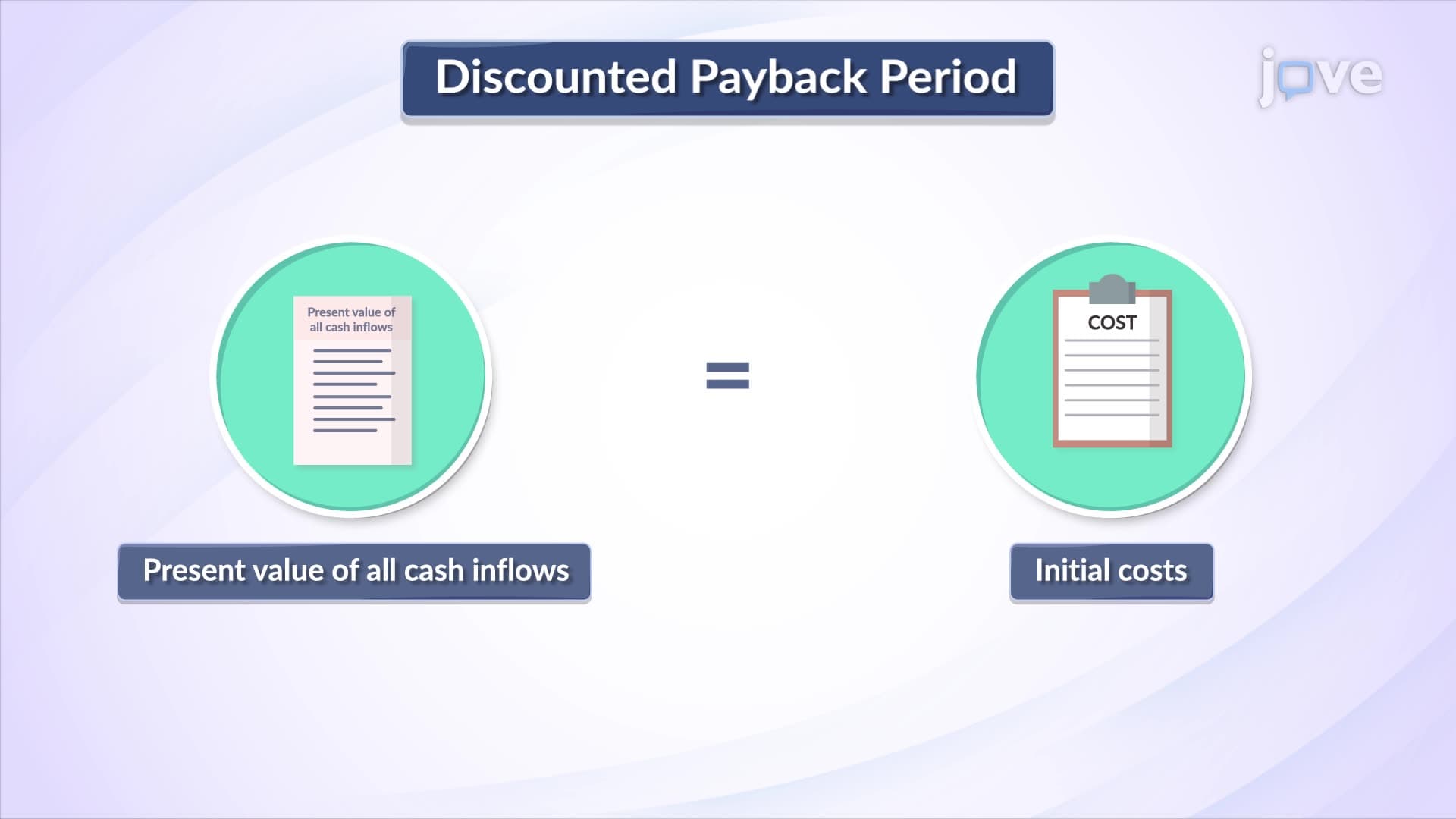
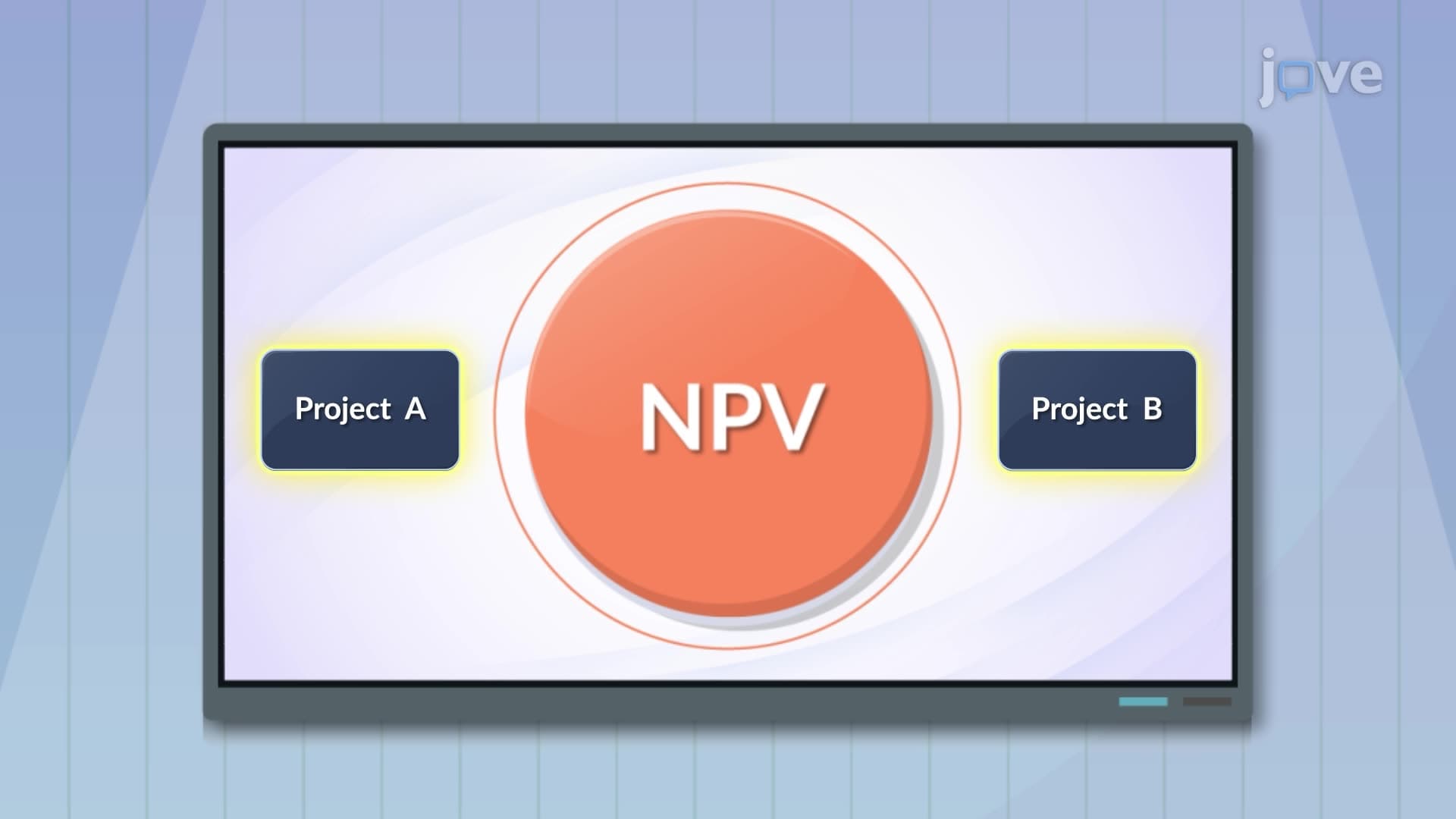
Corporate finance teams rely on Net Present Value analysis as the gold standard for mutually exclusive project evaluation. This methodology discounts future cash flows to present value using the company's weighted average cost of capital, enabling direct comparison between projects with different investment timelines and cash flow patterns. When General Motors chose between investing in electric vehicle production versus traditional combustion engine capacity in 2020, NPV analysis guided their $27 billion commitment to EV technology-a decision that repositioned the company in the rapidly evolving automotive market.
Consider Intel's ongoing choice between advancing current semiconductor manufacturing processes versus investing in next-generation chip architectures. Each option requires substantial capital investment in specialized facilities and R&D capabilities. The company cannot pursue both strategies simultaneously due to resource constraints and strategic focus requirements. Using NPV analysis with appropriate discount rates reflecting technology risk and market conditions, Intel's leadership evaluates which path generates superior long-term shareholder returns while maintaining competitive advantage against TSMC and Samsung.
While NPV provides quantitative guidance, successful executives also consider qualitative factors when choosing between projects mutually exclusive. Market timing, competitive response, regulatory environment, and organizational capabilities all influence the final decision. Microsoft's choice to prioritize cloud infrastructure investment over consumer hardware expansion demonstrates how strategic vision combined with rigorous financial analysis drives value-creating capital allocation decisions that reshape entire business models.
Related Micro-courses