Loading video…


 21 Concepts
 6.1K views

Video Summary: Decision Making Through Net Present Value Explained
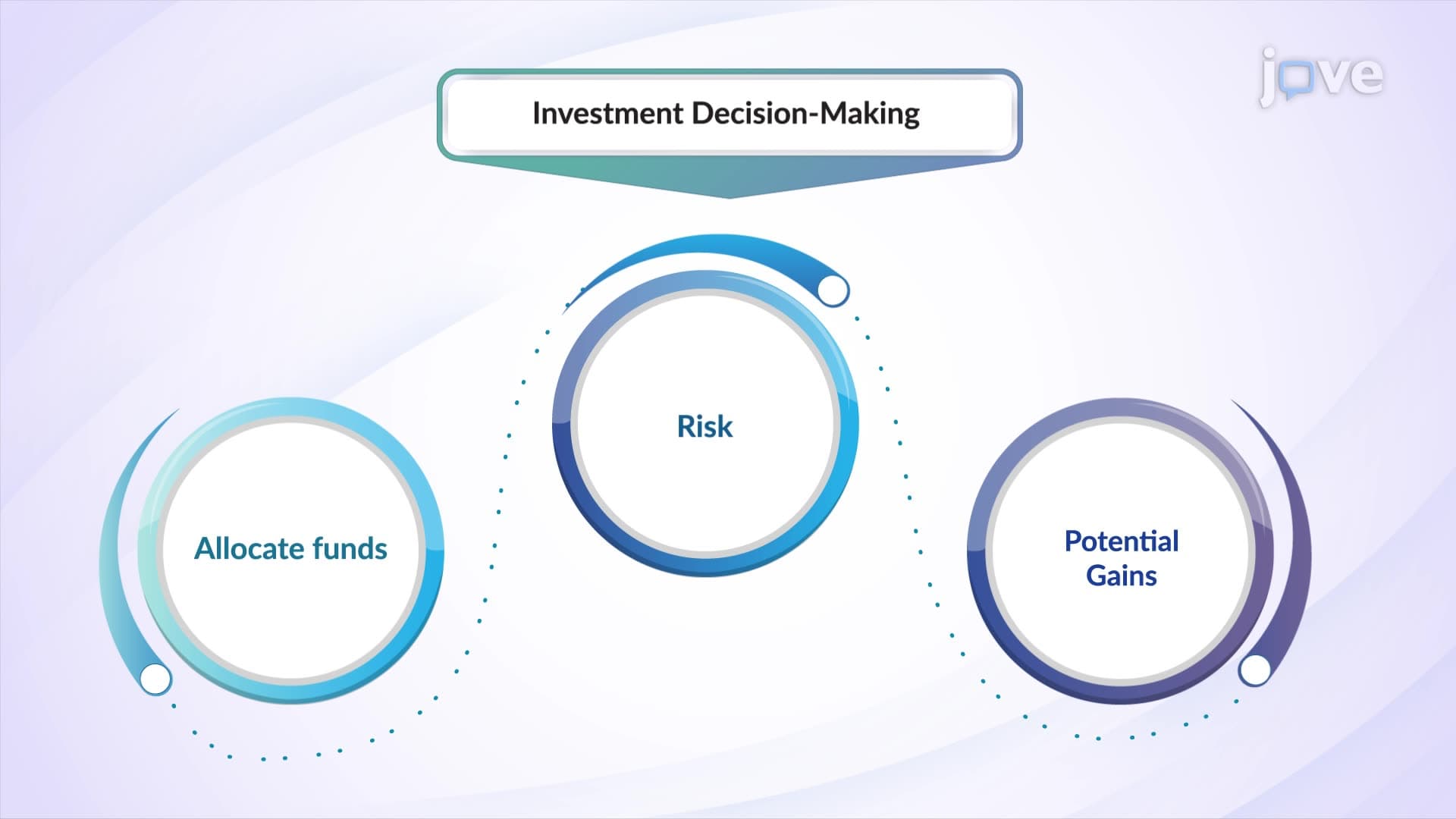
Decision making through net present value drives capital allocation strategies across major US corporations, from Apple's $100+ billion R&D investments to JPMorgan Chase's technology infrastructure decisions. This financial analysis framework enables executives to evaluate competing projects by comparing their profitability potential against initial investment costs. Decision Making Through Net Present Value Explained provides the quantitative foundation for strategic resource allocation in competitive markets. Watch the full video on JoVE Coach to master this concept with expert-led visuals and step-by-step explanations.
When Microsoft decides whether to invest $2 billion in a new cloud infrastructure project or Amazon evaluates expanding its fulfillment network, both companies rely on NPV analysis to guide these critical capital allocation decisions. Net Present Value provides executives with a quantitative framework that cuts through subjective opinions and delivers clear financial metrics for comparing investment opportunities.
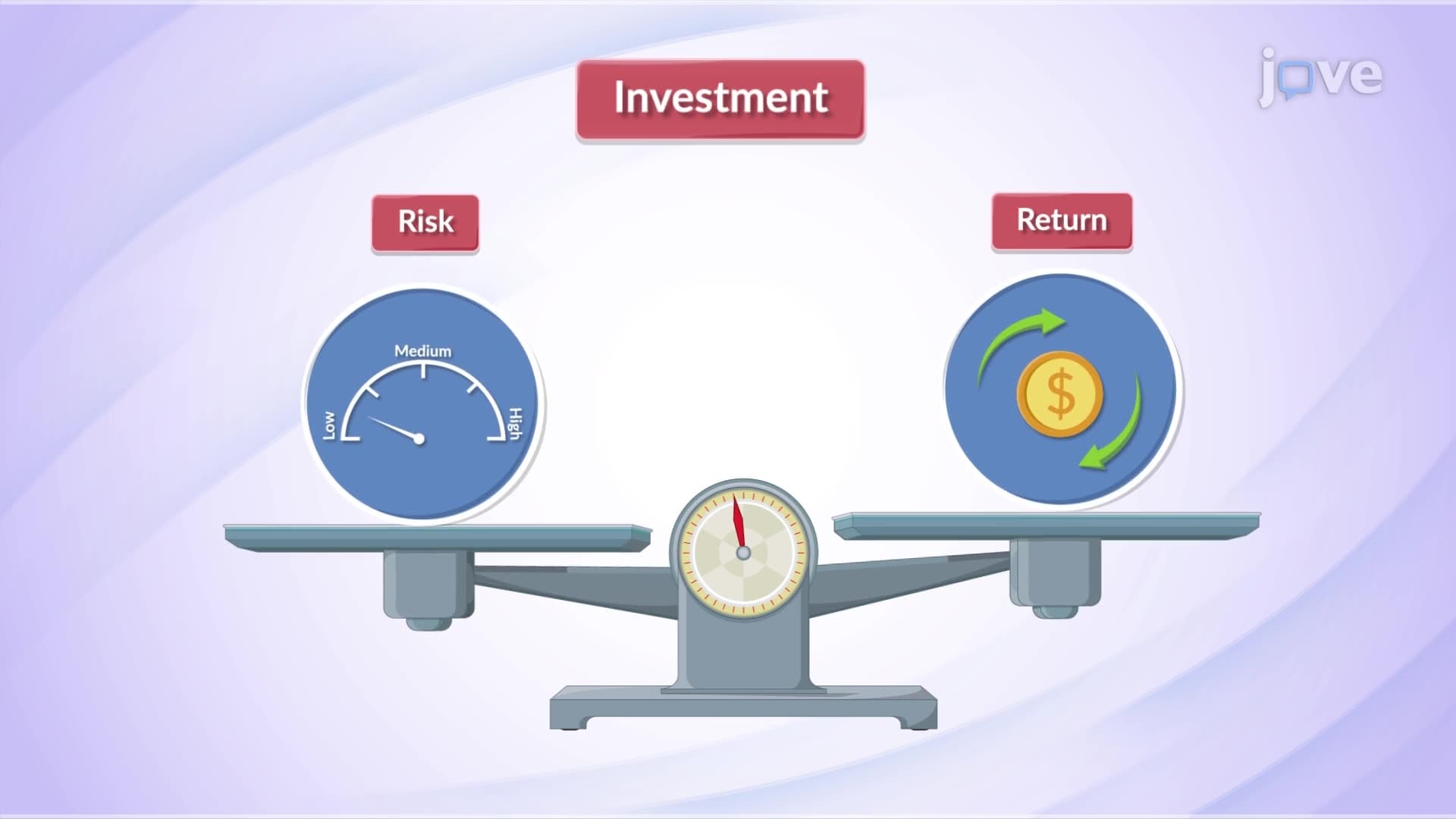
NPV analysis transforms future cash flow projections into today's dollars, enabling direct comparison between projects with different timelines, risk profiles, and capital requirements. This methodology proves essential when companies face competing priorities-should Tesla invest in battery technology research or expand manufacturing capacity? NPV analysis provides the financial clarity needed for these strategic trade-offs.
The discount rate selection becomes crucial in professional practice. Companies like Goldman Sachs typically use their weighted average cost of capital (WACC) as the baseline, but may adjust rates based on project-specific risks. Technology ventures might warrant 15-20% discount rates due to market volatility, while utility infrastructure projects might use 8-10% rates reflecting their stable cash flow patterns.
Consider Starbucks evaluating a new market expansion requiring $5 million in initial investment. The company projects annual cash flows of $1.2 million over seven years, using a 12% discount rate reflecting market competition risks. The NPV calculation-discounting each year's $1.2 million cash flow and subtracting the initial $5 million-yields approximately $550,000 positive NPV, supporting the expansion decision.
Professional analysts must consider sensitivity scenarios: How does NPV change if cash flows decrease 20% due to competitive pressure? What if the discount rate increases to 15% due to rising interest rates? These analyses inform risk management strategies and contingency planning.
Leading corporations use NPV analysis within broader portfolio optimization strategies. General Electric's former conglomerate model relied heavily on NPV comparisons across diverse business units-from aviation to healthcare-to allocate capital toward highest-return opportunities. Today's focused companies apply similar NPV frameworks to product development, geographic expansion, and digital transformation initiatives.
Related Micro-courses