Loading video…


 21 Concepts
 6.1K views

Video Summary: What Is Profitability Index
Capital allocation decisions determine the trajectory of American corporations, with executives at companies like Apple and Microsoft evaluating billions in investment opportunities annually. The profitability index serves as a critical financial metric that enables leaders to systematically compare projects of varying scales and timeframes. This ratio-based tool accounts for the time value of money while providing a standardized framework for investment evaluation. Watch the full video on JoVE Coach to master this concept with expert-led visuals and step-by-step explanations.
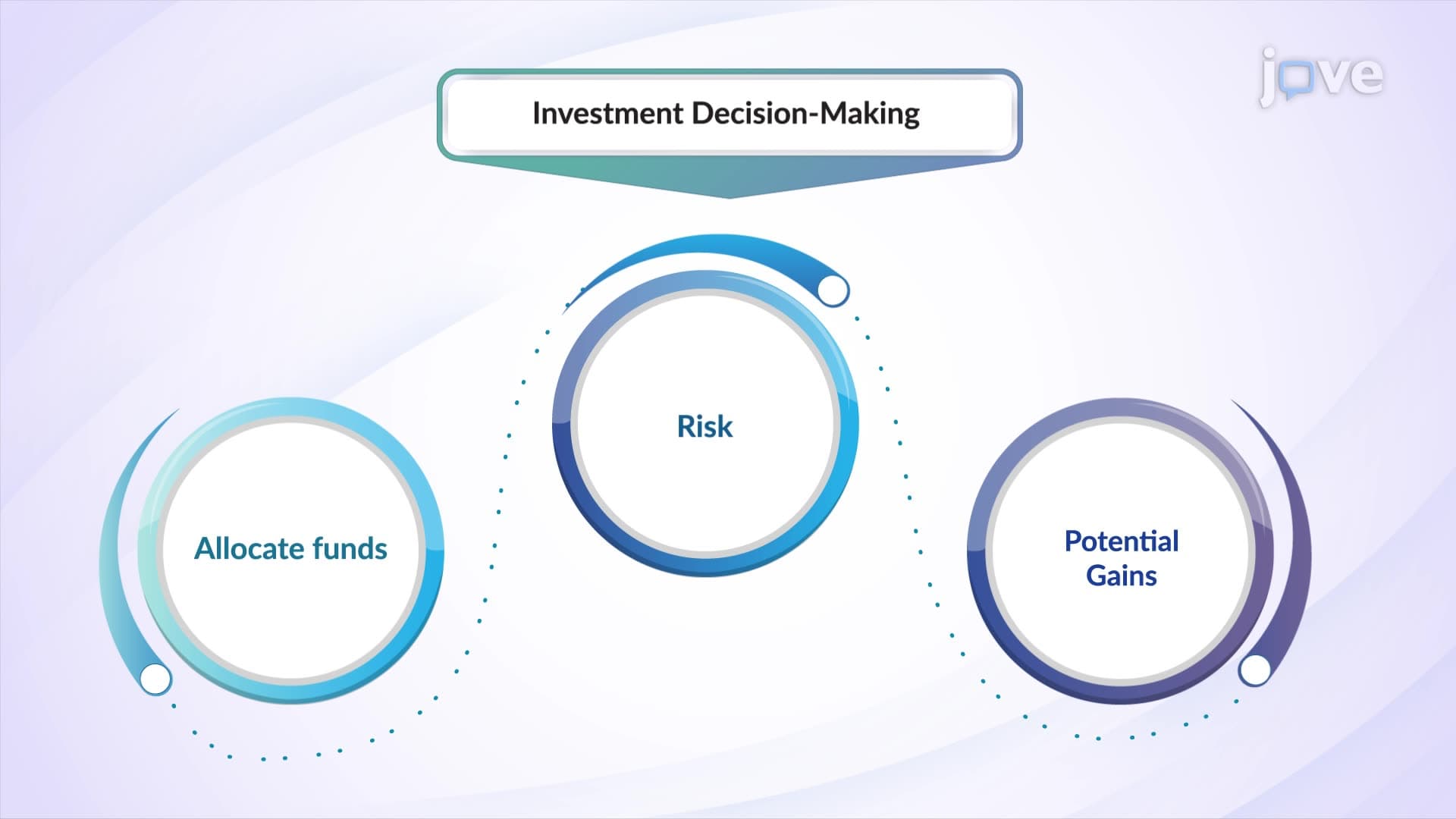
When Amazon evaluates whether to build a new fulfillment center or Netflix decides on content acquisition spending, executives rely on sophisticated financial metrics to guide multi-million dollar decisions. The profitability index emerges as a cornerstone tool in these scenarios, providing a standardized method to evaluate investment attractiveness across diverse project types.
The profitability index formula divides the present value of future cash inflows by the initial investment: PI = Present Value of Future Cash Flows ÷ Initial Investment. This calculation transforms complex cash flow projections into a simple ratio that executives can quickly interpret. A PI greater than 1.0 indicates value creation, while ratios below 1.0 suggest wealth destruction.
Consider General Electric's historical approach to capital allocation across its diverse portfolio. The company would calculate profitability indices for investments ranging from jet engine development to power plant construction, enabling leadership to rank opportunities despite vastly different scales and timelines.
The metric's strength lies in its ability to normalize investments for comparison purposes. Unlike net present value, which favors larger projects in absolute terms, profitability index reveals efficiency per dollar invested. This characteristic proves invaluable when capital constraints force executives to choose between multiple profitable opportunities.
Technology giants like Google demonstrate this principle when allocating R&D budgets. A smaller AI research project might generate a PI of 2.5, while a major cloud infrastructure expansion yields 1.8. Despite the infrastructure project's larger absolute returns, the AI investment delivers superior efficiency, informing strategic resource allocation.
Profitability index carries inherent limitations that sophisticated finance professionals must recognize. The metric ignores project scale, potentially favoring smaller, high-efficiency investments over larger opportunities that drive meaningful business transformation. Additionally, the calculation assumes a single initial investment, overlooking multi-stage projects requiring ongoing capital commitments.
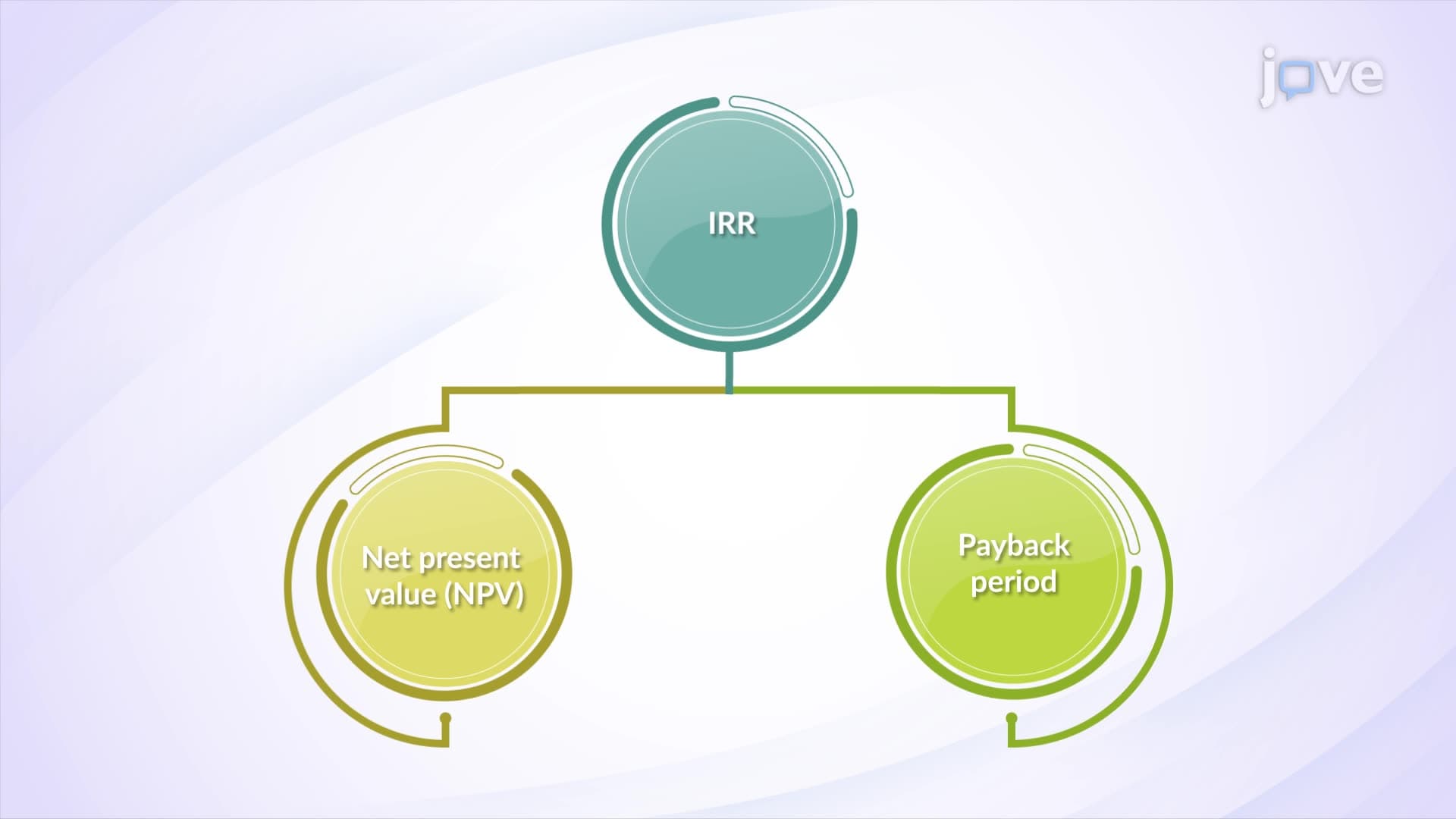
Modern corporate finance teams at companies like Tesla address these limitations by combining profitability index with complementary metrics including net present value, internal rate of return, and strategic value assessments. This comprehensive approach ensures investment decisions align with both financial efficiency and long-term competitive positioning.
Related Micro-courses