Loading concepts…


18 Concepts
14 Concepts
21 Concepts
28 Concepts
12 Concepts
17 Concepts
21 Concepts
10 Concepts
36 Concepts
16 Concepts
7 Concepts
9 Concepts
11 Concepts
11 Concepts
12 Concepts
26 Concepts
20 Concepts
 12 Concepts
 16.6K Views
 Popular topics






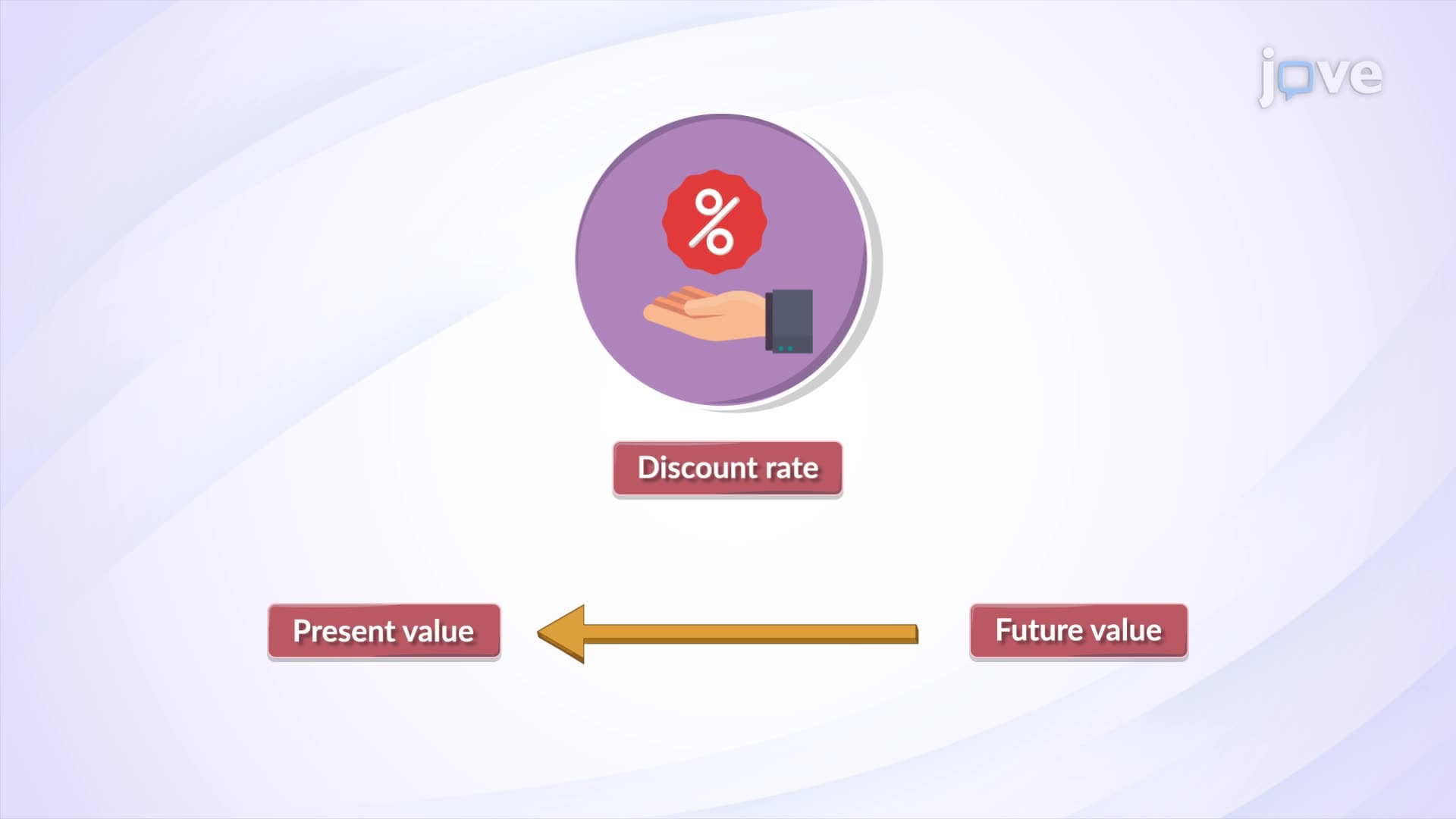
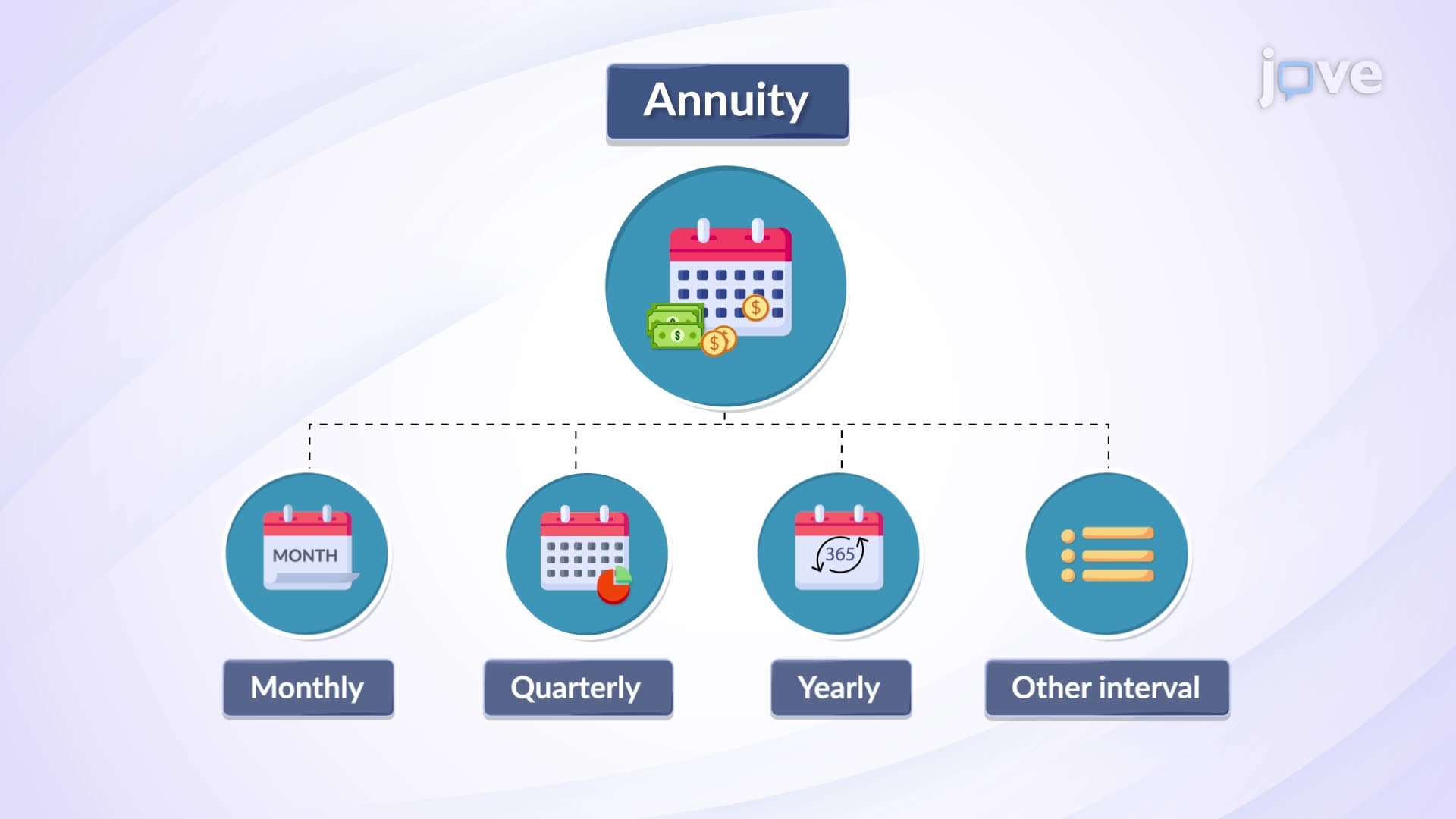



The time value of money is a fundamental financial principle stating that money available today is worth more than the same amount in the future due to its earning potential. This JoVE Coach micro-course equips working professionals with essential skills in present value future value calculations, discounting, compounding, and annuity analysis. Master these concepts to make informed investment decisions, evaluate financing options, and optimize capital allocation strategies that drive business growth and profitability.
1. Time Value of Money Fundamentals and Business Applications Understanding why a dollar today is worth more than a dollar tomorrow forms the foundation of all financial decision-making. This concept drives everything from Amazon's massive capital investments in fulfillment centers to Apple's cash management strategies. Companies like Microsoft leverage TVM principles when deciding between immediate expenditures and future investments, evaluating opportunity costs and potential returns. The principle guides businesses in timing major purchases, determining optimal financing structures, and assessing whether to pursue growth opportunities now or defer them to capture different market conditions.
2. Present Value Analysis for Investment Evaluation Present value future value calculations enable managers to compare investment alternatives on an equal footing. When Starbucks evaluates opening new locations, they discount projected future cash flows to determine if the investment exceeds the initial capital requirement. This analysis helps companies like Tesla assess whether investing in new manufacturing capacity today will generate sufficient returns. Present value calculations also guide decisions about equipment purchases, technology upgrades, and market expansion initiatives by translating future benefits into today's dollar equivalents for accurate comparison.
3. Future Value Projections and Compound Growth Planning Future value calculations help businesses plan for long-term goals and understand the power of compound growth. Companies like Berkshire Hathaway use these principles to demonstrate how reinvested earnings compound over time. When planning retirement programs, organizations calculate how employee contributions will grow through compound interest. Manufacturing companies apply future value concepts when planning equipment replacement cycles, determining how much to set aside today to fund major capital expenditures years in the future while accounting for inflation and growth rates.
4. Simple and Compound Interest in Financing Decisions Understanding the difference between simple and compound interest directly impacts borrowing and lending decisions. When negotiating commercial loans, companies must evaluate how interest compounds affect total borrowing costs. Credit card companies like American Express structure their products around compound interest principles. Businesses use these concepts when offering customer financing options, determining optimal cash management strategies, and evaluating whether to pay suppliers early for discounts versus investing excess cash in interest-bearing accounts that compound over time.
5. Discounting Techniques for Strategic Decision Making Discounting helps managers evaluate future costs and benefits in present-day terms, critical for strategic planning and resource allocation. Private equity firms regularly use discounting to value potential acquisitions, while corporations like General Electric apply these techniques when evaluating long-term contracts. The discount rate incorporates risk, inflation, and opportunity cost factors. Companies use discounting to assess lease-versus-buy decisions, evaluate the present value of long-term service contracts, and determine whether proposed projects meet minimum return thresholds for capital allocation.
6. Annuity and Perpetuity Applications in Business Valuation Annuities and perpetuities are essential for valuing ongoing cash flows and dividend-paying securities. Real Estate Investment Trusts (REITs) are often valued using perpetuity models based on consistent rental income streams. Insurance companies structure products around annuity principles, while corporations evaluate pension obligations using these calculations. Companies like Coca-Cola, with relatively stable dividend payments, are sometimes valued using perpetuity models. These concepts help businesses assess recurring revenue streams, evaluate subscription-based business models, and structure long-term compensation packages.