Loading concepts…


18 Concepts
14 Concepts
21 Concepts
28 Concepts
12 Concepts
17 Concepts
21 Concepts
10 Concepts
36 Concepts
16 Concepts
7 Concepts
9 Concepts
11 Concepts
11 Concepts
12 Concepts
26 Concepts
20 Concepts
 14 Concepts
 29.4K Views
 Popular topics



Financial markets and instruments form the backbone of modern business finance, enabling corporations like Amazon and Tesla to raise capital while providing investment opportunities for institutional and individual participants. This JoVE Coach micro-course delivers practical insights into money markets, capital markets, stocks, bonds, and derivatives that drive business growth. Learn how major exchanges like NASDAQ and NYSE facilitate trillion-dollar transactions daily.
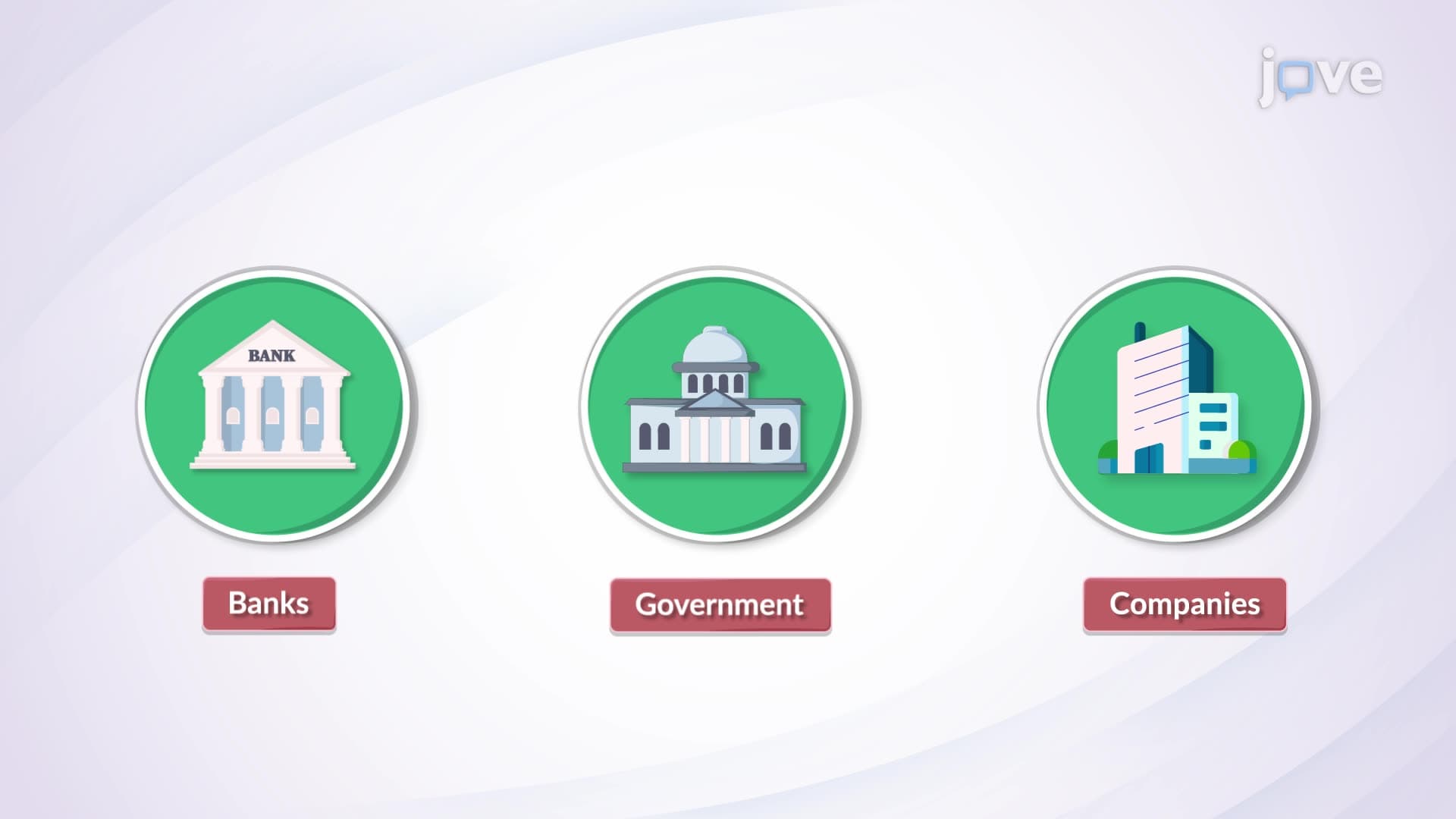
1. Financial Market Ecosystem and Structure Master how financial market structure operates through major US exchanges like NASDAQ and NYSE, where corporations access capital while investors trade securities. Understand regulatory oversight by the SEC, market participants from individual investors to institutional players, and how transparent price discovery mechanisms create efficient capital allocation. Learn practical applications for corporate financing decisions and investment strategy development in today's interconnected markets.
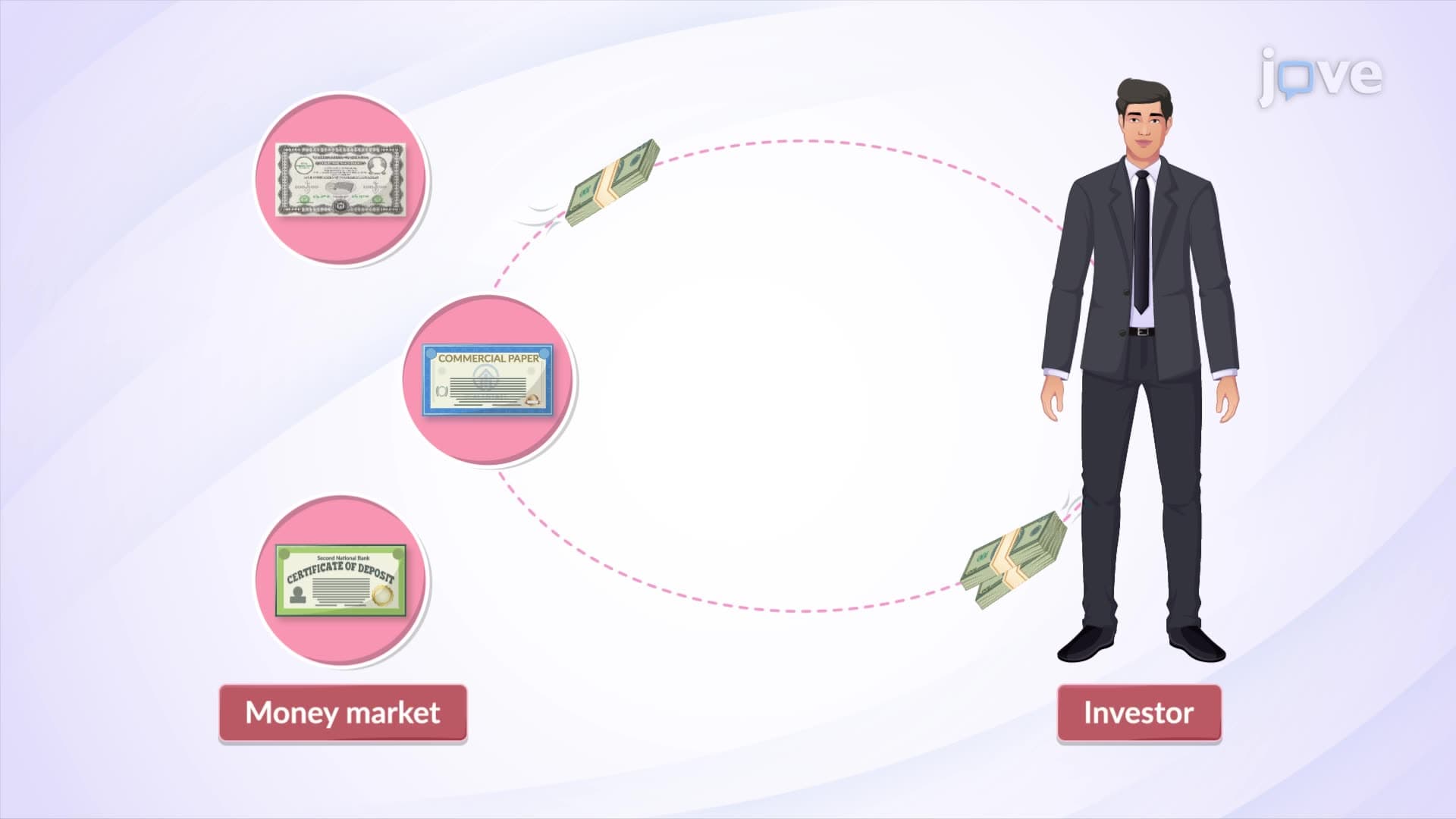
2. Money Markets and Short-Term Instruments Explore money market mechanics where Treasury bills, commercial paper, and certificates of deposit provide liquidity management solutions for corporations. Understand how companies like major banks issue CDs while corporations utilize commercial paper for working capital needs. Master the risk-return profiles of instruments with maturities under one year, enabling effective cash management and short-term investment strategies for business operations.
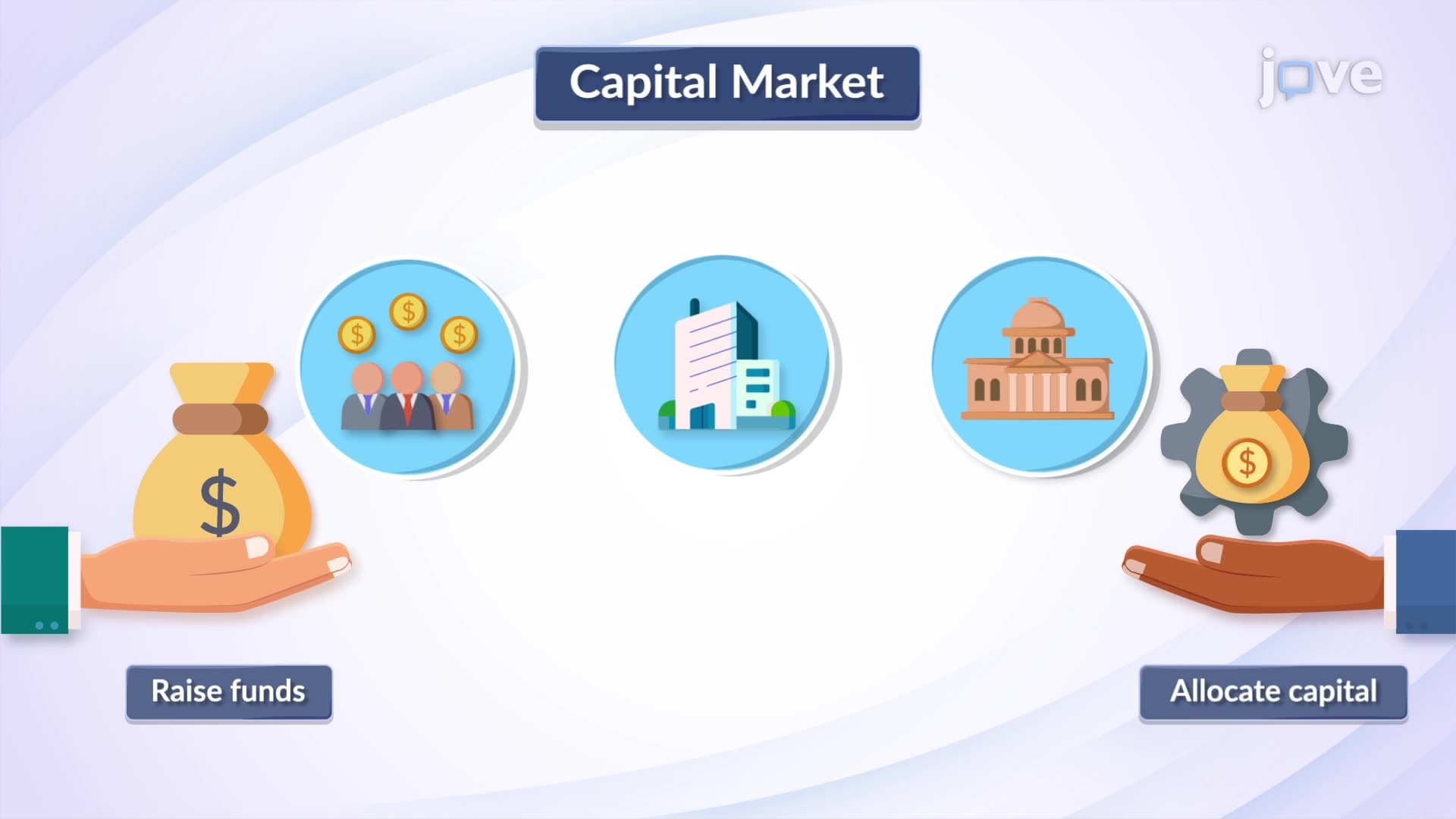
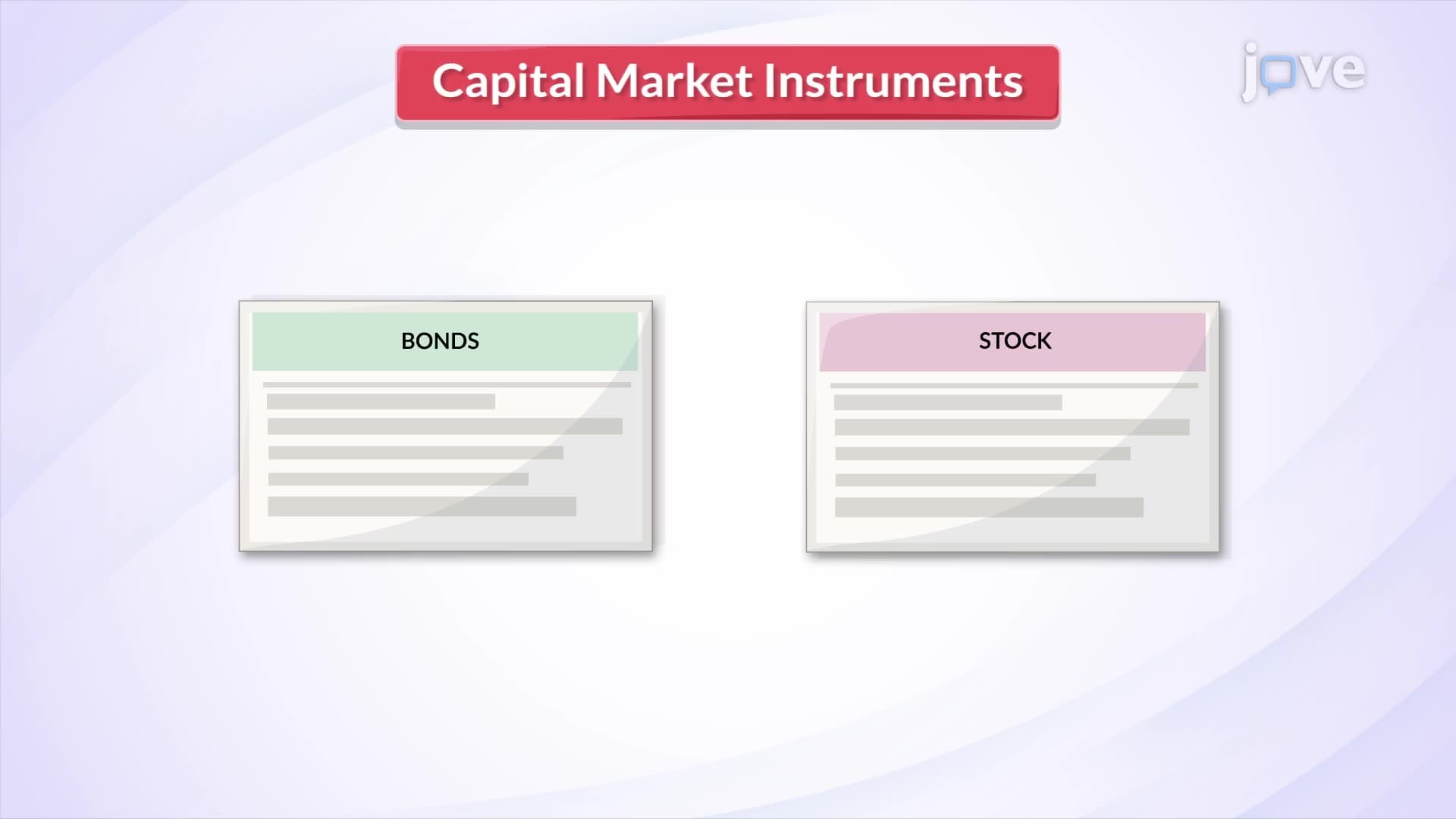
3. Capital Markets for Long-Term Financing Analyze capital market functions where companies like Amazon and Tesla raise growth capital through stock and bond issuances. Understand how the New York Stock Exchange facilitates long-term securities trading, enabling businesses to access patient capital for expansion, R&D, and strategic initiatives. Learn to evaluate capital market conditions for optimal timing of financing activities and investment decisions.
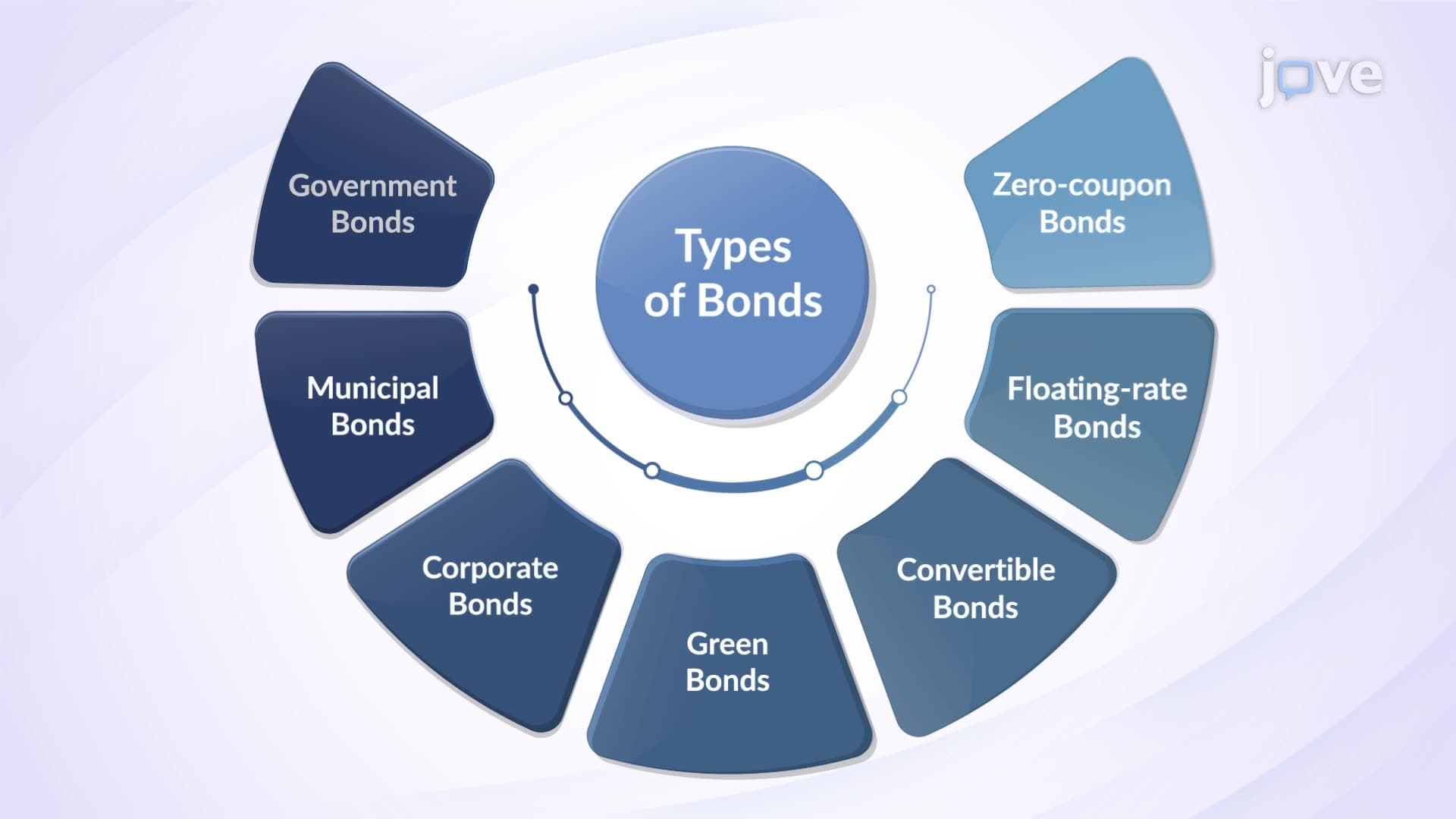
4. Bond Markets and Fixed-Income Securities Decode bond characteristics including maturity, coupon rates, and credit ratings that impact corporate financing costs and investment returns. Study various bond types from US Treasury securities to corporate bonds issued by companies like IBM, municipal bonds for infrastructure projects, and specialized instruments like green bonds from Tesla. Master credit risk assessment and interest rate sensitivity for portfolio management.
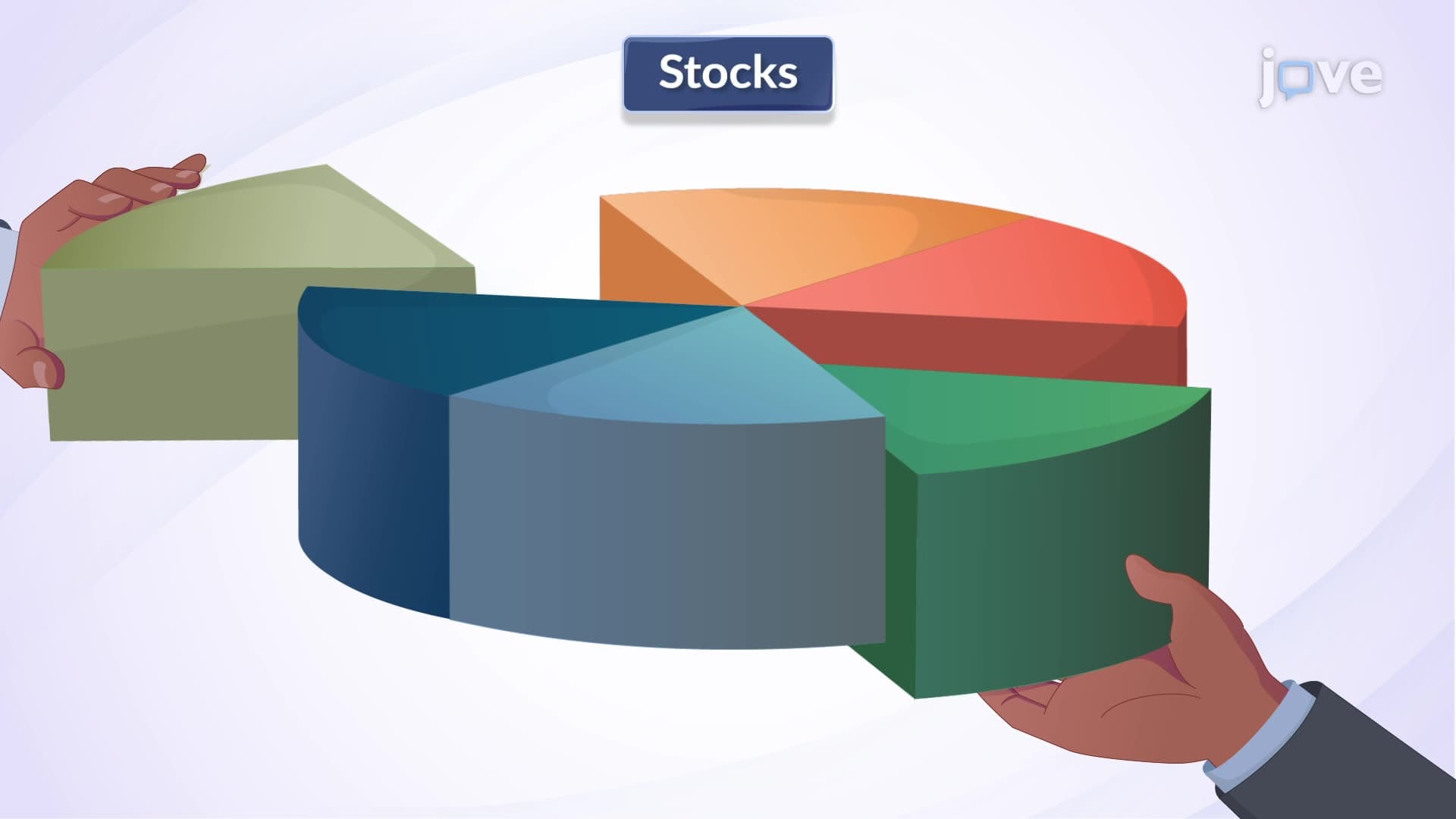
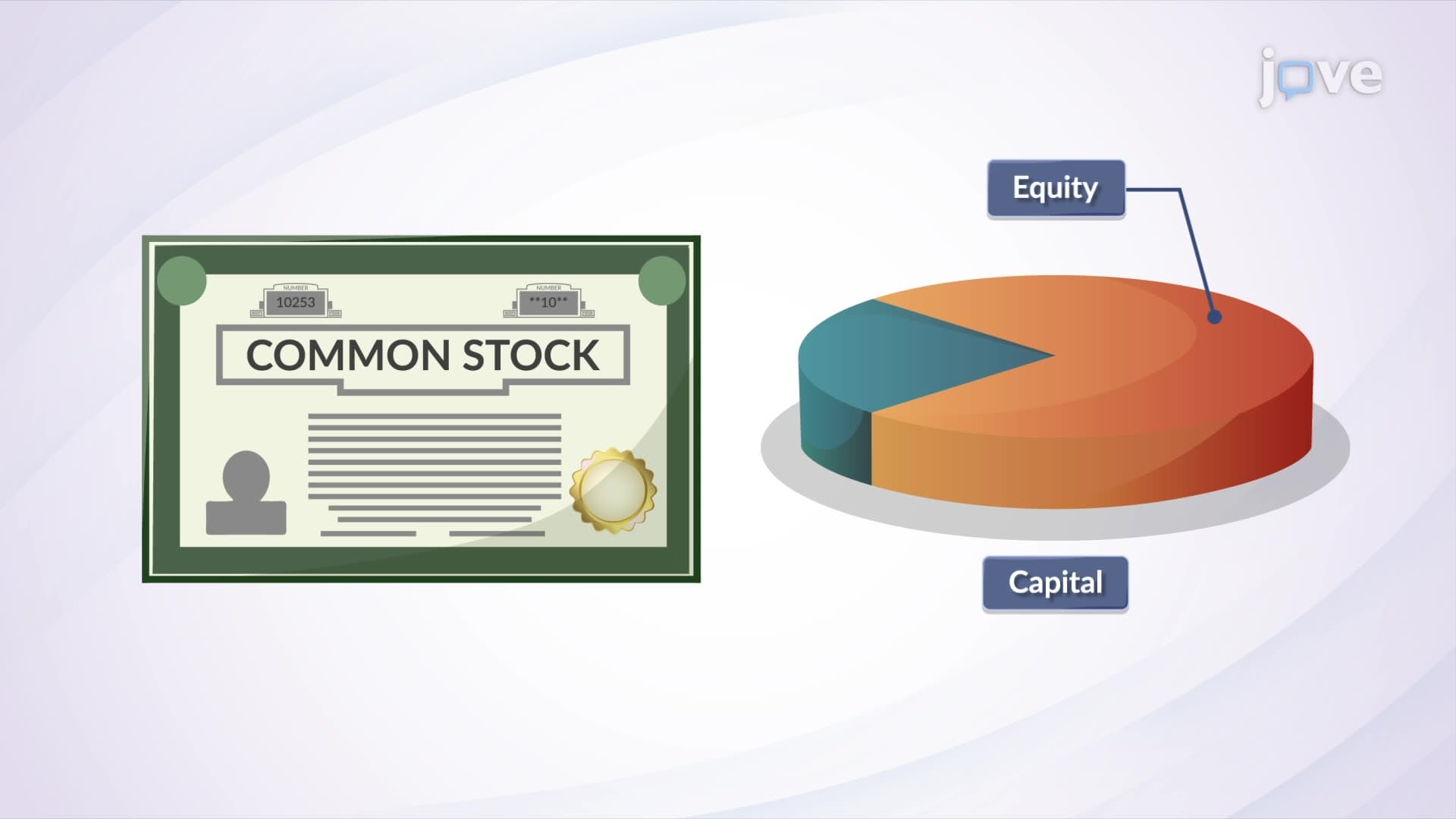
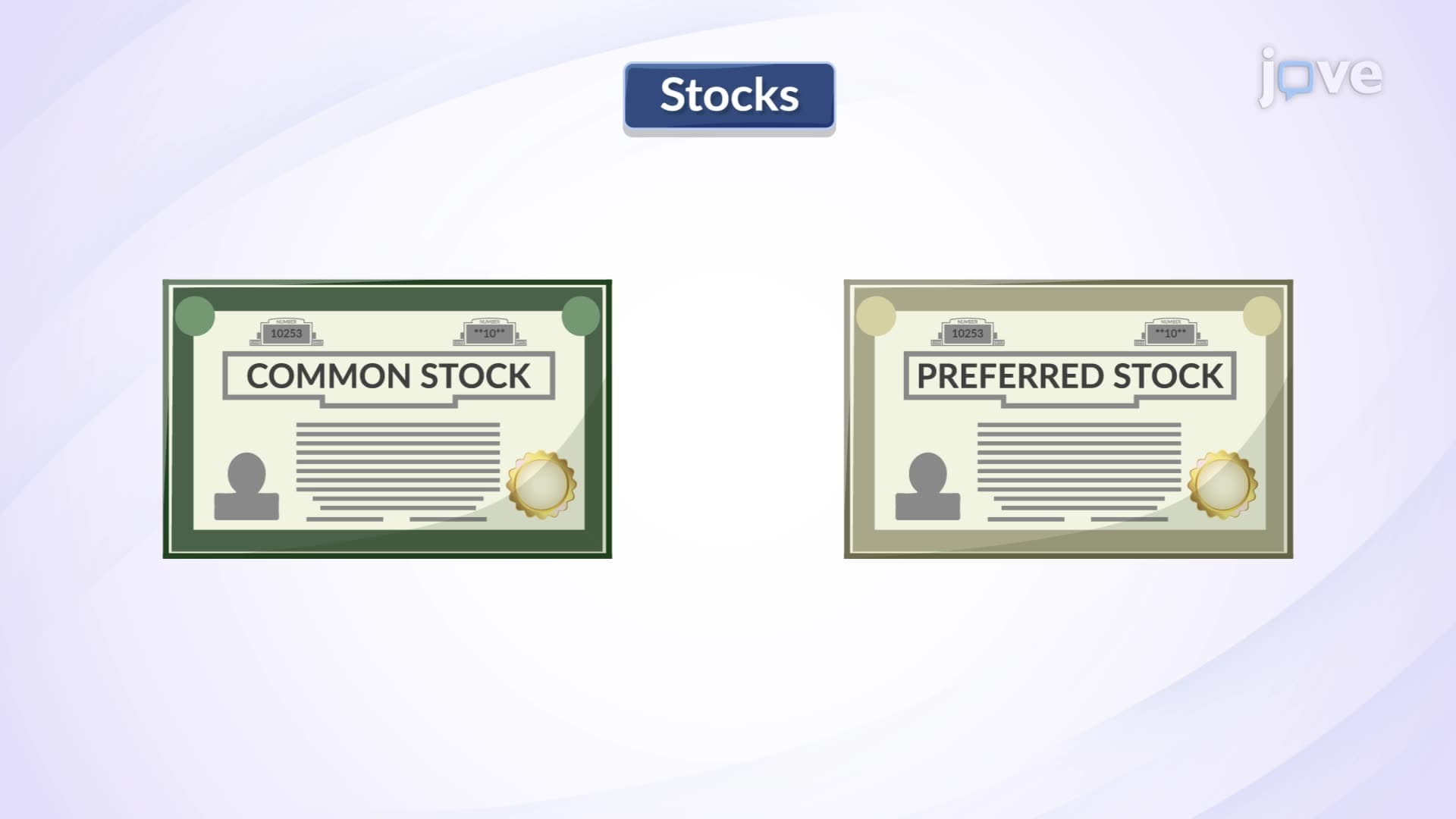
5. Equity Markets: Common and Preferred Stock Analysis Distinguish between common stock offering voting rights and growth potential versus preferred stock providing fixed dividends and liquidation preferences. Understand how companies structure equity offerings to balance control retention with capital requirements. Analyze dividend policies, shareholder rights, and valuation implications for both corporate issuers and institutional investors making strategic allocation decisions.
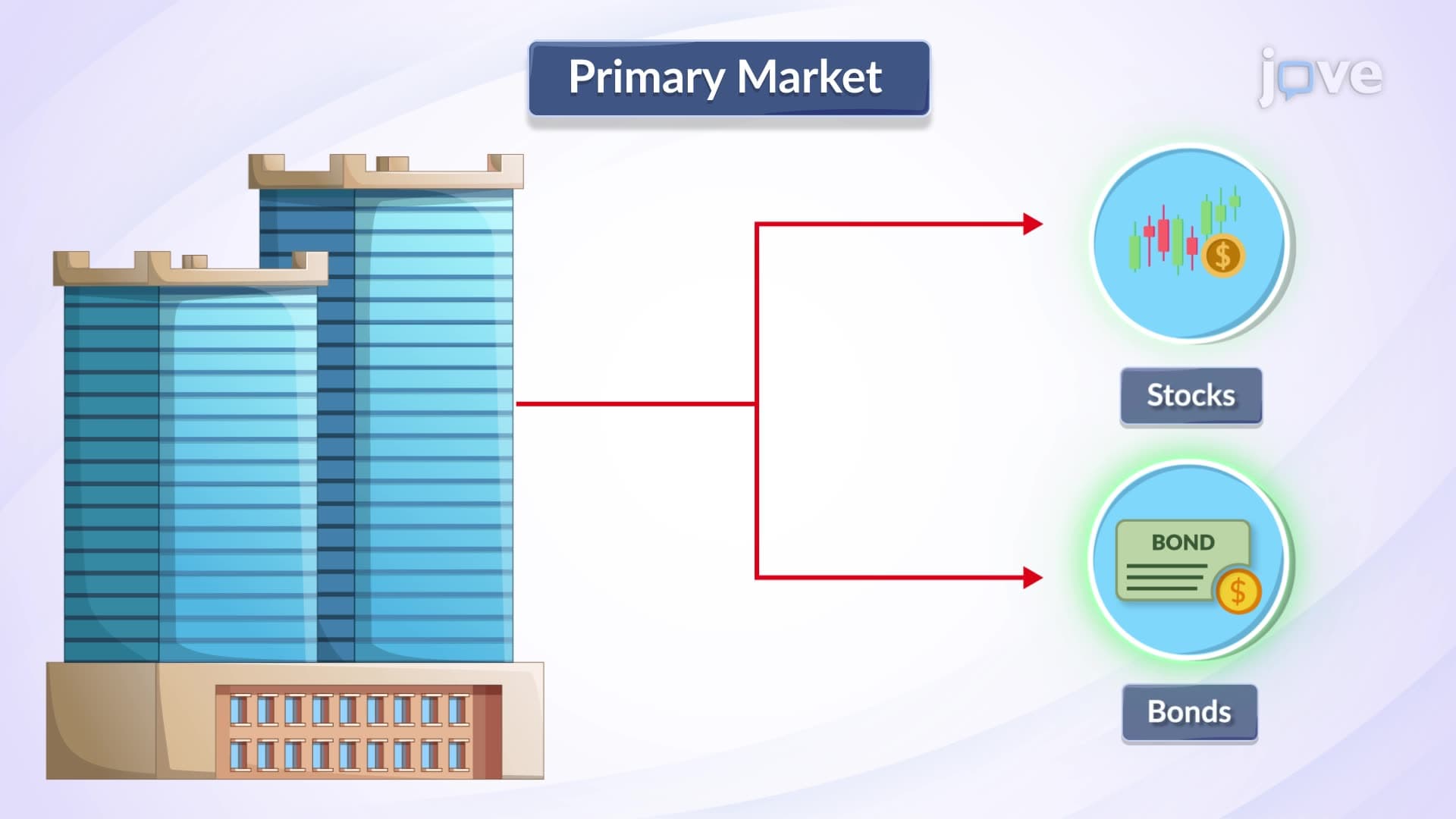
6. Primary vs Secondary Market Dynamics Compare primary markets where companies conduct IPOs and debt issuances to raise fresh capital versus secondary markets enabling investor-to-investor trading on exchanges. Understand how investment banks facilitate primary market transactions while exchanges like NASDAQ provide secondary market liquidity. Learn timing considerations for corporate actions and how secondary market performance influences future primary market access and pricing.