Loading video…


 14 Concepts
 29.4K views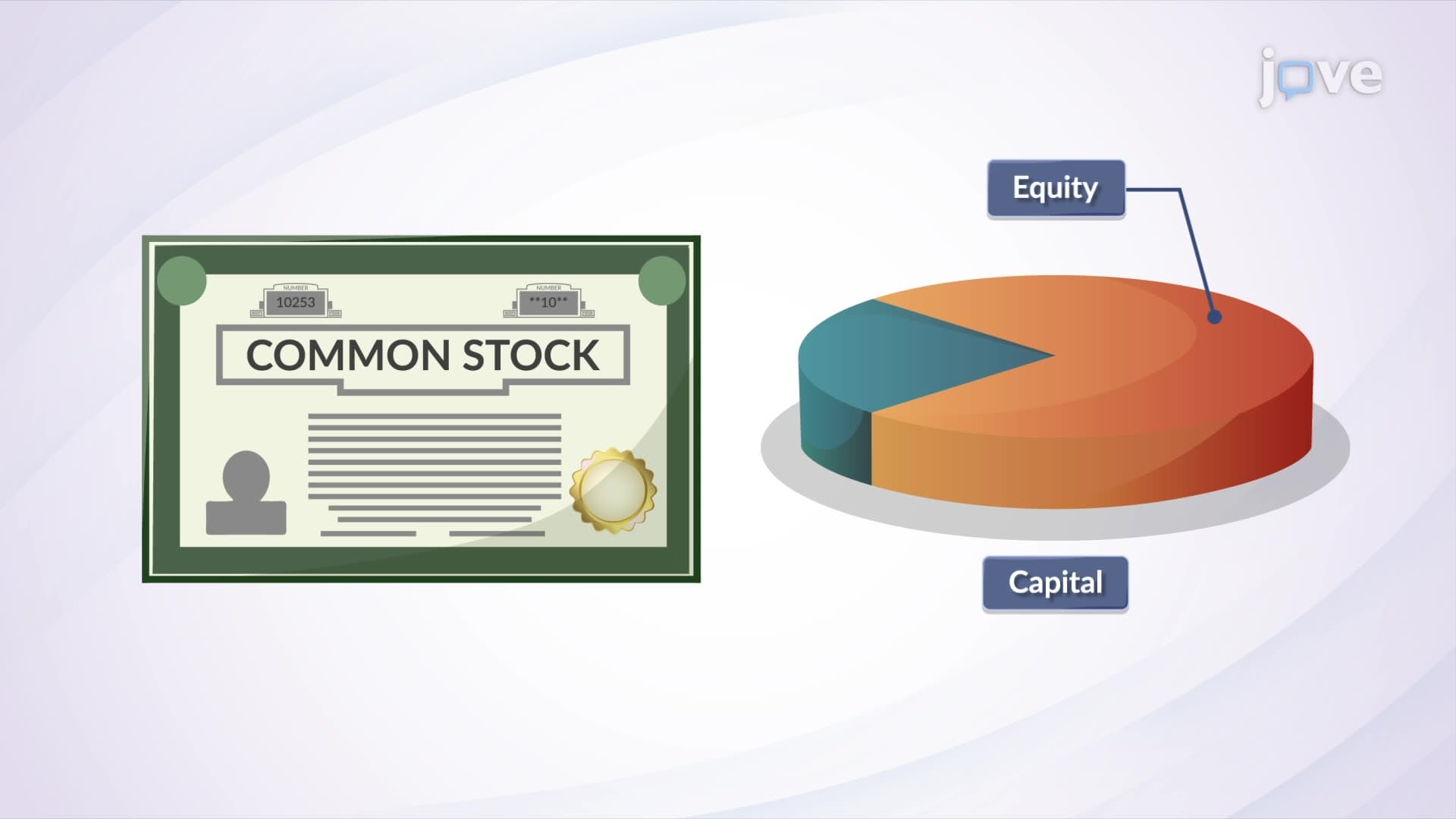

Video Summary: What Is Common Stock
Understanding common stock becomes critical when evaluating equity investments or making capital structure decisions for your organization. Common stock represents fundamental equity ownership that gives shareholders voting rights and potential dividend income, though with inherent market risks. Consider Apple Inc., where common stockholders participate in both company governance and profit sharing through dividends and stock appreciation. This ownership structure directly impacts investment strategies, portfolio allocation, and corporate finance decisions across industries. Watch the full video on JoVE Coach to master this concept with expert-led visuals and step-by-step explanations.
When Microsoft issues common stock, the company creates an ownership stake that fundamentally differs from debt instruments or preferred equity. Common stock represents the most basic form of corporate ownership, providing shareholders with residual claims on company assets and earnings. This ownership structure drives critical business decisions around capital raising, shareholder relations, and long-term strategic planning.
Common stockholders wield significant influence through voting rights that shape corporate direction. At Amazon's annual shareholder meetings, common stock owners vote on board composition, executive compensation, and major strategic initiatives. This democratic structure means that large institutional investors like BlackRock or Vanguard can influence corporate strategy through their common stock positions. For business leaders, understanding this dynamic becomes essential when considering public offerings, proxy battles, or activist investor situations.
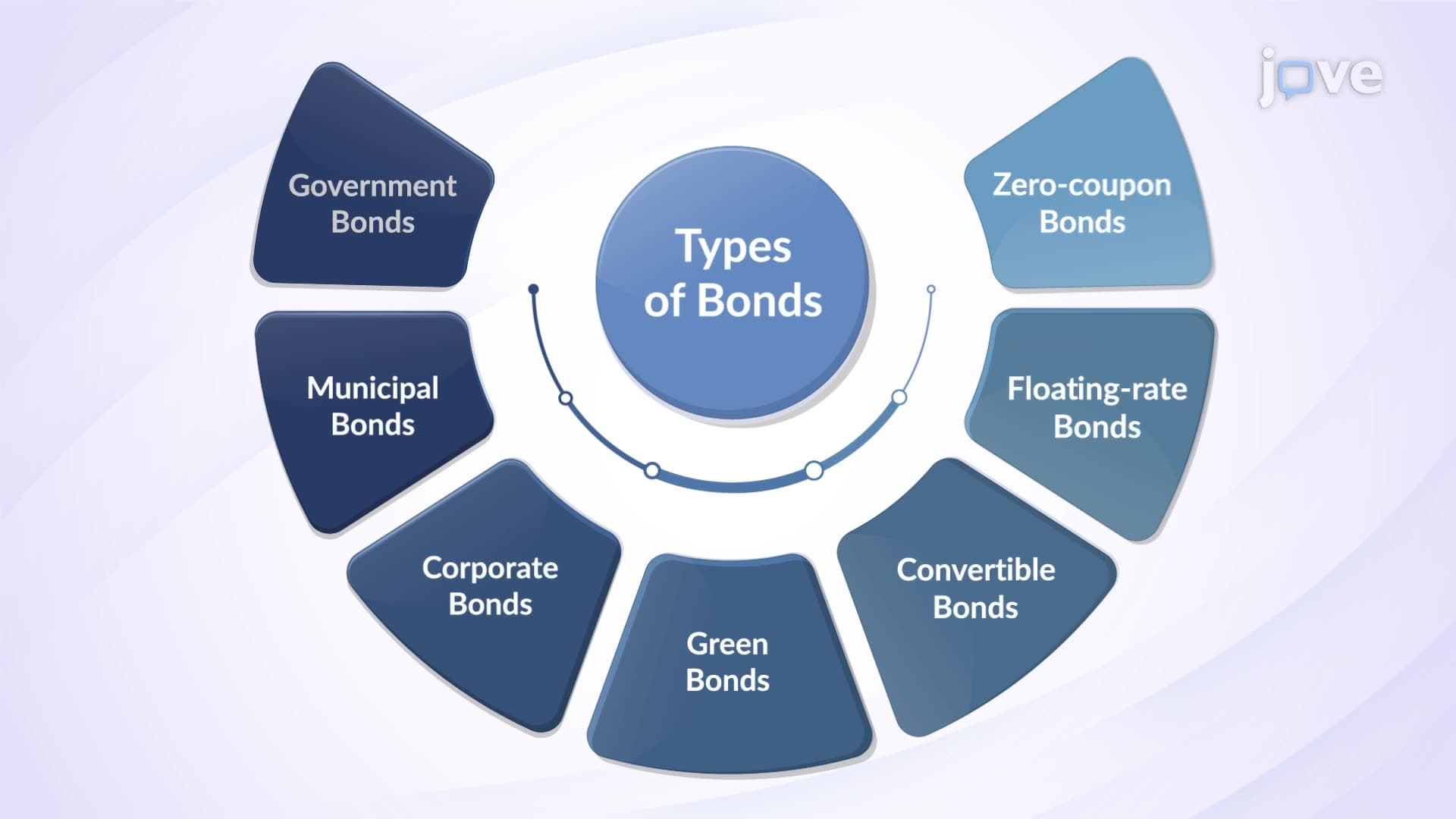
Unlike bonds with fixed interest payments, common stock dividends remain discretionary. Coca-Cola's consistent dividend history demonstrates how established companies use dividend policy to attract income-focused investors, while high-growth companies like Tesla historically retained earnings for expansion. This flexibility allows management teams to optimize cash flow allocation between growth investments, debt reduction, and shareholder returns based on market conditions and strategic priorities.
Common stock occupies the highest risk position in the capital structure, creating both opportunity and vulnerability. During economic downturns, common shareholders absorb losses first, as seen during the 2008 financial crisis when bank stocks plummeted while bondholders remained relatively protected. However, this risk exposure also provides unlimited upside potential-early Netflix investors experienced exponential returns as the company transformed from DVD rentals to streaming dominance. Professional investors must balance this risk-return dynamic when constructing portfolios or making capital allocation decisions.
For executives considering capital structure optimization, common stock issuance affects ownership dilution, cost of capital, and financial flexibility. Private equity firms and venture capitalists structure deals around common stock dynamics, often requiring liquidation preferences and anti-dilution protections. Understanding these mechanisms proves crucial for entrepreneurs negotiating funding rounds or established companies evaluating acquisition opportunities.
Related Micro-courses