Loading video…


 14 Concepts
 29.4K views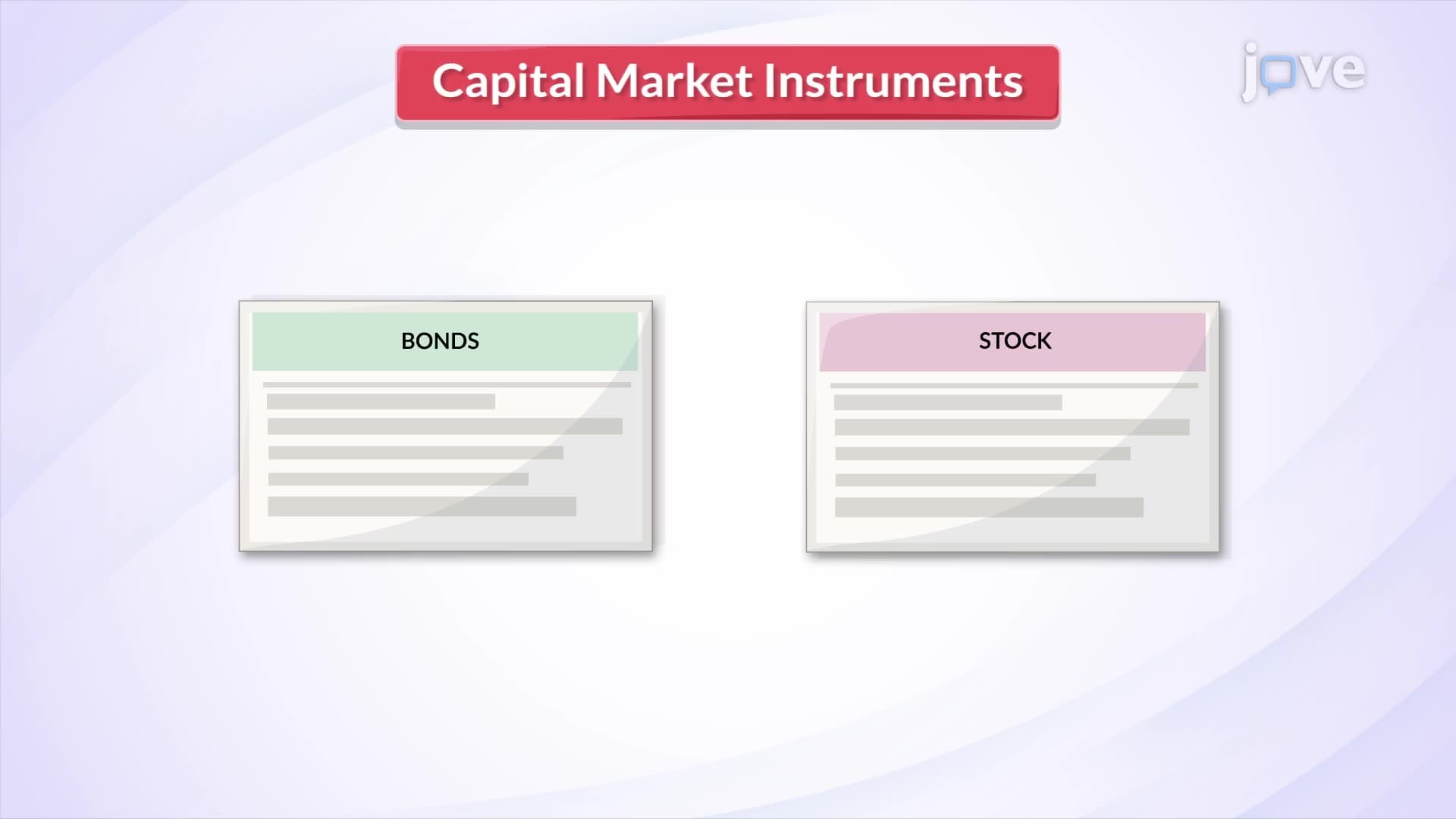

Video Summary: What Is Capital Market Instruments
When Goldman Sachs raises $2 billion through bond issuance or Apple launches a stock buyback program, they're leveraging capital market instruments to optimize their financial strategy. Capital market instruments are sophisticated financial assets that enable corporations, governments, and institutional investors to efficiently allocate capital for long-term growth initiatives. These tradeable securities-primarily stocks and bonds-form the backbone of modern corporate finance, allowing companies like Microsoft to fund R&D expansions while providing investors with diversified portfolio opportunities. Watch the full video on JoVE Coach to master this concept with expert-led visuals and step-by-step explanations.
When JPMorgan Chase's board approves a $15 billion credit facility expansion, they're navigating the complex landscape of capital market instruments to fuel growth while managing shareholder expectations. Capital market instruments represent the financial vehicles that connect capital-seeking organizations with investors looking to deploy excess liquidity for long-term returns.
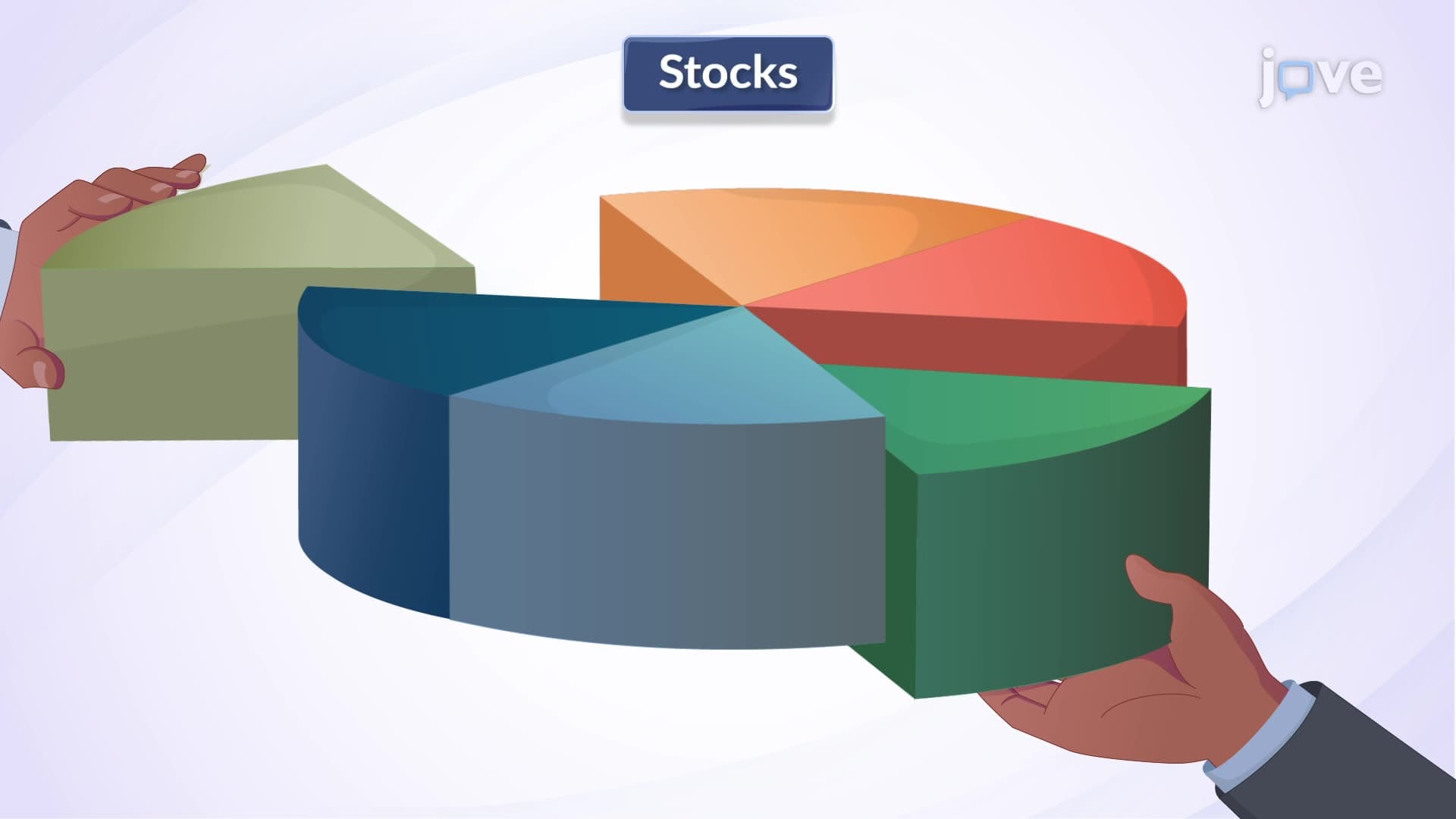
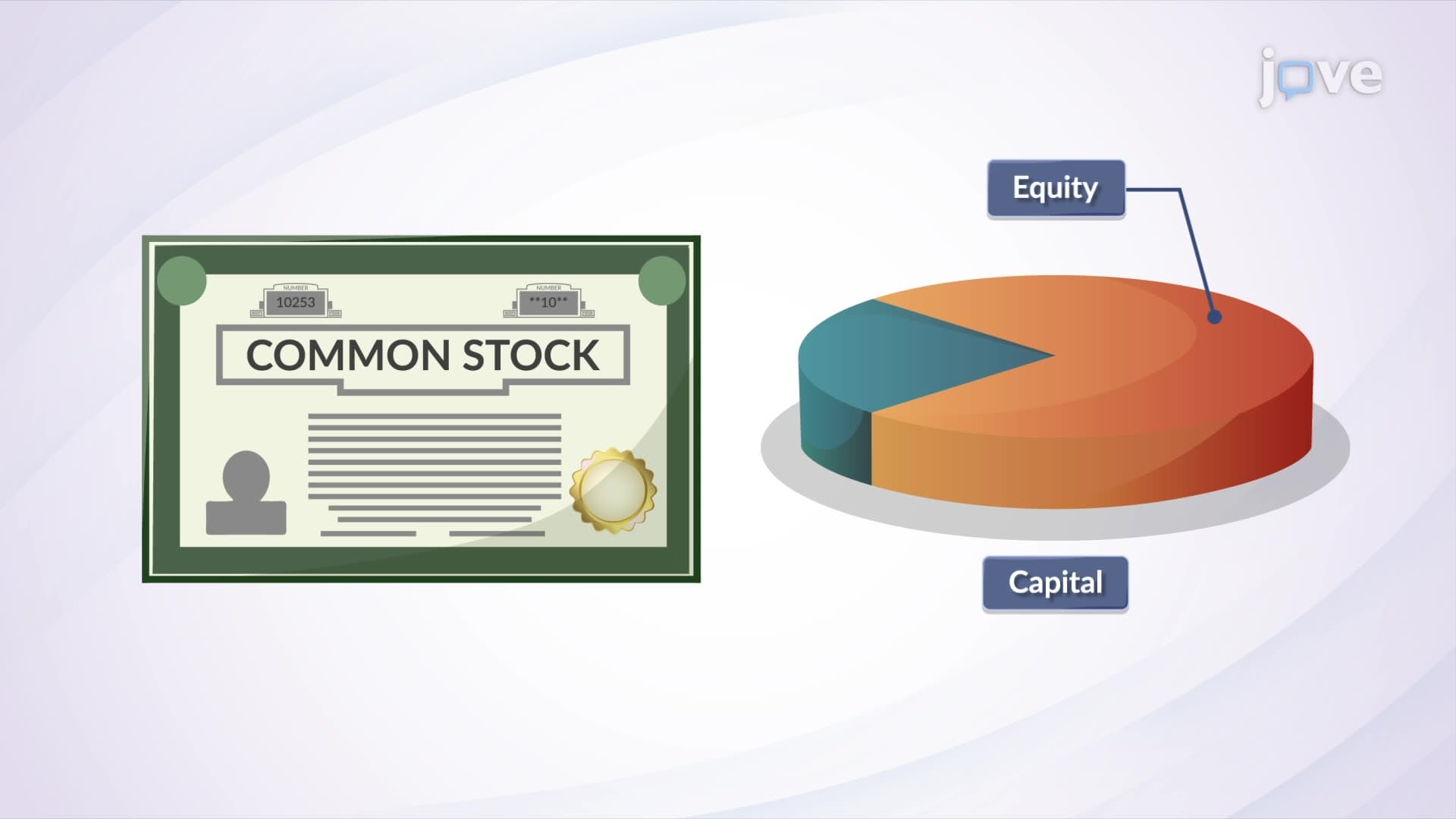
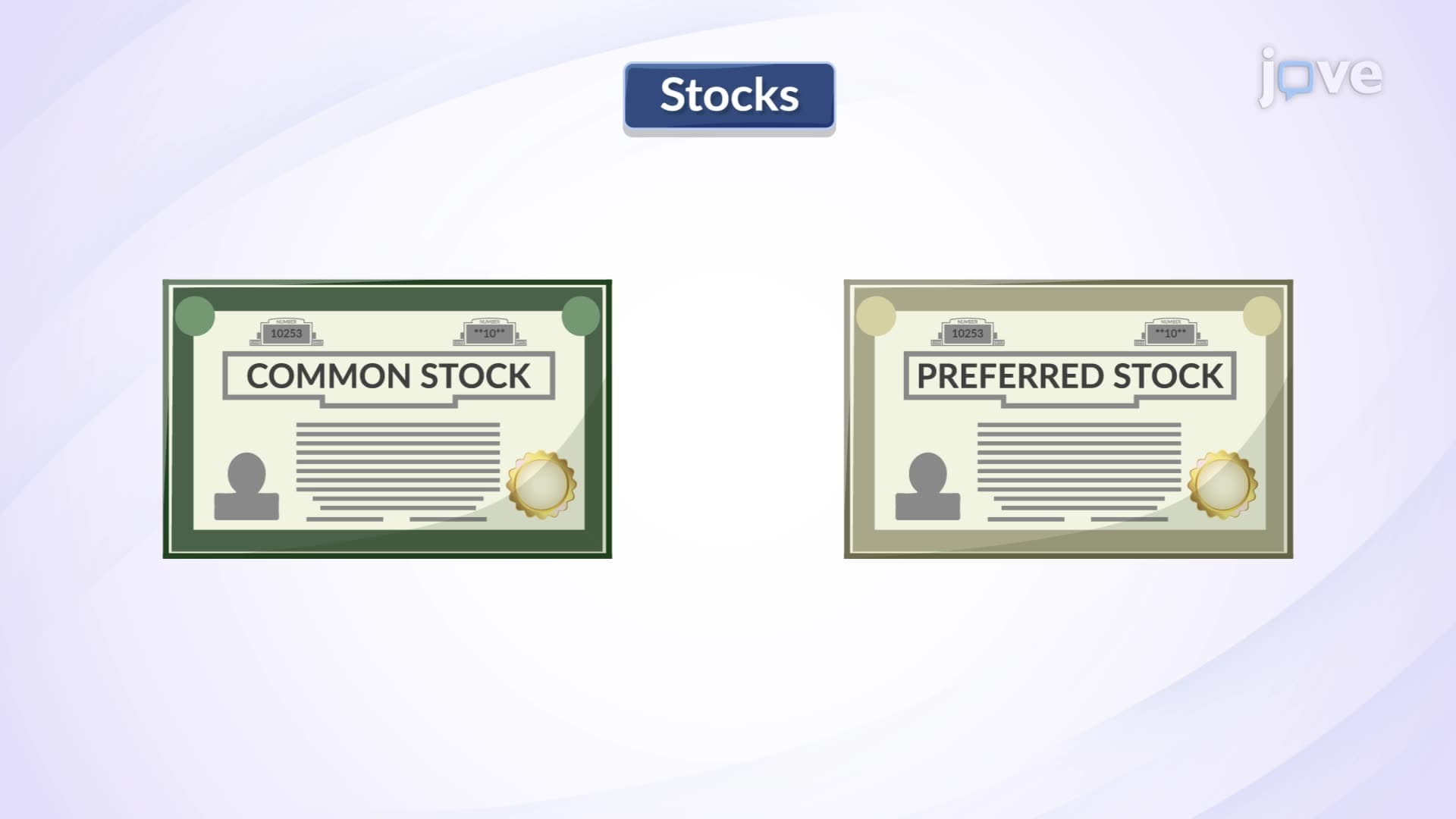
Stock instruments offer corporations a powerful mechanism for raising capital without incurring debt obligations. When Amazon went public in 1997, it utilized equity markets to raise funds that would eventually finance its transformation from an online bookstore to a global technology conglomerate. For working professionals, understanding equity dynamics is crucial when evaluating acquisition targets, assessing competitive threats, or recommending strategic partnerships. Equity holders gain proportional ownership rights, dividend potential, and voting power in corporate governance decisions-making stock selection a critical component of both personal wealth building and institutional portfolio management.
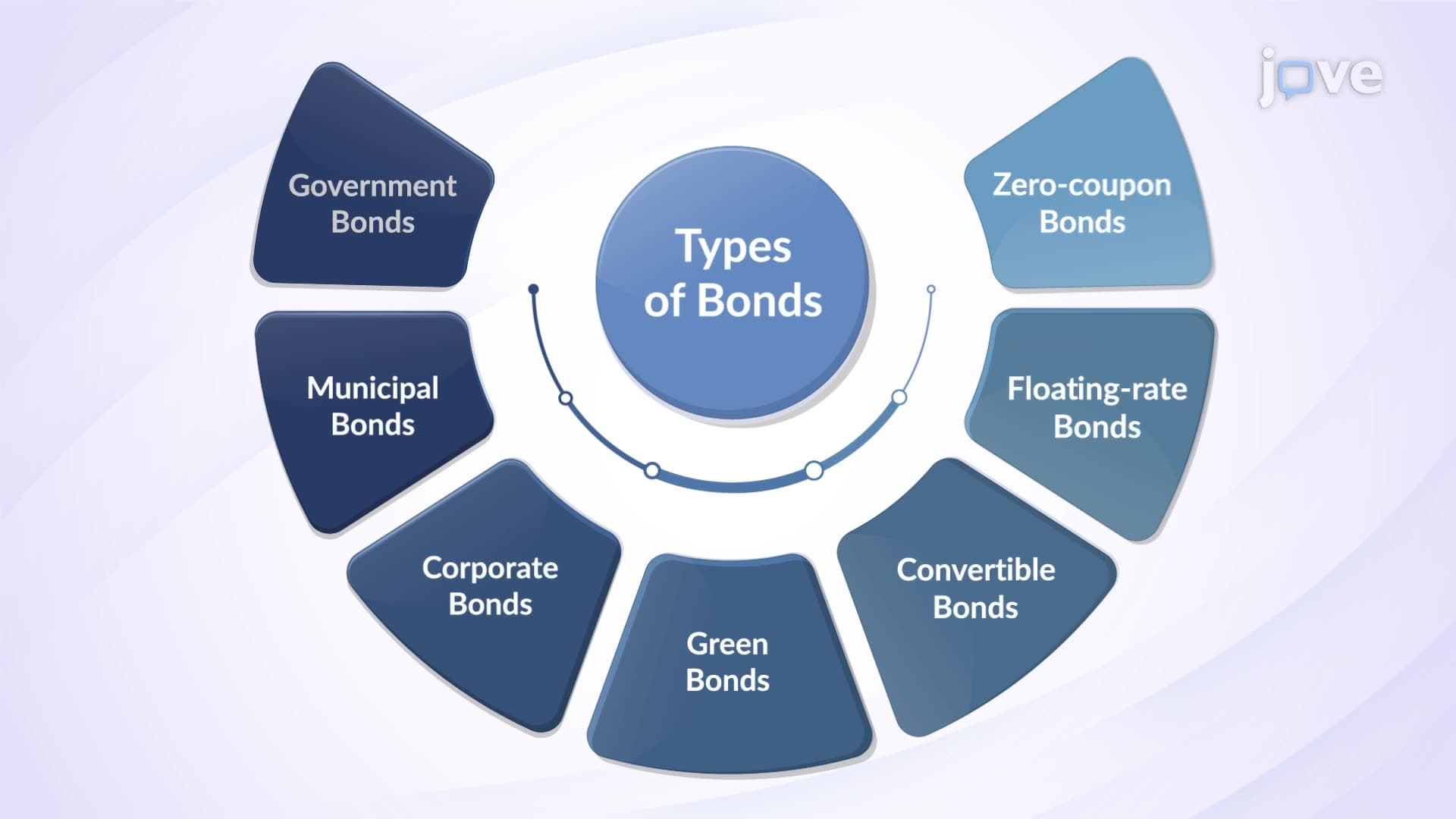
Corporate and government bonds serve as the foundation for conservative investment strategies and predictable cash flow generation. When General Electric issues 10-year corporate bonds at 4.5% interest, they're accessing capital markets to fund infrastructure projects while offering investors steady, contractual returns. Bond instruments provide portfolio stability and income predictability, making them essential tools for treasury managers, pension fund administrators, and individual professionals approaching retirement. The credit quality, duration, and yield characteristics of different bond offerings directly impact organizational liquidity management and risk-adjusted returns.
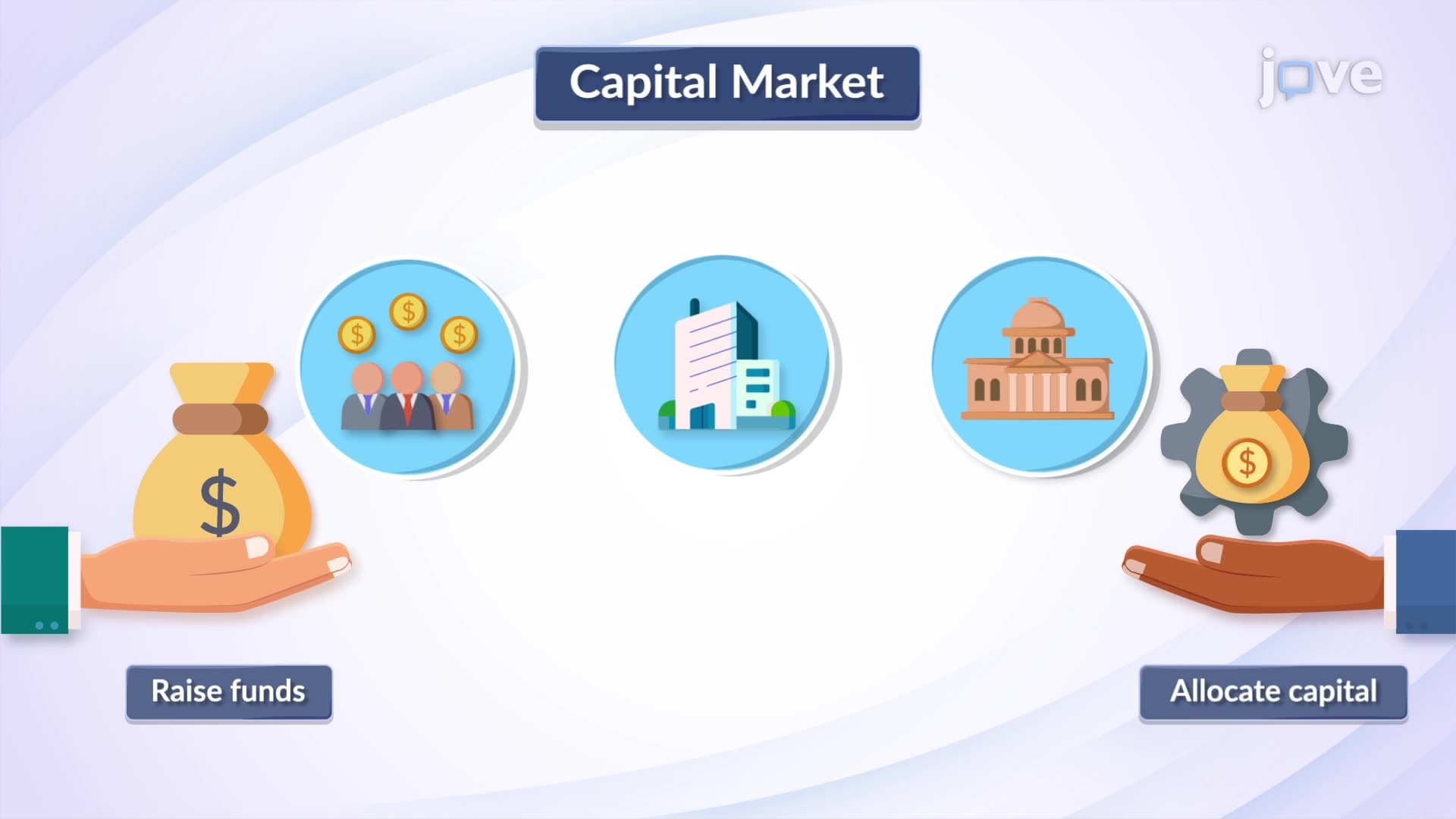
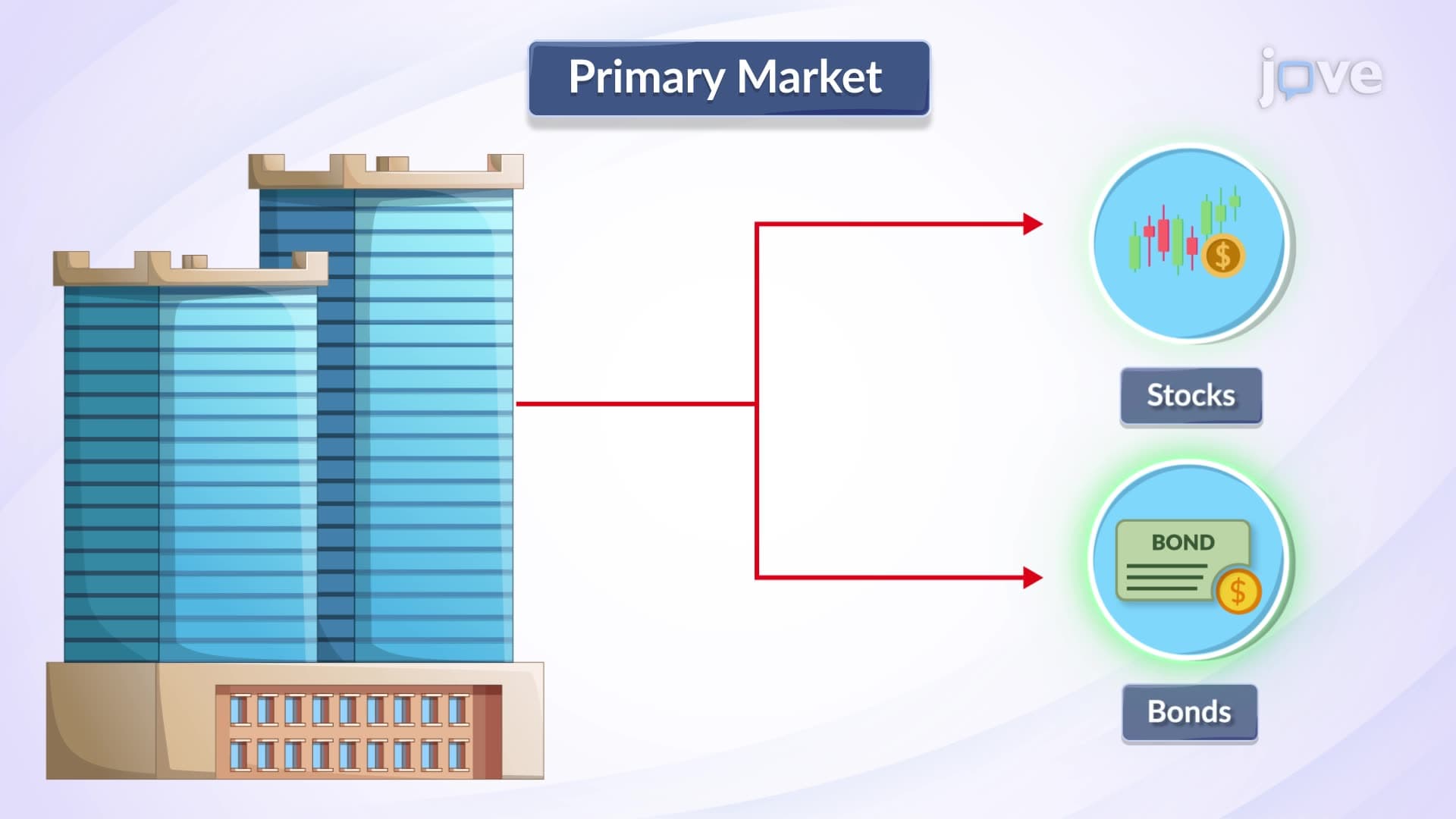
Capital market instruments facilitate efficient capital allocation across the broader economy, enabling growth-oriented companies to access funding while providing return-seeking investors with diversified opportunities. Tesla's successful capital raises through both equity and convertible bond offerings demonstrate how modern corporations leverage multiple instrument types to optimize their cost of capital while maintaining operational flexibility.
Related Micro-courses