Loading video…


 14 Concepts
 29.4K views

Video Summary: What Is Capital Market
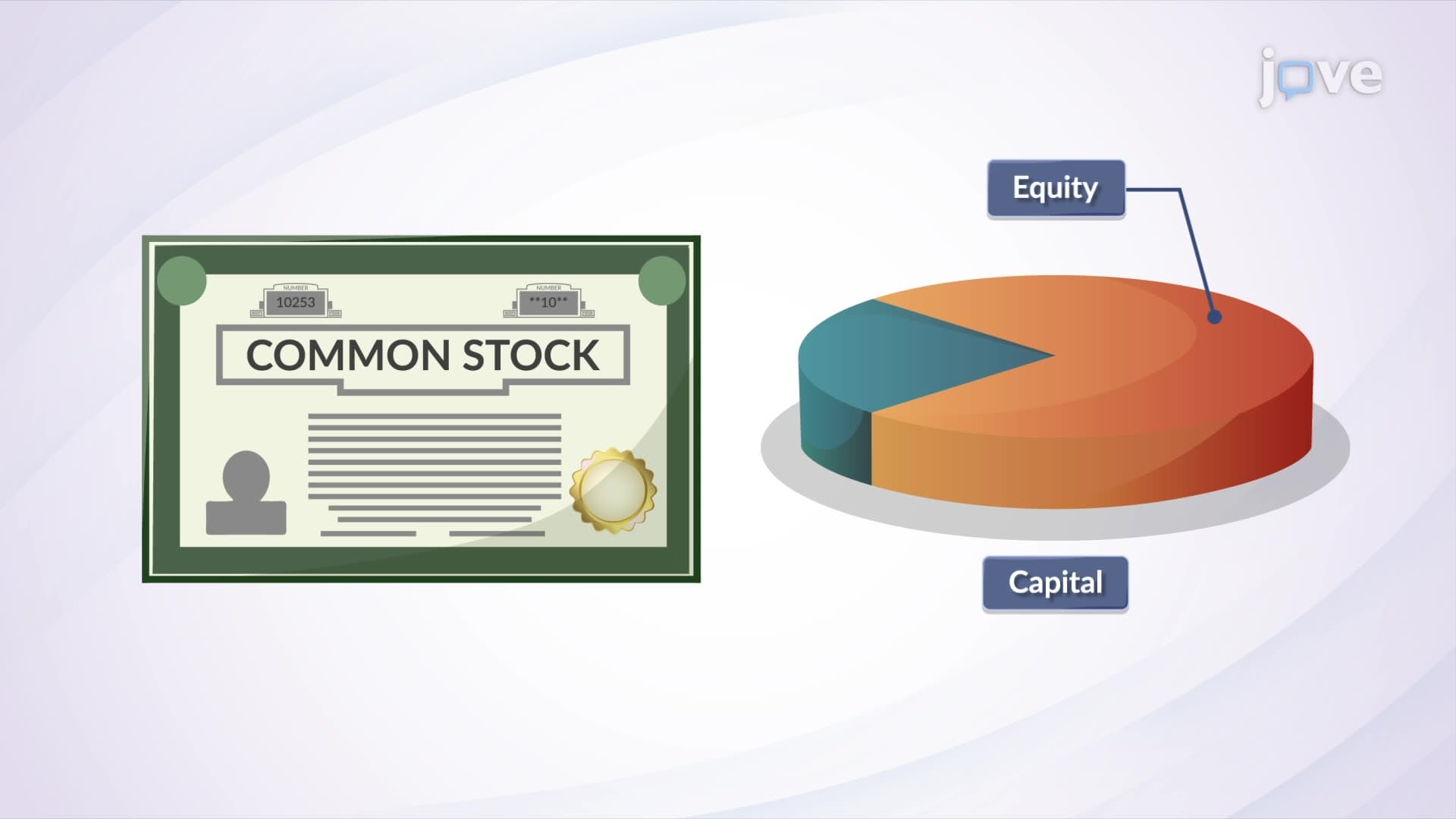
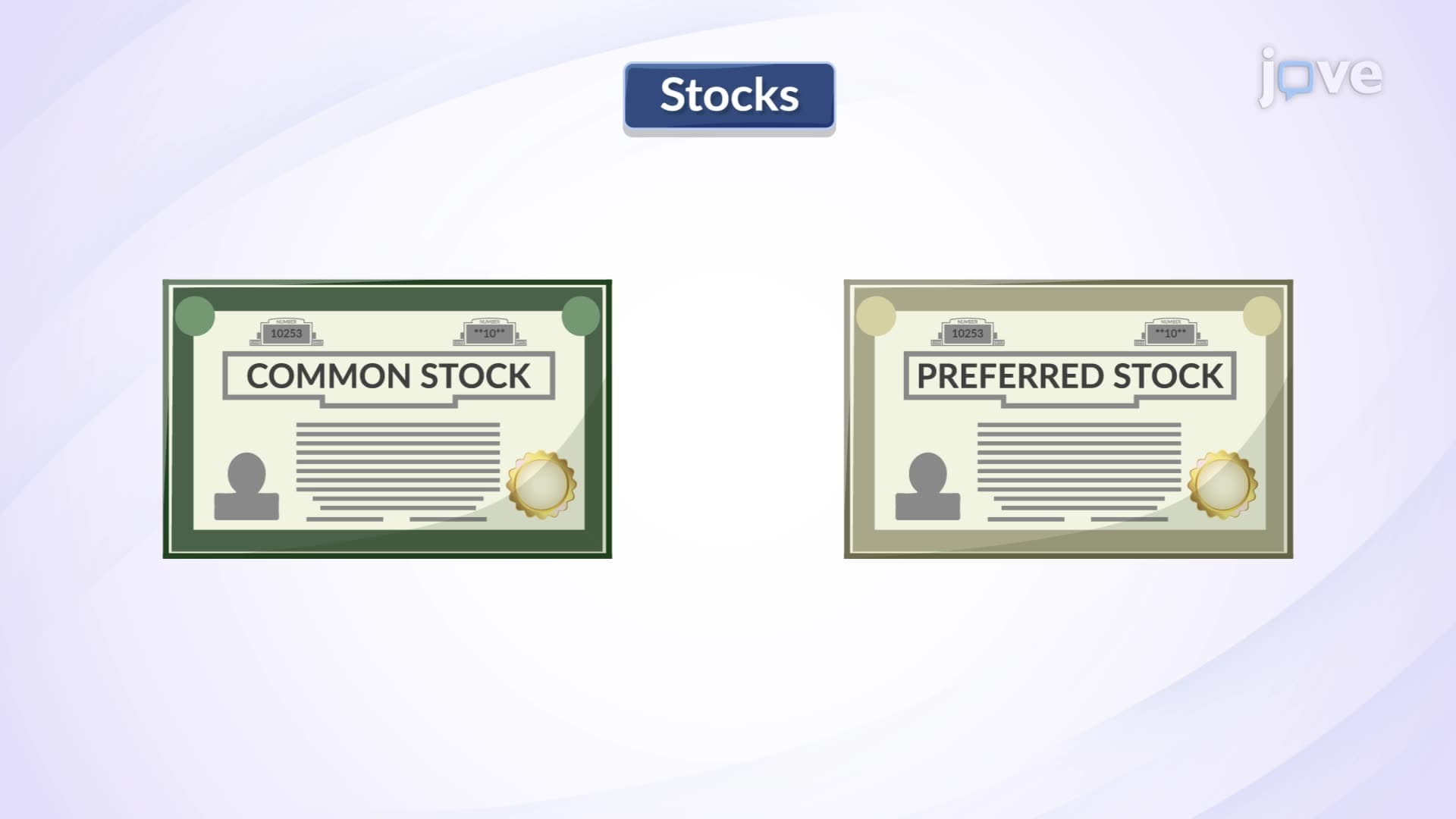
Strategic capital allocation decisions drive competitive advantage in today's business environment. The capital market serves as the primary mechanism for companies to secure long-term funding through securities trading, including stocks, bonds, and derivatives. Major exchanges like the New York Stock Exchange enable enterprises such as Microsoft to raise billions for R&D investments while providing institutional investors portfolio diversification opportunities. This dynamic ecosystem facilitates wealth creation and economic expansion through efficient resource allocation. Watch the full video on JoVE Coach to master this concept with expert-led visuals and step-by-step explanations.
When Salesforce needed $2.5 billion to acquire Slack in 2021, the capital market provided the essential infrastructure for this transformative deal. Capital markets represent sophisticated financial ecosystems where companies, governments, and investors trade long-term securities to achieve strategic objectives beyond simple transactions.
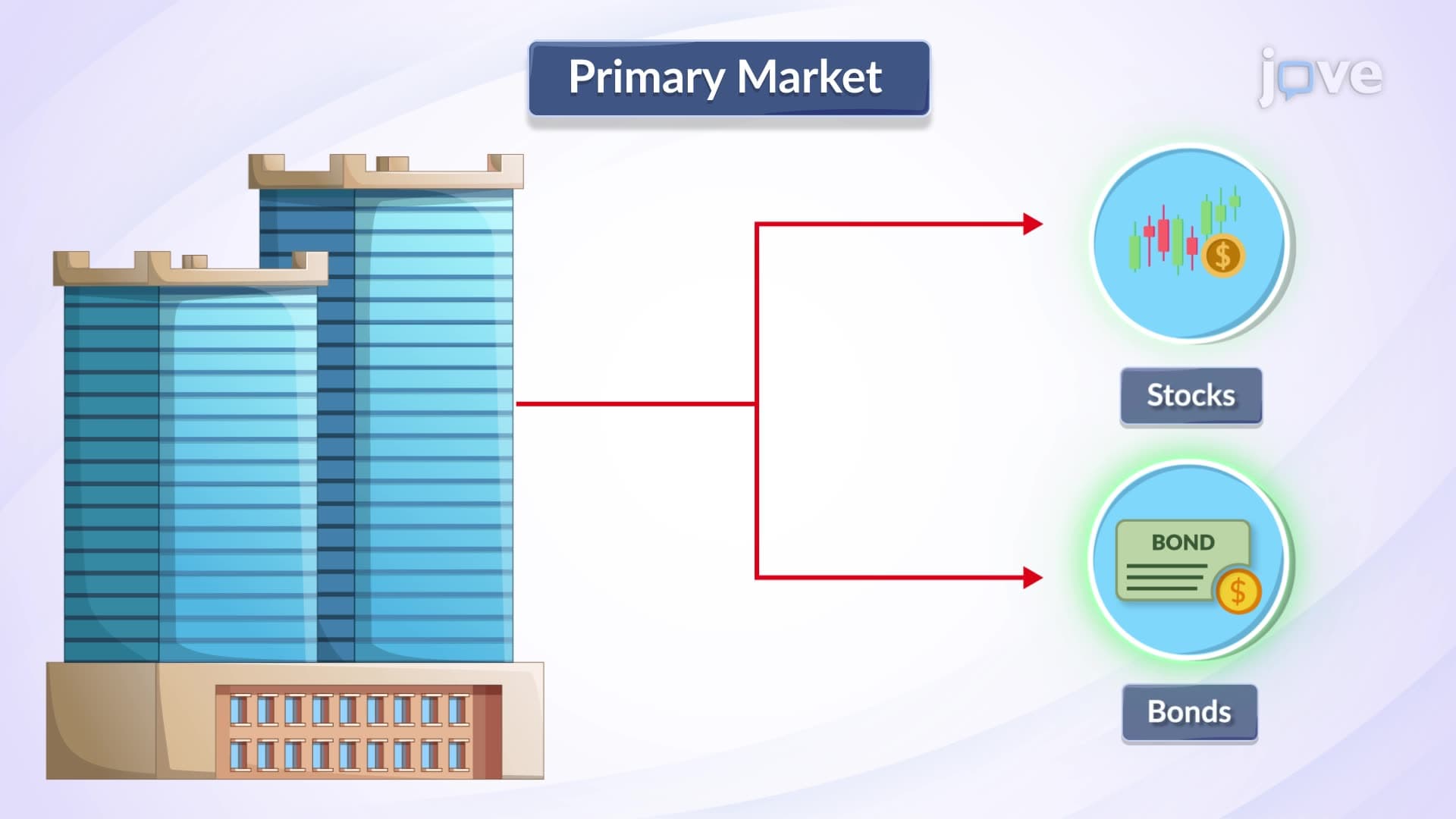
The capital market definition encompasses two critical segments that directly impact corporate strategy. Primary markets enable companies to issue new securities directly to investors-think of when Tesla conducted its initial public offering or subsequent stock offerings to fund Gigafactory expansion. Secondary markets, exemplified by NASDAQ and NYSE trading floors, facilitate ongoing liquidity where existing securities change hands among investors without directly affecting company cash flows.
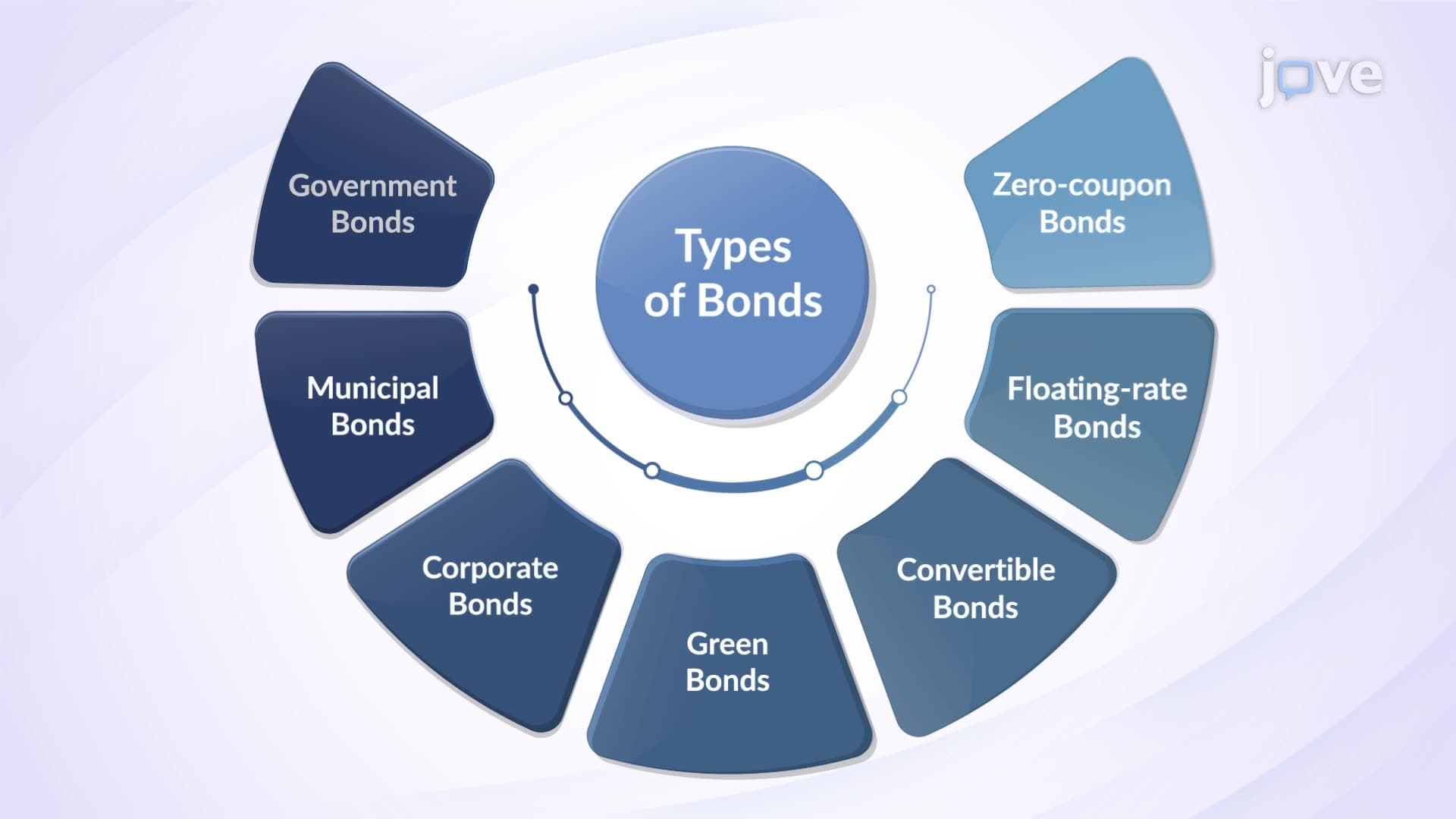
Understanding what is capital market in detail requires recognizing how these mechanisms influence corporate decision-making. Consider how Amazon leverages capital markets: the company issues corporate bonds to fund logistics infrastructure while maintaining equity financing flexibility for acquisitions like Whole Foods. This dual approach optimizes cost of capital while preserving strategic agility.
Modern CFOs must navigate this landscape strategically. When interest rates rise, debt financing becomes expensive, potentially shifting corporate preferences toward equity markets despite dilution concerns. Conversely, during market volatility, established companies with strong credit profiles may find bond markets more attractive than unpredictable equity valuations.
Capital market activity provides critical competitive intelligence. When a rival raises substantial equity capital, it signals aggressive expansion plans. Smart executives monitor competitor debt issuances, which may indicate acquisition preparation or operational challenges requiring refinancing.
Professional investors apply Modern Portfolio Theory principles, diversifying across sectors and securities types to optimize risk-adjusted returns. Corporate treasury departments similarly diversify funding sources-combining bank credit facilities, bond issuances, and equity raises to minimize financing risks and maintain operational flexibility during market disruptions.
Related Micro-courses