Loading video…


 11 Concepts
 1.6K views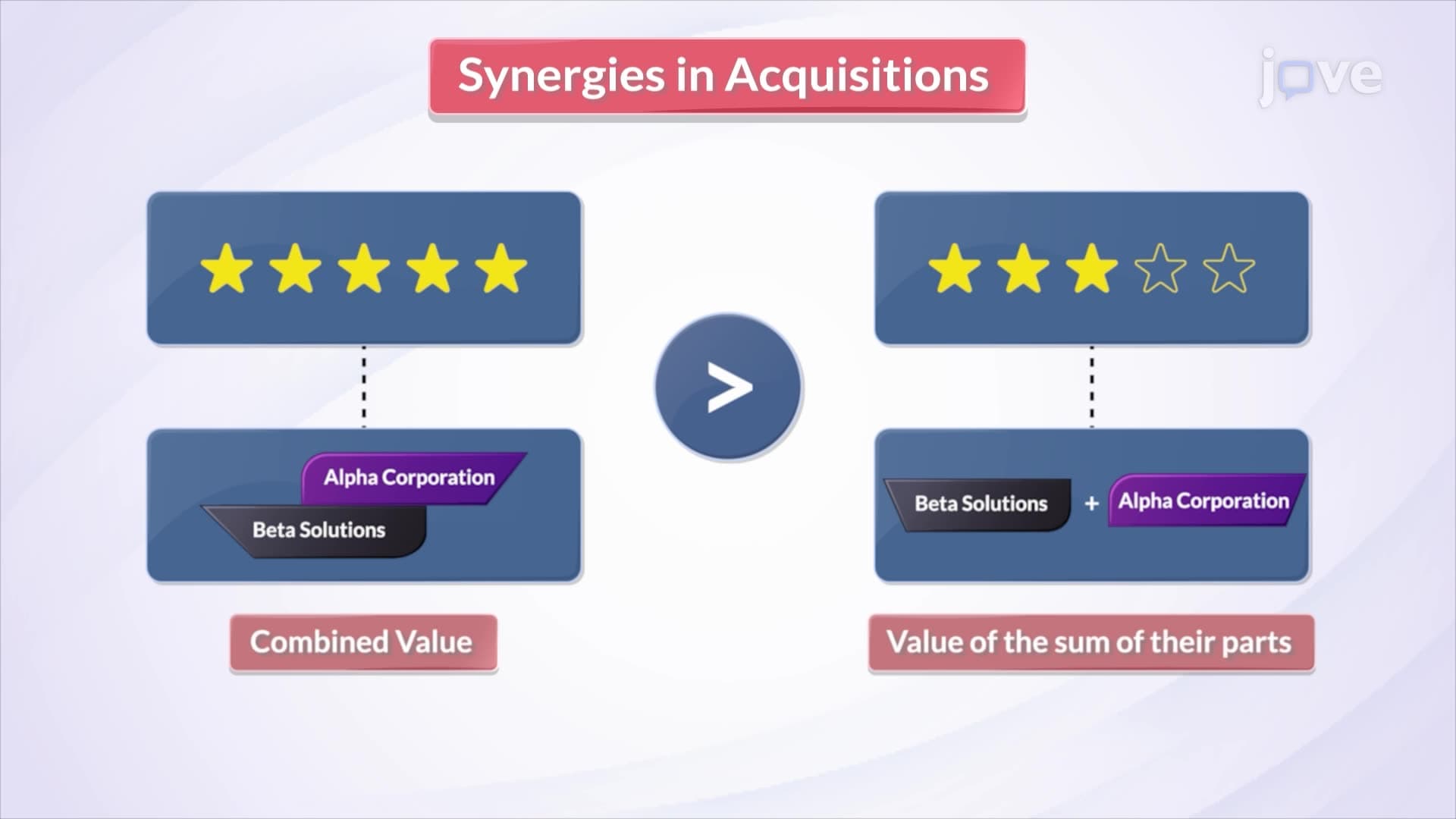

Video Summary: What Is Gains From Acquisition Synergy
Modern M&A transactions often fall short of their projected returns, with over 70% failing to create expected value. Gains from acquisition synergy represent the measurable financial benefits achieved when combined companies generate greater value than their standalone operations. Consider Disney's $71 billion acquisition of Fox's entertainment assets-the synergies from combining content libraries, distribution networks, and production capabilities created substantial competitive advantages in streaming. What is Gains From Acquisition Synergy becomes critical for executives evaluating deal structures, pricing premiums, and post-merger integration strategies. Watch the full video on JoVE Coach to master this concept with expert-led visuals and step-by-step explanations.
When CVS Health acquired Aetna for $69 billion in 2018, the strategic rationale centered on creating an integrated healthcare ecosystem that neither company could achieve independently. This exemplifies how gains from acquisition synergy drive major corporate transactions, representing the incremental value creation that justifies premium acquisition prices.
Cost synergies typically manifest through three primary channels: operational consolidation, procurement leverage, and administrative efficiency. When companies eliminate duplicate functions-such as combining IT systems, consolidating facilities, or streamlining supply chains-they reduce the combined cost structure below what separate entities would incur. Private equity firms particularly excel at identifying these opportunities, often achieving 15-25% cost reductions within 18 months of closing.
The gains from acquisition synergy definition explained encompasses both quantifiable savings and strategic positioning benefits. Fortune 500 companies regularly achieve annual cost synergies ranging from $50 million to $2 billion, depending on transaction size and integration complexity. These gains directly impact EBITDA margins and free cash flow generation.
Revenue synergies prove more challenging to realize but offer greater upside potential. Cross-selling existing products to acquired customer bases, bundling complementary offerings, and expanding geographic reach create sustainable growth platforms. Microsoft's acquisition strategy demonstrates this approach-integrating LinkedIn's professional network with Office 365 created new revenue streams exceeding $10 billion annually.
Strategic market positioning represents another critical dimension. Acquiring companies often gain access to new distribution channels, customer segments, or geographic markets that would require years to develop organically. This acceleration of market entry creates competitive moats and first-mover advantages.
The gains from acquisition synergy concept explained requires rigorous measurement frameworks. Companies calculate synergy value as the net present value of future benefits minus integration costs, comparing combined entity performance against pre-acquisition baselines. Best-in-class acquirers establish dedicated integration management offices, tracking synergy realization against detailed milestone schedules and accountability frameworks.
Related Micro-courses