Loading video…


 17 Concepts
 6.5K views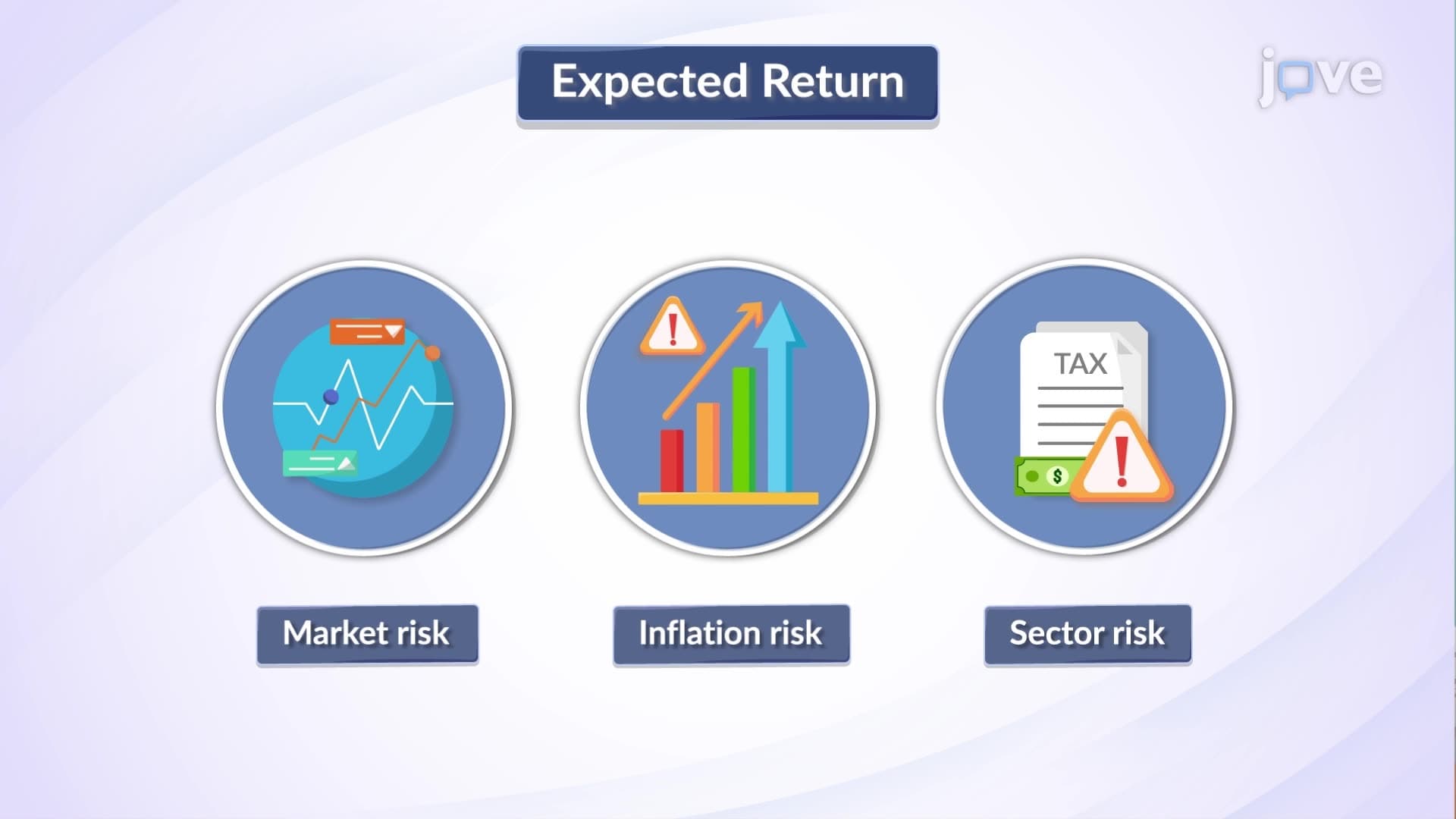

Video Summary: What Is Expected Return
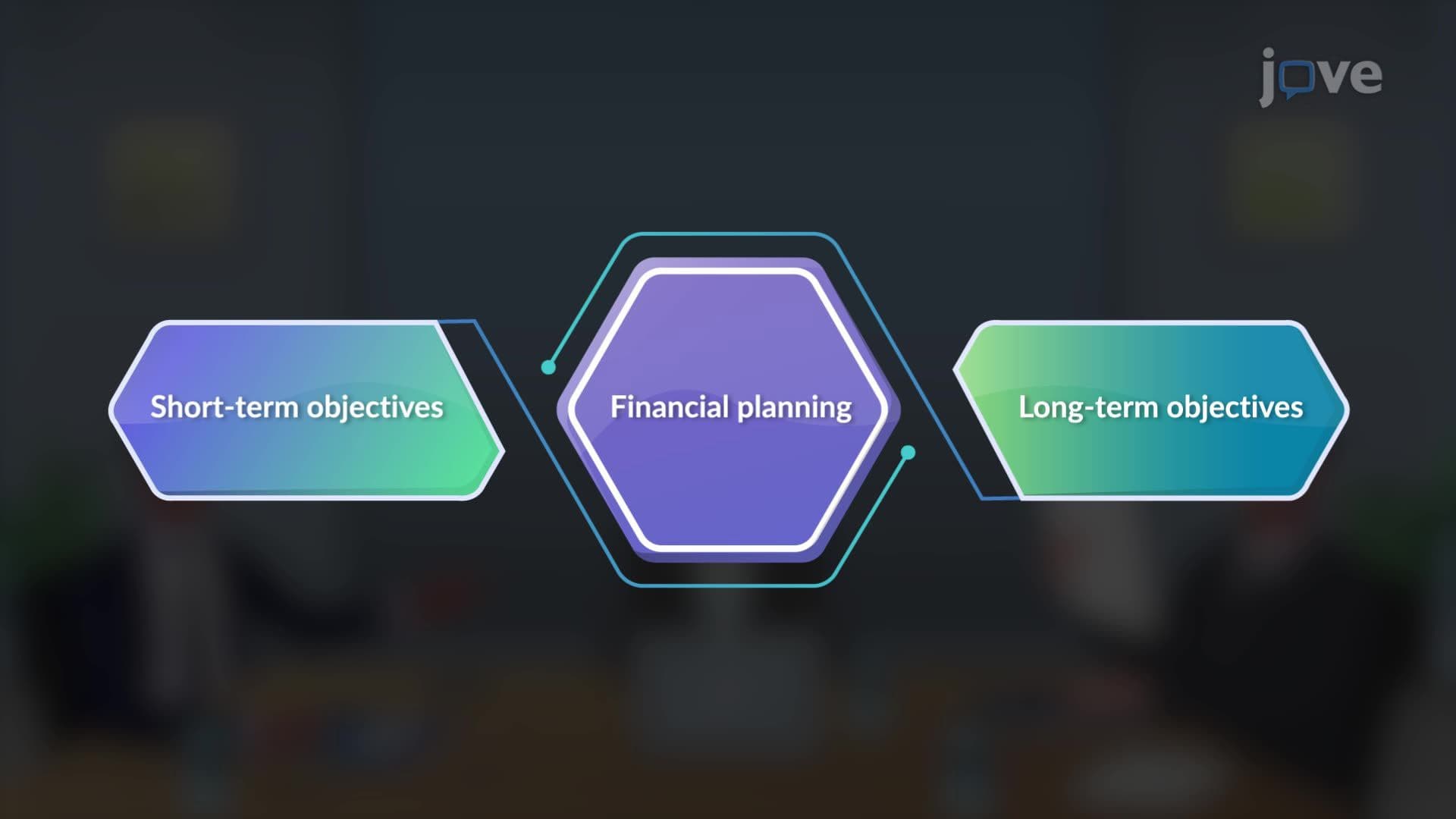
Portfolio managers across Wall Street firms like Goldman Sachs rely on expected return calculations to guide billion-dollar investment decisions and optimize asset allocation strategies. Expected return represents the anticipated profit or loss from an investment over a specific time horizon, serving as a cornerstone metric for strategic financial planning and risk management frameworks. This forward-looking estimate, distinct from historical performance data, enables professionals to make informed investment choices and construct diversified portfolios that align with organizational objectives and risk tolerance levels. Watch the full video on JoVE Coach to master this concept with expert-led visuals and step-by-step explanations.
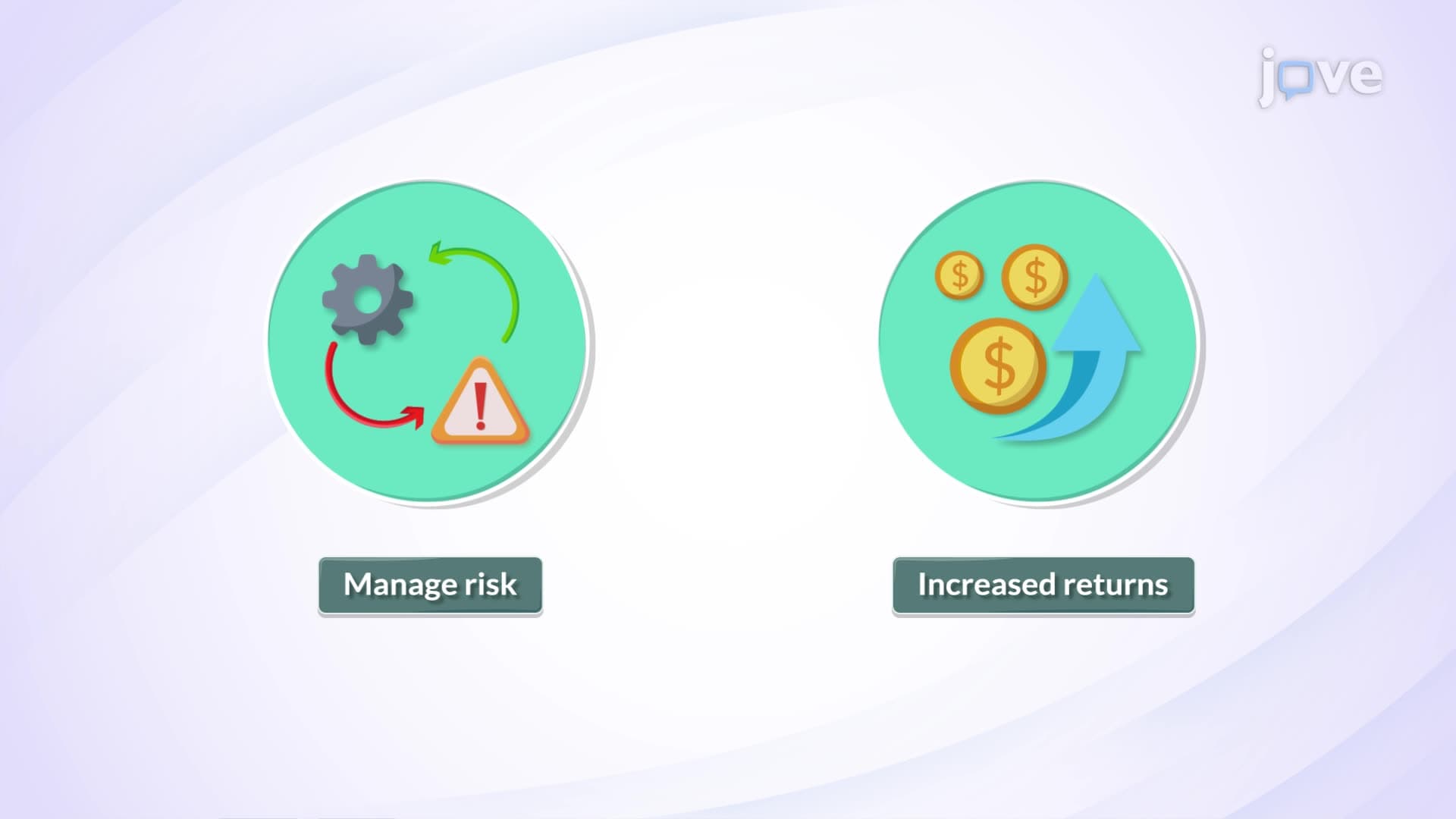
Corporate finance teams at companies like Microsoft and Apple routinely face a critical challenge: deploying billions in cash reserves to generate optimal returns while managing downside risk. Expected return serves as the fundamental metric guiding these high-stakes decisions, representing the weighted average of all possible returns an investment might generate based on probability distributions and market analysis.
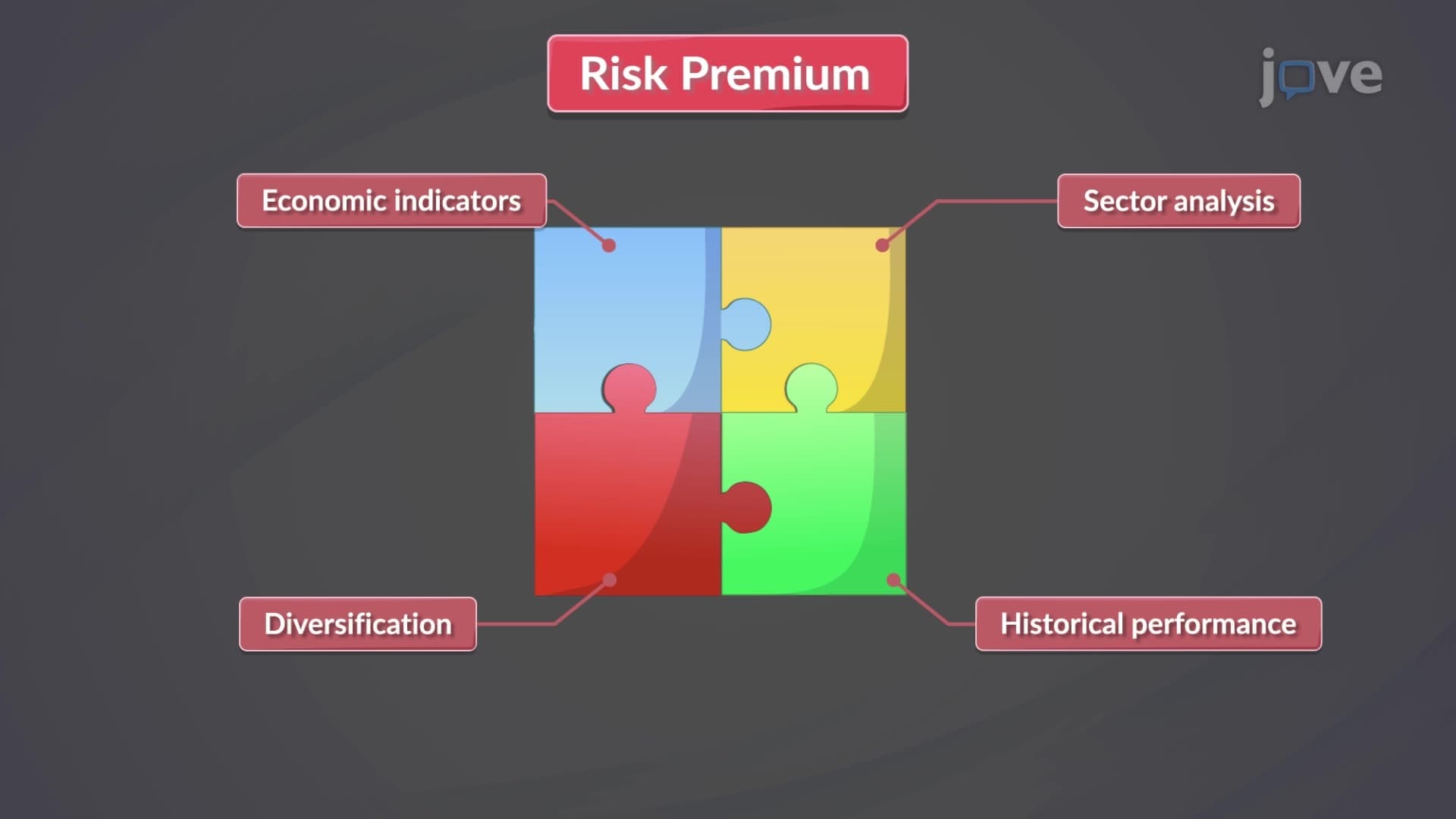
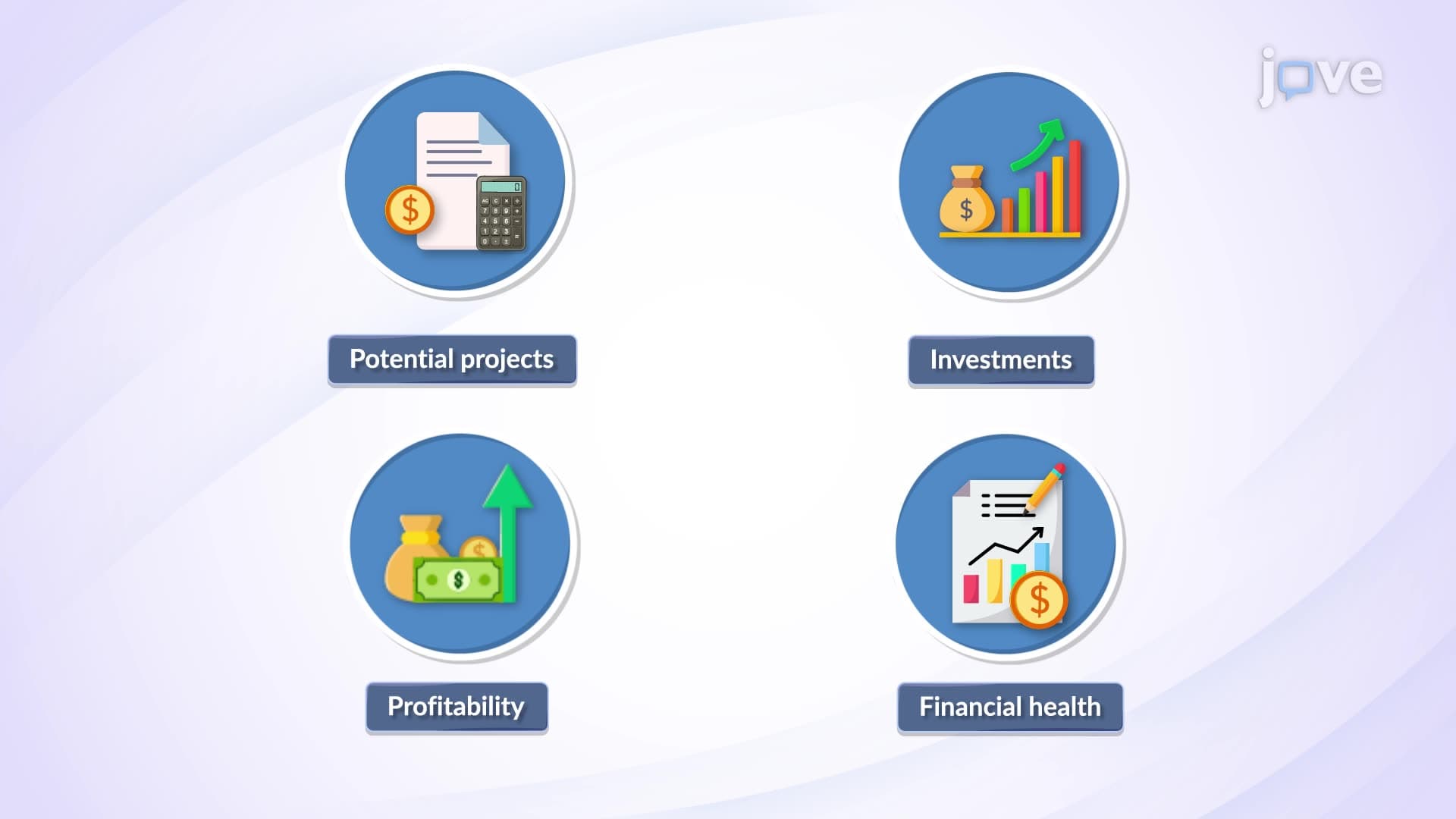
Professional investors employ sophisticated models to estimate expected returns, incorporating factors such as economic cycles, industry trends, and company-specific fundamentals. For instance, when Berkshire Hathaway evaluates potential acquisitions, Warren Buffett's team analyzes expected cash flows, discount rates, and growth projections to determine whether an investment meets their hurdle rates. The calculation involves weighting potential outcomes by their probability of occurrence, creating a single metric that captures both upside potential and downside risk.
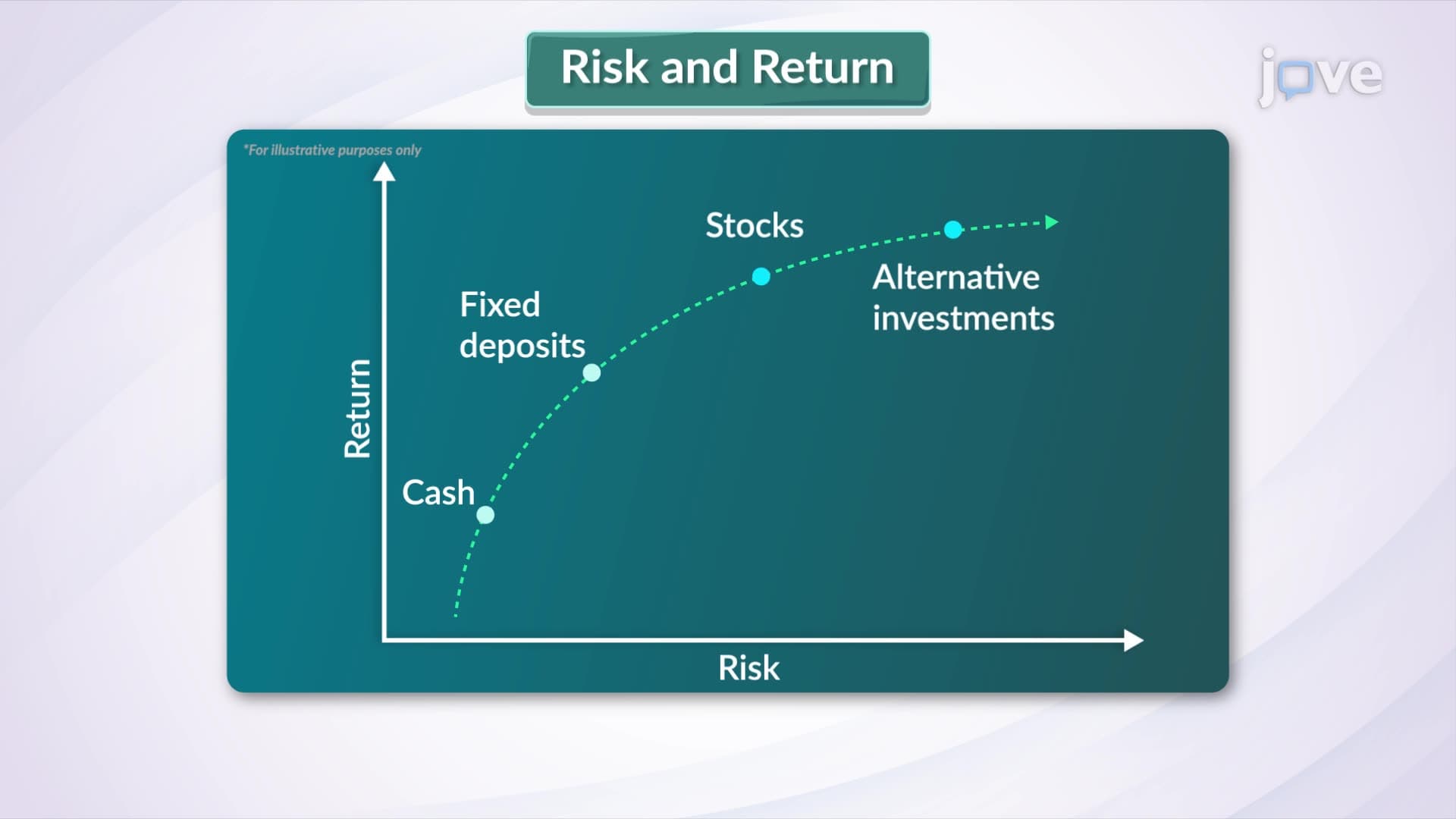
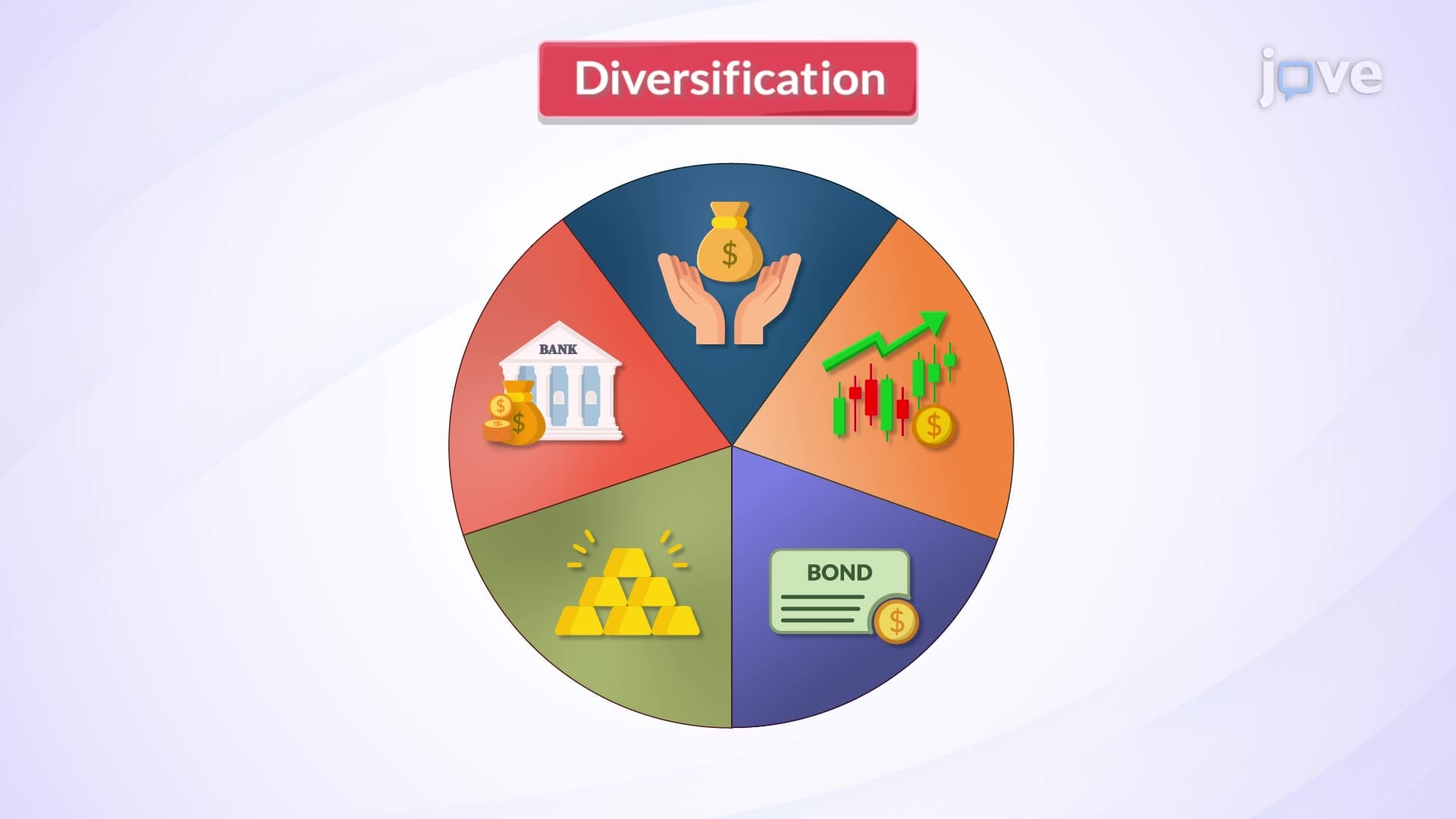
Expected return analysis becomes particularly crucial when managing diversified investment portfolios or corporate pension funds. Treasury departments at Fortune 500 companies like General Electric must balance the higher expected returns of equity investments against the stability of fixed-income securities. This decision-making process involves constructing efficient frontiers that maximize expected returns for given risk levels, enabling organizations to align their investment strategies with broader business objectives and fiduciary responsibilities.
Real-world expected returns fluctuate based on changing market conditions, regulatory environments, and macroeconomic factors. During the 2020 pandemic, investment committees across major institutions had to rapidly reassess their expected return assumptions as traditional correlations broke down and new risk factors emerged. Professional fund managers at firms like Vanguard and BlackRock continuously update their models to reflect evolving market realities, ensuring their expected return projections remain relevant for client asset allocation decisions and strategic planning processes.
Related Micro-courses