Loading video…


 17 Concepts
 6.5K views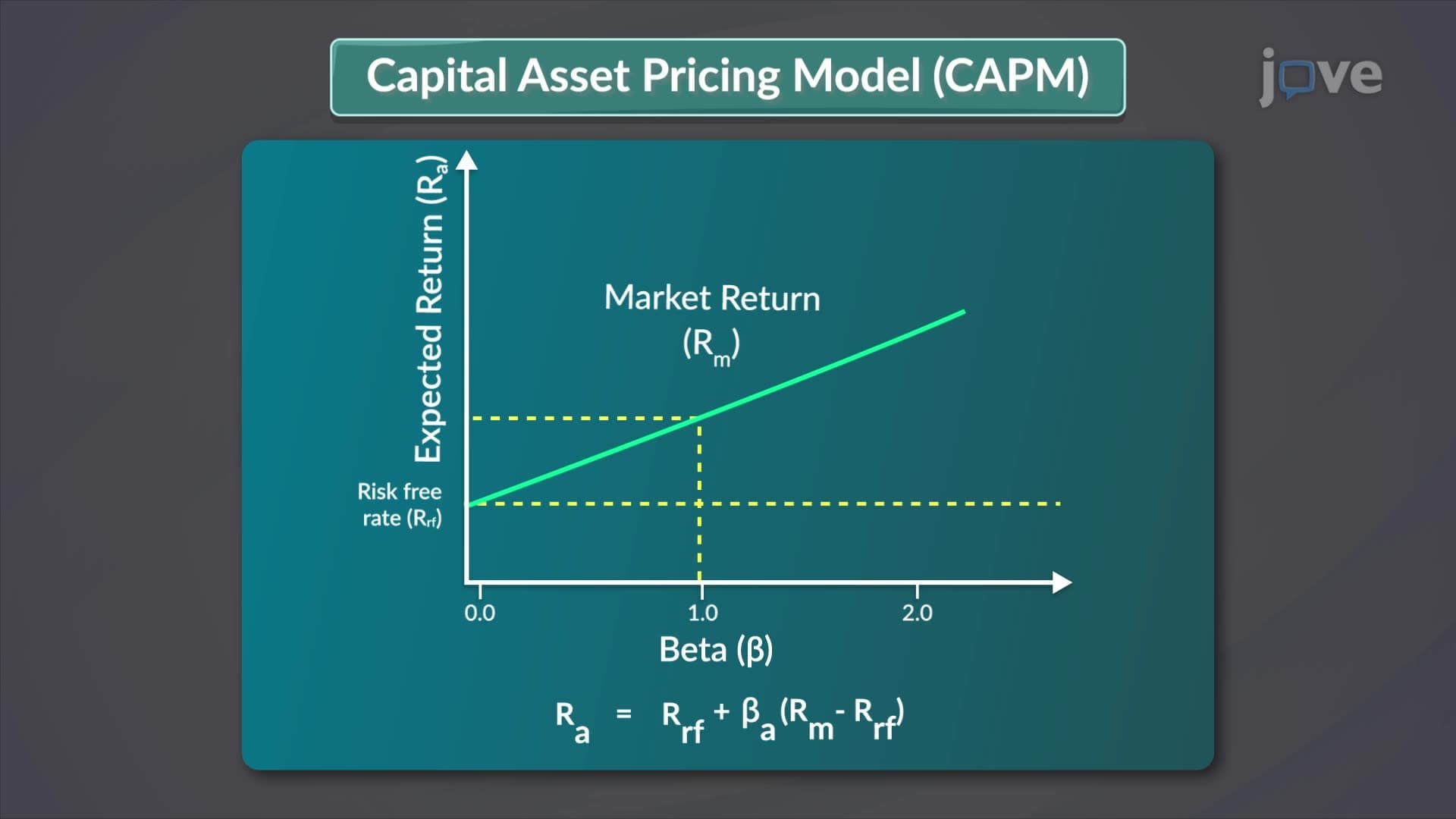

Video Summary: Capital Asset Pricing Model Introduction Explained
When portfolio managers at BlackRock evaluate multi-billion dollar investment decisions, they rely on the capital asset pricing model to quantify expected returns against systematic risk. This foundational framework helps financial professionals determine whether Apple stock trading at current levels offers adequate compensation for market exposure. The Capital Asset Pricing Model Introduction Explained demonstrates how beta coefficients, risk-free rates, and market premiums combine into actionable investment insights that drive institutional portfolio allocation decisions. Watch the full video on JoVE Coach to master this concept with expert-led visuals and step-by-step explanations.
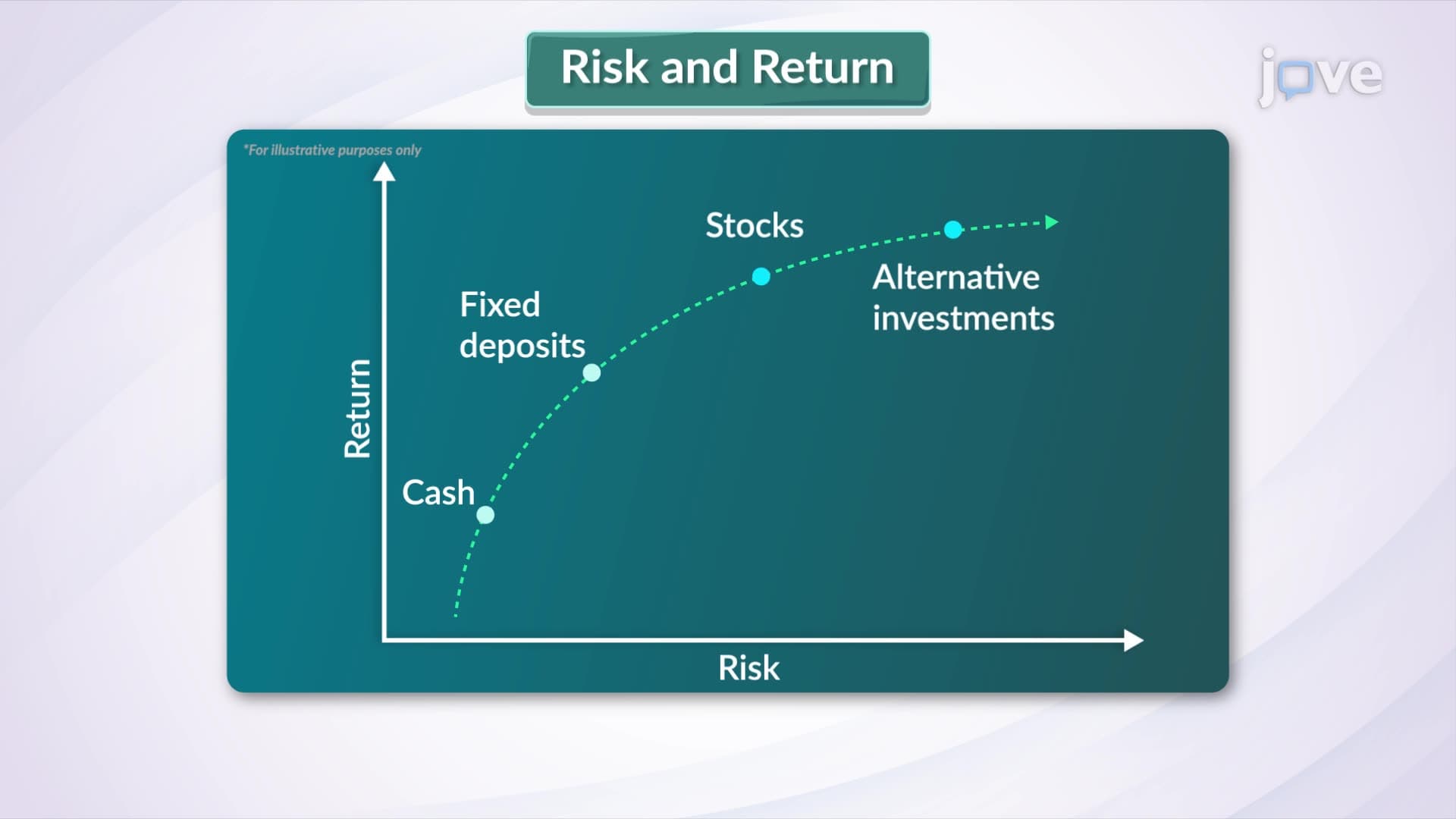
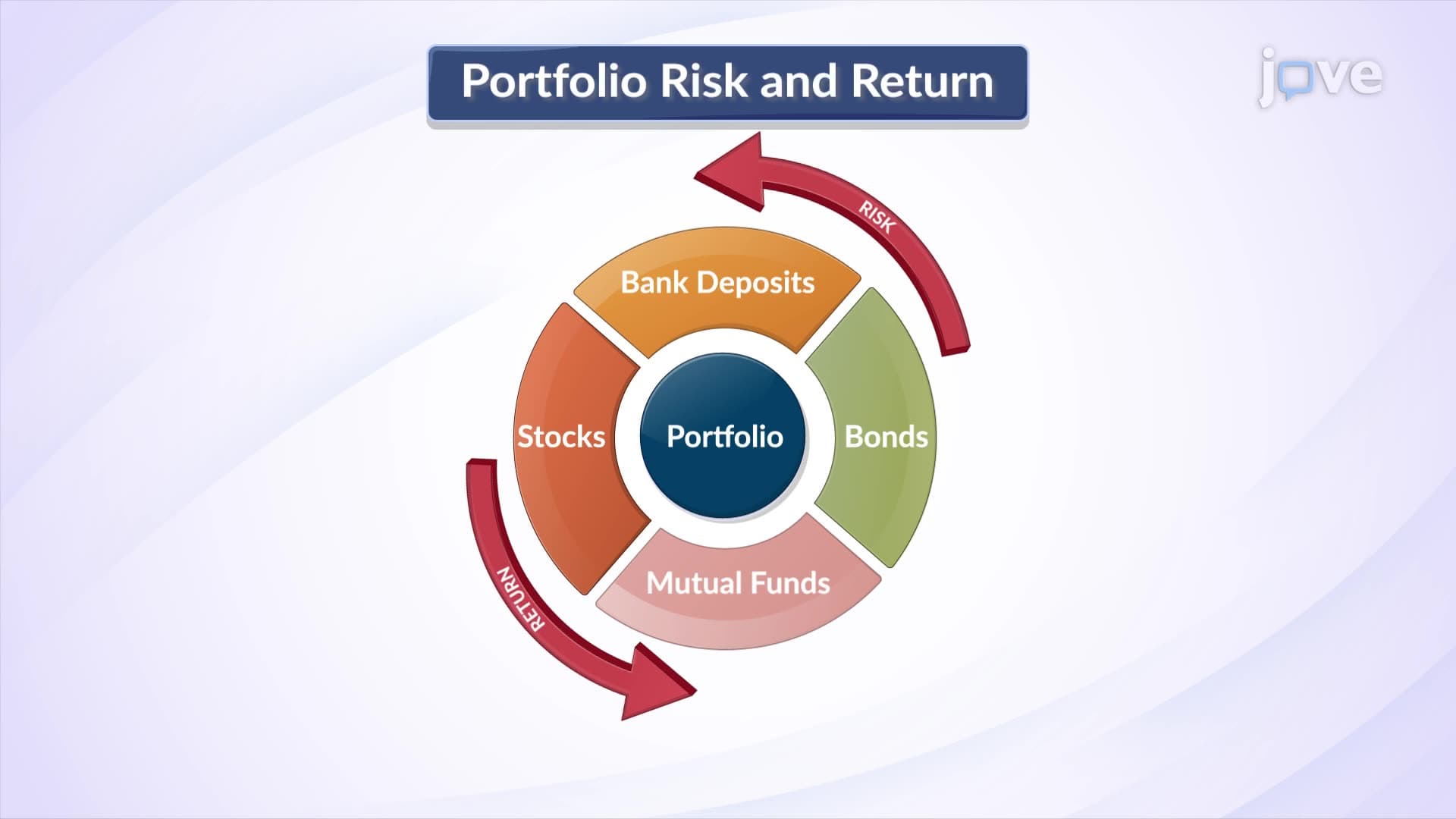
Modern portfolio management at institutional investors like Vanguard and Fidelity relies heavily on systematic approaches to risk-return analysis. When chief investment officers allocate billions across asset classes, they need frameworks that translate market uncertainty into quantifiable metrics. The capital asset pricing model serves this critical function by establishing mathematical relationships between systematic risk exposure and expected investment returns.
The model's elegance lies in its simplicity: Expected Return = Risk-free Rate + Beta × (Market Return - Risk-free Rate). Each component carries specific business implications. The risk-free rate, typically represented by 10-year Treasury yields, establishes the baseline return for zero-risk investments. Currently trading around 4.5%, this rate affects corporate borrowing costs and capital allocation decisions across industries.
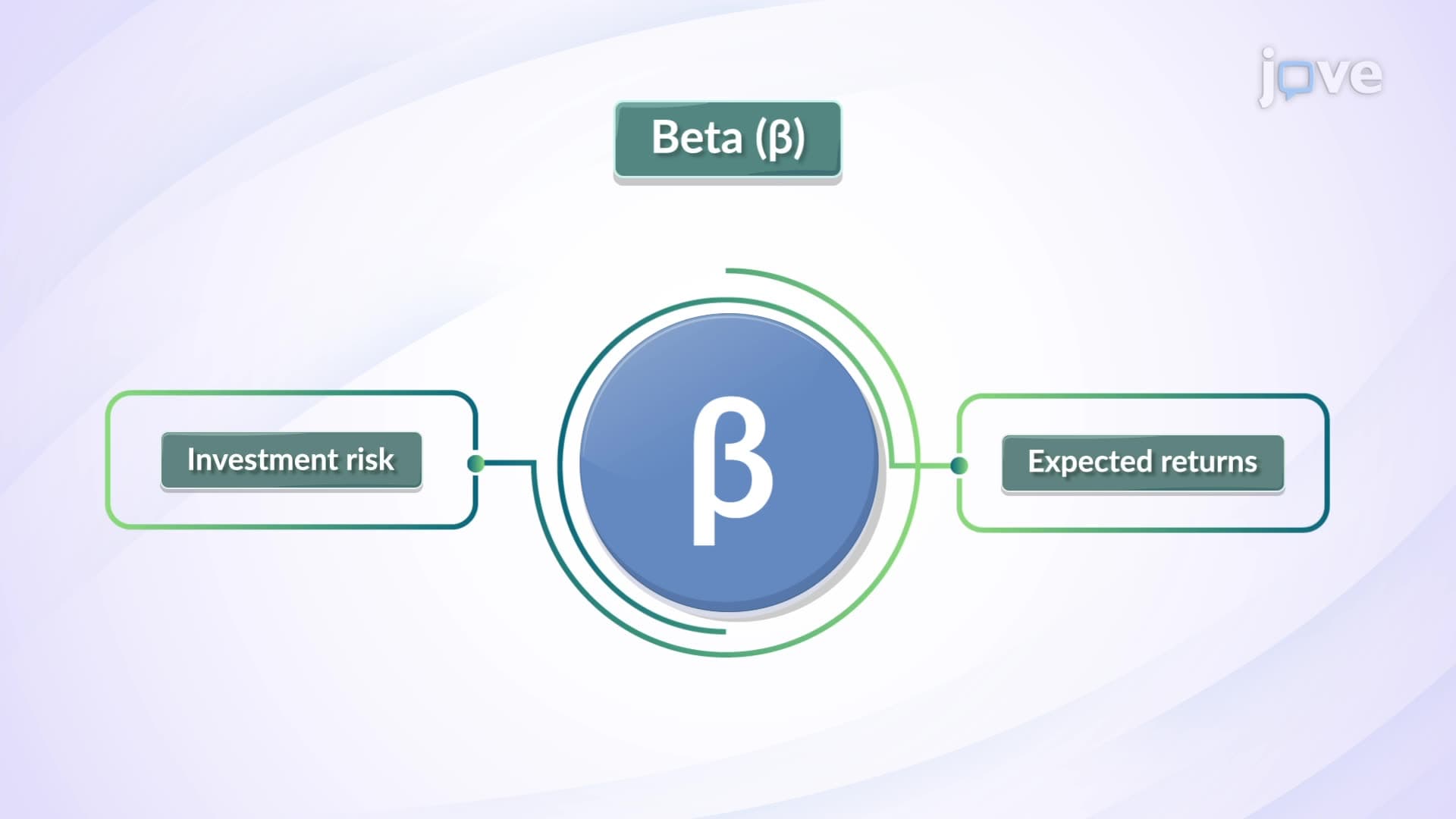
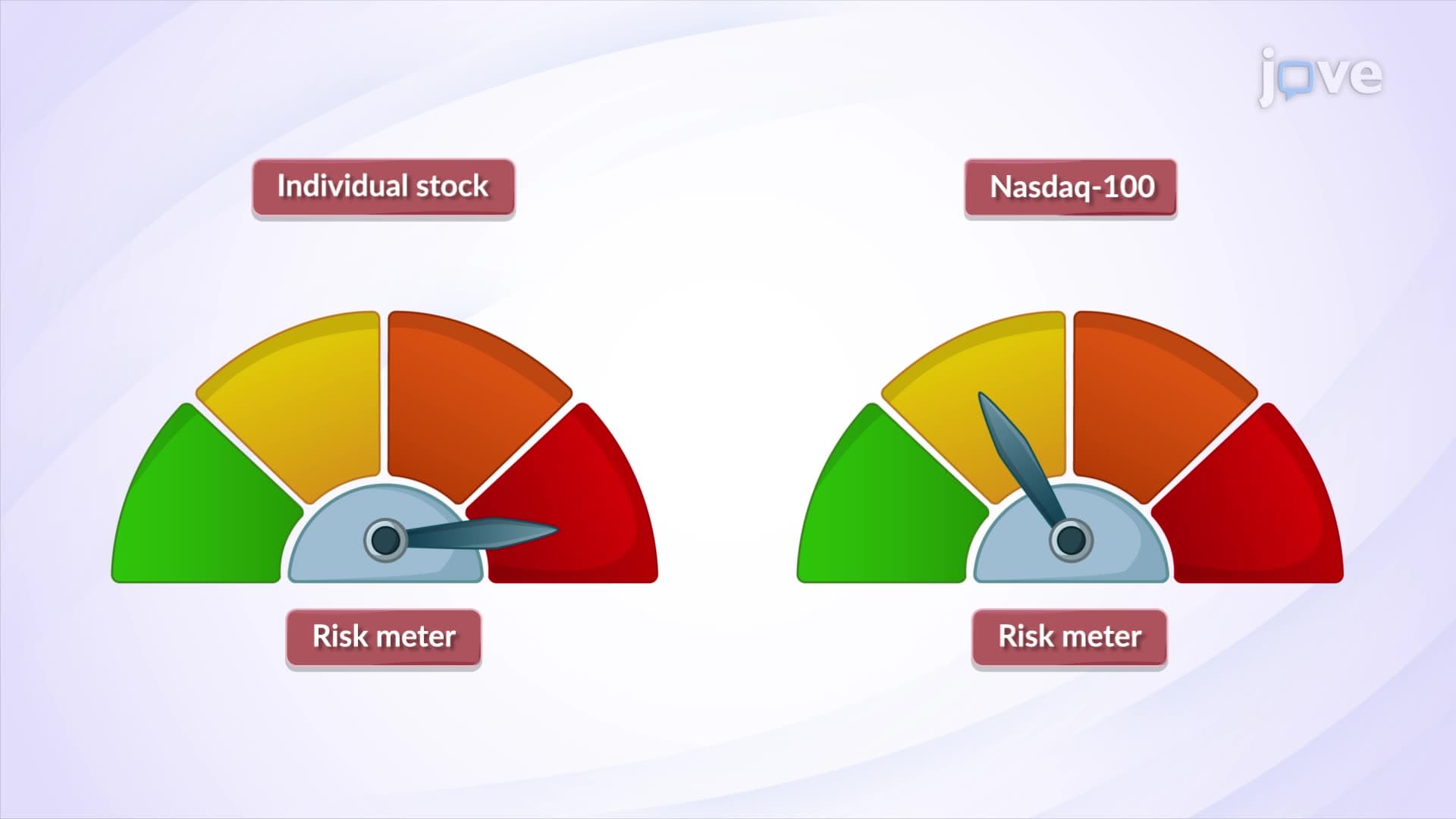
Beta coefficients measure systematic risk sensitivity. Tesla's beta of approximately 2.0 indicates the stock typically moves twice as much as the S&P 500 in either direction. This high beta reflects the electric vehicle industry's volatility and growth dynamics. Conversely, Coca-Cola's beta near 0.6 demonstrates the defensive characteristics of consumer staples, making it attractive during economic uncertainty.
Investment committees use CAPM extensively for capital budgeting decisions. When Amazon evaluates new fulfillment center investments, finance teams apply risk-adjusted discount rates derived from CAPM calculations. Projects in stable markets might use lower discount rates, while international expansion initiatives require higher rates reflecting additional systematic risks.
The model also influences executive compensation design. Many Fortune 500 companies tie performance bonuses to risk-adjusted returns rather than absolute stock price appreciation. This approach, grounded in CAPM principles, ensures management teams consider both returns generated and risks undertaken in pursuing growth strategies.
While CAPM provides valuable insights, seasoned practitioners recognize its limitations. The model assumes perfect capital markets and uniform investor expectations-conditions rarely observed in practice. Behavioral finance research has revealed how investor psychology, market microstructure effects, and liquidity constraints can cause actual returns to deviate from CAPM predictions. Professional investors increasingly supplement CAPM with multi-factor models that incorporate size, value, and momentum factors for more nuanced risk assessment.
Related Micro-courses