Loading subject page…


6,515 views

Video Summary: What Is Portfolio Risk and Return
Portfolio risk return decisions shape every major investment strategy, from corporate treasury management to individual wealth building. Understanding portfolio risk and return becomes critical when financial leaders at companies like BlackRock evaluate asset allocation models that can impact billions in managed assets. This fundamental concept explains how investment volatility directly correlates with potential rewards, enabling professionals to make data-driven decisions about risk tolerance and expected performance outcomes. Watch the full video on JoVE Coach to master this concept with expert-led visuals and step-by-step explanations.
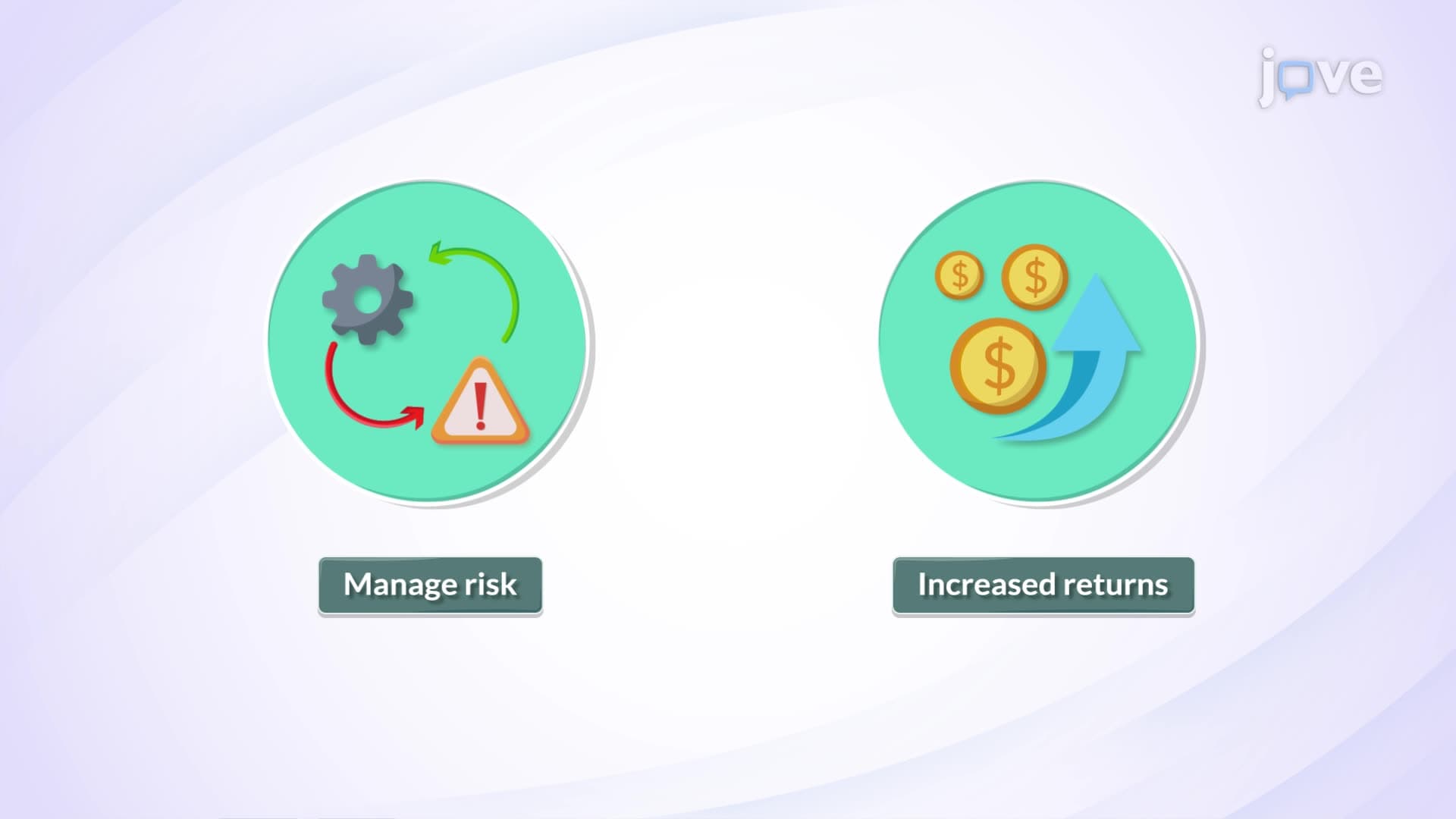
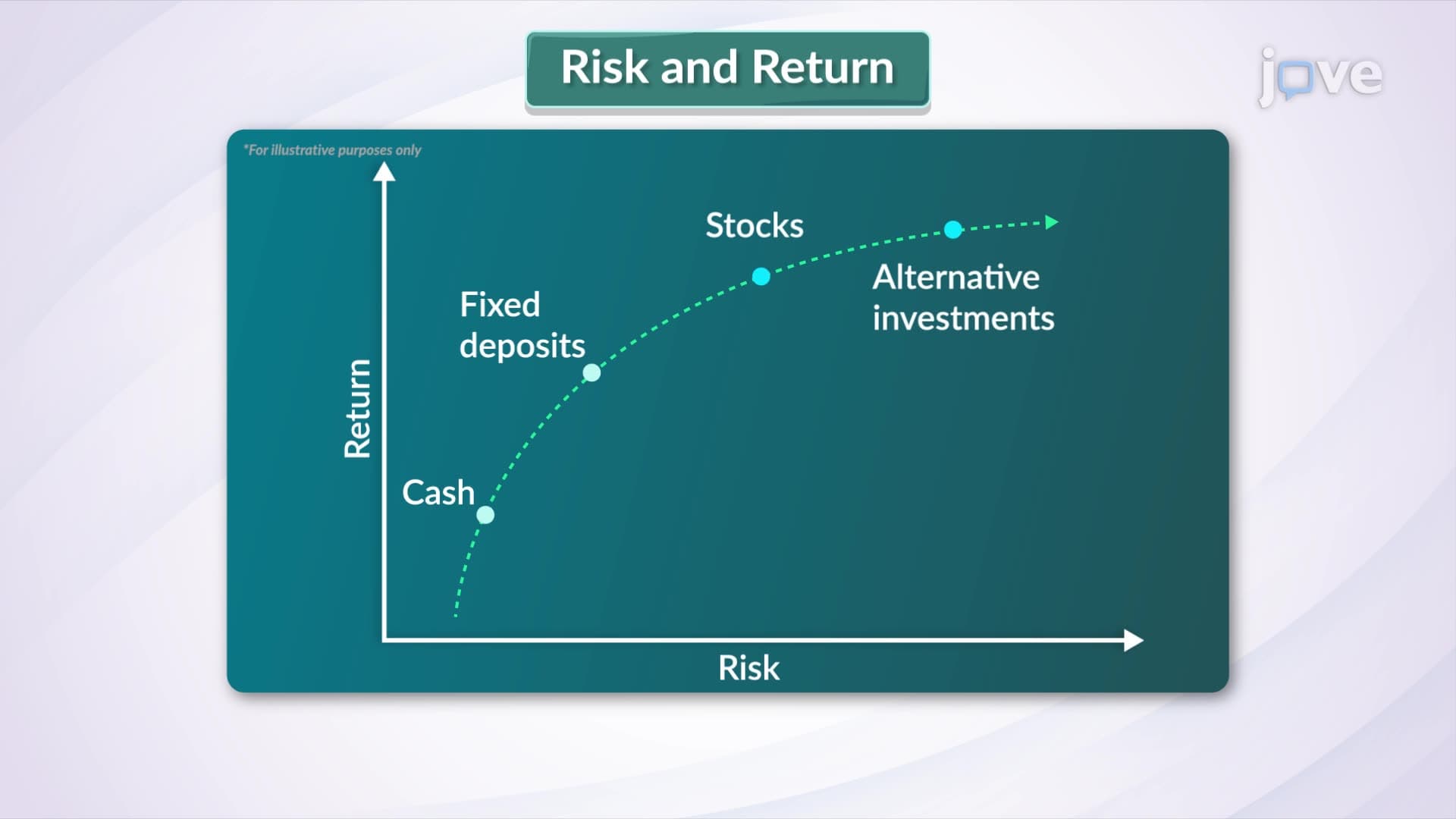
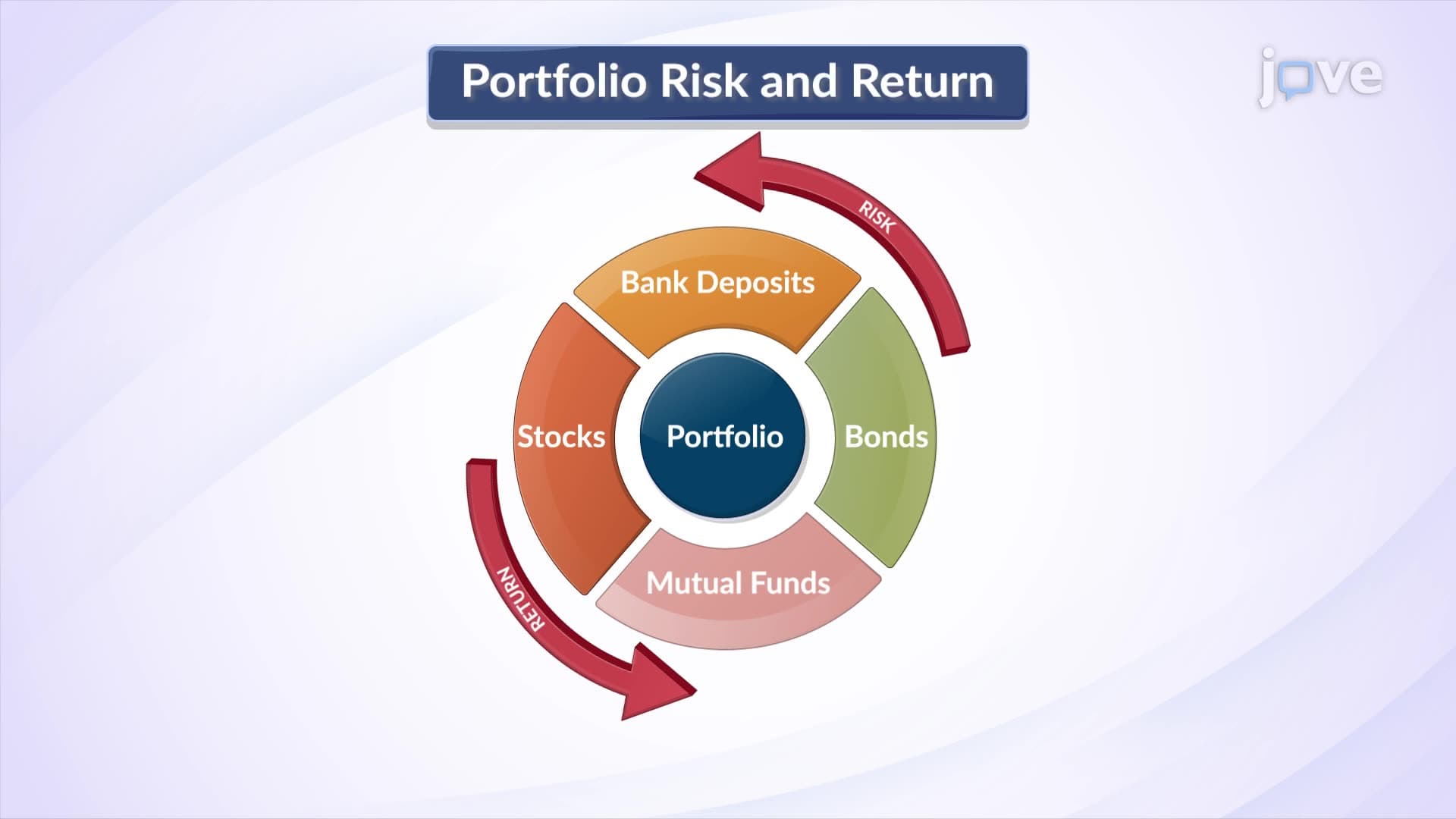
When Berkshire Hathaway's investment committee evaluates new positions, they apply the fundamental principle that higher potential returns typically require accepting greater volatility and downside risk. This portfolio risk and return relationship drives virtually every investment decision in corporate America, from pension fund management to working capital deployment.
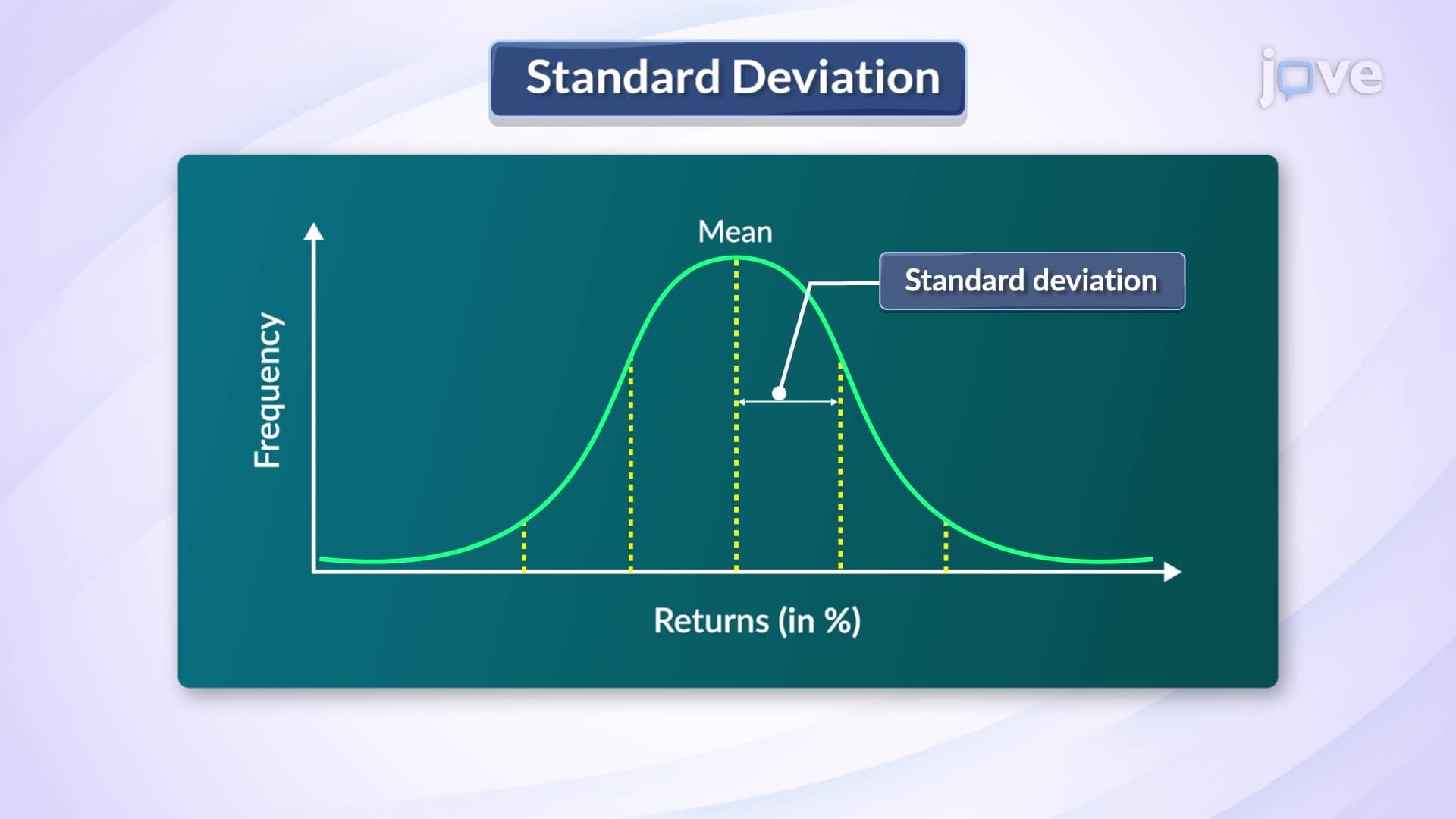
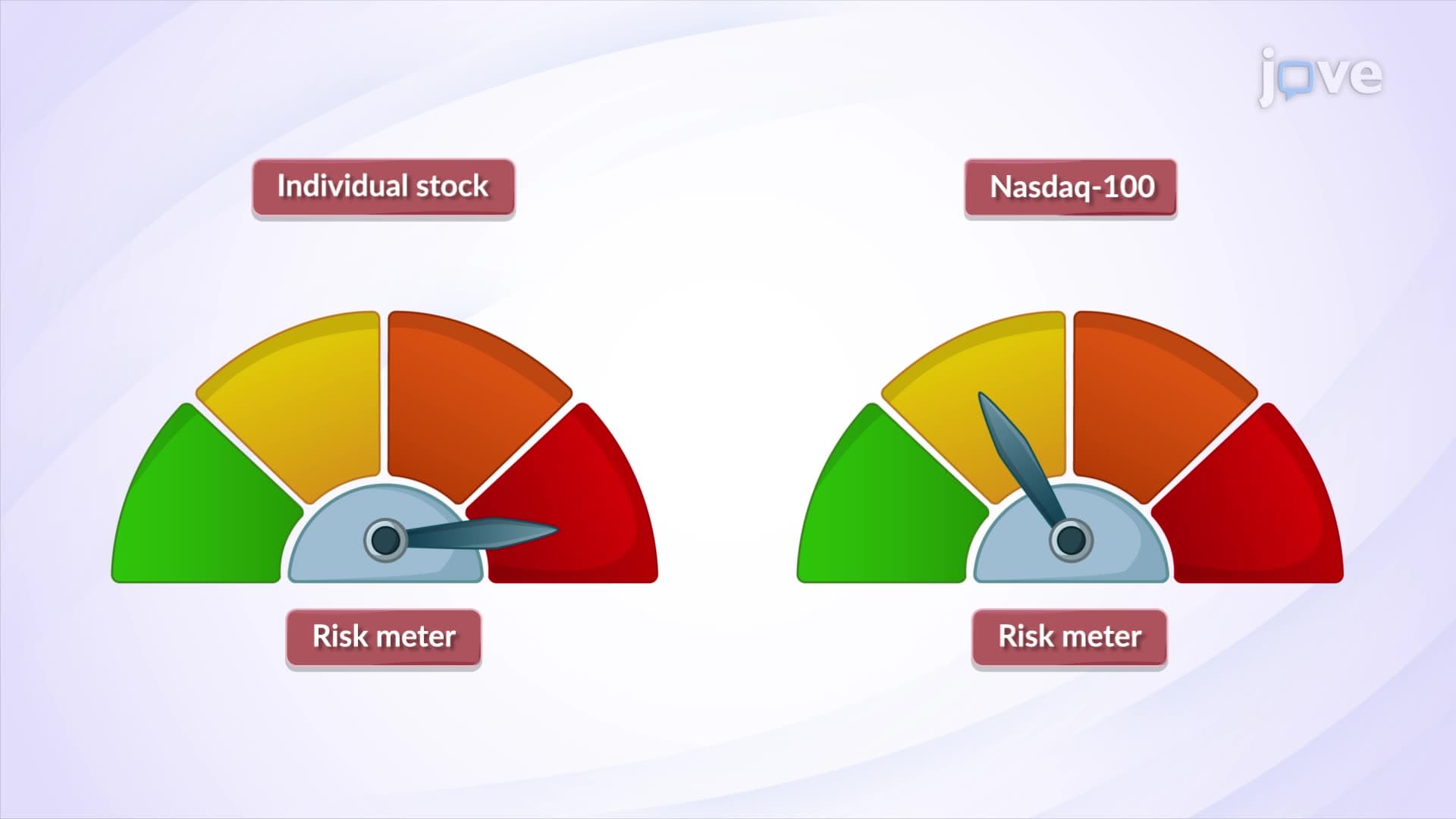
Portfolio risk manifests as volatility in expected returns, creating a spectrum of investment approaches. Conservative portfolios, similar to those held by utility companies like Consolidated Edison, emphasize government bonds and high-grade corporate debt. These positions offer predictable cash flows but limited upside potential. Conversely, growth-focused portfolios mirror the aggressive strategies of technology companies like Tesla, which maintain substantial equity positions despite higher volatility.
The key insight for business leaders: risk tolerance must align with organizational objectives and cash flow requirements. A mature manufacturing company with predictable revenue streams can accept different risk levels compared to a startup requiring liquid capital for rapid scaling.
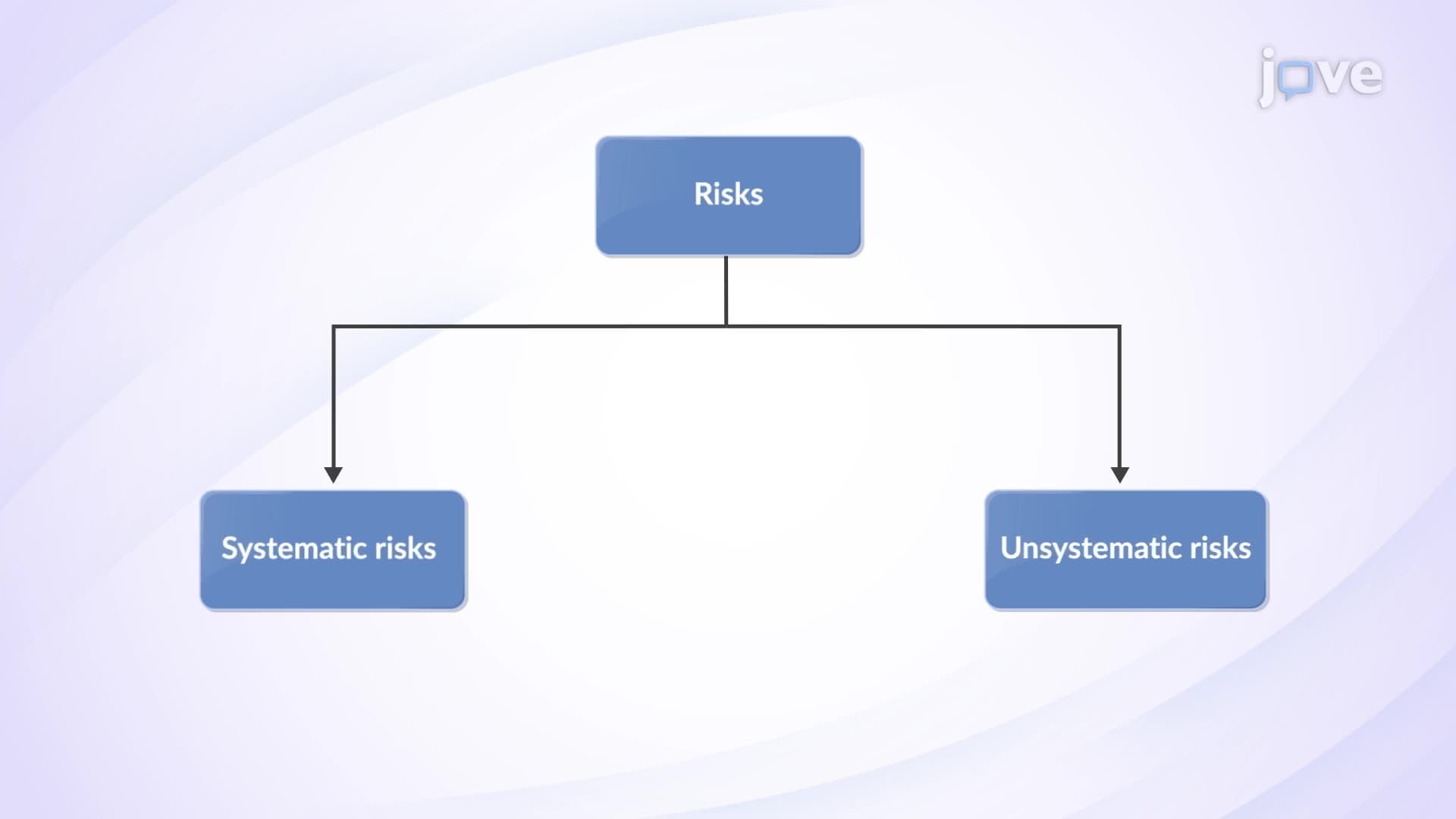
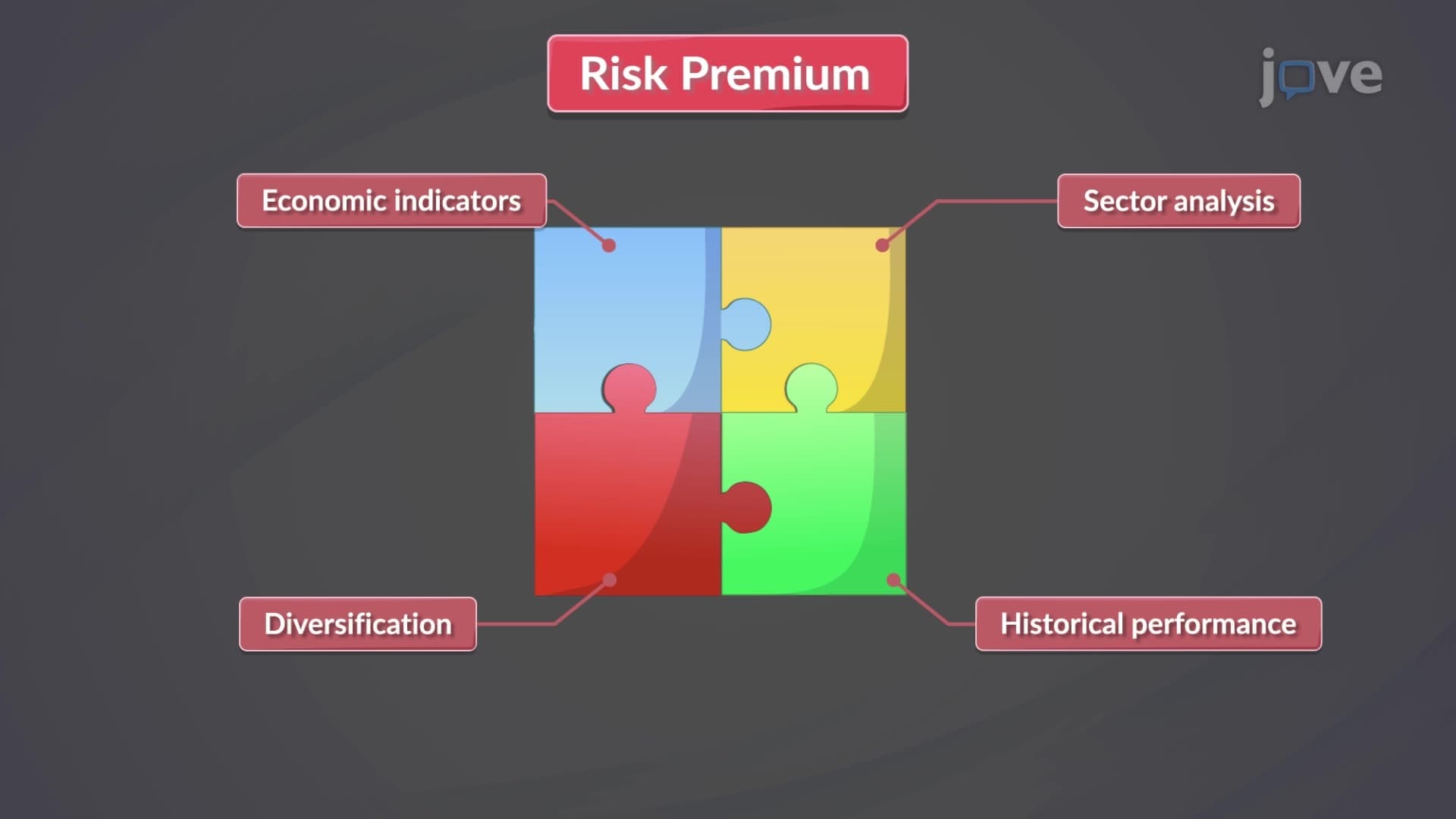
Effective portfolio construction extends beyond simple asset allocation. Professional portfolio managers implement diversification across multiple dimensions: asset classes (stocks, bonds, real estate), geographic regions (domestic vs. international), and industry sectors (technology, healthcare, financial services). This approach, exemplified by major institutional investors like CalPERS, aims to reduce correlation between holdings and minimize portfolio-wide volatility.
Consider how Apple manages its $196 billion cash position across various instruments and currencies. The company balances liquidity needs for operations and acquisitions with return optimization through diversified short-term investments. This strategy demonstrates practical risk management while preserving capital appreciation opportunities.
Portfolio risk and return principles apply beyond investment management to core business decisions. Companies like Amazon evaluate new market entries, product lines, and capital expenditures using similar risk-adjusted return frameworks. Each initiative carries inherent volatility and potential rewards that must align with overall corporate risk tolerance and shareholder expectations.
Related Micro-courses