Loading video…


 17 Concepts
 6.5K views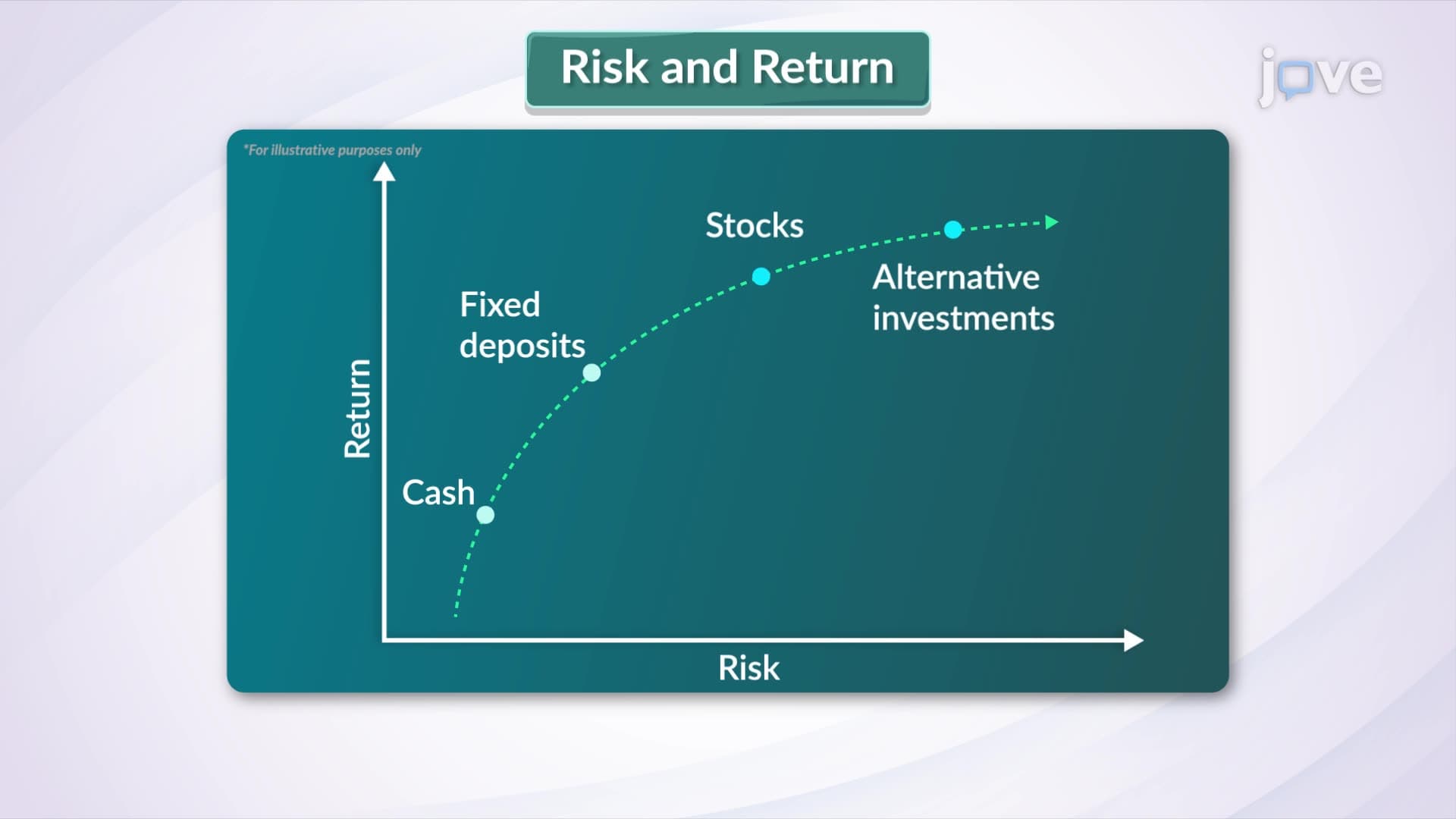

Video Summary: Relationship Between Risk and Return Explained
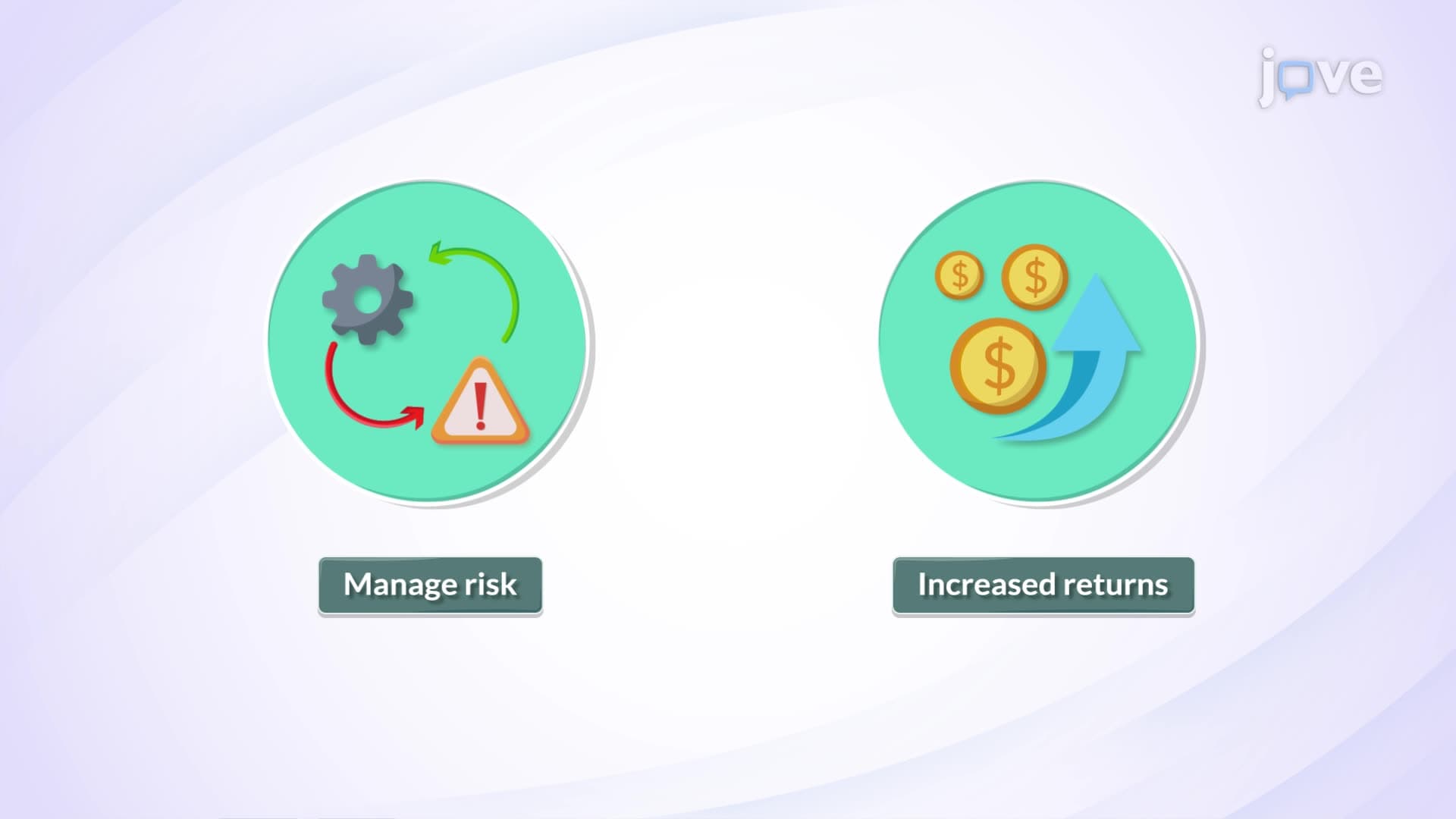
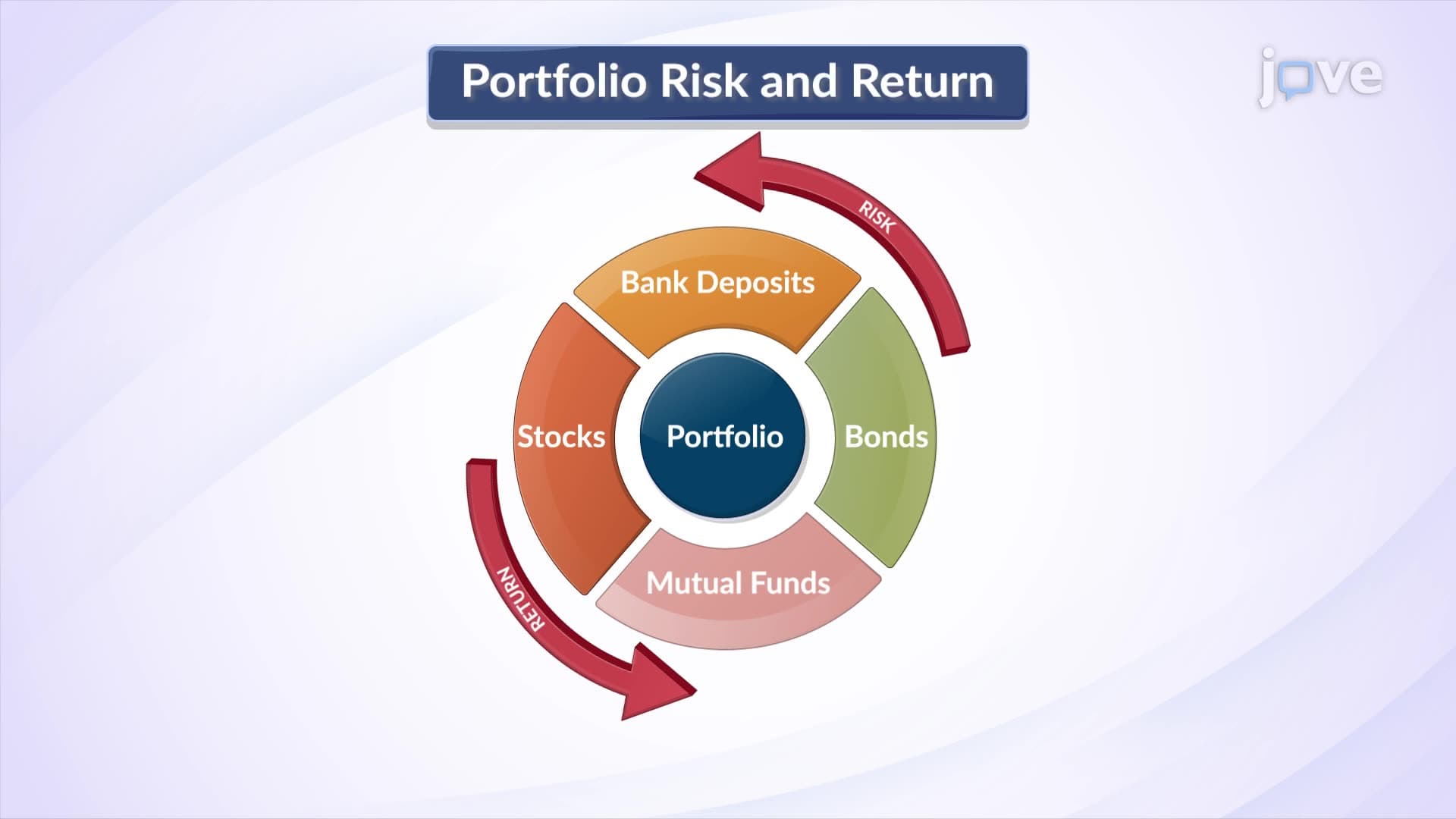
When BlackRock's CEO Larry Fink makes billion-dollar asset allocation decisions, the relationship between risk return fundamentals guide every choice. The relationship between risk and return explained reveals why tech giants like Amazon command higher investor premiums than utility stocks-higher uncertainty demands higher compensation. This core principle shapes everything from venture capital portfolios to corporate treasury strategies. Working professionals across finance, strategy, and operations must master this tradeoff to optimize business decisions and personal wealth building. Watch the full video on JoVE Coach to master this concept with expert-led visuals and step-by-step explanations.
Corporate treasurers at companies like Microsoft face this fundamental principle daily: accepting higher uncertainty to achieve superior returns, or choosing stability at the cost of growth potential. This relationship between risk and return forms the backbone of every significant business decision, from merger acquisitions to product development funding.
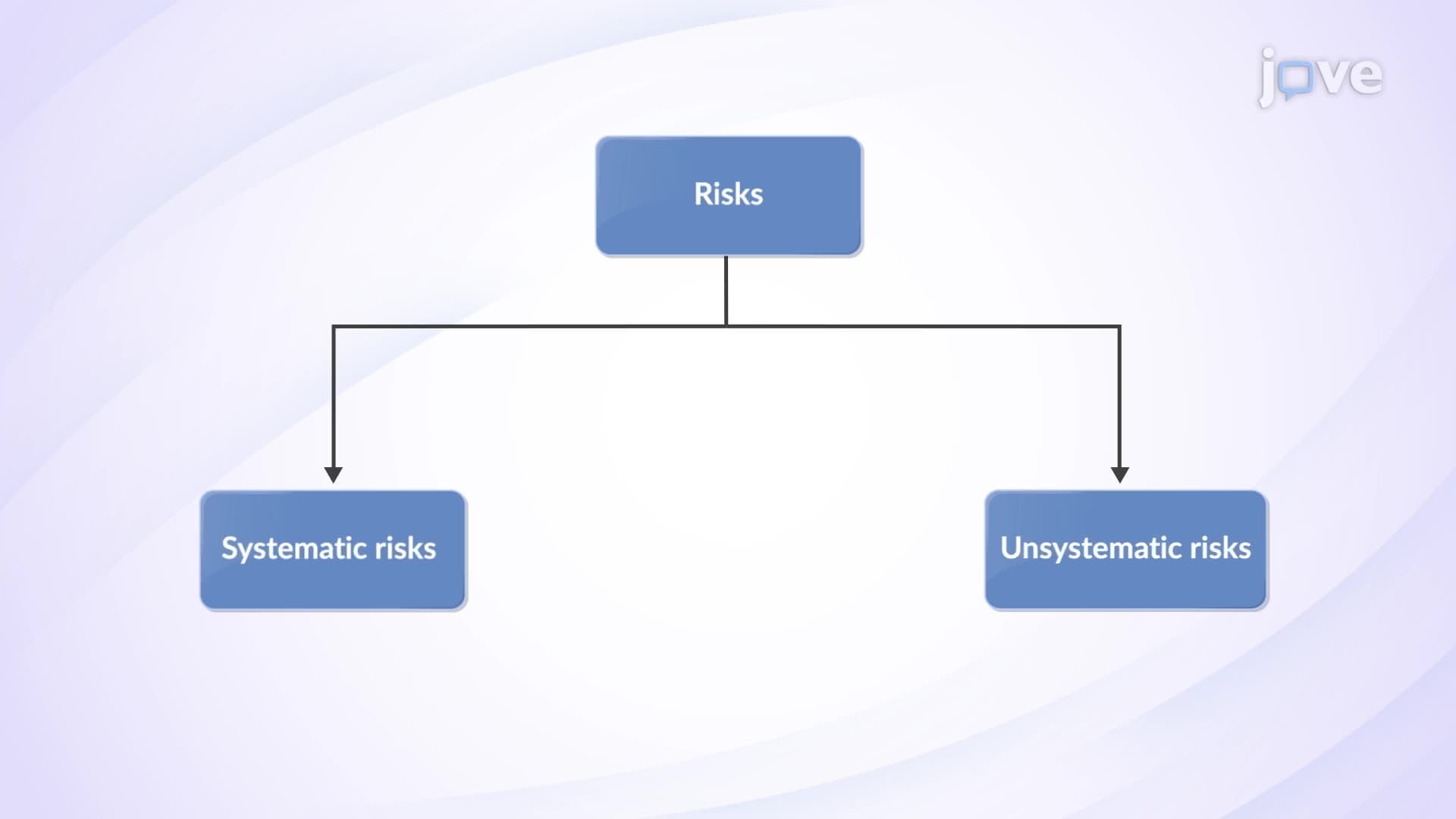
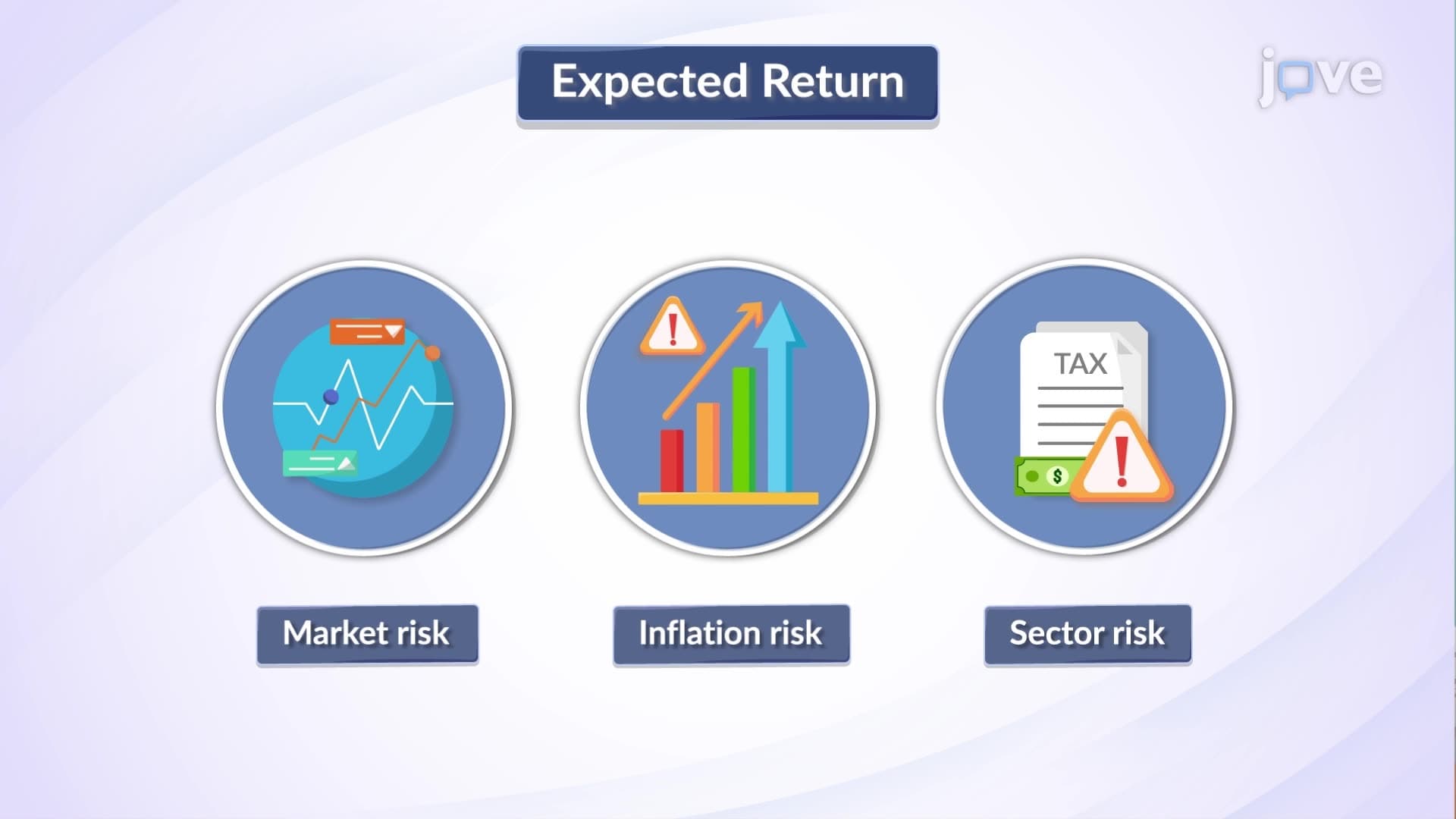
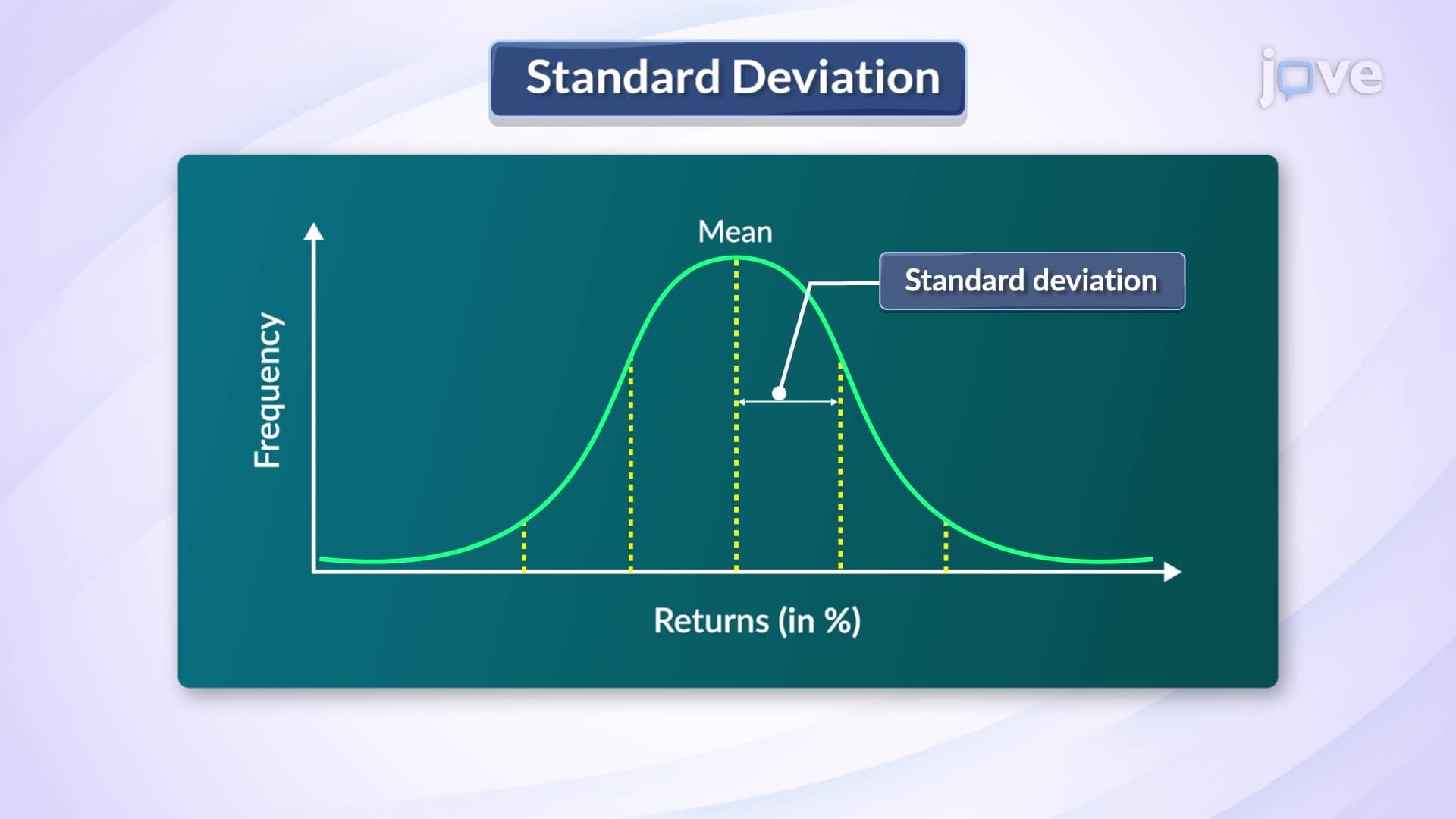
Risk encompasses more than simple volatility-it represents the probability that actual outcomes will deviate from projected performance. When Berkshire Hathaway's Warren Buffett evaluates potential investments, he's measuring multiple risk dimensions: market risk, credit risk, operational risk, and regulatory changes. Professional investors must quantify these uncertainties using metrics like standard deviation, beta coefficients, and value-at-risk models.
The what is relationship between risk and return question becomes critical during economic transitions. Consider how rising interest rates impact different asset classes: while tech stocks face valuation pressure due to higher discount rates, financial institutions like JPMorgan Chase often benefit from improved net interest margins.
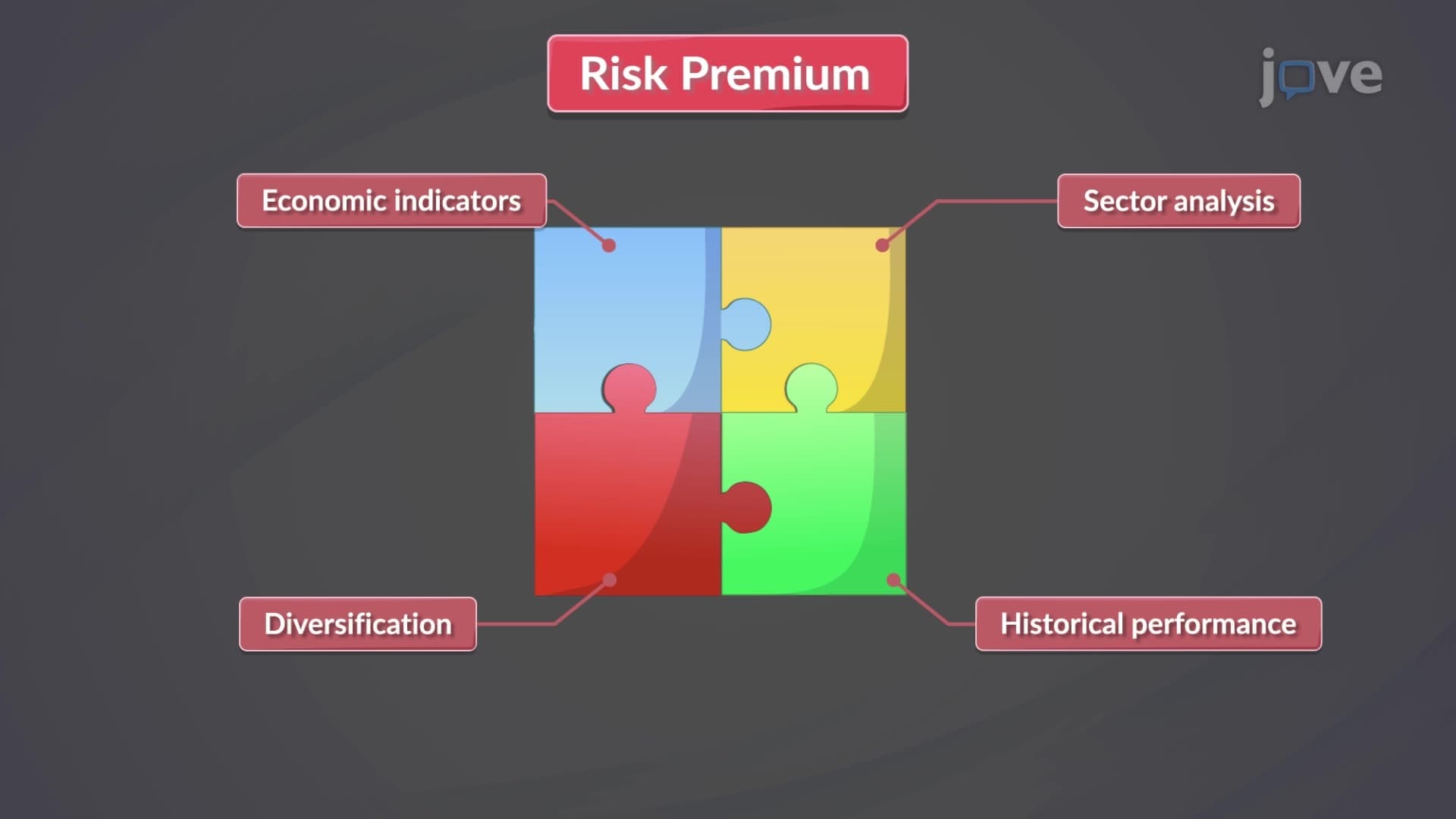
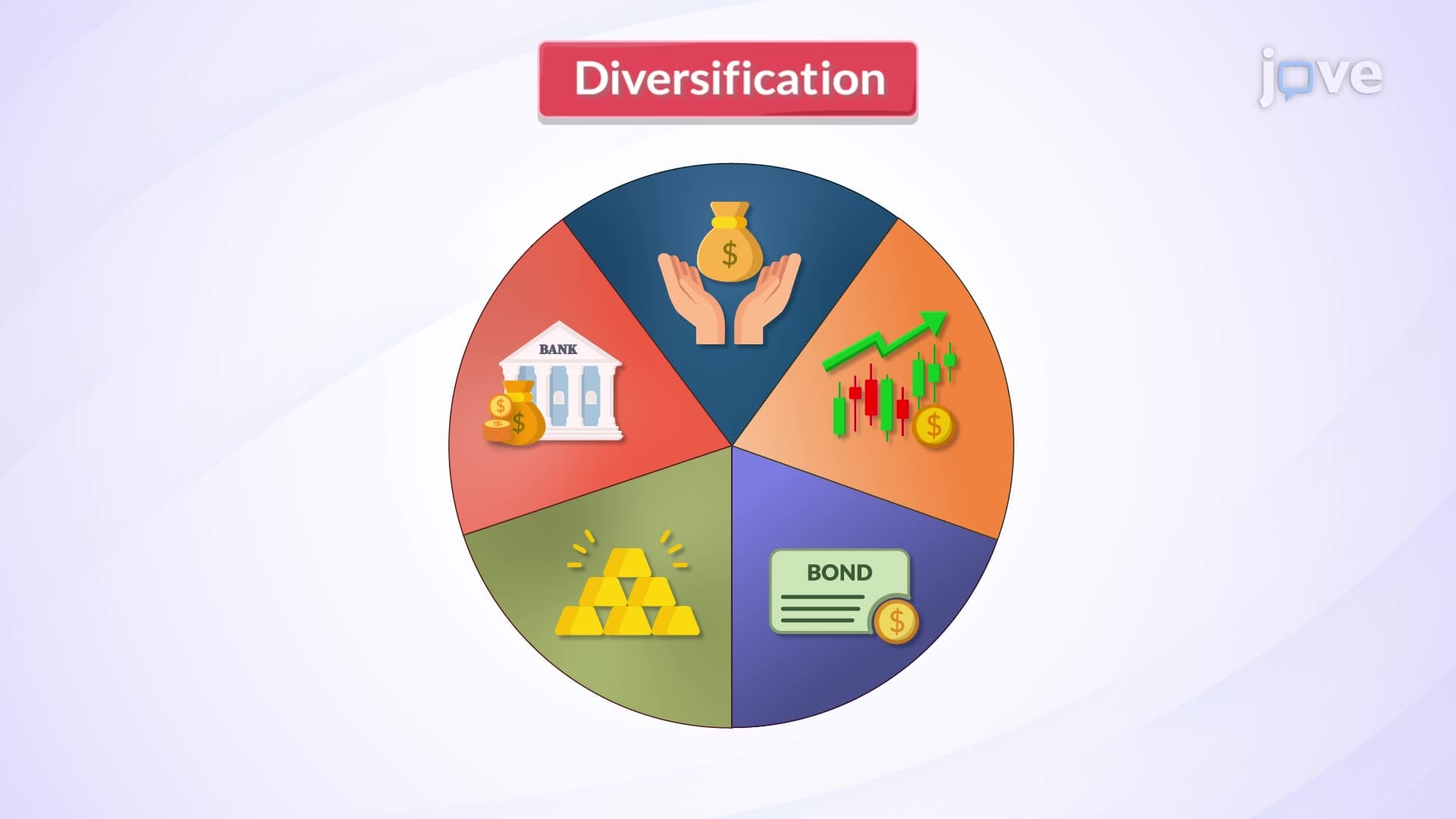
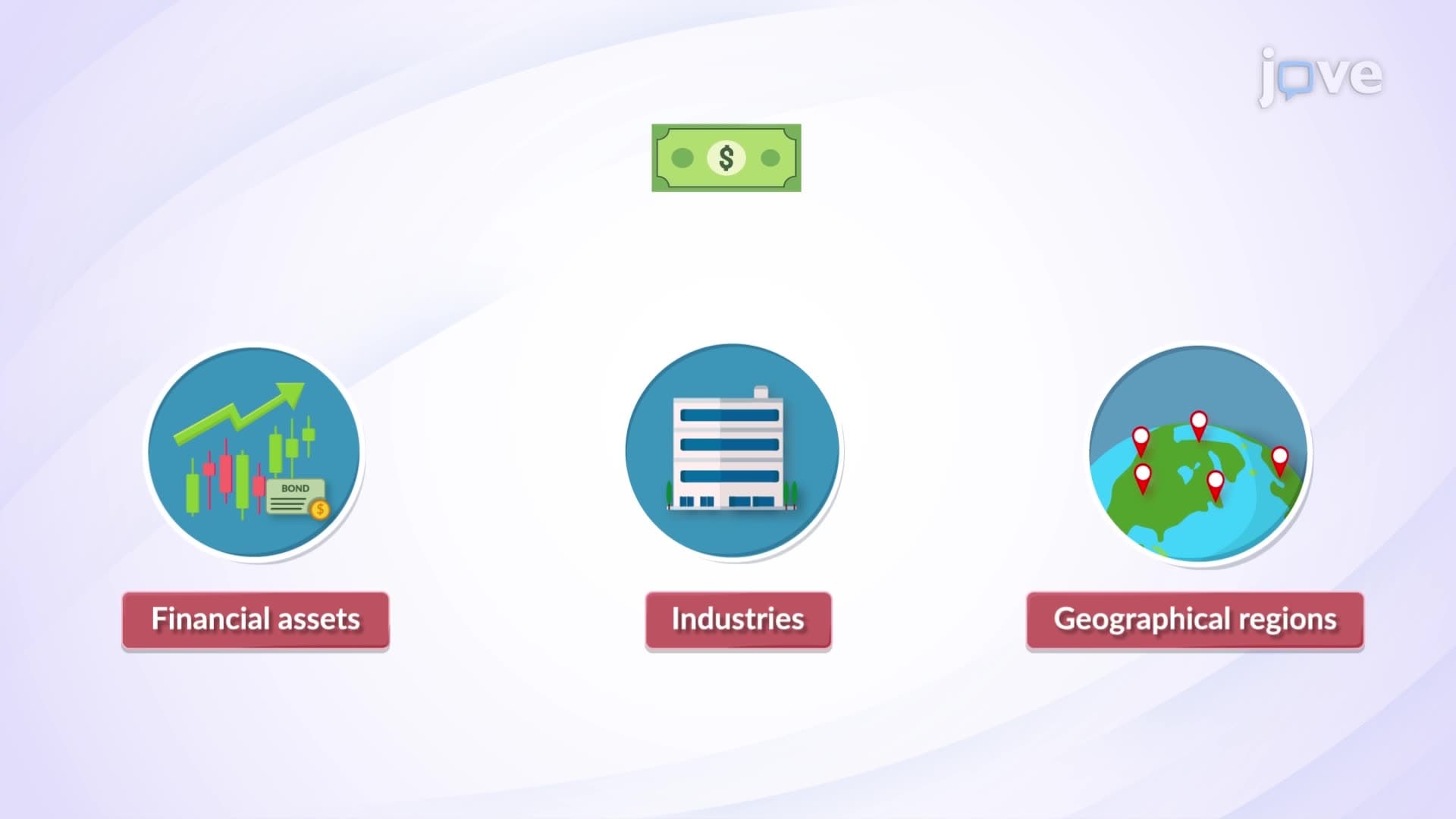
Modern portfolio theory demonstrates that diversification can reduce overall risk without sacrificing returns-the only "free lunch" in finance. Corporate pension funds like those managed by Vanguard exemplify this principle by combining growth equities, fixed income, real estate investment trusts (REITs), and alternative investments.
Successful executives understand that risk tolerance varies with investment horizons and liquidity needs. Short-term operational cash might reside in Treasury bills or high-grade commercial paper, while long-term strategic reserves can pursue higher-risk growth opportunities through private equity or emerging market exposure.
The risk-return relationship directly impacts capital structure decisions. Companies like Apple maintain substantial cash reserves in low-risk securities, accepting minimal returns for maximum flexibility during strategic opportunities or market disruptions. Conversely, leveraged buyout firms deliberately increase risk through debt financing to amplify potential equity returns.
This fundamental principle also guides pricing strategies, vendor selection, and geographic expansion decisions. Each choice involves trading certainty for potential reward, requiring sophisticated risk assessment frameworks that account for competitive dynamics and market positioning.
Related Micro-courses