Loading video…


 17 Concepts
 6.5K views

Video Summary: What are Types of Risk Systematic
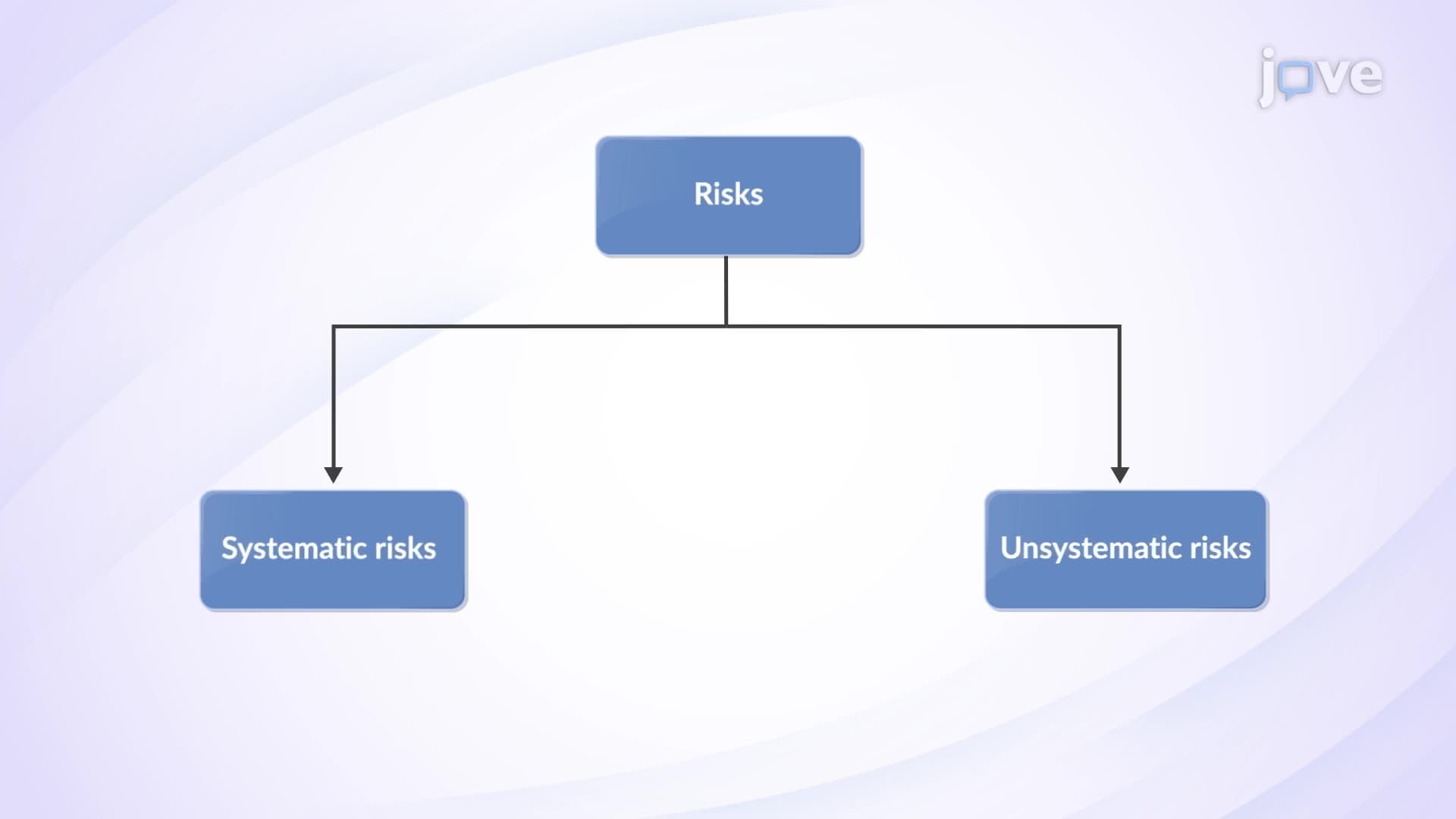
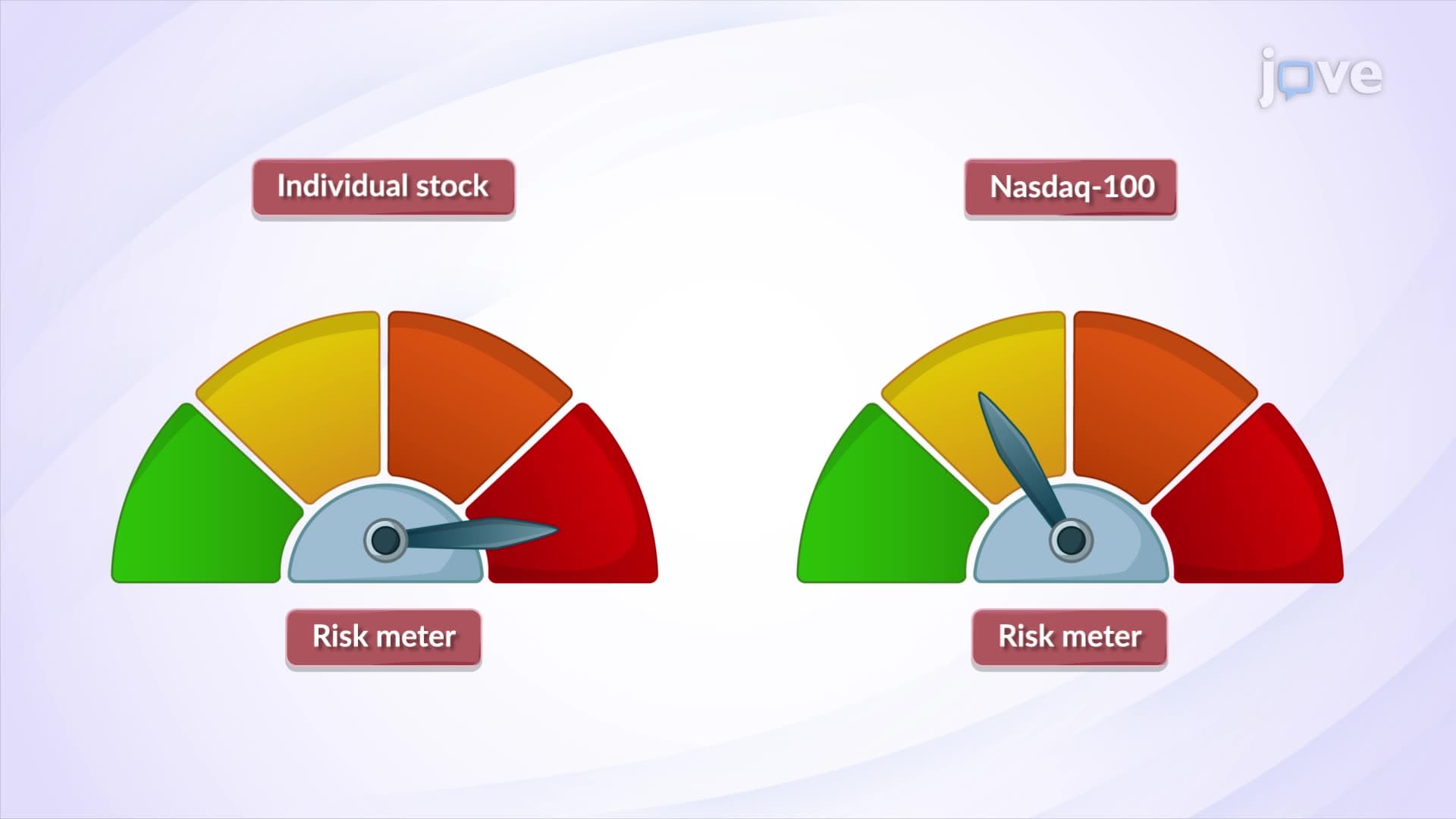
Understanding the types of risk systematic is crucial for portfolio managers and business leaders making strategic investment decisions. Market volatility during 2020's pandemic exposed how systematic risks-including market, interest rate, inflation, currency, and geopolitical risks-simultaneously impacted major corporations like Apple, whose stock declined alongside broader market indices despite strong fundamentals. These interconnected risks affect entire markets rather than individual securities, making them impossible to diversify away. Watch the full video on JoVE Coach to master this concept with expert-led visuals and step-by-step explanations.
When JPMorgan Chase's CEO Jamie Dimon warns about economic headwinds affecting the entire banking sector, he's highlighting systematic risk-the unavoidable market-wide risks that no amount of diversification can eliminate. For business professionals managing corporate investments, understanding systematic risk categories is essential for strategic planning and risk management.
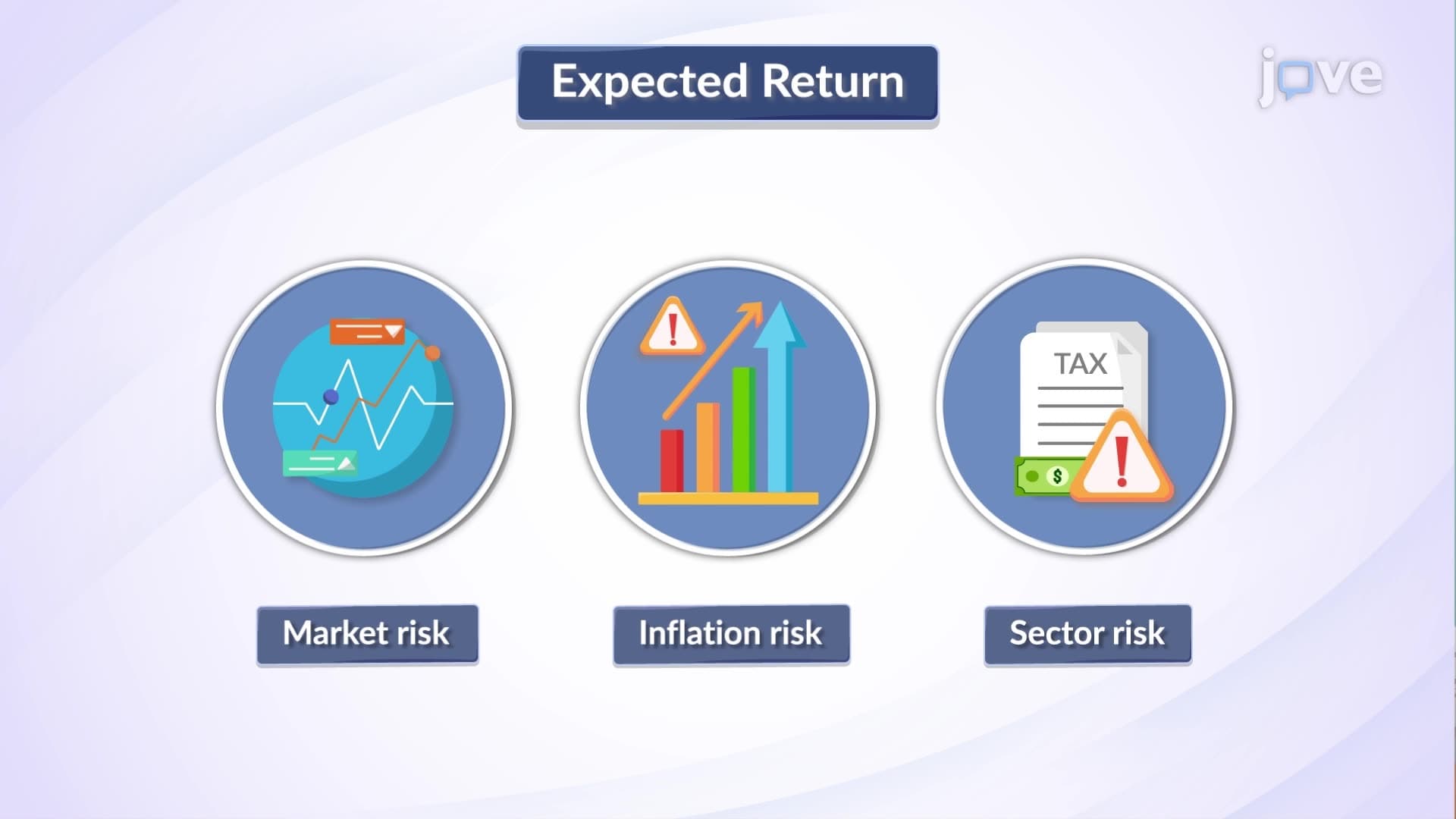
Market risk represents the possibility that broad market movements will negatively impact your investments regardless of individual company performance. During the March 2020 market crash, even fundamentally strong companies like Microsoft experienced significant stock price declines alongside weaker performers. This systematic risk affected entire portfolios, demonstrating why corporate treasury departments must plan for market-wide volatility when managing pension funds, cash reserves, and employee stock option programs.
Interest rate risk directly impacts corporate borrowing costs, bond portfolios, and capital investment decisions. When the Federal Reserve raised rates aggressively in 2022, companies with floating-rate debt like real estate investment trusts saw their financing costs surge immediately. Simultaneously, inflation risk erodes purchasing power and operational efficiency. Walmart, despite its scale advantages, faced margin pressure as inflation increased supplier costs faster than the company could adjust pricing strategies.
For multinational corporations, currency risk creates earnings volatility that sophisticated hedging strategies can only partially mitigate. General Electric's international operations regularly face foreign exchange headwinds that impact quarterly results. Geopolitical risks, including regulatory changes and political instability, create systematic pressures across entire industries. The technology sector's exposure to U.S.-China trade tensions exemplifies how political decisions create systematic risks affecting companies from Apple to Intel simultaneously.
Understanding these systematic risk categories enables business leaders to develop more robust strategic planning, appropriate hedging strategies, and realistic scenario planning for corporate decision-making.
Related Micro-courses