Loading video…


Micro-course: Risk and Return
Video Summary: What are Types of Risk Unsystematic
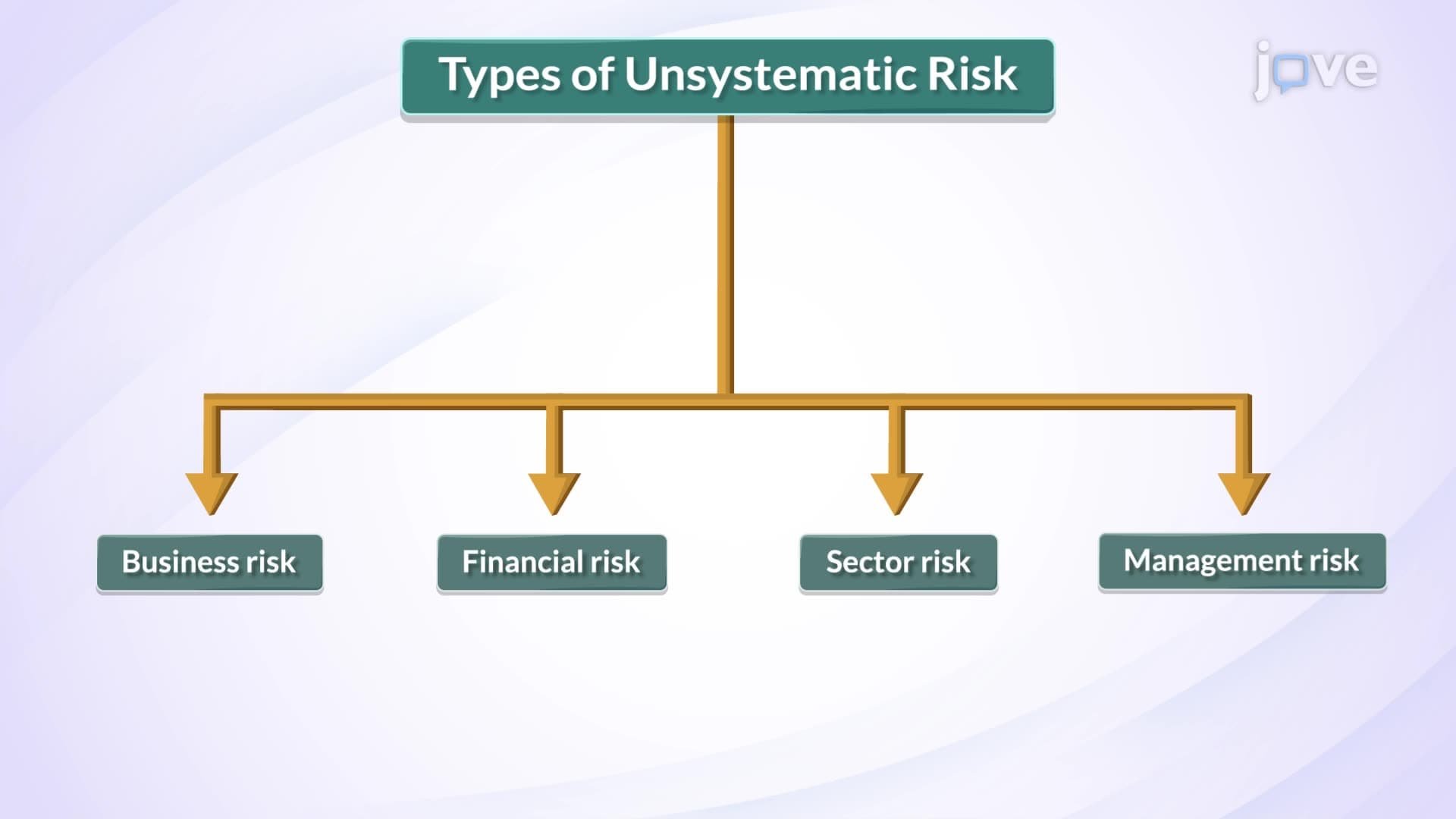
Portfolio managers face a critical challenge: while market-wide risks affect all investments equally, types risk unsystematic can devastate individual holdings without warning. These company-specific and sector-specific risks-encompassing business operations, financial structure, industry dynamics, and leadership decisions-directly impact stock valuations and portfolio performance. Consider how Tesla's production challenges or management controversies can move its stock independently of broader automotive sector trends. Understanding What are Types of Risk Unsystematic enables strategic diversification and more informed investment decisions. Watch the full video on JoVE Coach to master this concept with expert-led visuals and step-by-step explanations.
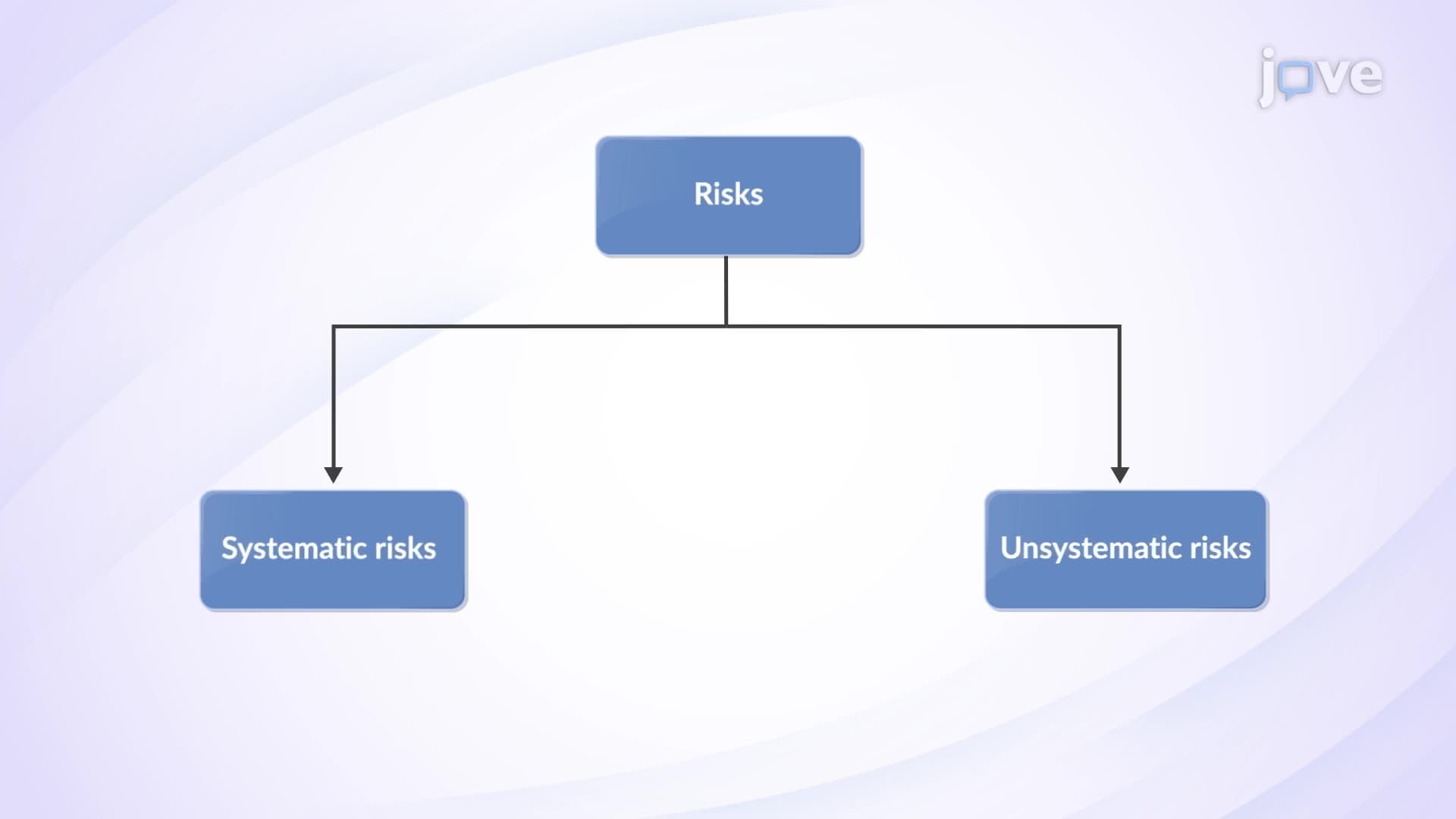
Investment professionals managing institutional portfolios or corporate treasury functions encounter unsystematic risks daily-those company-specific and sector-specific uncertainties that can derail individual investments regardless of broader market conditions. Unlike systematic risks that affect entire markets, unsystematic risks create isolated performance impacts that skilled portfolio managers can mitigate through strategic diversification.
Business risk encompasses the operational uncertainties inherent in individual companies' core activities. When Nike faces supply chain disruptions in Southeast Asia or quality control issues with flagship products, these operational challenges directly impact stock performance without affecting competitors like Adidas or Under Armour. Portfolio managers must evaluate companies' operational resilience, competitive positioning, and business model sustainability. Key indicators include customer concentration risk, supplier dependencies, and operational leverage ratios that amplify earnings volatility during revenue fluctuations.
Financial risk stems from companies' capital structure choices and financing decisions. Consider how WeWork's aggressive debt-fueled expansion strategy nearly collapsed the company, while peers with conservative financing maintained stability. Investment committees analyze debt-to-equity ratios, interest coverage ratios, and cash conversion cycles to assess financial risk exposure. Companies with excessive leverage face heightened bankruptcy risk during economic downturns, while conservative capital structures provide flexibility for strategic investments and dividend sustainability.
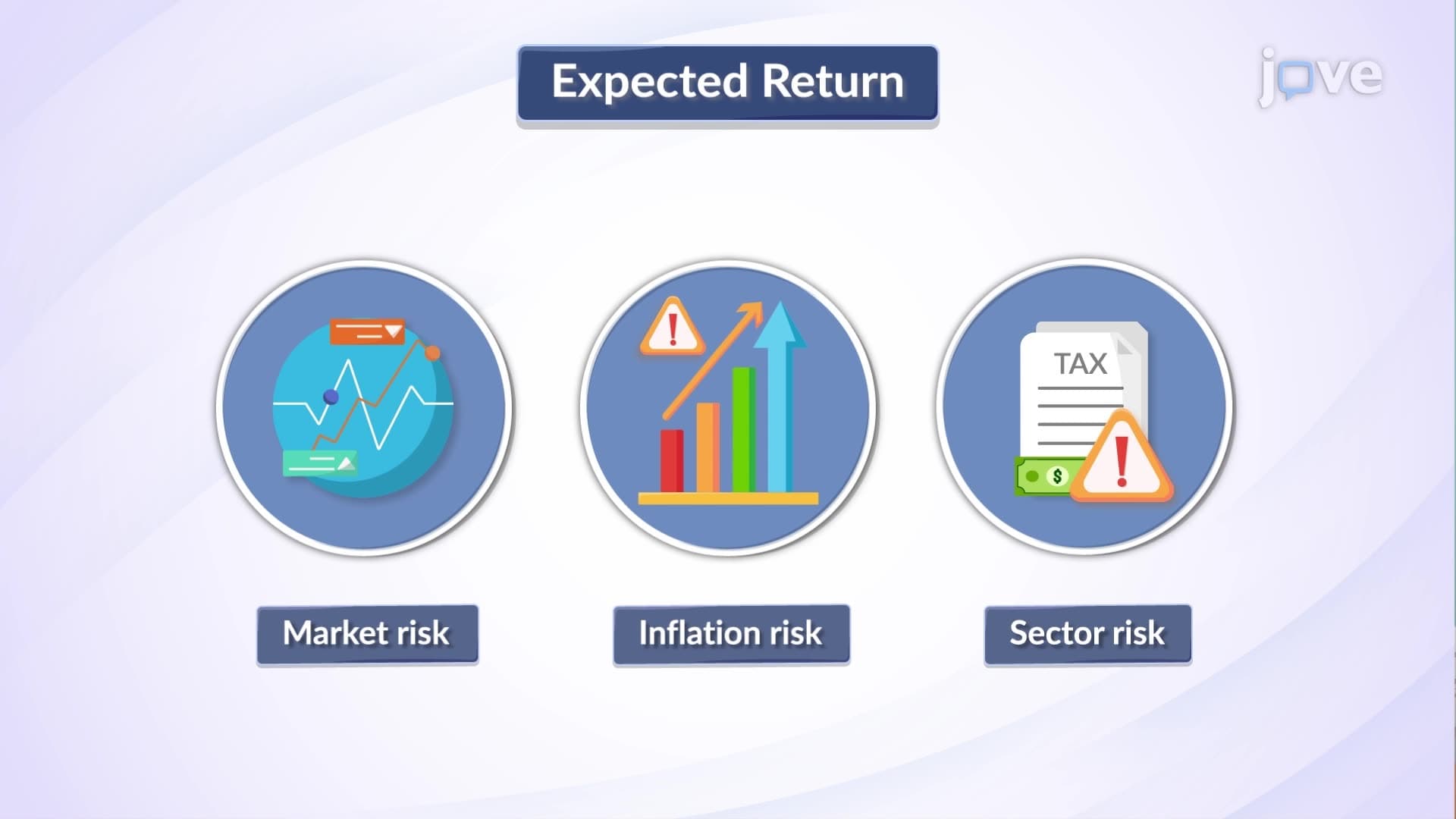
Sector risk affects entire industries through regulatory changes, technological disruption, or cyclical demand patterns. The pharmaceutical sector faces FDA approval uncertainties, while energy companies navigate environmental regulations and commodity price volatility. Management risk involves leadership decisions that can dramatically impact company valuations-from strategic acquisitions to governance scandals. When Wells Fargo's management created fake accounts, the resulting regulatory penalties and reputational damage affected the bank specifically rather than the broader financial services industry.
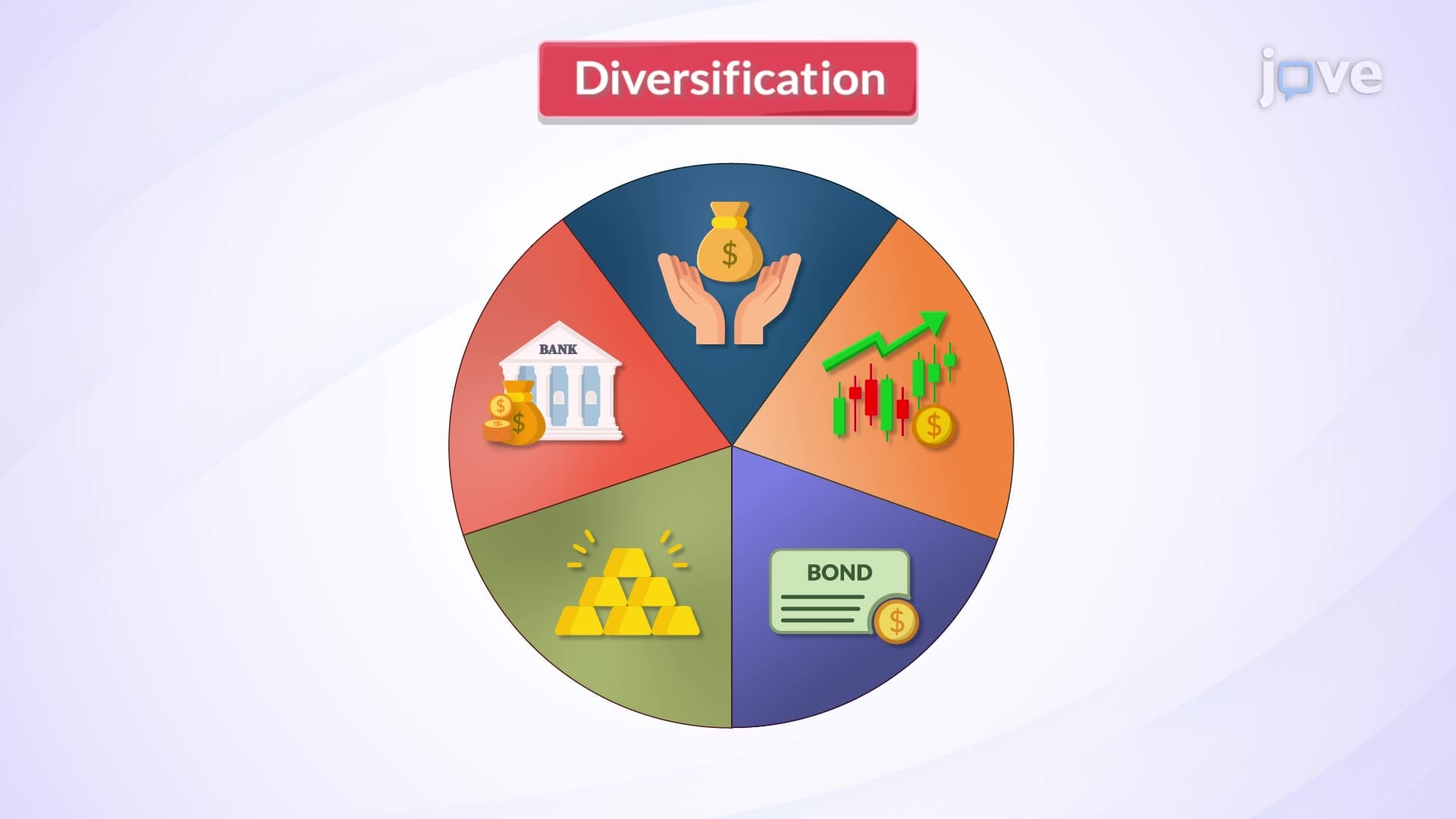
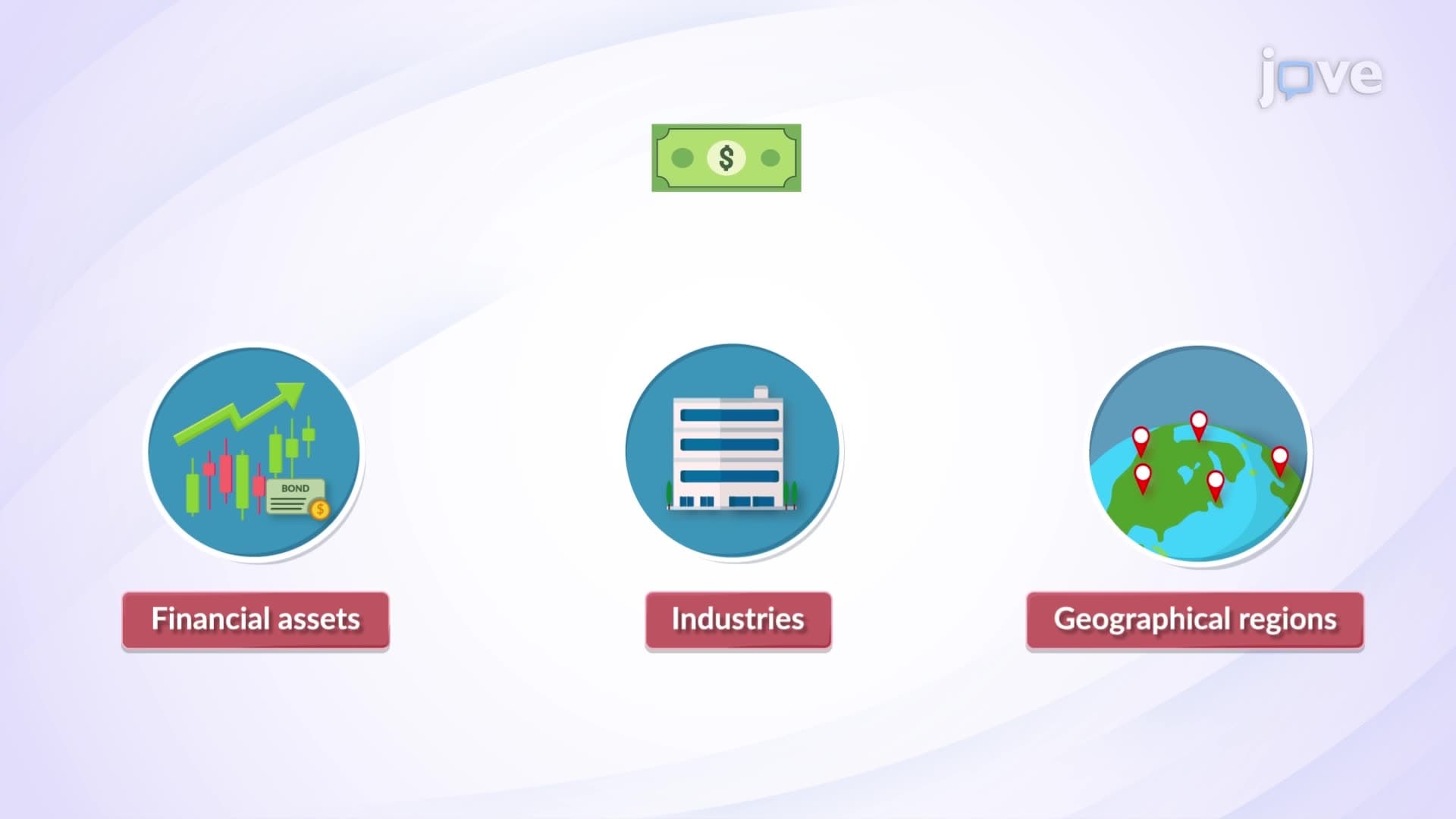
Professional portfolio managers use correlation analysis and factor models to quantify unsystematic risk exposure, implementing diversification strategies across sectors, market capitalizations, and geographic regions to optimize risk-adjusted returns.
Related Micro-courses