Loading video…


 17 Concepts
 6.5K views

Video Summary: What Is Return
Understanding return becomes critical when executives at companies like Microsoft evaluate multi-billion dollar acquisitions or when portfolio managers at BlackRock assess asset allocation strategies. Return measures the financial gain or loss on an investment over a specific timeframe, expressed as a percentage of the original investment amount. This fundamental concept drives every capital allocation decision, from corporate treasury management to individual retirement planning. Distinguishing between nominal and real returns helps professionals account for taxes, inflation, and fees that erode actual purchasing power. Watch the full video on JoVE Coach to master this concept with expert-led visuals and step-by-step explanations.
When JPMorgan Chase's investment committee meets to allocate $2.9 trillion in assets under management, every decision hinges on expected returns. Return represents the percentage change in an investment's value over time, serving as the universal language for comparing investment opportunities across asset classes, geographies, and time horizons.
The return calculation appears straightforward: (Ending Value - Beginning Value) / Beginning Value × 100. However, professional applications demand nuanced understanding. When Apple's corporate treasury invests excess cash, they must consider not just the headline return but also the timing of cash flows, reinvestment opportunities, and liquidity requirements.
Total return encompasses both capital appreciation and income generation. A dividend-paying stock like Coca-Cola might show modest price appreciation but deliver substantial value through consistent dividend payments. This distinction becomes crucial when corporate pension funds evaluate long-term investment strategies or when private equity firms assess acquisition targets.
Nominal returns tell only half the story. When Berkshire Hathaway reports investment performance, sophisticated investors immediately adjust for inflation to understand real purchasing power gains. A nominal 8% return during a 3% inflation period delivers only 5% real return, a critical distinction for retirement planning and long-term wealth preservation strategies.
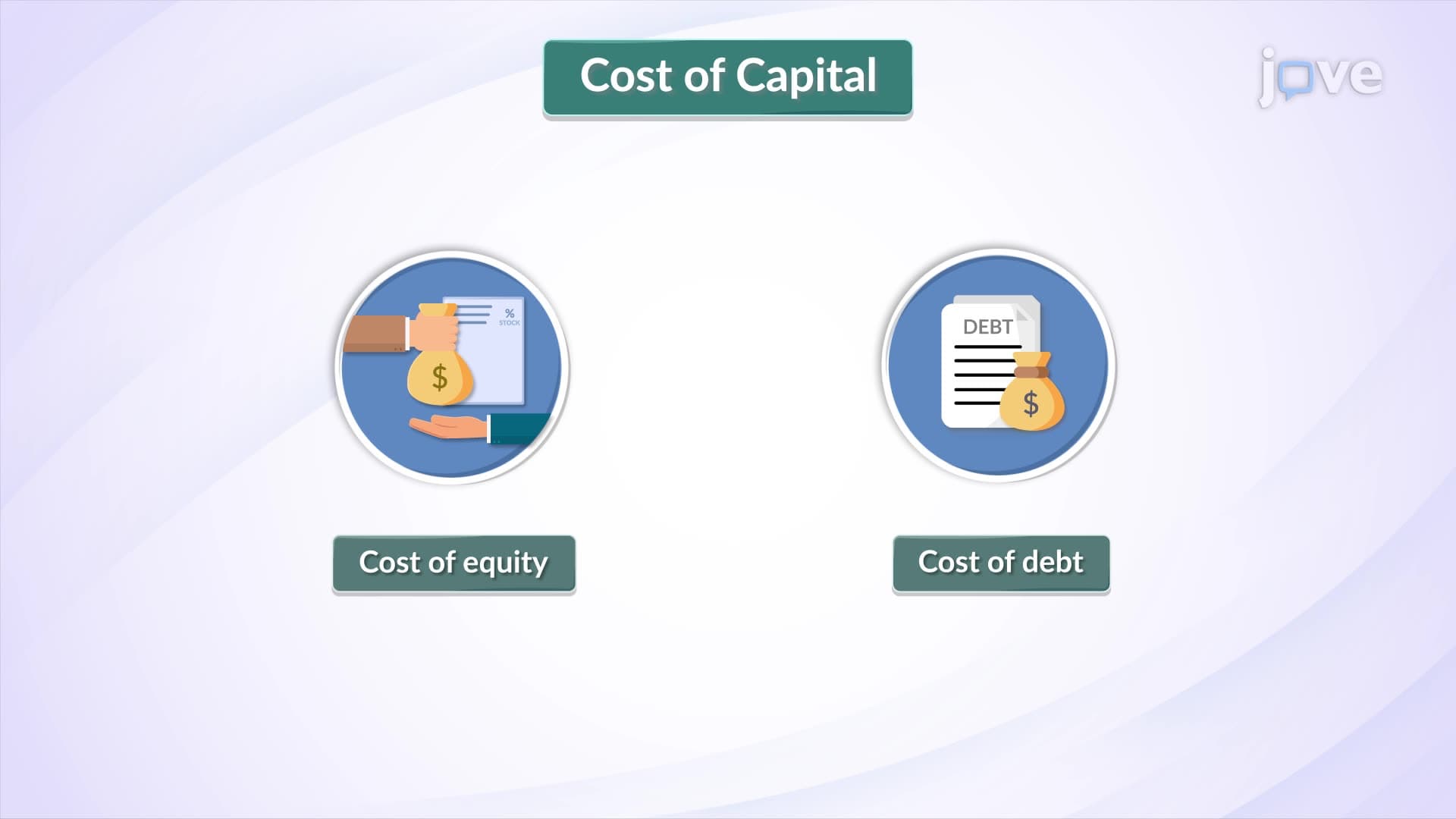
Real returns become particularly significant in corporate capital budgeting decisions. When Amazon evaluates warehouse expansion projects, they must ensure projected returns exceed both the cost of capital and inflation rates to create genuine shareholder value.
Returns never exist in isolation. The Federal Reserve's interest rate policies directly impact return expectations across asset classes. When rates rise, previously attractive corporate bonds may underperform, while bank stocks often benefit from improved net interest margins. Understanding these relationships enables more sophisticated portfolio construction and risk management.
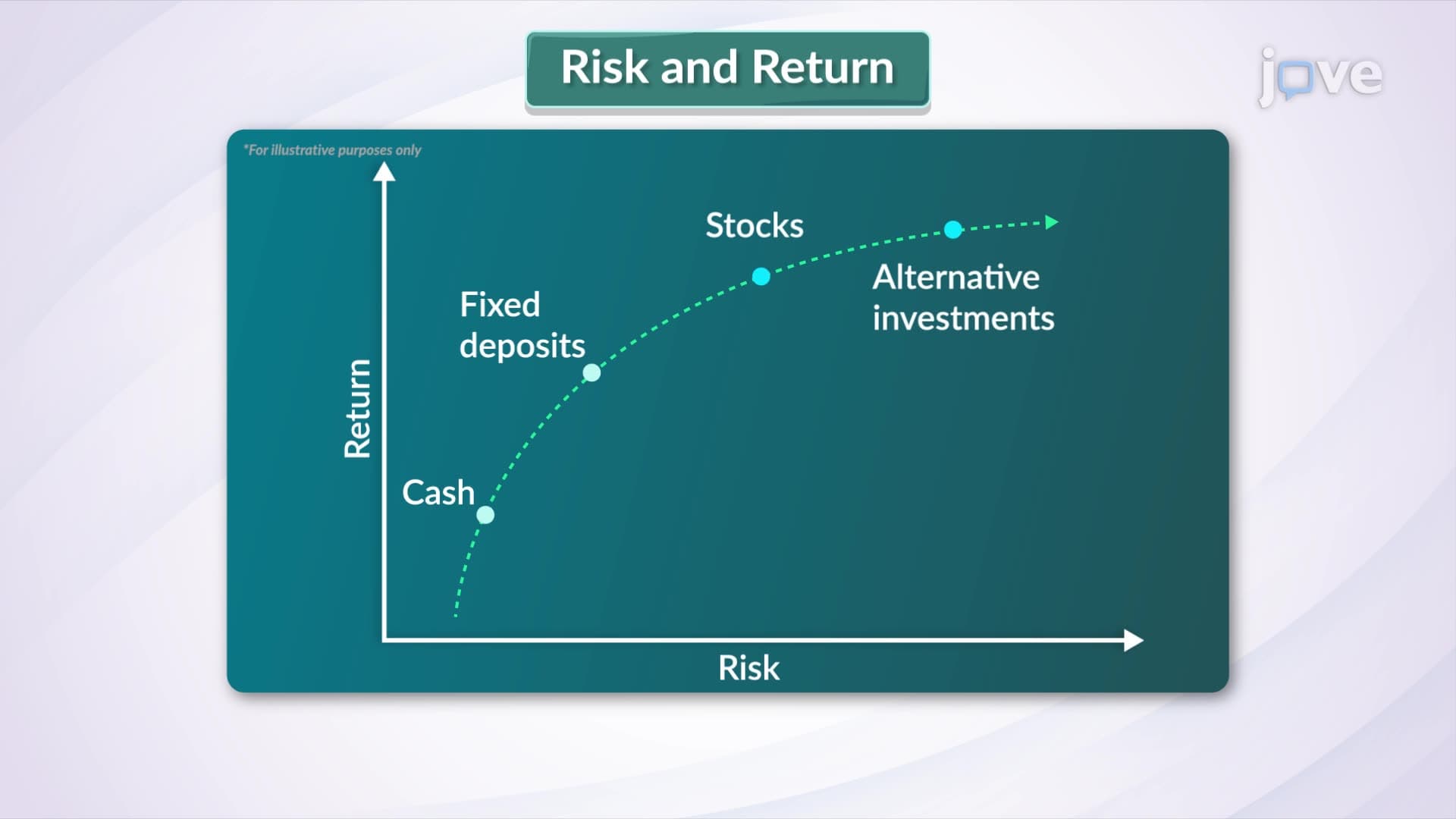
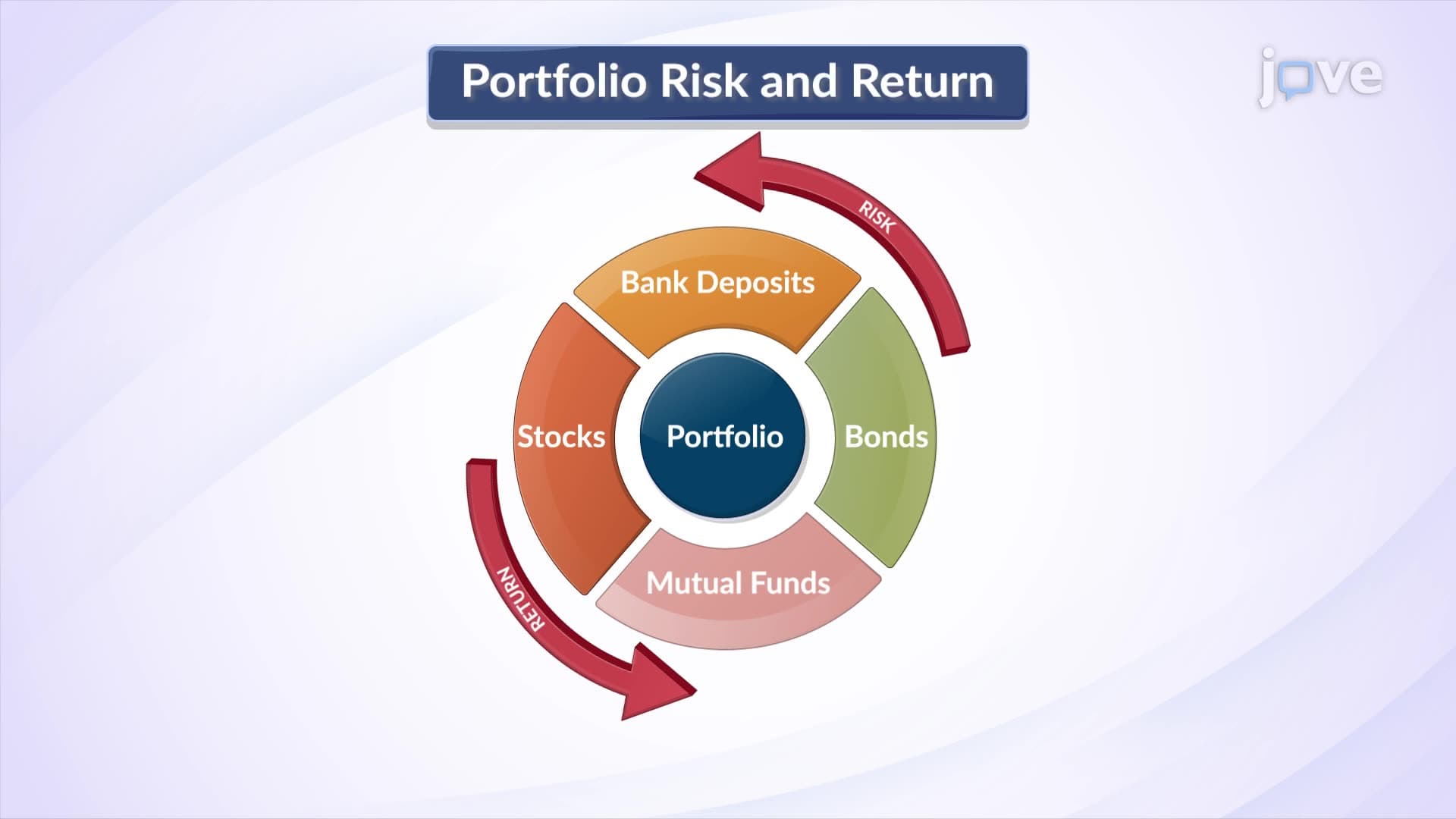
Different asset classes exhibit distinct return characteristics. While technology stocks like Tesla may offer high return potential, they typically come with corresponding volatility. Conversely, utility stocks like Duke Energy provide more predictable, though often lower, returns. Professional investors balance these trade-offs based on risk tolerance, time horizons, and income requirements.
Related Micro-courses