Loading video…


 17 Concepts
 6.5K views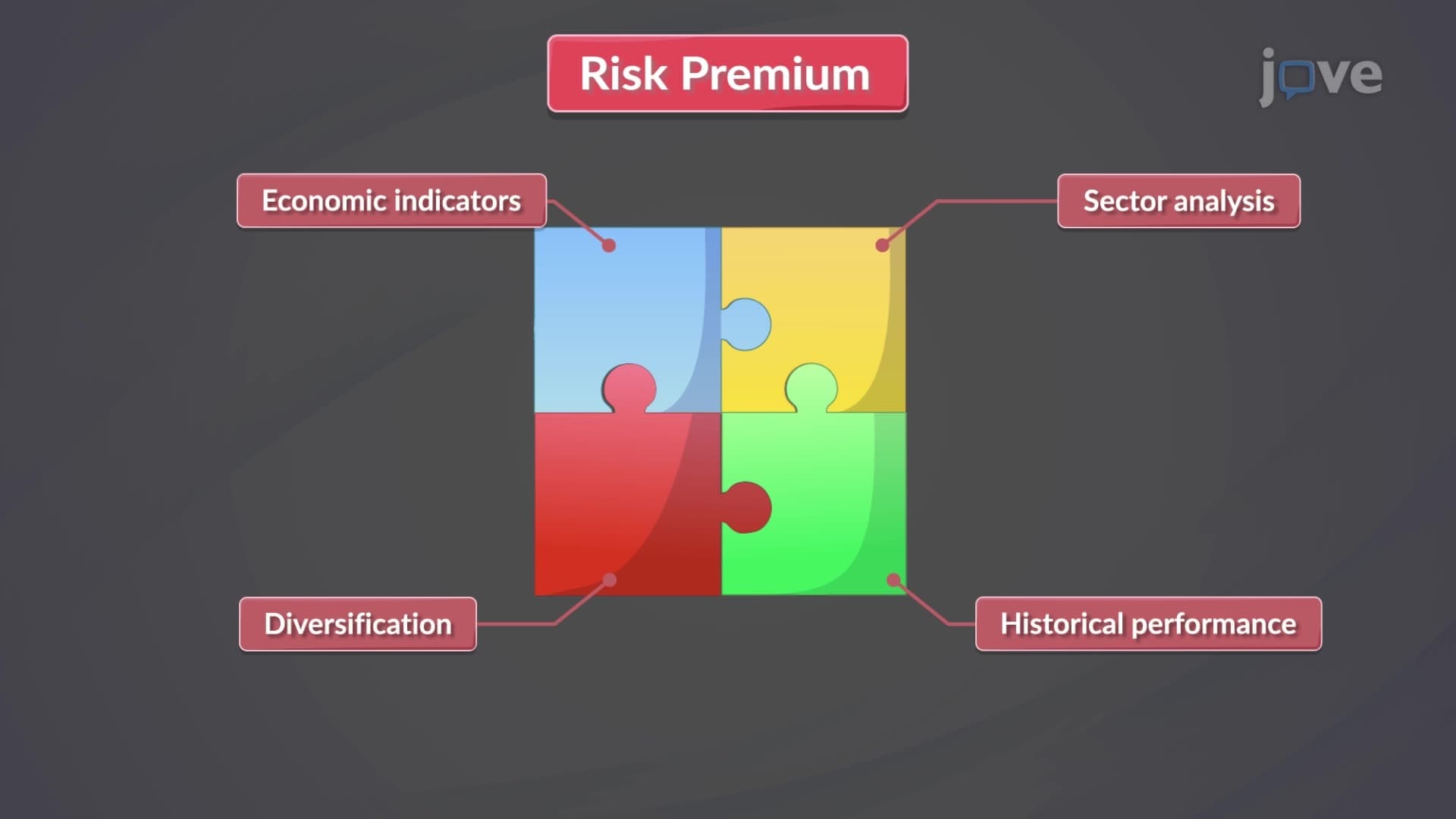

Video Summary: What Is Risk Premium
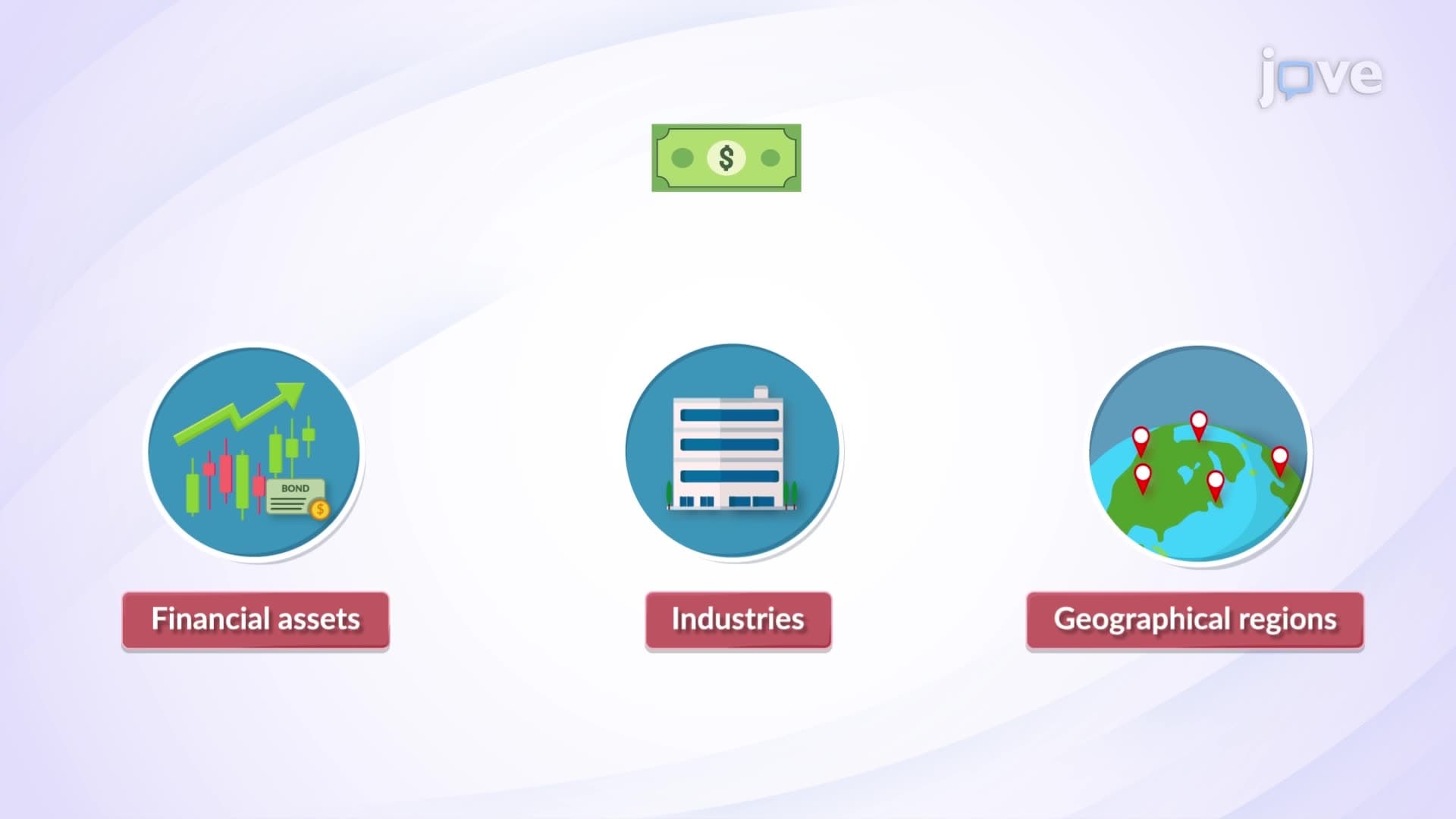
Portfolio managers at Goldman Sachs and BlackRock constantly navigate risk premium calculations when allocating billions across asset classes. Risk premium represents the additional return investors demand for taking on uncertainty beyond risk-free Treasury bonds. When venture capital firms evaluate startups versus government securities yielding 2%, they typically require 15-20% annual returns to justify the elevated risk. This compensation mechanism drives capital allocation decisions across every investment committee in corporate America. Watch the full video on JoVE Coach to master this concept with expert-led visuals and step-by-step explanations.
When Berkshire Hathaway's Warren Buffett evaluates acquisition targets, he's essentially calculating risk premiums-determining how much additional return justifies the uncertainty of each investment. Risk premium serves as the foundation for virtually every capital allocation decision in corporate America, from venture capital funding to corporate bond issuances.
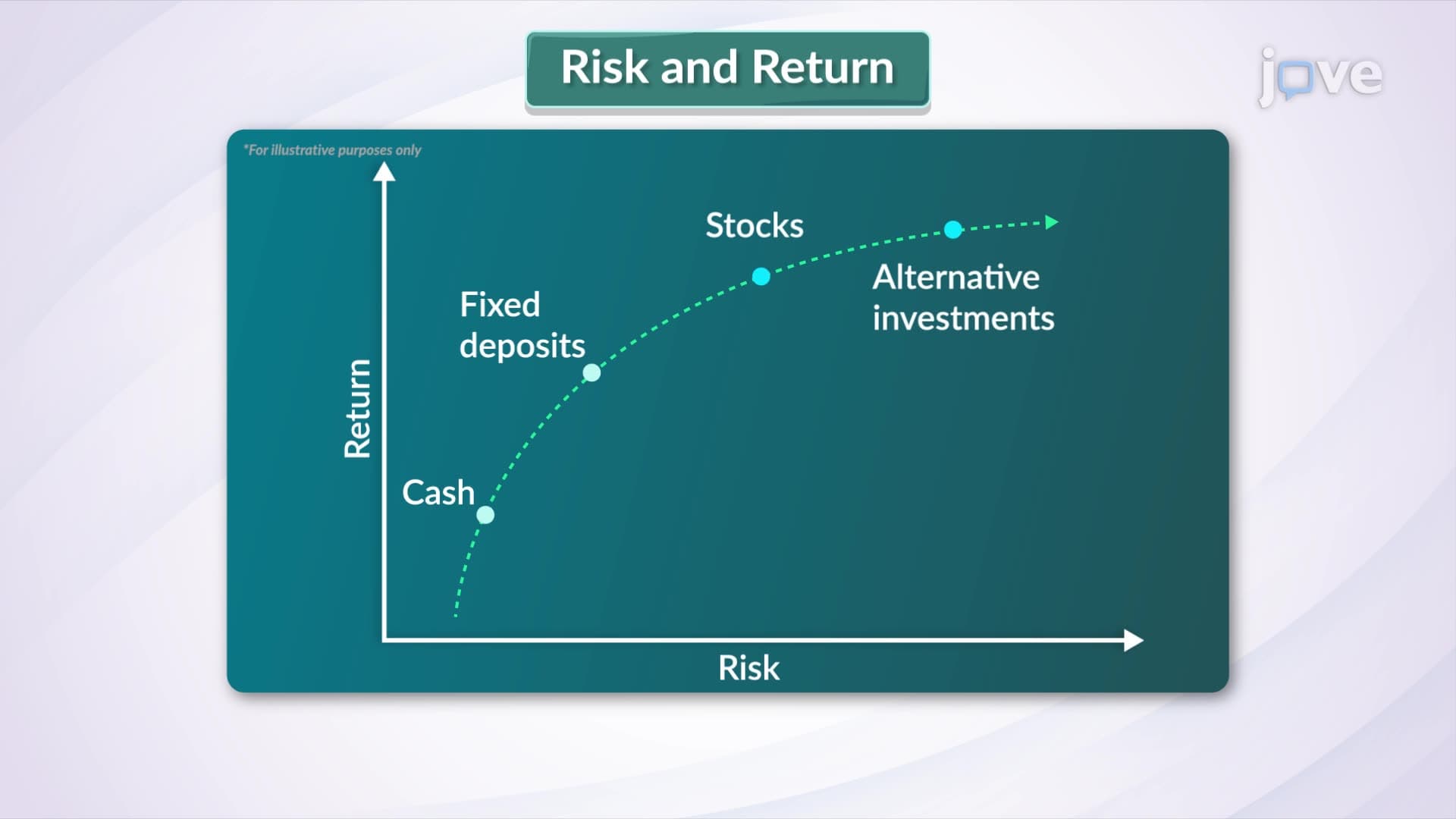
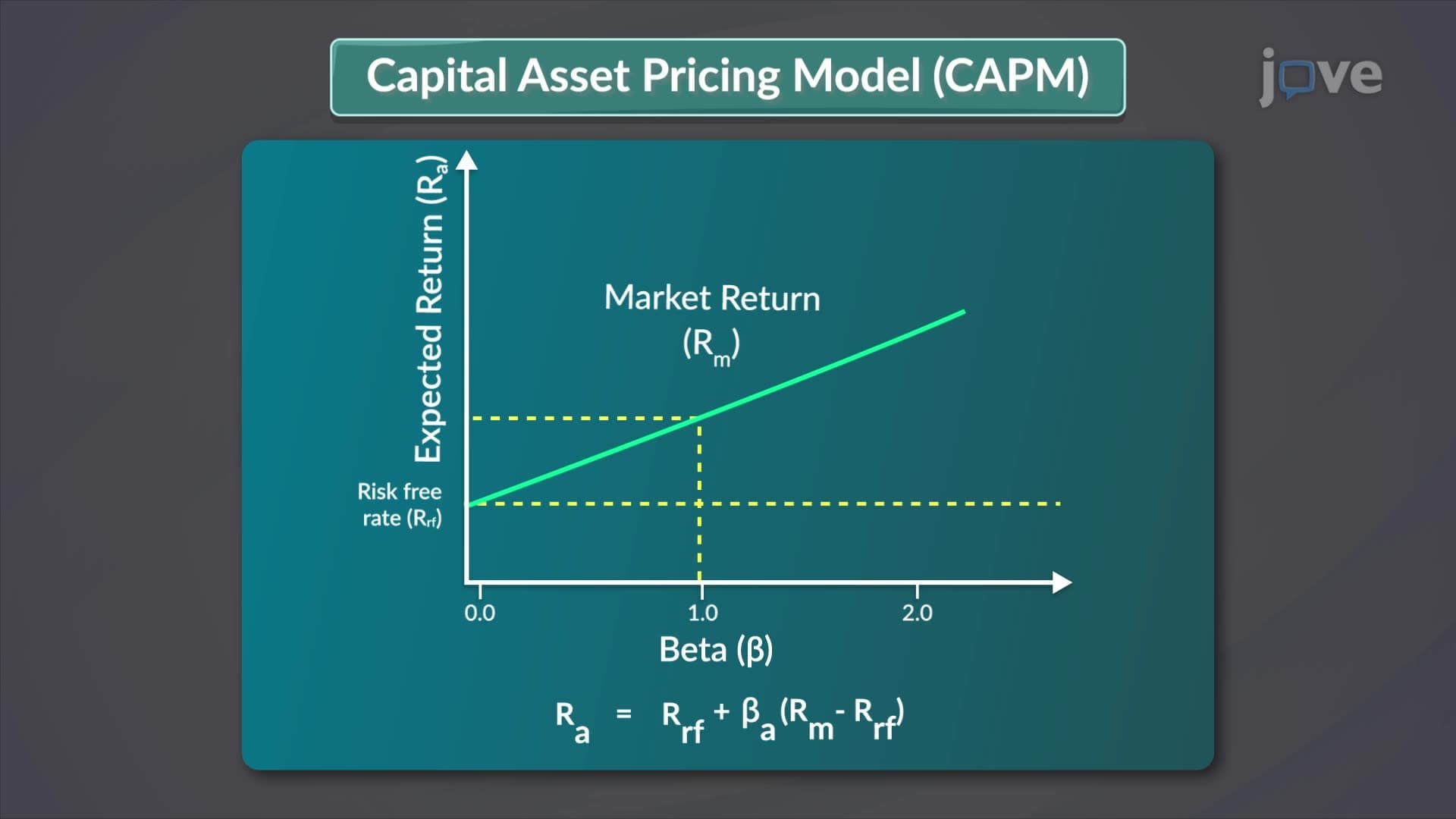
The risk premium formula is straightforward: Required Return - Risk-Free Rate = Risk Premium. However, the strategic implications run deep. Consider Apple's cash management strategy: with over $150 billion in reserves, their treasury team constantly weighs risk premiums when deciding between Treasury bills, corporate bonds, and equity investments. A 10-year Treasury yielding 4.5% becomes the baseline, while corporate bonds might demand 6-7% and growth equity investments could require 12-15% returns.
Risk premium calculations vary dramatically across sectors. Pharmaceutical companies like Pfizer demand higher returns on R&D investments due to regulatory uncertainties and lengthy approval processes. Meanwhile, utility companies like Duke Energy accept lower risk premiums given their regulated, predictable cash flows. Understanding these industry-specific risk premiums enables more accurate competitive analysis and strategic positioning.
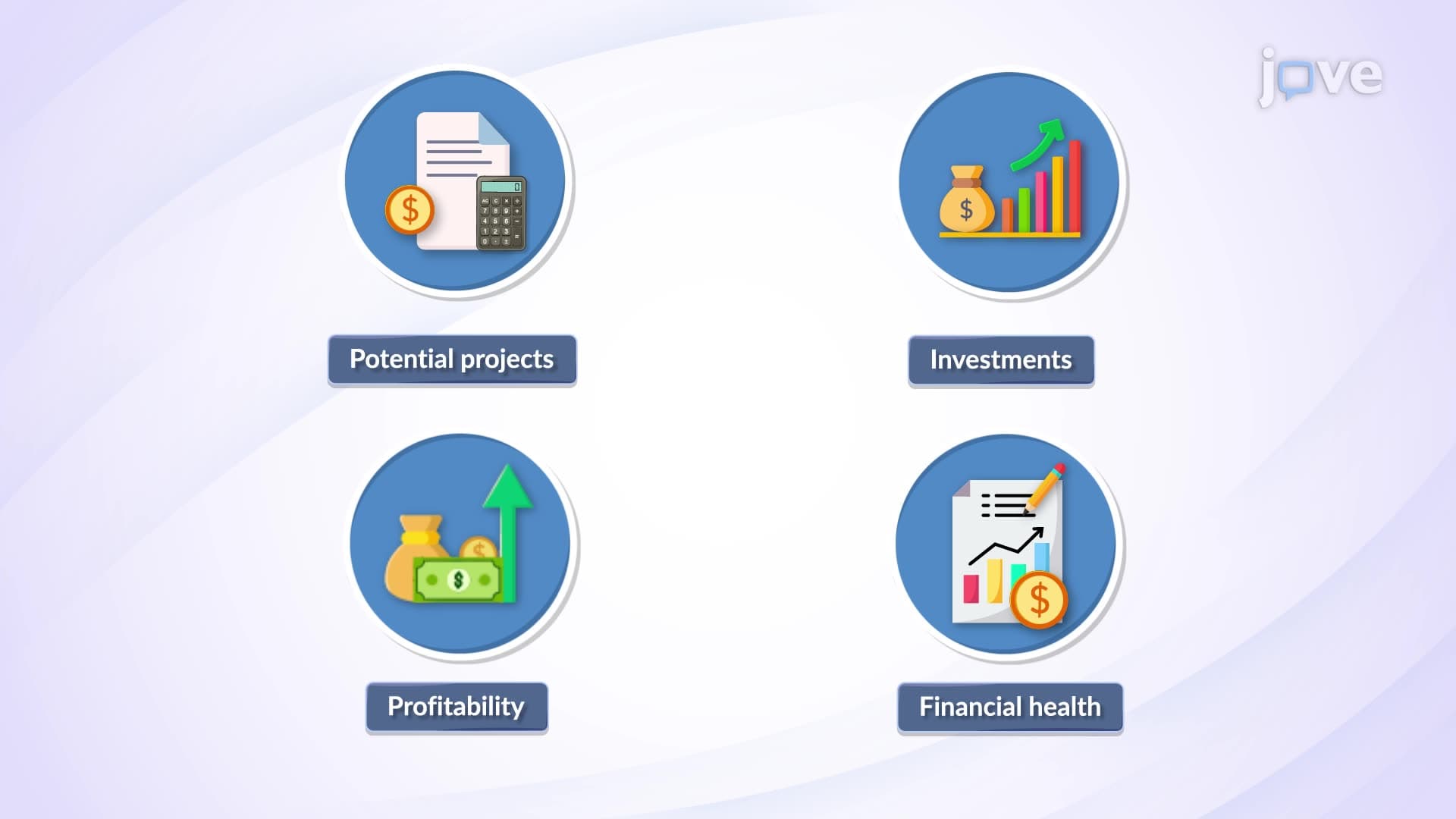
Chief Financial Officers at Fortune 500 companies leverage risk premium concepts when structuring debt, evaluating capital projects, and setting hurdle rates. When Microsoft considers cloud infrastructure investments, they apply different risk premiums to established markets (lower premium) versus emerging technologies (higher premium). This disciplined approach ensures capital flows toward the highest risk-adjusted opportunities.
The implications extend beyond investment decisions. During merger negotiations, acquirers adjust their valuation models based on target company risk profiles. Private equity firms like KKR build risk premiums into their return expectations, typically targeting 15-25% IRRs to compensate limited partners for illiquidity and operational risks inherent in leveraged buyouts.
Related Micro-courses