Loading video…


 17 Concepts
 6.5K views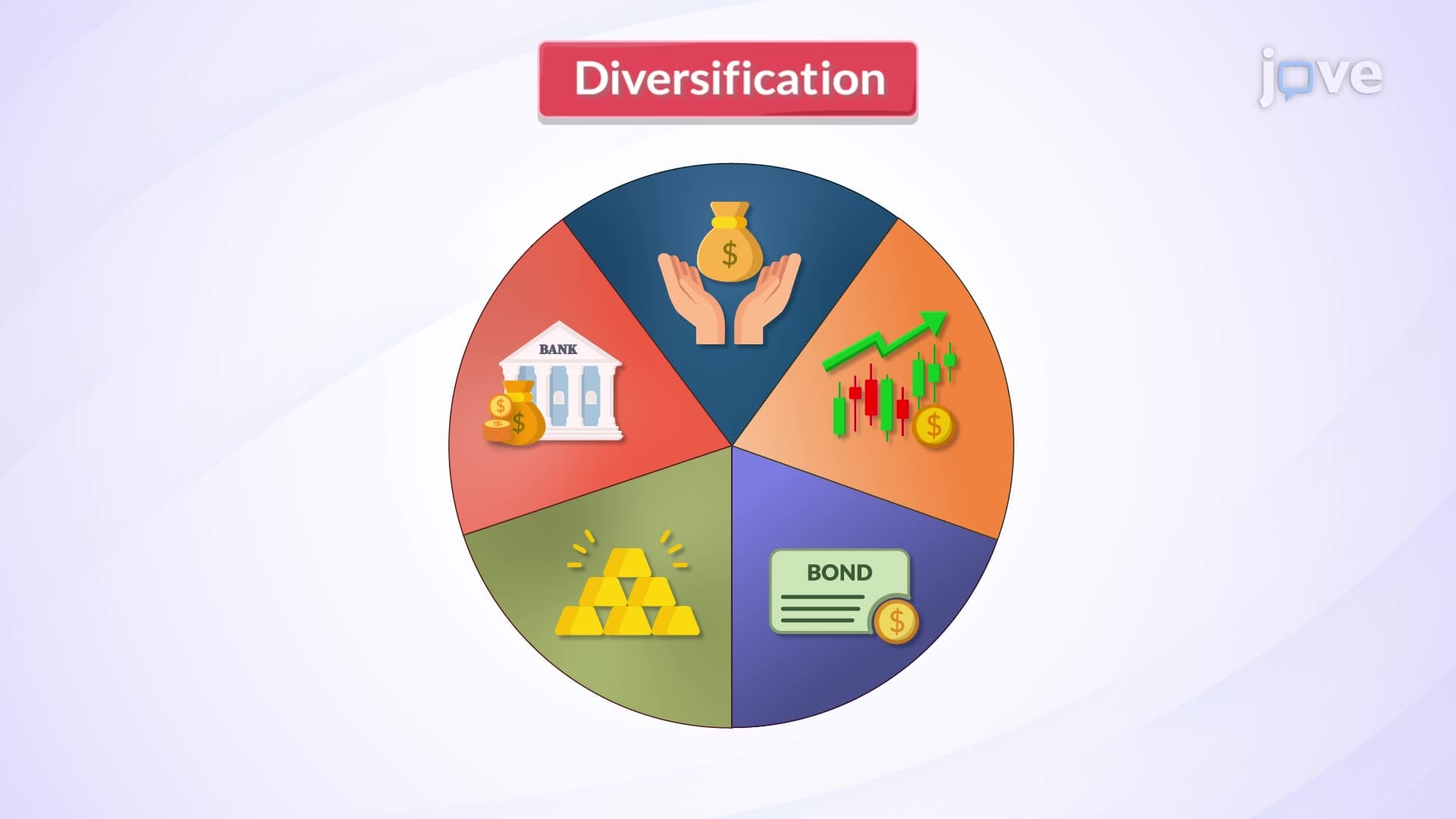

Video Summary: What Is Diversification
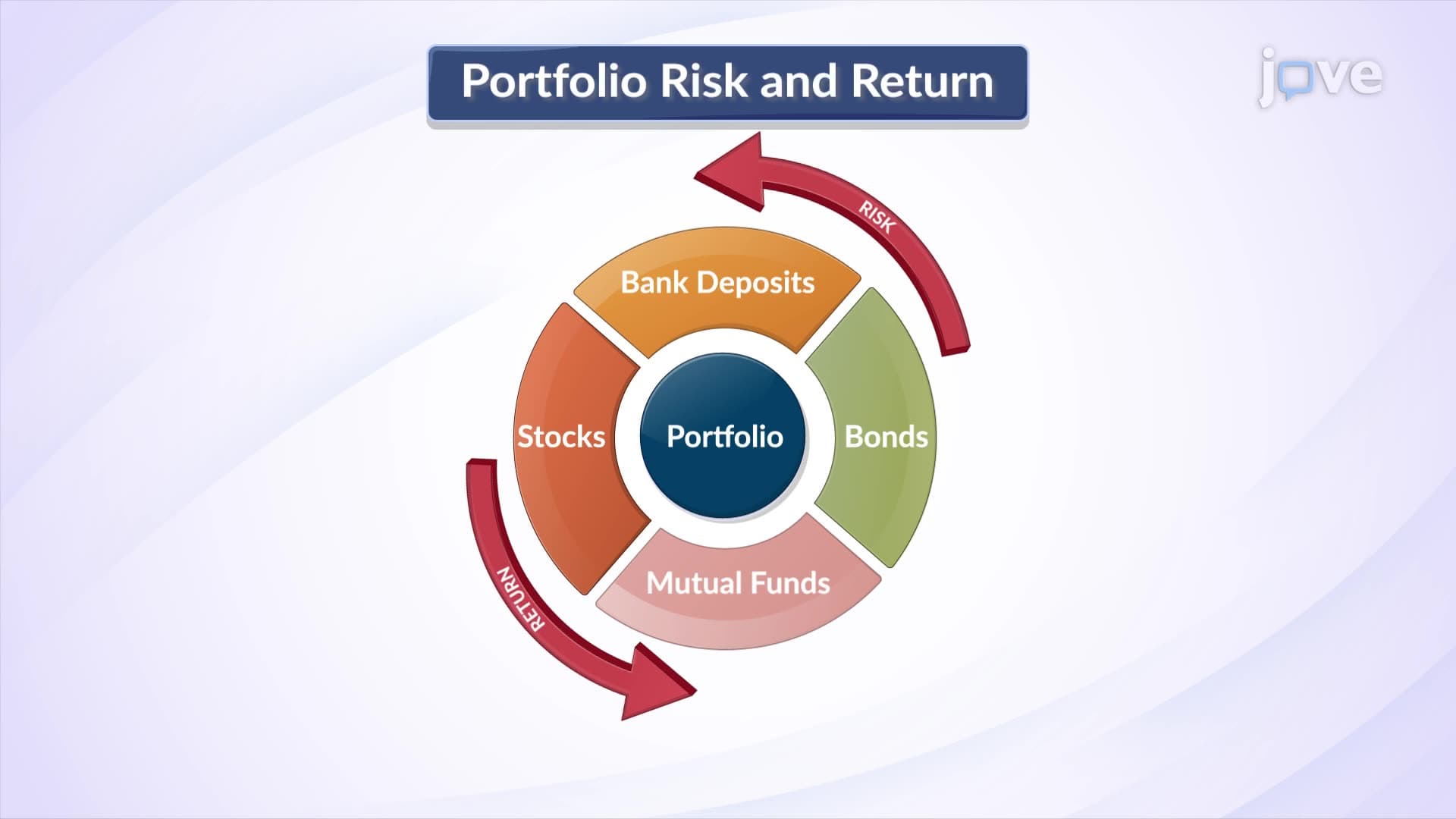
Smart portfolio managers at firms like BlackRock understand that diversification serves as the cornerstone of institutional risk management, protecting against concentrated exposure that can devastate returns during market downturns. This fundamental diversification definition explained demonstrates how spreading investments across asset classes, sectors, and instruments reduces volatility while maintaining growth potential. Watch the full video on JoVE Coach to master this concept with expert-led visuals and step-by-step explanations.
When JPMorgan Chase's investment committee allocates the bank's $3.2 trillion in assets, they don't put everything into a single sector or asset class. Diversification represents the systematic approach to spreading investment risk across multiple dimensions-asset classes, geographic regions, sectors, and time horizons-to create more predictable returns while reducing exposure to catastrophic losses.
Professional portfolio managers understand that diversification works because different investments respond uniquely to market events. When technology stocks plummeted during the dot-com crash of 2000-2001, diversified portfolios containing bonds, real estate investment trusts (REITs), and consumer staples suffered significantly less damage than concentrated tech portfolios. This mathematical principle-correlation coefficient-drives sophisticated institutional investment strategies.
The concept extends beyond individual securities to entire asset classes. Corporate treasurers at companies like Microsoft maintain diversified portfolios that might include short-term Treasury bills for liquidity, corporate bonds for steady income, and equity positions for growth potential. This strategic allocation ensures operational cash flow remains stable regardless of market volatility.
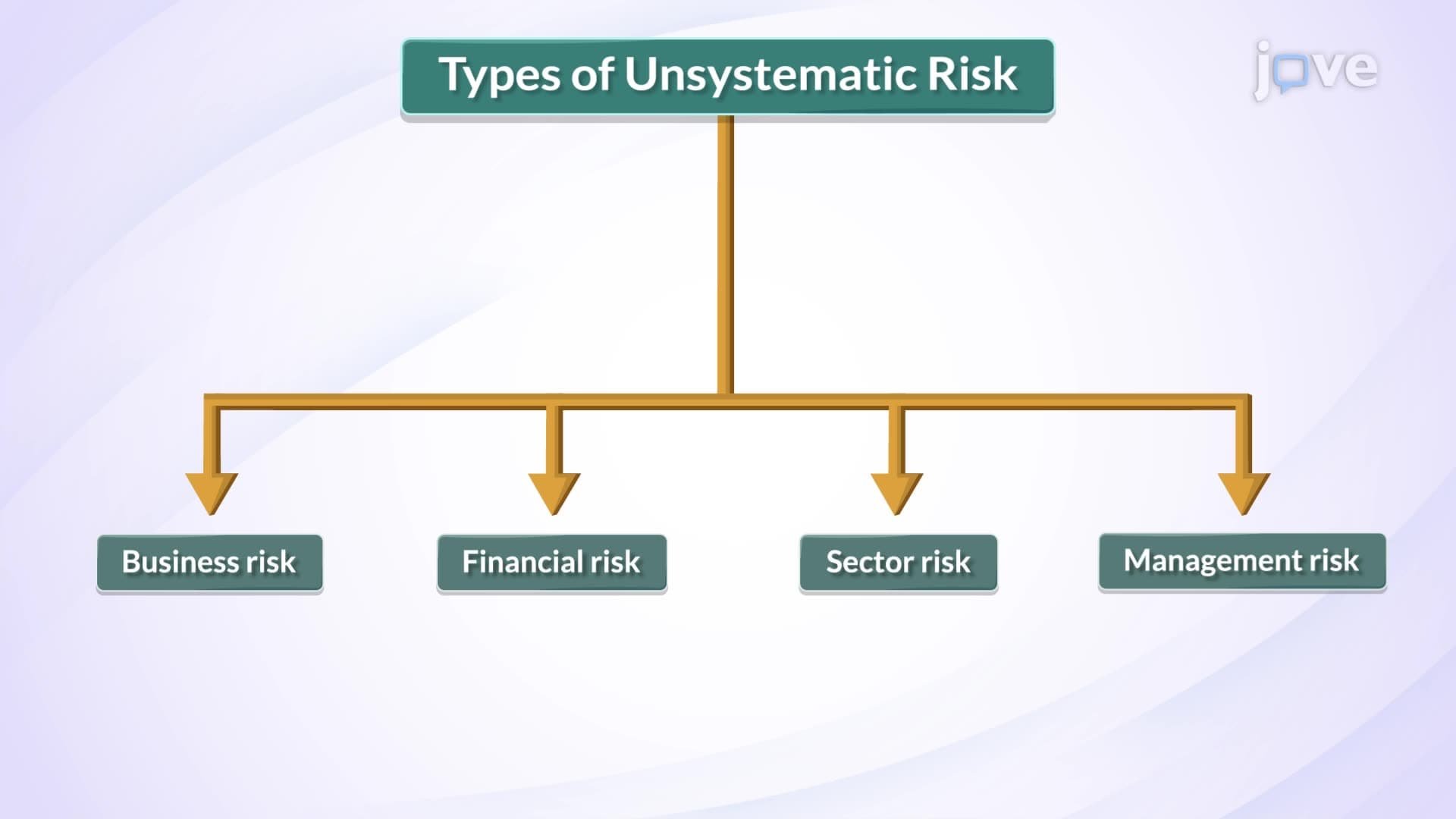
Modern diversification encompasses multiple layers of risk distribution. Sector diversification protects against industry-specific disruptions-when energy prices collapsed in 2014-2016, portfolios diversified across healthcare, technology, and consumer goods maintained stability. Geographic diversification provides additional protection, as demonstrated by investment firms like Vanguard, which offer international funds to hedge against domestic economic downturns.
Chief Financial Officers leverage diversification principles beyond investment portfolios. Revenue diversification across product lines, customer segments, and geographic markets protects companies from concentrated business risks. Amazon exemplifies this approach, diversifying from e-commerce into cloud computing (AWS), advertising, and logistics services, creating multiple revenue streams that buffer against sector-specific challenges.
Related Micro-courses