Loading subject page…


6,515 views


Video Summary: What Is Diversification and Portfolio Risk
Market volatility continues to challenge investment professionals, with sector-specific risks like the recent tech selloff reminding managers why diversification portfolio risk management remains fundamental. Understanding what is diversification and portfolio risk helps professionals build resilient investment strategies across asset classes, industries, and geographical regions. Consider how BlackRock's portfolio managers navigate regulatory changes in technology sectors while maintaining exposure to bonds, commodities, and real estate to minimize single-asset concentration risk. Watch the full video on JoVE Coach to master this concept with expert-led visuals and step-by-step explanations.
Investment professionals face constant pressure to deliver consistent returns while managing downside risk. The 2022 market environment perfectly illustrated why diversification and portfolio risk management concepts remain critical-while technology stocks plummeted over 30%, energy and commodities sectors posted strong gains, demonstrating how strategic asset allocation protects professional portfolios.
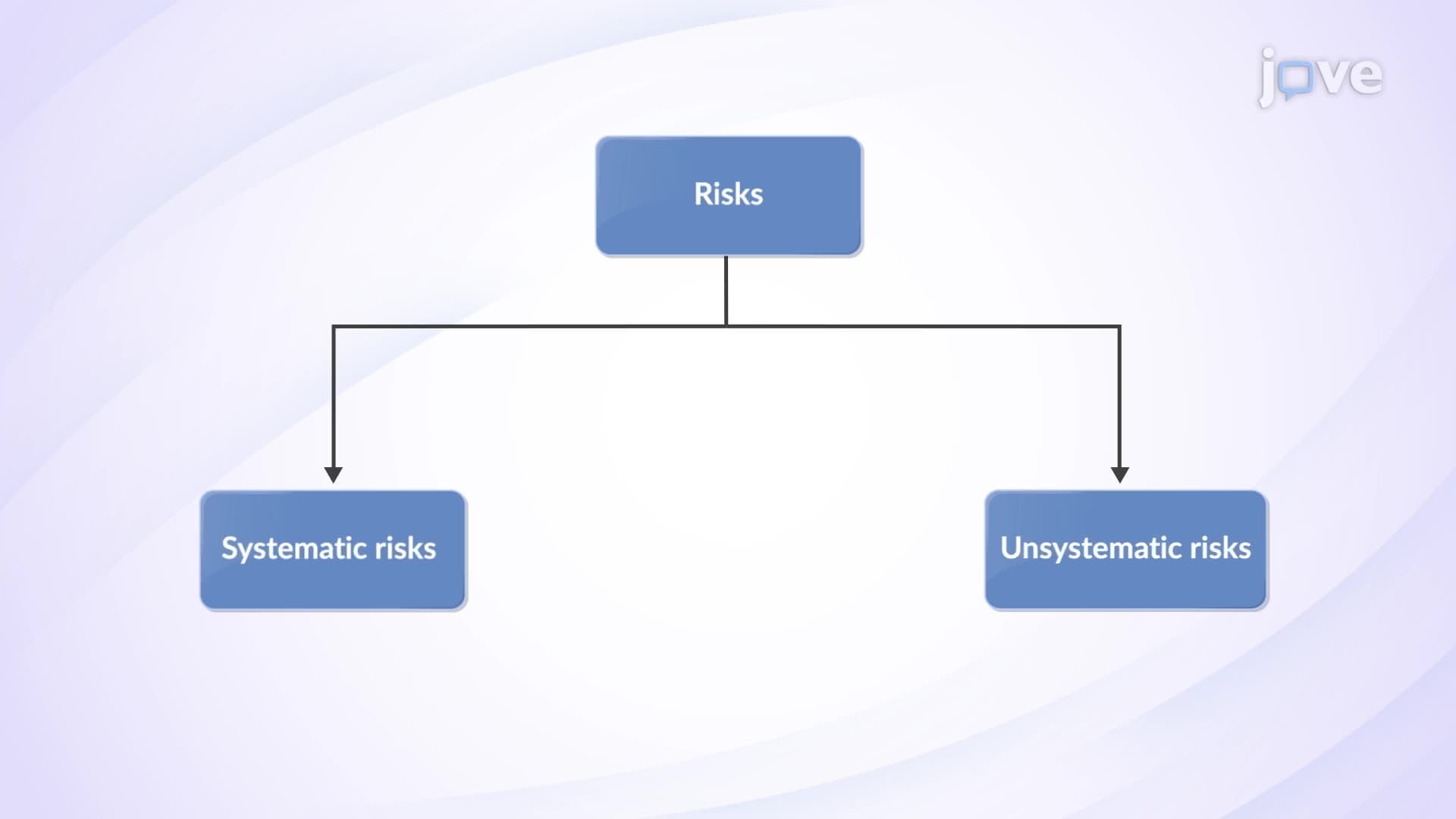
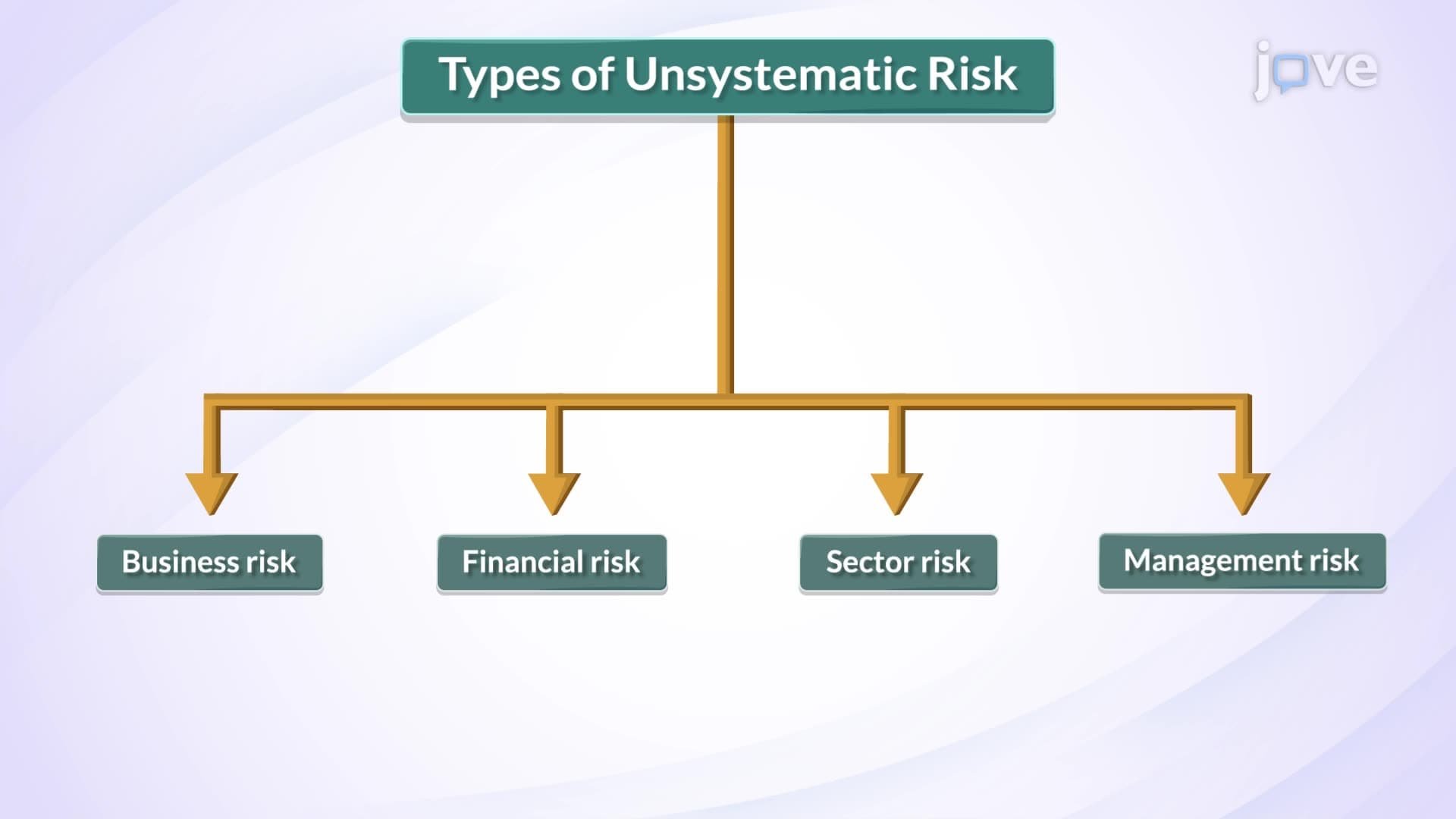
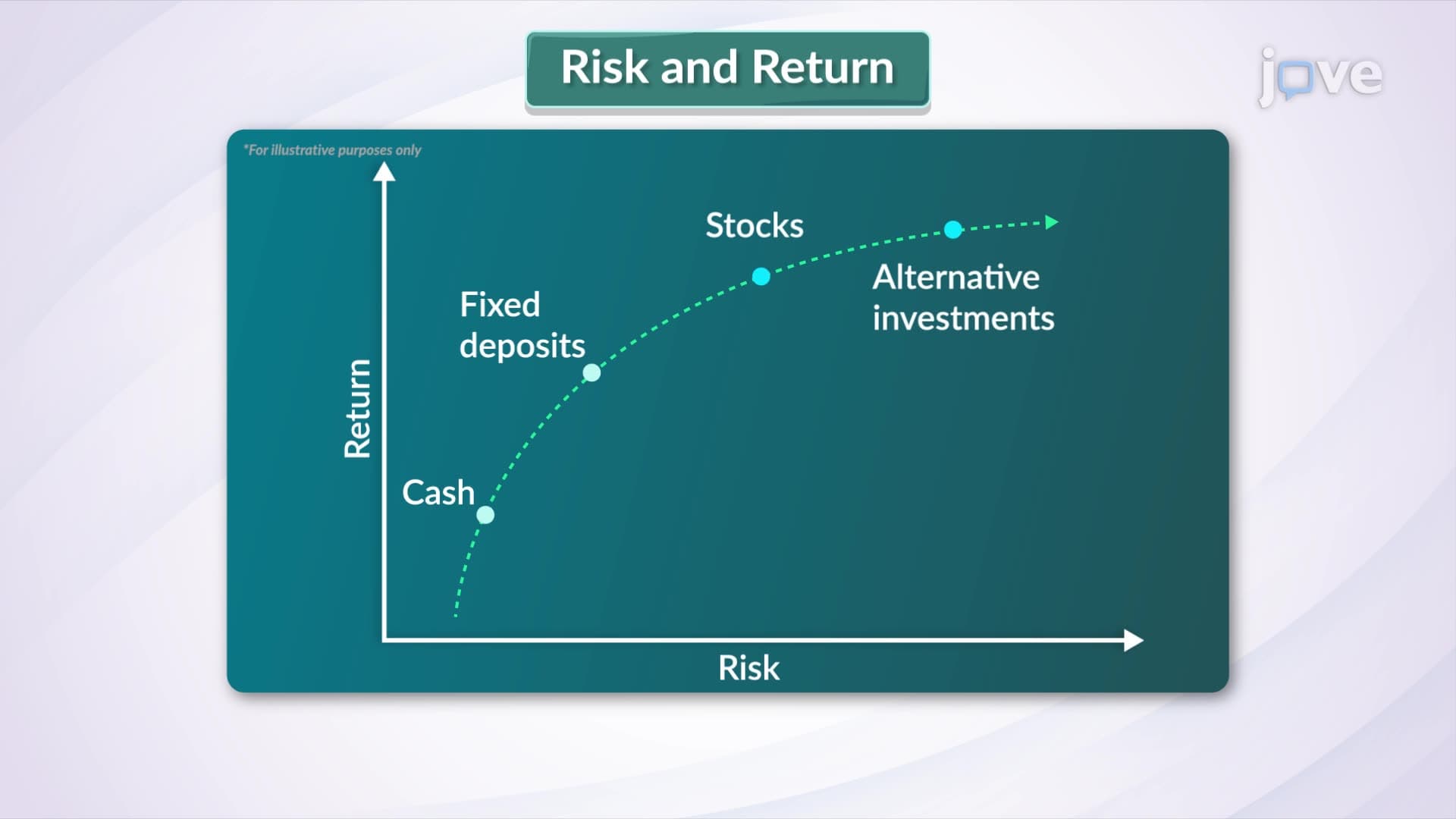
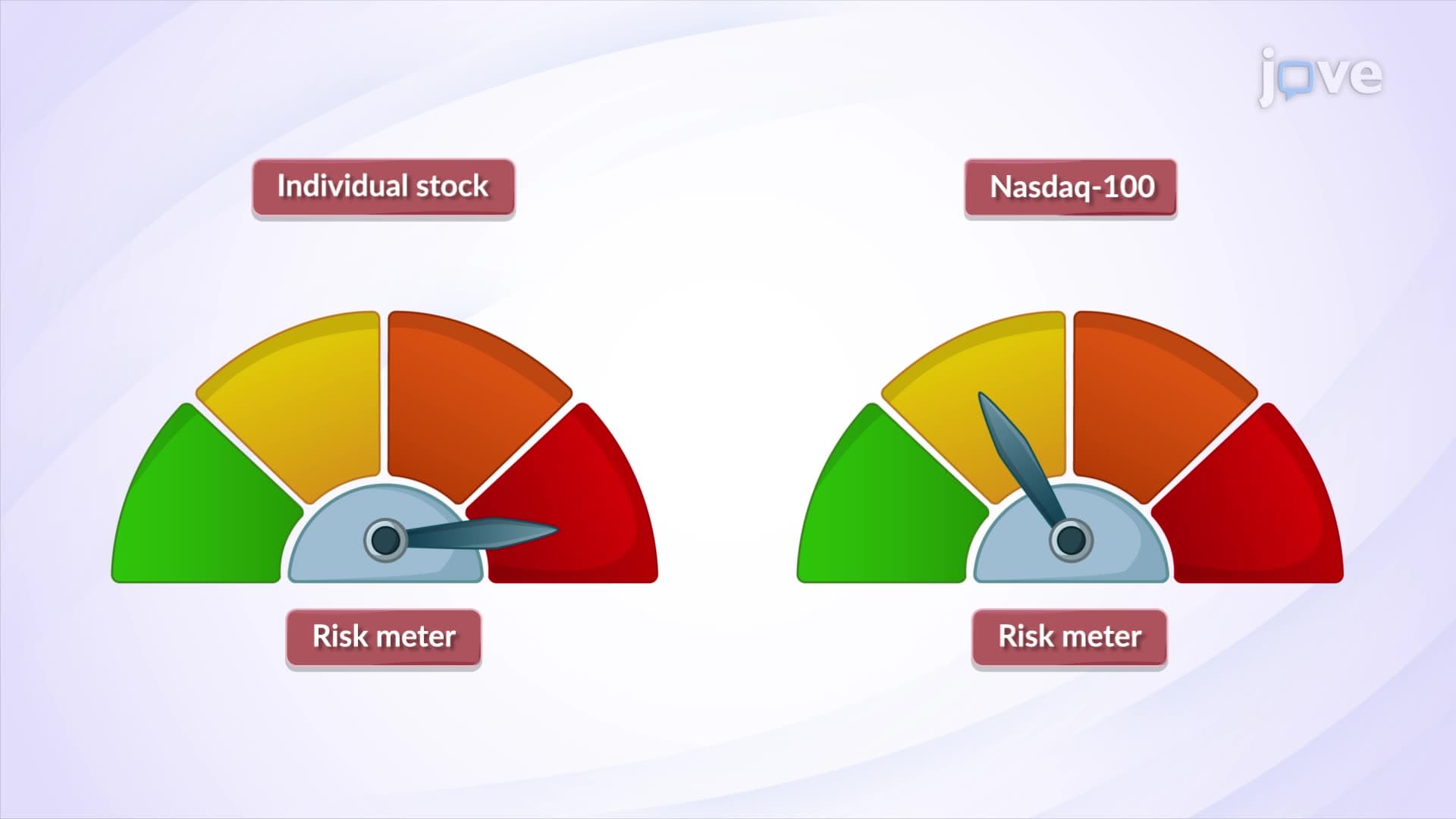
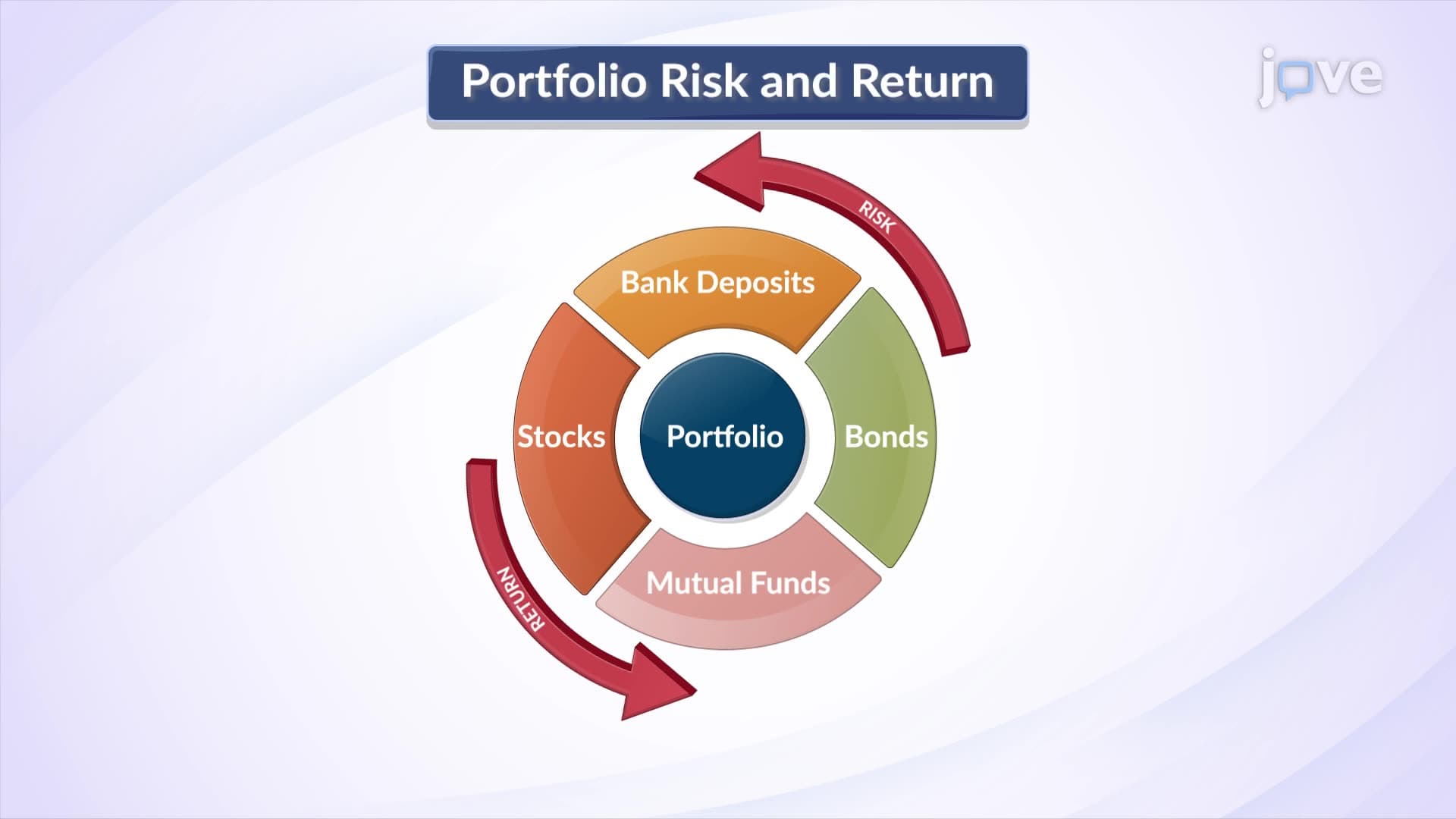
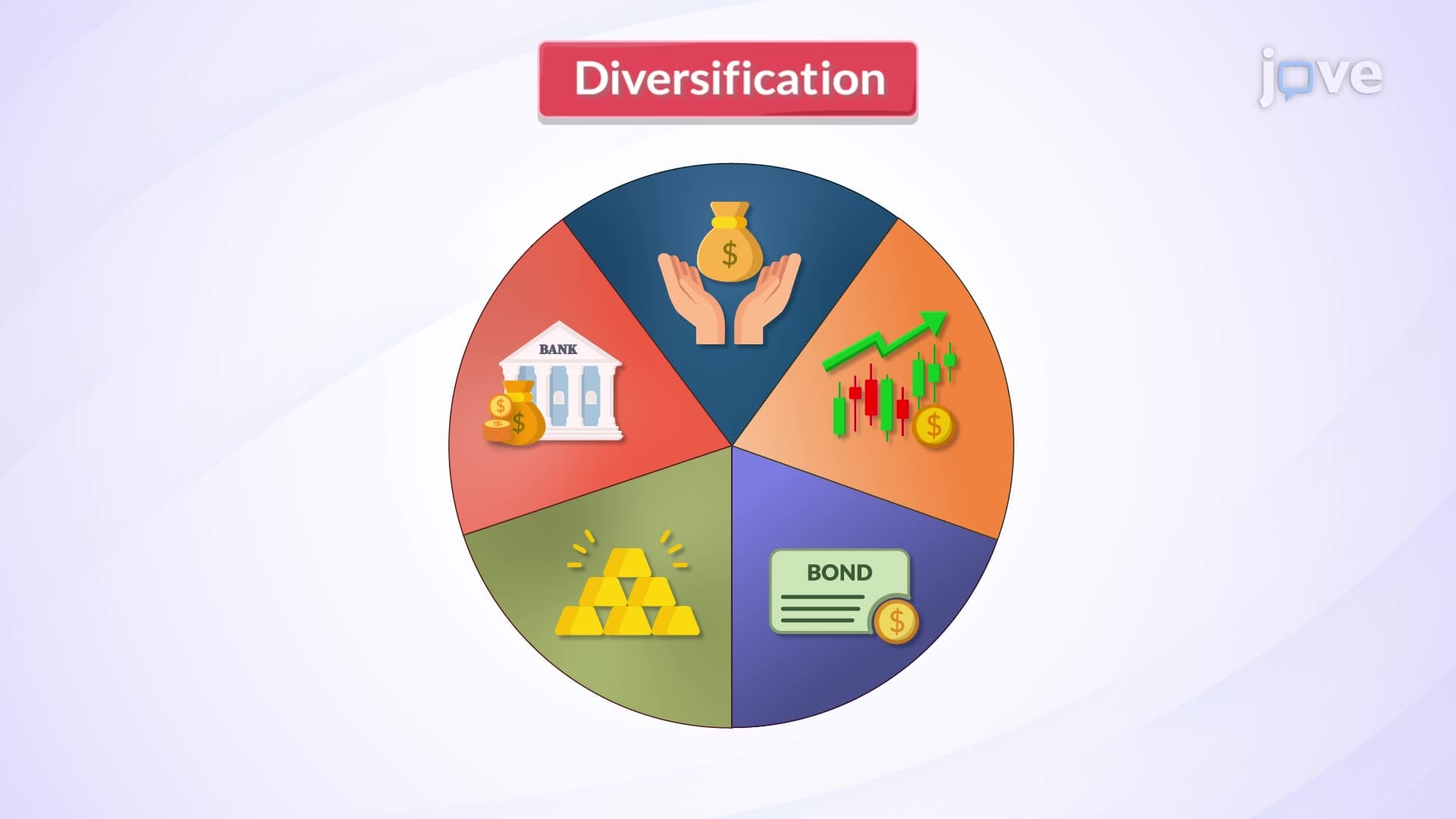
Professional diversification extends beyond simple stock picking. Successful portfolio managers like those at Vanguard systematically allocate across equity sectors, fixed income, alternative investments, and international markets. This approach reduces unsystematic risk-the portion of volatility attributable to specific companies or sectors rather than broader market movements.
Consider sector rotation strategies: when regulatory pressures impact technology companies, diversified portfolios benefit from positions in defensive sectors like utilities or consumer staples. Geographic diversification adds another layer, as domestic economic challenges may not affect international markets equally.
Understanding asset correlation drives professional diversification decisions. During market stress, traditionally negatively correlated assets like Treasury bonds often appreciate when equities decline. Gold frequently serves as an inflation hedge and safe-haven asset. Real estate investment trusts (REITs) provide exposure to property markets with different risk-return characteristics than traditional securities.
Professional portfolio managers quantify these relationships using correlation coefficients, adjusting allocations based on changing market dynamics. The key insight: diversification works best when assets respond differently to the same economic events.
Modern portfolio theory provides the mathematical foundation, but practical implementation requires understanding market cycles, liquidity constraints, and client objectives. Investment committees at major institutions like CalPERS regularly review diversification metrics, stress-test portfolios against various scenarios, and rebalance allocations to maintain target risk levels.
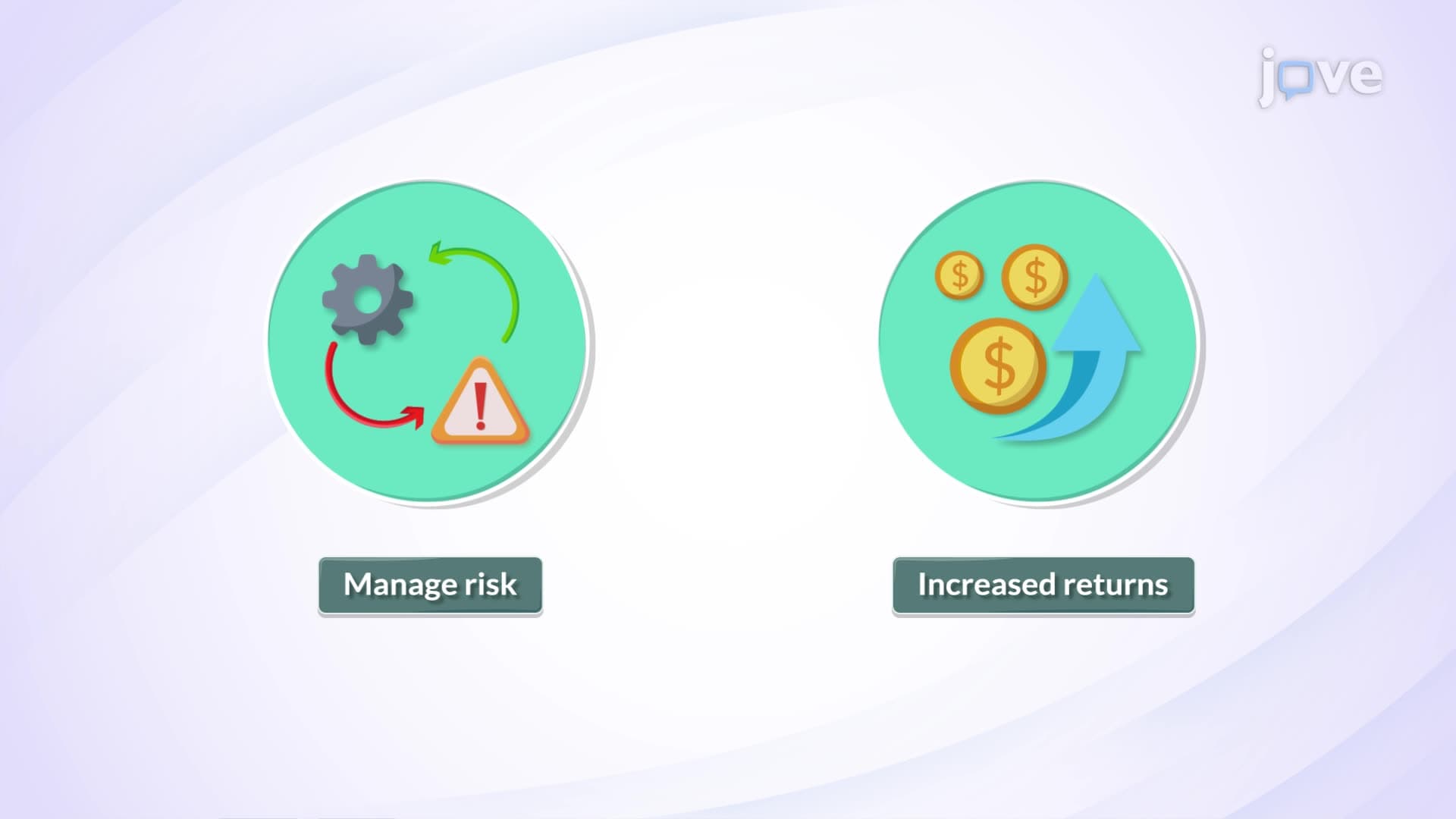
Diversification doesn't eliminate risk-it manages it efficiently. Professional success comes from building portfolios that survive market shocks while capturing long-term growth opportunities across multiple economic environments.
Related Micro-courses