Loading video…


 7 Concepts
 1.2K views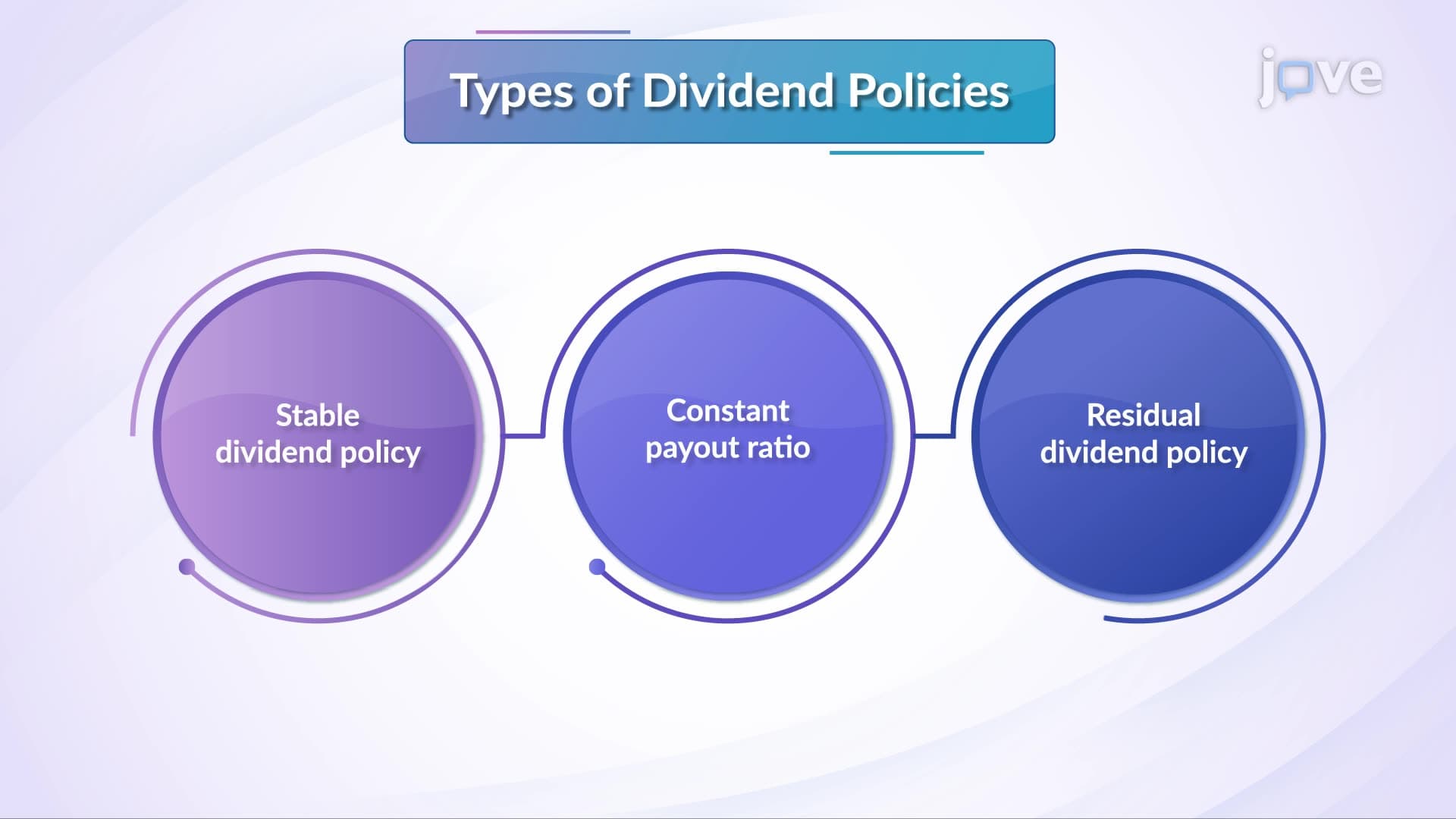

Video Summary: What Is Dividend Policy
Corporate boards face critical capital allocation decisions that directly impact shareholder returns and company growth trajectories. A well-structured dividend policy serves as the strategic framework determining how companies like Microsoft or JPMorgan Chase balance rewarding investors through dividend distributions versus retaining earnings for reinvestment opportunities. This policy decision signals management's confidence in future cash flows while influencing stock valuation and investor sentiment. Understanding dividend policy mechanics enables finance professionals to evaluate corporate financial health, predict cash flow patterns, and make informed investment recommendations. Watch the full video on JoVE Coach to master this concept with expert-led visuals and step-by-step explanations.
Modern CFOs navigate an increasingly complex landscape where capital allocation decisions can make or break quarterly earnings calls. Consider how Apple transformed from a non-dividend paying growth stock to implementing a robust dividend program in 2012, signaling its evolution from a high-growth technology disruptor to a mature cash-generating enterprise. This strategic pivot illustrates how dividend policy serves as both a financial mechanism and a powerful communication tool.
Stable Dividend Policy represents the gold standard for income-focused investors. Companies like Coca-Cola have maintained consistent quarterly payments for decades, creating predictable cash flows that attract institutional investors and retirees. This approach prioritizes payment reliability over earnings volatility, requiring substantial cash reserves to weather economic downturns while maintaining distributions.
Constant Payout Ratio Policy directly ties dividend payments to earnings performance, creating a variable income stream that fluctuates with company profitability. Technology giants often employ this approach during high-growth phases, allowing dividends to scale with business success while preserving capital during challenging periods.
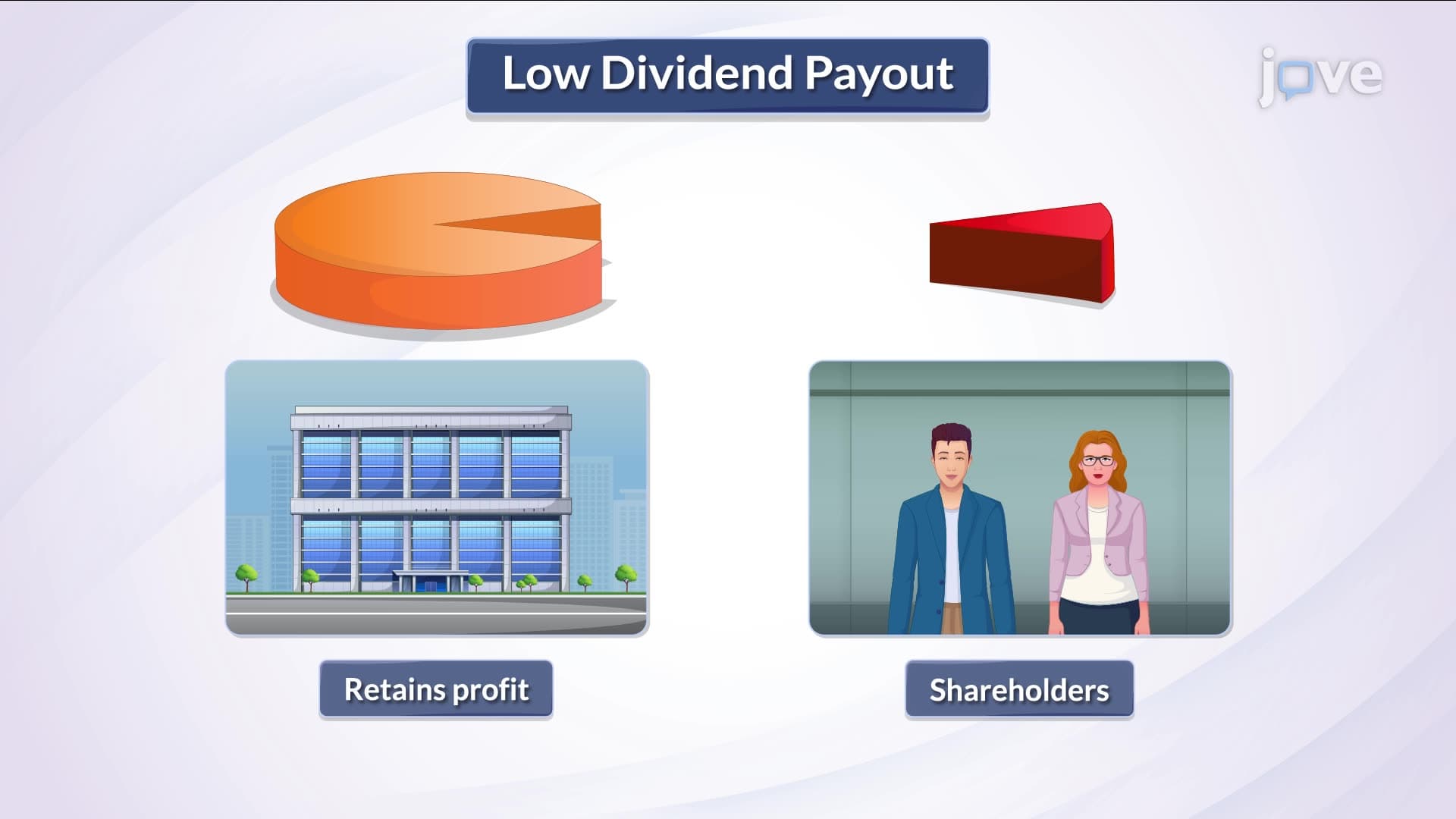
Residual Dividend Policy prioritizes reinvestment opportunities over consistent shareholder distributions. Amazon exemplified this approach for decades, channeling virtually all profits into expansion initiatives rather than dividend payments, ultimately delivering superior long-term returns through capital appreciation.
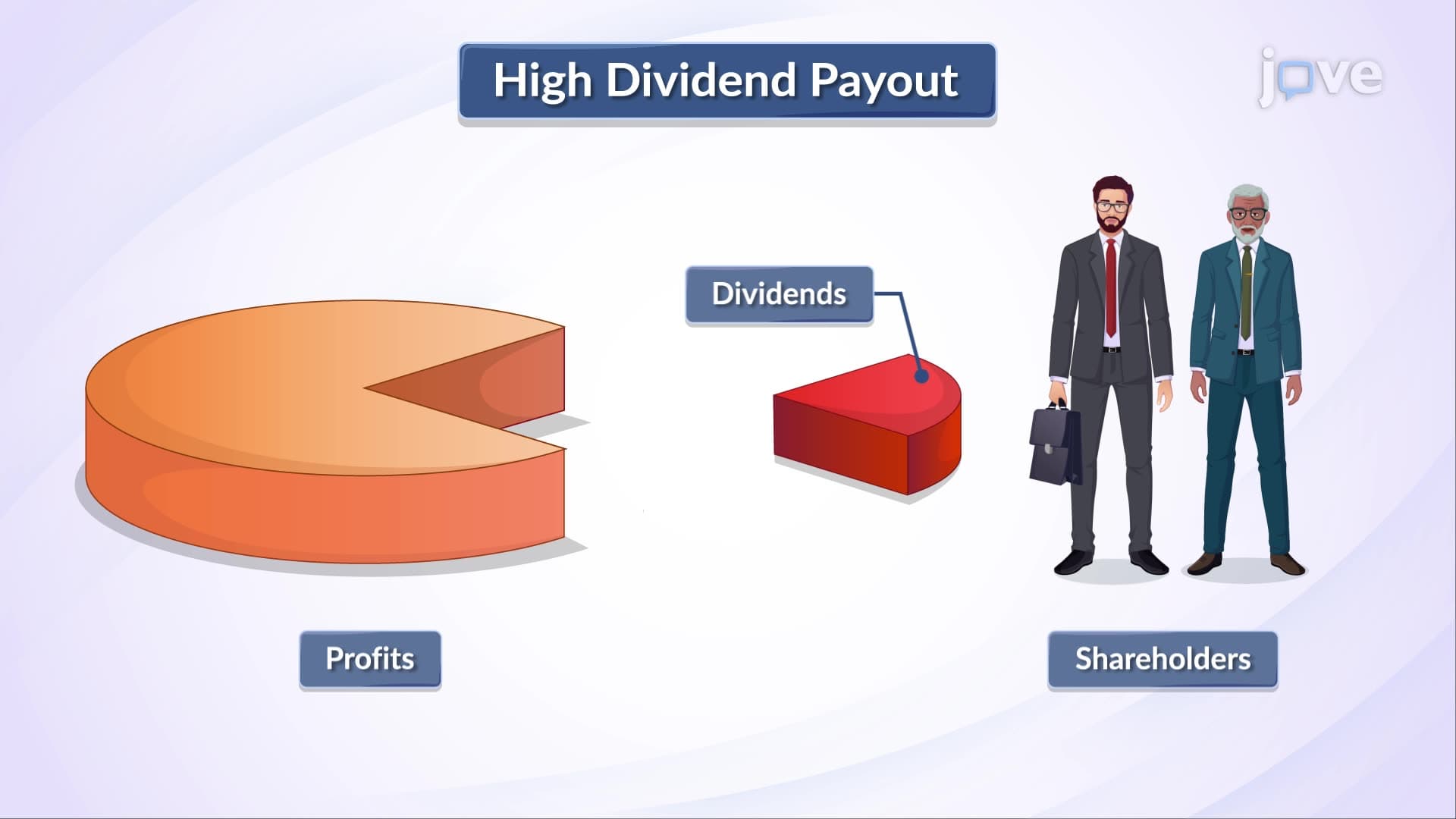
Dividend policy decisions significantly impact competitive positioning within industry sectors. Utilities like Exelon maintain high dividend yields to offset limited growth prospects, while software companies like Salesforce focus capital on acquisitions and R&D rather than distributions. These strategic choices influence investor demographics, cost of capital, and acquisition vulnerability.
Financial markets interpret dividend announcements as management signals about future prospects. Dividend increases typically boost stock prices, while cuts often trigger significant selloffs regardless of underlying business fundamentals. This dynamic creates pressure on management teams to maintain distributions even during temporary earnings shortfalls, potentially constraining strategic flexibility.
Related Micro-courses