Loading video…


 26 Concepts
 3.7K views

Video Summary: Heuristics or Rules of Thumb Explained
When Amazon's leadership team makes rapid product launch decisions or Goldman Sachs traders execute split-second trades, they rely on heuristics rules thumb-mental shortcuts that enable fast decision-making under uncertainty. However, these cognitive shortcuts can introduce costly biases, as seen when tech investors overlook startup failure rates during market euphoria. Understanding heuristics or rules of thumb explained becomes crucial for executives navigating complex business environments where time and complete information are luxuries. Watch the full video on JoVE Coach to master this concept with expert-led visuals and step-by-step explanations.
In today's fast-paced business environment, executives face constant pressure to make decisions with incomplete information and tight deadlines. Consider Netflix's pivot from DVD rental to streaming-a decision that required CEO Reed Hastings to rely on mental shortcuts about consumer behavior and technology adoption rather than waiting for perfect market data.
Heuristics serve as essential cognitive tools that enable rapid decision-making across industries. When JPMorgan Chase evaluates loan applications, loan officers use established rules of thumb about creditworthiness, debt-to-income ratios, and industry risk factors. These shortcuts allow the bank to process thousands of applications efficiently while maintaining reasonable risk standards.
However, the same mechanisms that enable speed can introduce systematic biases. The availability heuristic leads executives to overweight recent events-explaining why many retailers dramatically reduced inventory after experiencing 2020's supply chain disruptions, potentially missing 2021's demand surge. Similarly, the representativeness heuristic causes investors to assume that successful companies like Apple will continue outperforming, sometimes ignoring fundamental changes in competitive dynamics or market saturation.
Anchoring bias particularly affects pricing decisions and negotiations. When Starbucks introduces new products, initial price points often anchor customer expectations, making subsequent price adjustments psychologically challenging. Real estate professionals recognize this phenomenon when initial listing prices influence final sale values, even when market conditions shift significantly.
The default heuristic poses subtler risks in organizational settings. When consulting firms like McKinsey & Company recommend standard frameworks, client organizations may default to these approaches without fully considering company-specific factors or industry nuances. This tendency can lead to generic solutions that miss competitive differentiation opportunities.
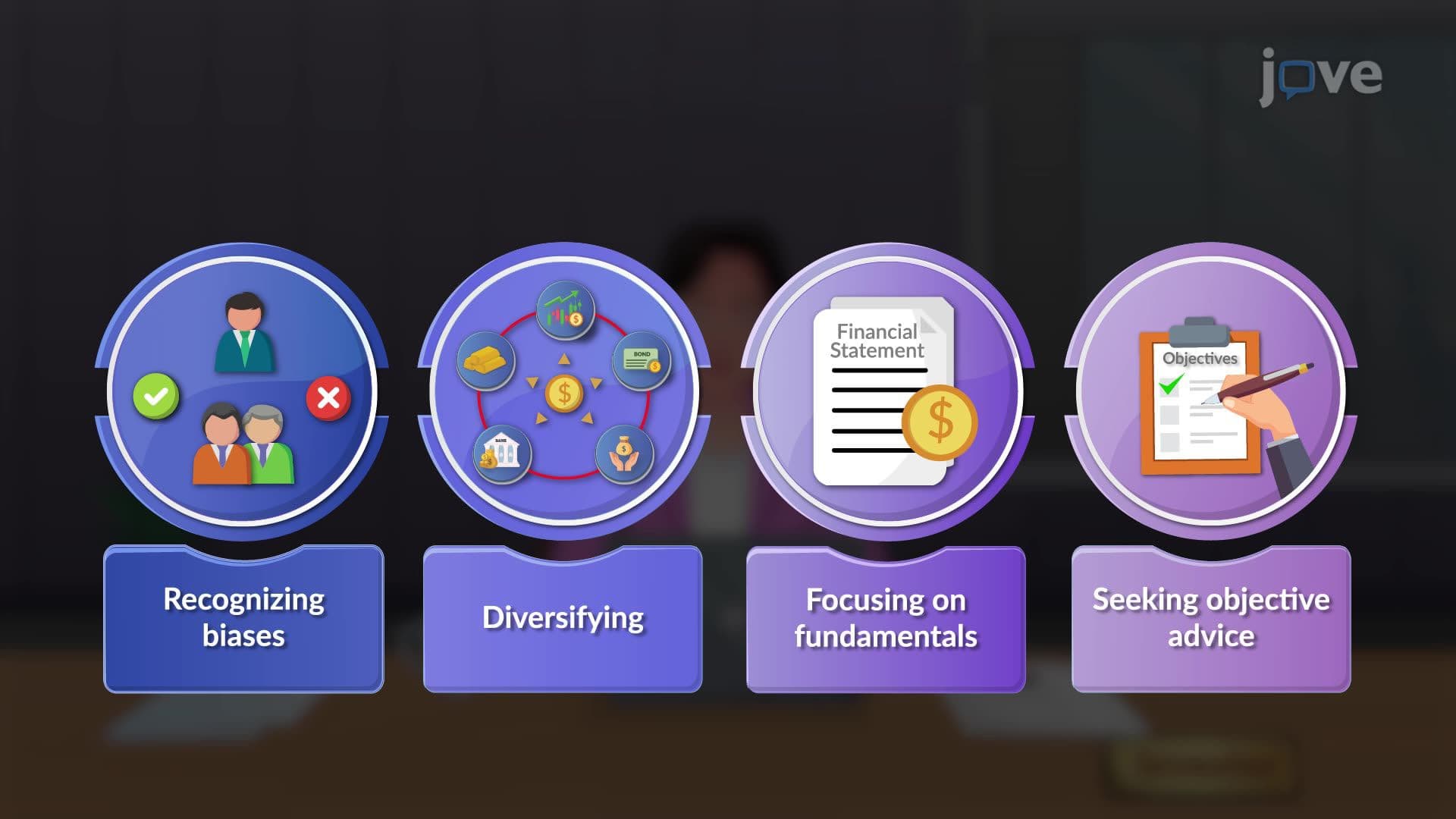
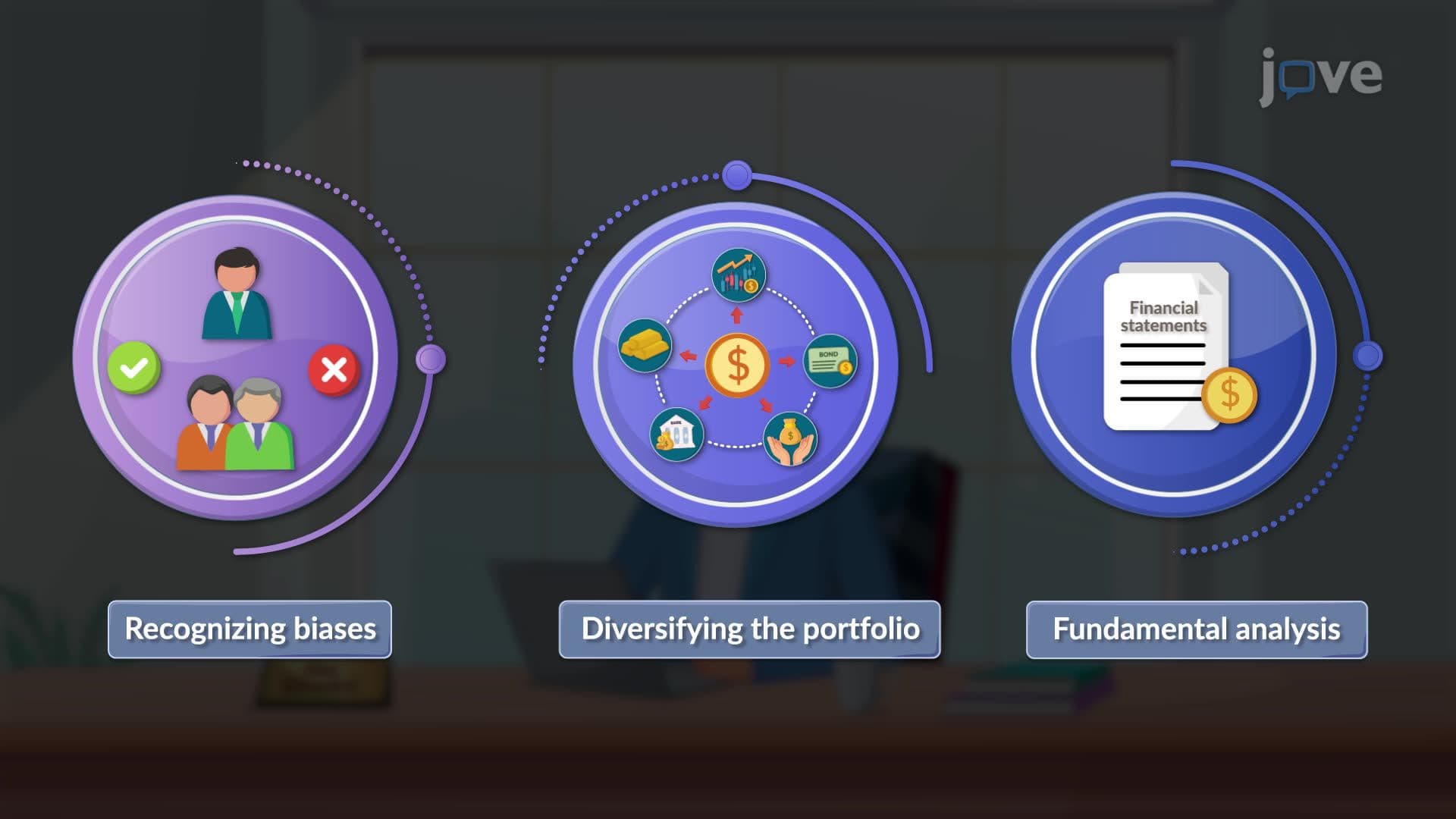
Successful business leaders implement structured approaches to harness heuristic benefits while mitigating bias risks. Warren Buffett's investment philosophy at Berkshire Hathaway exemplifies this balance-using simple rules of thumb for initial screening while conducting rigorous fundamental analysis for major decisions. Organizations can adopt similar dual-process approaches, using heuristics for routine operational decisions while requiring analytical depth for strategic choices involving significant resources or long-term commitments.
Related Micro-courses