Loading video…


 26 Concepts
 3.7K views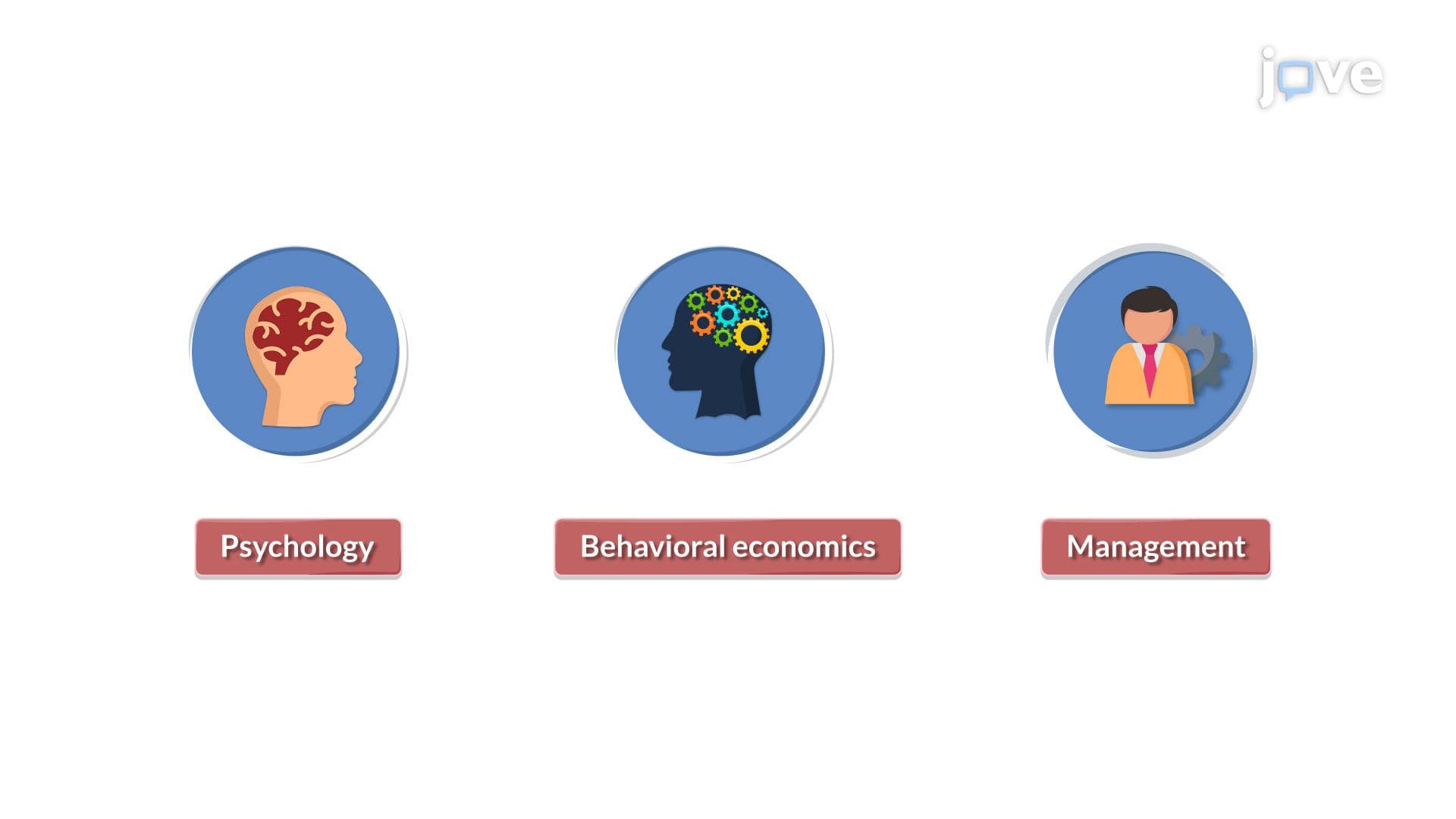

Video Summary: What Is Behavioral Enterprise Decision Making
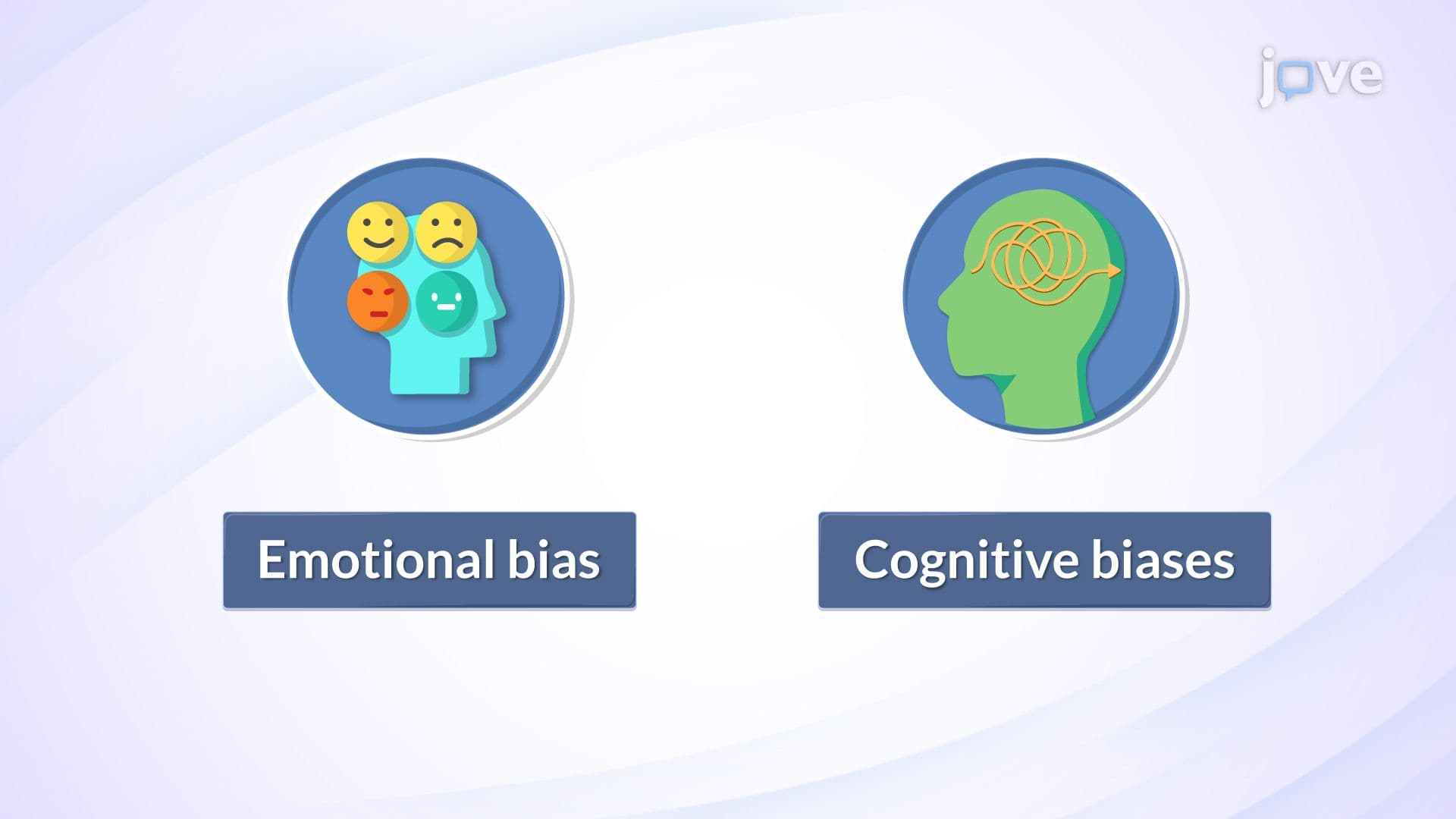
McKinsey research shows that cognitive biases affect 95% of management teams, costing Fortune 500 companies billions in suboptimal decisions annually. Behavioral enterprise decision making integrates psychological insights with strategic management to help leaders navigate complex organizational dynamics and improve outcomes. Companies like General Electric have leveraged these frameworks to restructure operations and eliminate decision-making bottlenecks during major transformations. This approach addresses political dynamics, intuitive reasoning, commitment escalation, and risk propensity that influence executive choices. Watch the full video on JoVE Coach to master this concept with expert-led visuals and step-by-step explanations.
When Reed Hastings decided to split Netflix's DVD and streaming services in 2011, the backlash was swift-800,000 subscribers canceled within months. This high-stakes decision illustrates why understanding behavioral enterprise decision making has become critical for today's executives. This discipline combines insights from psychology, behavioral economics, and strategic management to help leaders make better decisions under uncertainty and organizational complexity.
Political dynamics represent one of the most underestimated forces in enterprise decision-making. Unlike the clean decision trees taught in business school, real organizational choices emerge from coalitions, alliances, and competing interests across departments. Consider how Amazon's decision to enter healthcare involved complex internal negotiations between AWS, retail operations, and new venture teams, each with different risk tolerances and success metrics.
Successful leaders recognize that technical merit alone doesn't drive adoption. They build strategic alliances, understand informal power networks, and frame proposals to align with key stakeholders' objectives. This political intelligence becomes particularly crucial during budget planning, merger integration, and digital transformation initiatives.
Experienced executives often rely on pattern recognition and intuitive judgment, especially in fast-moving markets where comprehensive analysis isn't feasible. Jeff Bezos famously made Amazon's early expansion decisions based on "regret minimization framework"-combining analytical rigor with intuitive assessment of long-term opportunities.
However, intuition becomes dangerous when it reinforces existing biases or ignores contradictory market signals. The most effective leaders create decision-making processes that harness experiential wisdom while incorporating systematic data review and devil's advocate perspectives.
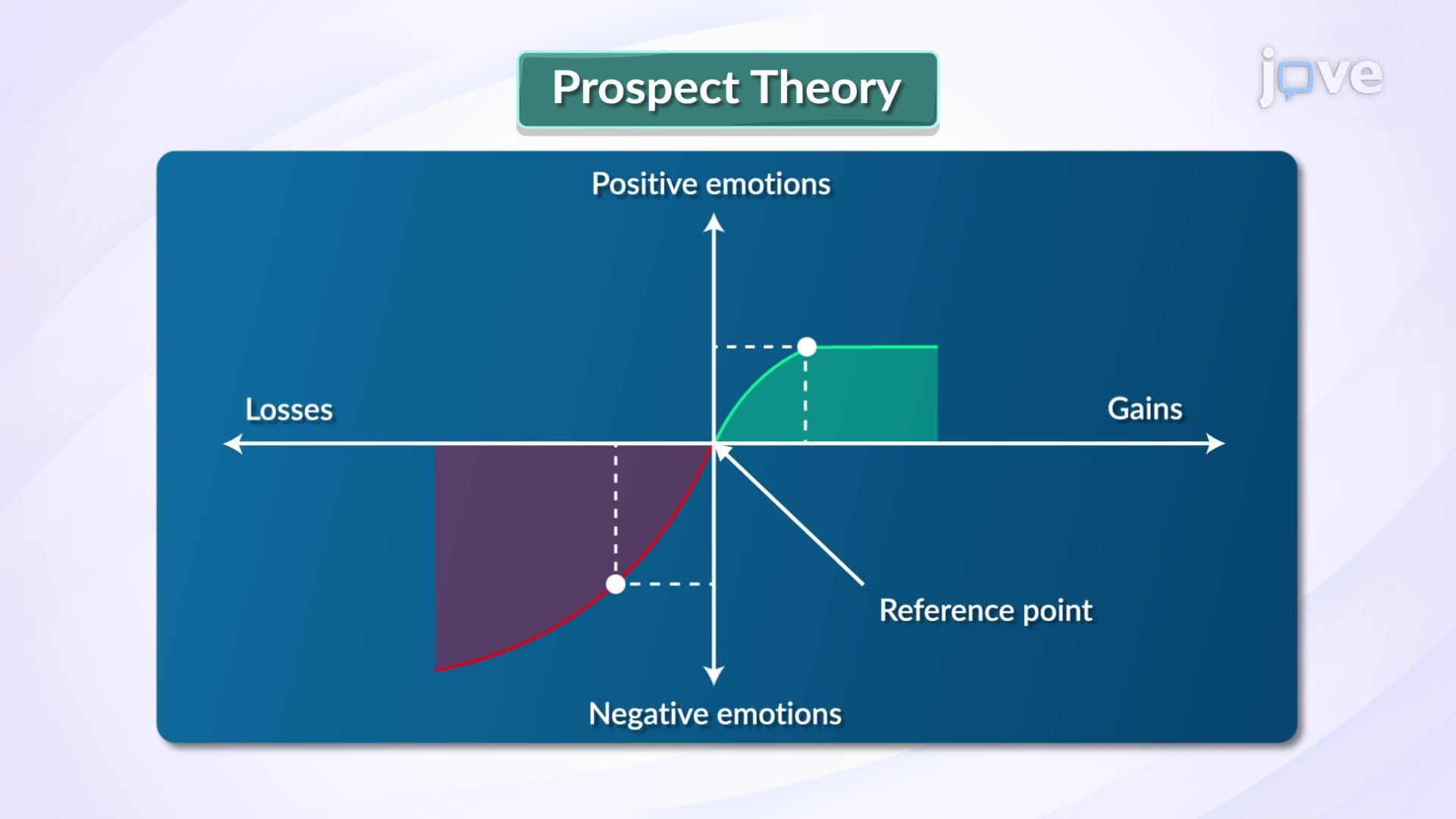
Commitment escalation-continuing failed initiatives due to previous investments-destroys shareholder value across industries. Google's persistence with Google+ despite clear user adoption challenges exemplifies how even data-driven organizations can fall into this trap. The platform consumed significant resources for years before executives acknowledged the strategic pivot needed.
Leading organizations implement stage-gate reviews, rotate decision-makers on long-term projects, and establish clear failure criteria upfront. These mechanisms help teams objectively assess continuation versus termination decisions without emotional attachment to past investments.
Related Micro-courses