Loading video…


 26 Concepts
 3.7K views

Video Summary: What Is the Representativeness Heuristic
Investment professionals frequently make costly decisions based on pattern recognition that proves misleading. The representativeness heuristic drives executives to categorize investments, strategies, or market conditions based on superficial similarities to past experiences, often ignoring critical underlying factors. Consider how Tesla's early success led countless investors to pour money into electric vehicle startups, assuming similar trajectories without analyzing fundamental business models or competitive positioning. This cognitive shortcut can systematically distort strategic decision-making across industries. Watch the full video on JoVE Coach to master this concept with expert-led visuals and step-by-step explanations.
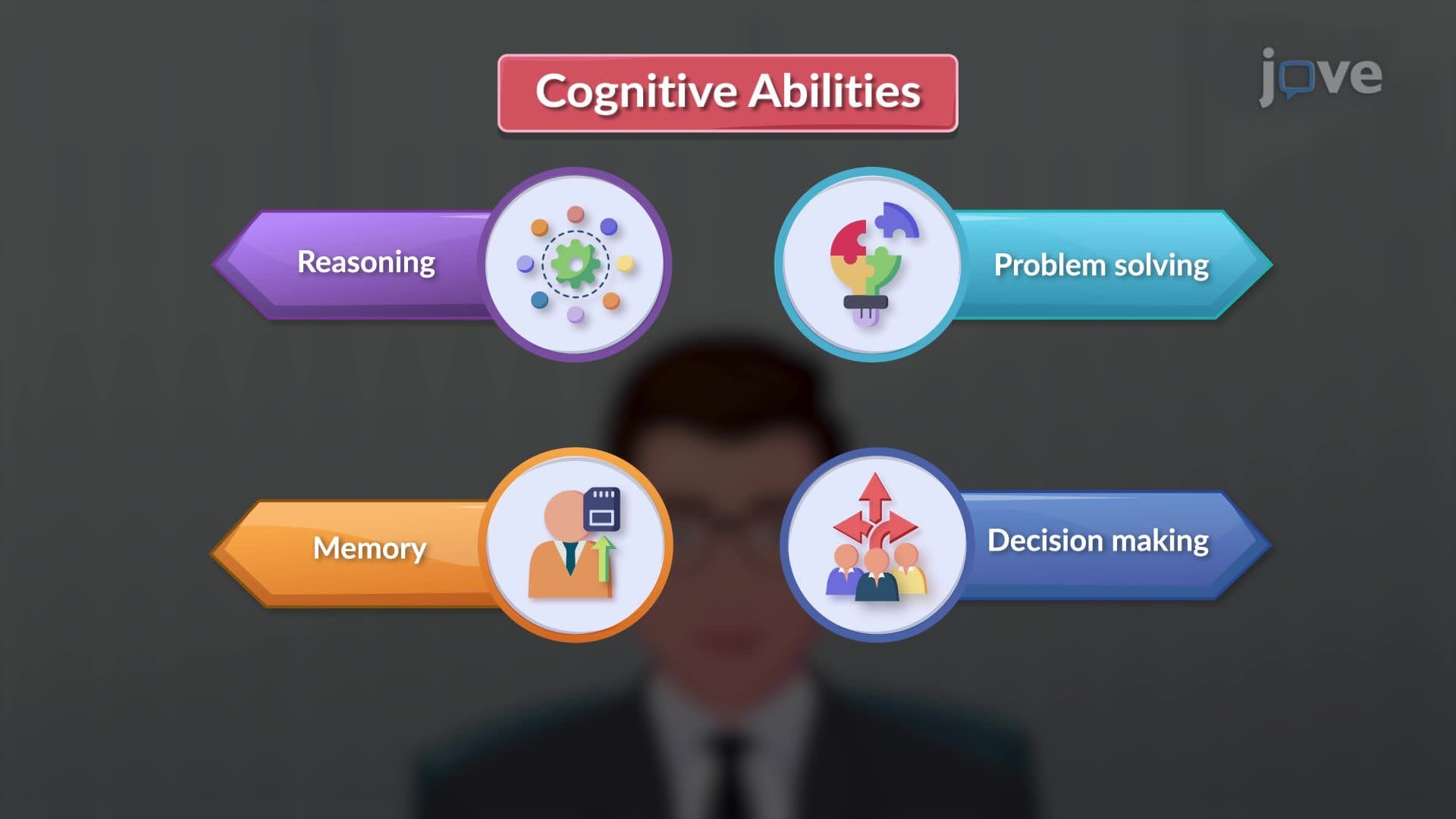
The representativeness heuristic represents one of the most pervasive cognitive biases affecting executive decision-making and capital allocation. This mental shortcut leads professionals to judge probability and categorize opportunities based on how closely they resemble familiar patterns, often at the expense of rigorous analysis.
In corporate finance and investment management, representativeness bias creates systematic distortions in asset allocation and strategic planning. When Enron's rapid growth trajectory convinced investors that aggressive growth strategies in energy trading were universally viable, many firms adopted similar models without understanding the underlying risk structures. This pattern recognition led to catastrophic misallocation of resources across the sector.
Modern examples abound in technology investing, where venture capitalists and corporate development teams frequently overweight certain sectors based on recent success stories. The explosive growth of companies like Zoom during the pandemic led to massive overinvestment in remote work technologies, with many investors assuming all virtual collaboration tools would experience similar adoption curves.
The representativeness heuristic significantly impacts operational strategy and competitive analysis. Retail executives often make expansion decisions based on superficial similarities between markets, ignoring demographic nuances, local competition, and regulatory environments. Target's failed expansion into Canada exemplifies this bias, leadership assumed Canadian consumers would respond similarly to American shoppers, overlooking critical cultural and competitive differences.
In merger and acquisition activity, representativeness bias leads to systematic overvaluation of targets that superficially resemble previous successful acquisitions. Investment bankers and corporate development teams frequently justify premiums by citing analogous transactions without adequately accounting for timing, market conditions, or fundamental business model differences.
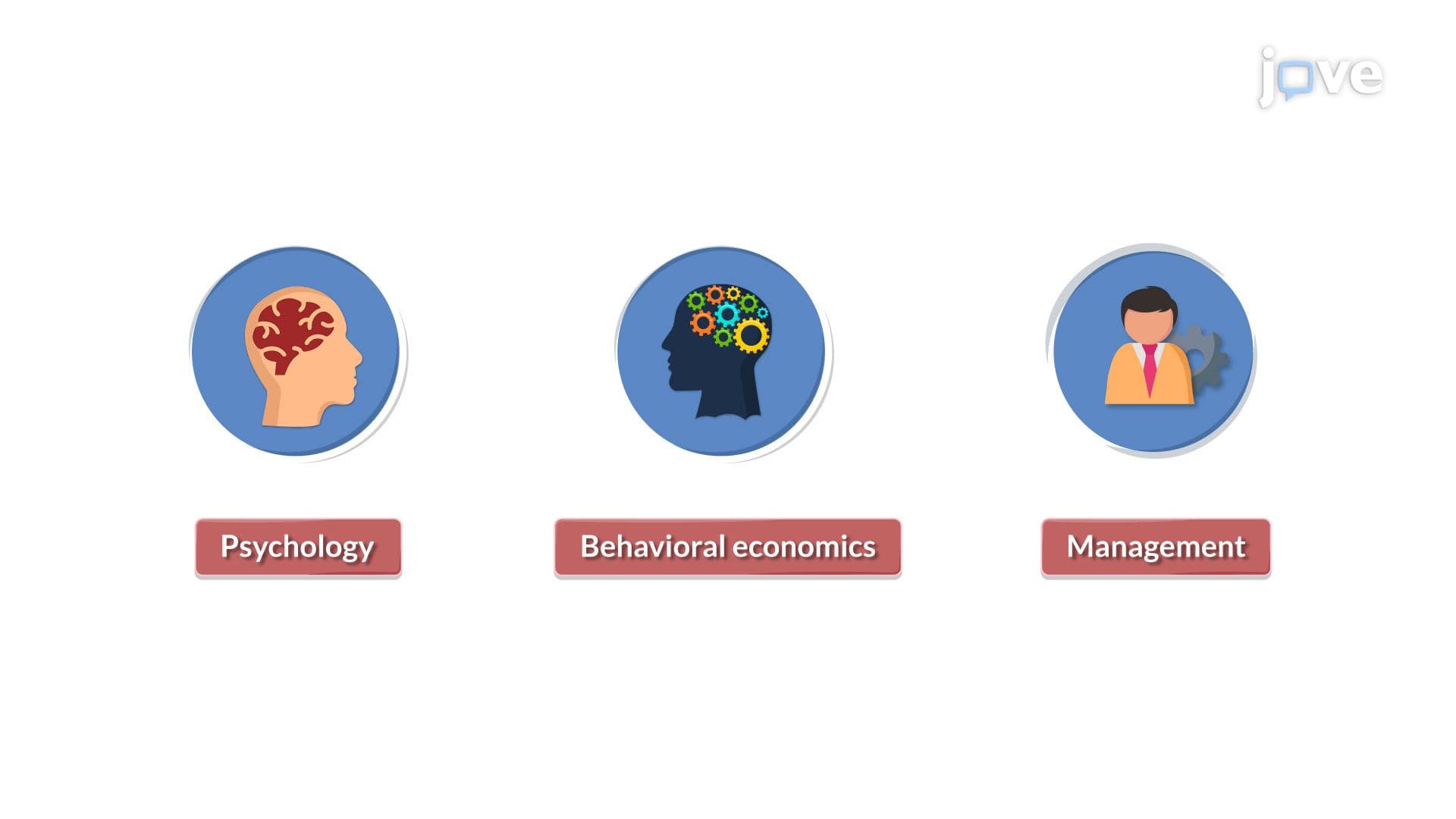
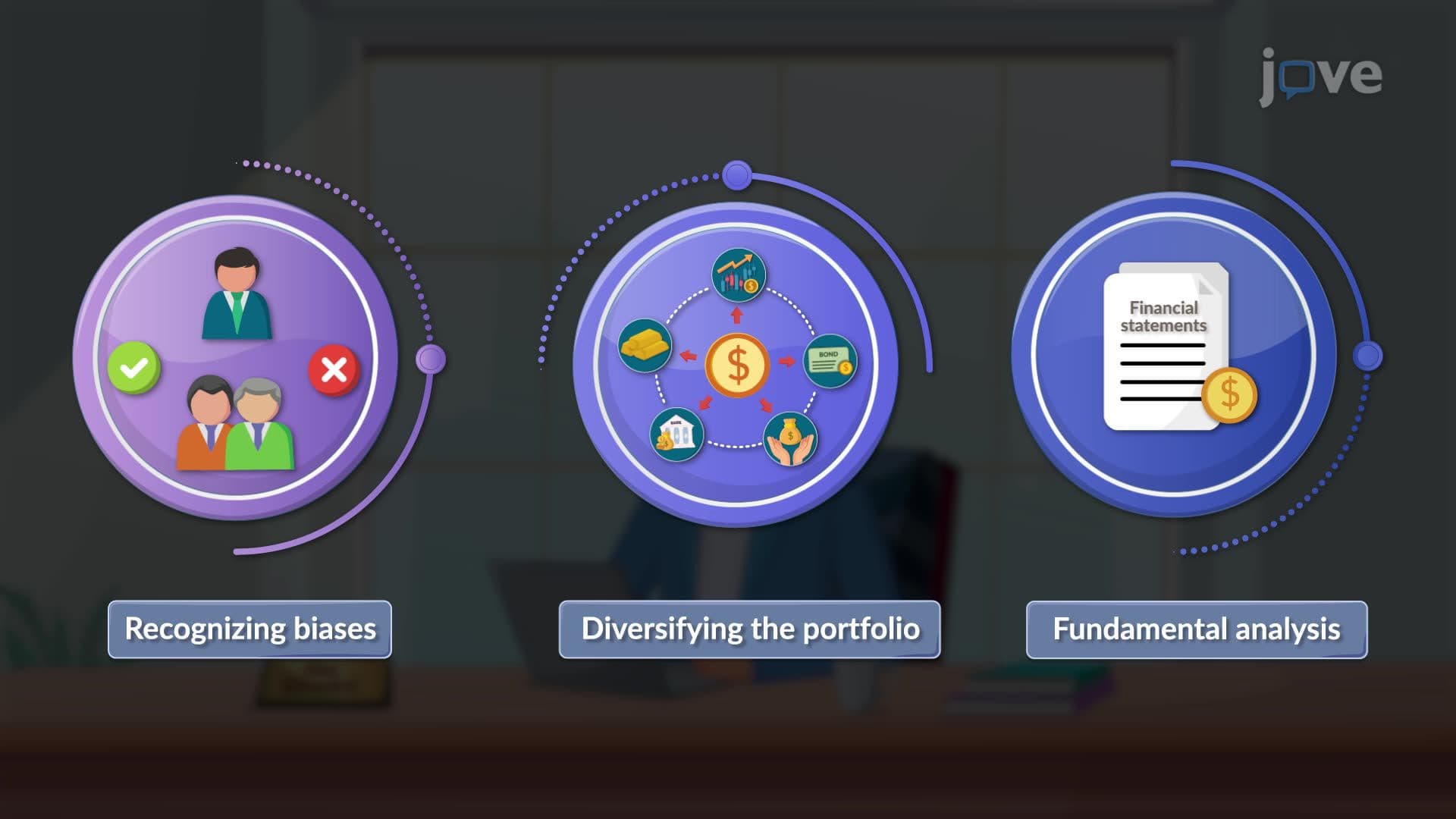
Understanding representativeness heuristics proves essential for risk management frameworks and behavioral finance applications. Professional investors who recognize this bias implement systematic approaches including scenario planning, statistical backtesting, and peer review processes to counteract pattern-based decision-making. Successful hedge funds like Bridgewater Associates explicitly design investment processes to identify and neutralize cognitive biases, including representativeness effects that can distort portfolio construction and risk assessment.
Related Micro-courses