Loading subject page…


3,690 views


Video Summary: What Is Other Behavioral Biases
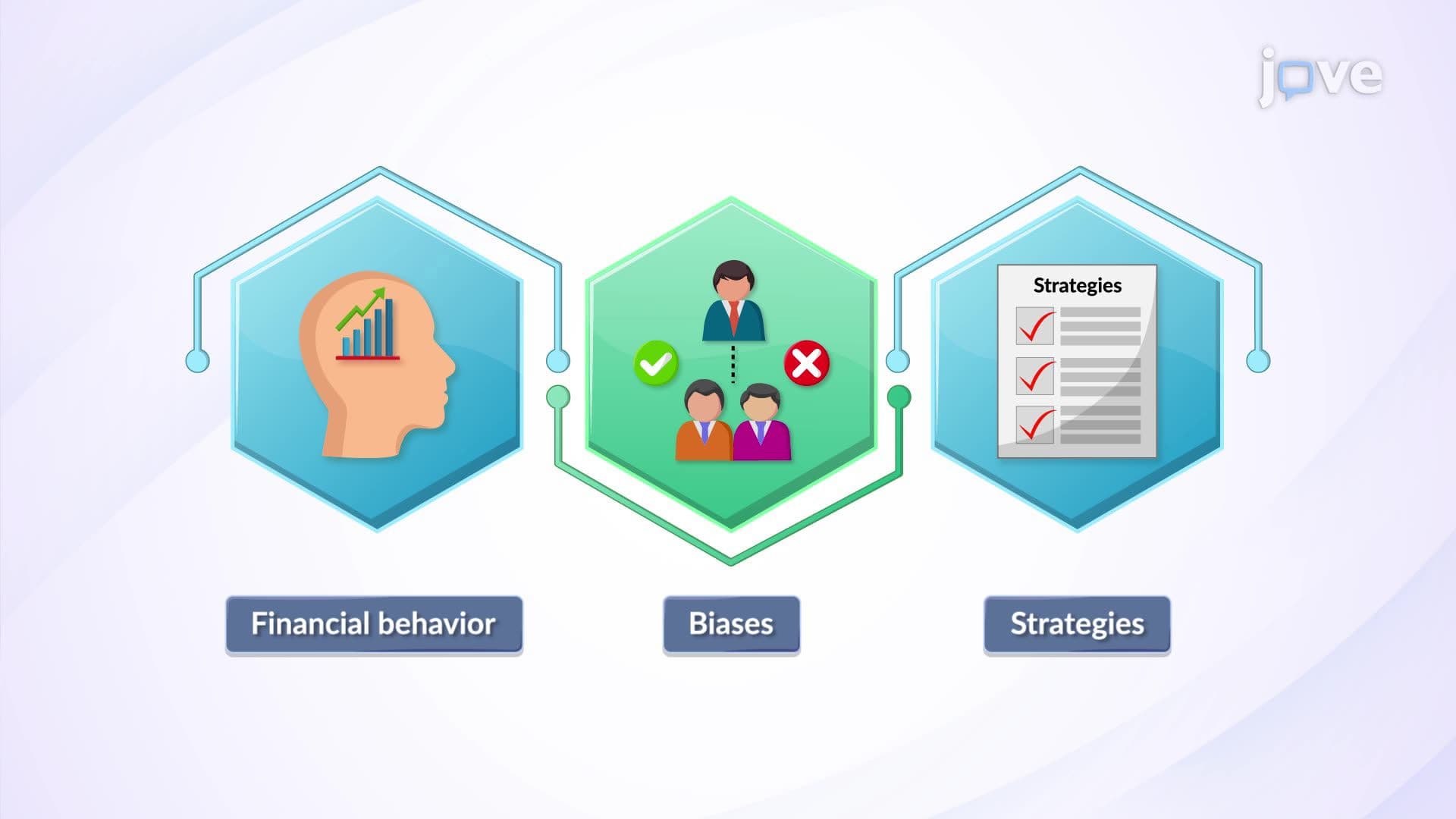
Other behavioral biases cost US investors billions annually, with major institutional portfolios underperforming by 2-3% due to systematic decision-making errors. Other behavioral biases encompass three critical categories that derail rational financial choices: inertia, self-deception, and affect heuristics. Even sophisticated portfolio managers at firms like BlackRock implement systematic bias-reduction protocols to combat these tendencies. Watch the full video on JoVE Coach to master this concept with expert-led visuals and step-by-step explanations.
Wall Street's most expensive mistakes often stem from behavioral biases that cause otherwise rational professionals to make systematically poor decisions. When Lehman Brothers collapsed in 2008, internal reports revealed how confirmation bias and overconfidence contributed to excessive risk-taking that ultimately destroyed the firm. Understanding other behavioral biases has become essential for financial professionals managing everything from corporate treasury functions to institutional investment portfolios.
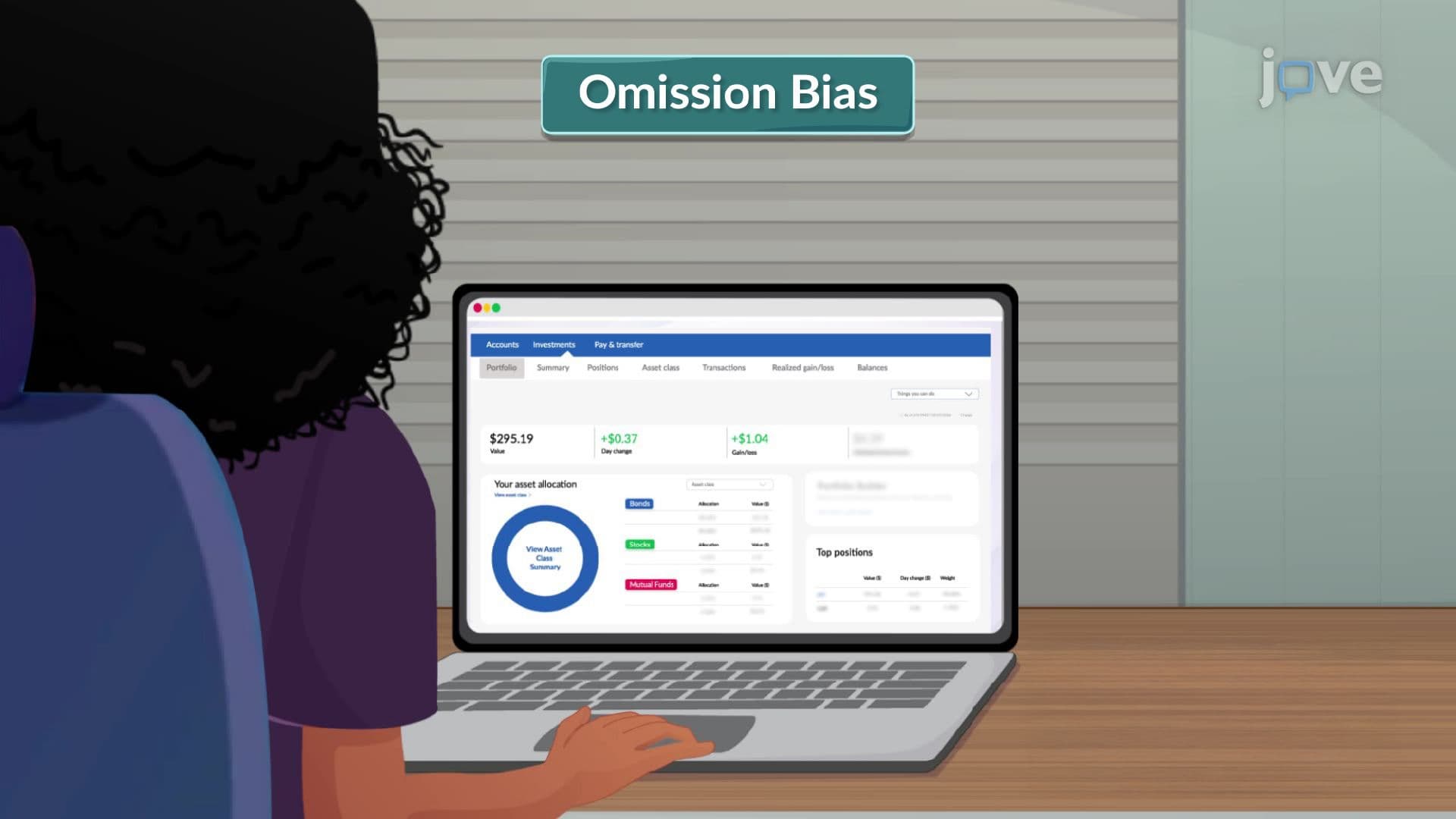
Inertia bias manifests when professionals default to existing strategies despite changing market conditions. Consider how many Fortune 500 CFOs delayed adopting zero-based budgeting practices, clinging to traditional incremental budgeting methods that no longer served their organizations effectively. This resistance to change often costs companies millions in operational inefficiencies and missed strategic opportunities.
Self-deception bias emerges when executives overestimate their predictive abilities or market knowledge. Research shows that 80% of mutual fund managers believe they can beat market indices, yet only 15% consistently achieve this goal over five-year periods. This overconfidence leads to excessive trading costs, poor timing decisions, and ultimately, underperformance that impacts client returns and firm profitability.
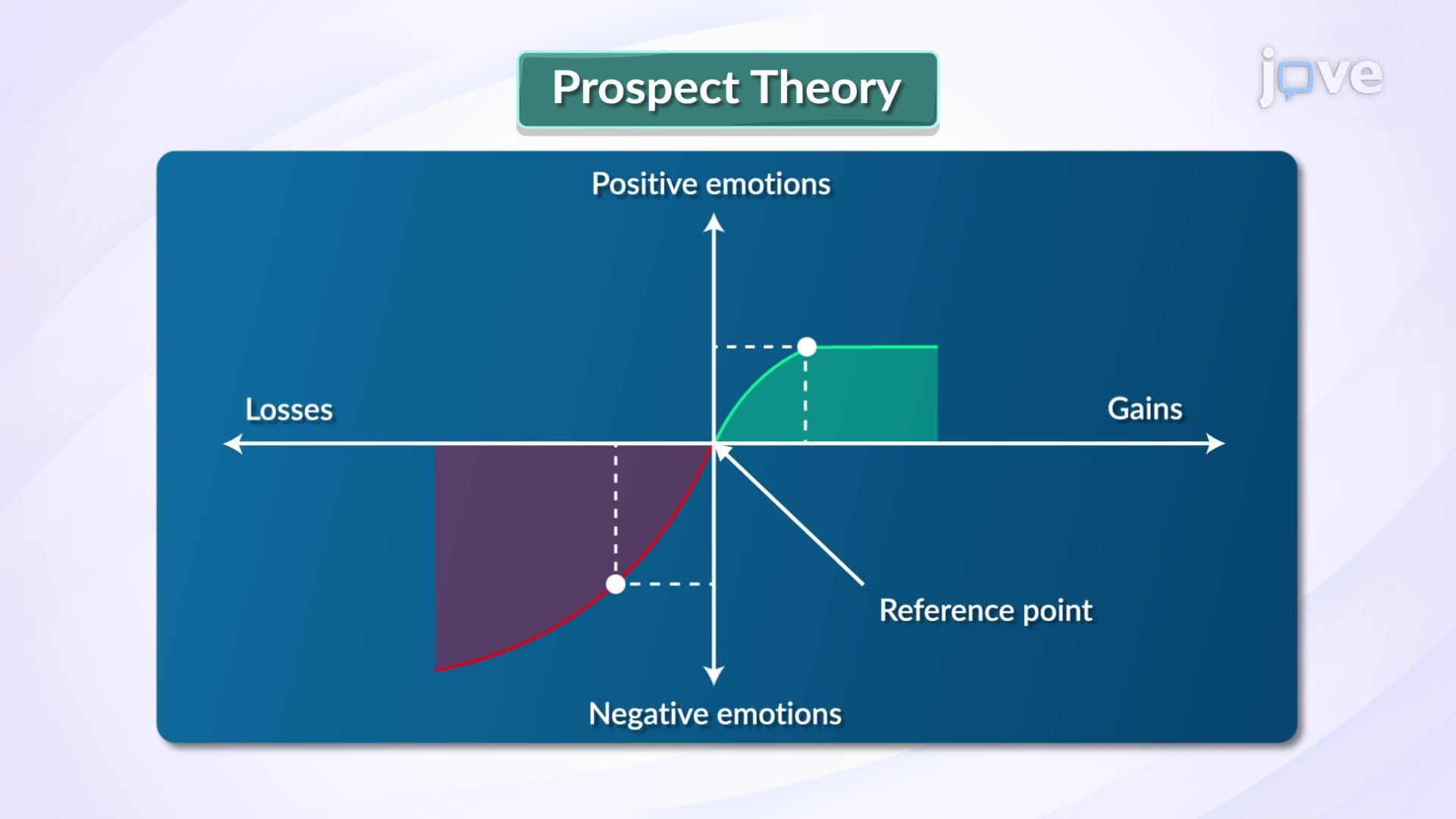
The affect heuristic drives professionals to make decisions based on emotional reactions rather than data-driven analysis. During the 2020 market volatility, many institutional investors at firms like Fidelity implemented circuit-breaker protocols specifically to prevent fear-based selling that would have crystallized massive losses for their clients.
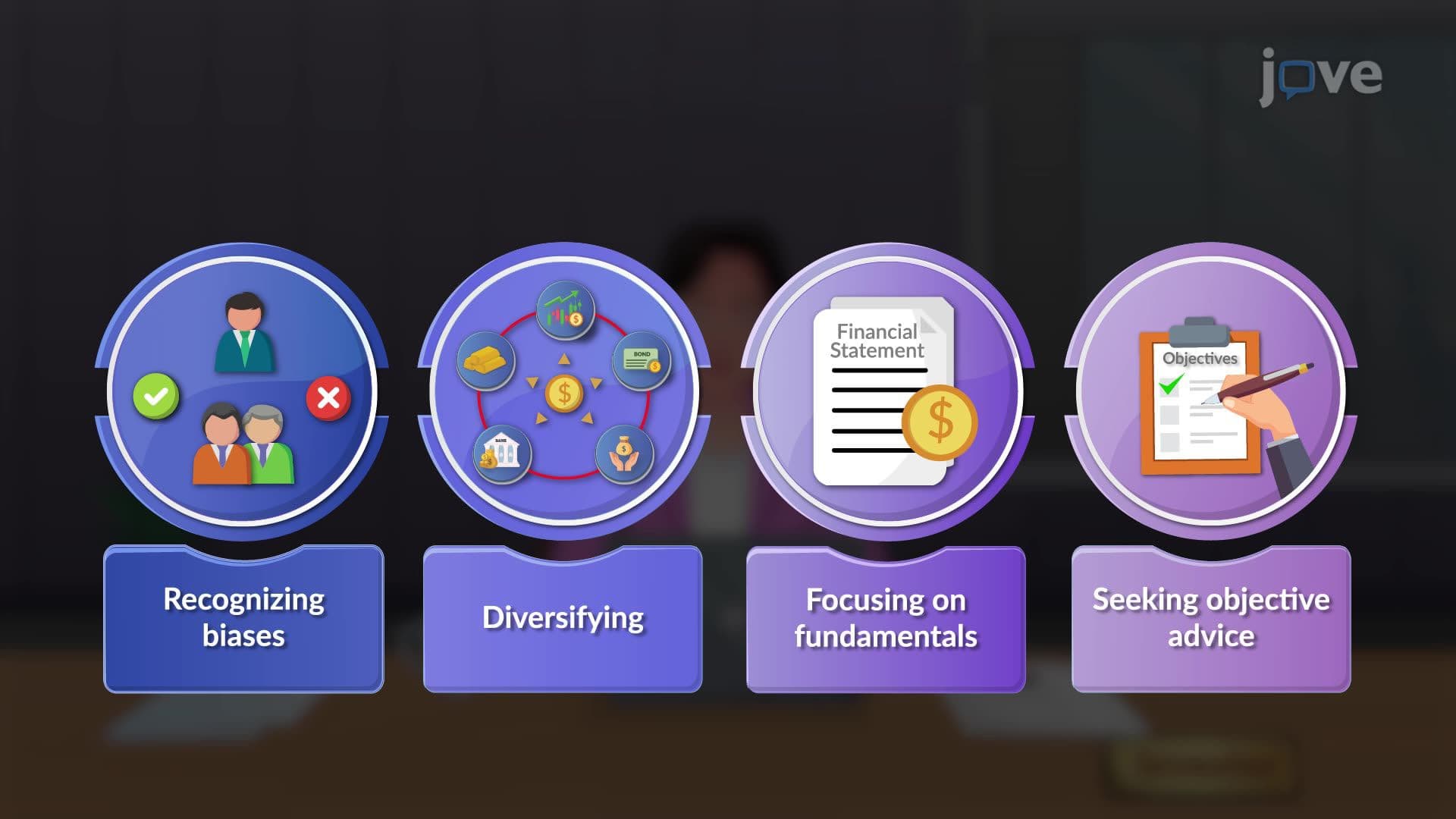
Leading investment firms now employ systematic approaches to combat behavioral biases. Goldman Sachs' investment committee structures include mandatory devil's advocate roles and pre-mortem analysis sessions that force teams to confront potential blind spots before committing capital. These frameworks typically reduce portfolio volatility by 15-20% while improving risk-adjusted returns across institutional mandates.
Related Micro-courses