Loading video…


 26 Concepts
 3.7K views

Video Summary: What are Behavioral Financing Decisions
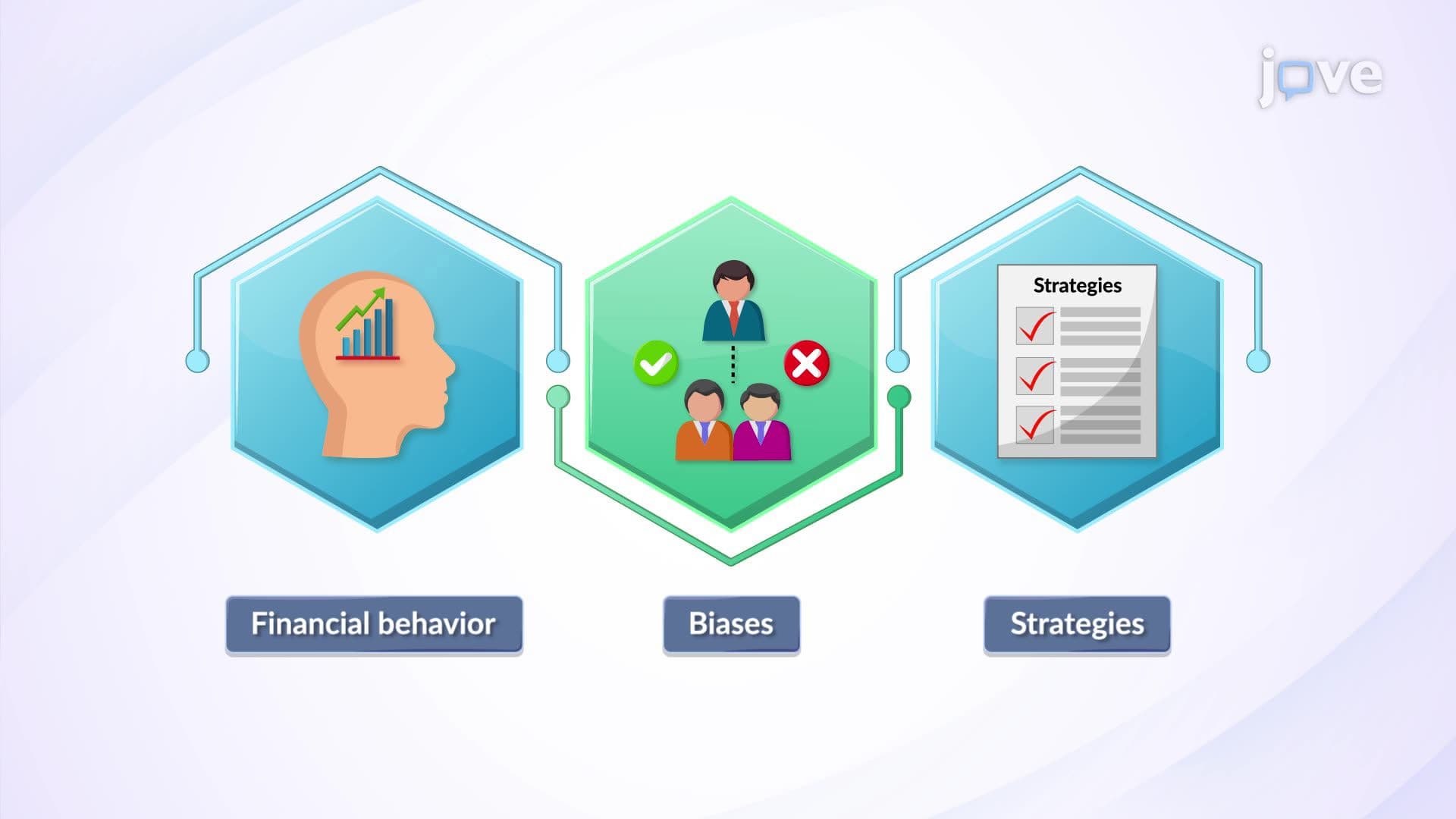
Major financial institutions like JPMorgan Chase lose billions annually when executive teams fall prey to psychological biases during critical investment decisions. Behavioral financing decisions represent the intersection where human psychology meets corporate finance, often deriving outcomes that contradict traditional rational economic models. These decisions are influenced by cognitive biases such as herd mentality, anchoring, and confirmation bias, which can lead to suboptimal capital allocation and missed strategic opportunities. Watch the full video on JoVE Coach to master this concept with expert-led visuals and step-by-step explanations.
When Wells Fargo's executives approved aggressive cross-selling targets in the early 2010s, they demonstrated a classic case of confirmation bias-selecting data that supported their growth assumptions while ignoring warning signs about unsustainable practices. This scenario illustrates how behavioral financing decisions can derail even the most established financial institutions.
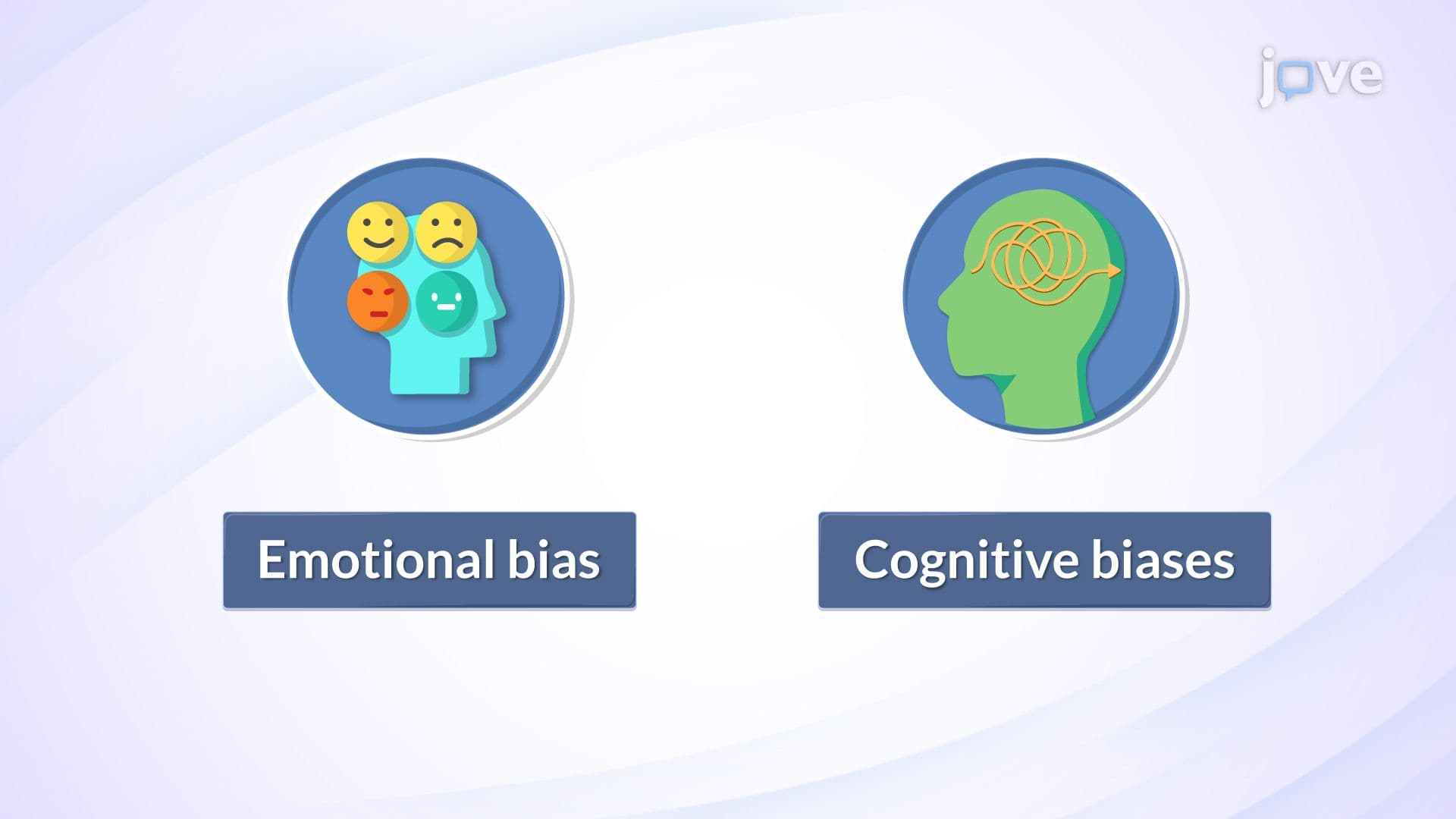
Behavioral financing decisions occur when psychological factors override purely analytical approaches to capital allocation, investment selection, and risk management. Unlike traditional finance theory, which assumes rational actors making optimal choices, behavioral finance recognizes that executives, portfolio managers, and business leaders are human beings subject to cognitive biases and emotional influences.
The three most prevalent biases affecting corporate financial decisions create predictable patterns across industries. Herd bias manifests when investment committees follow market trends without independent analysis-consider how technology companies rushed to acquire AI startups in 2023, often paying premium valuations simply because competitors were making similar moves. This collective behavior can inflate asset prices and create market inefficiencies that savvy professionals can identify and potentially exploit.
Anchoring bias presents significant challenges in merger and acquisition activities. When Verizon acquired Yahoo for $4.48 billion in 2017, analysts suggested the telecommunications giant anchored too heavily on Yahoo's historical peak valuation rather than conducting fresh analysis of its diminished market position. This bias causes decision-makers to rely excessively on initial information, preventing objective reassessment as circumstances change.
Confirmation bias proves particularly dangerous in quarterly earnings analysis and long-term strategic planning. Finance teams may unconsciously select data points that support existing investment theses while overlooking contradictory evidence. This selective information processing can perpetuate poor investment decisions and delay necessary course corrections.
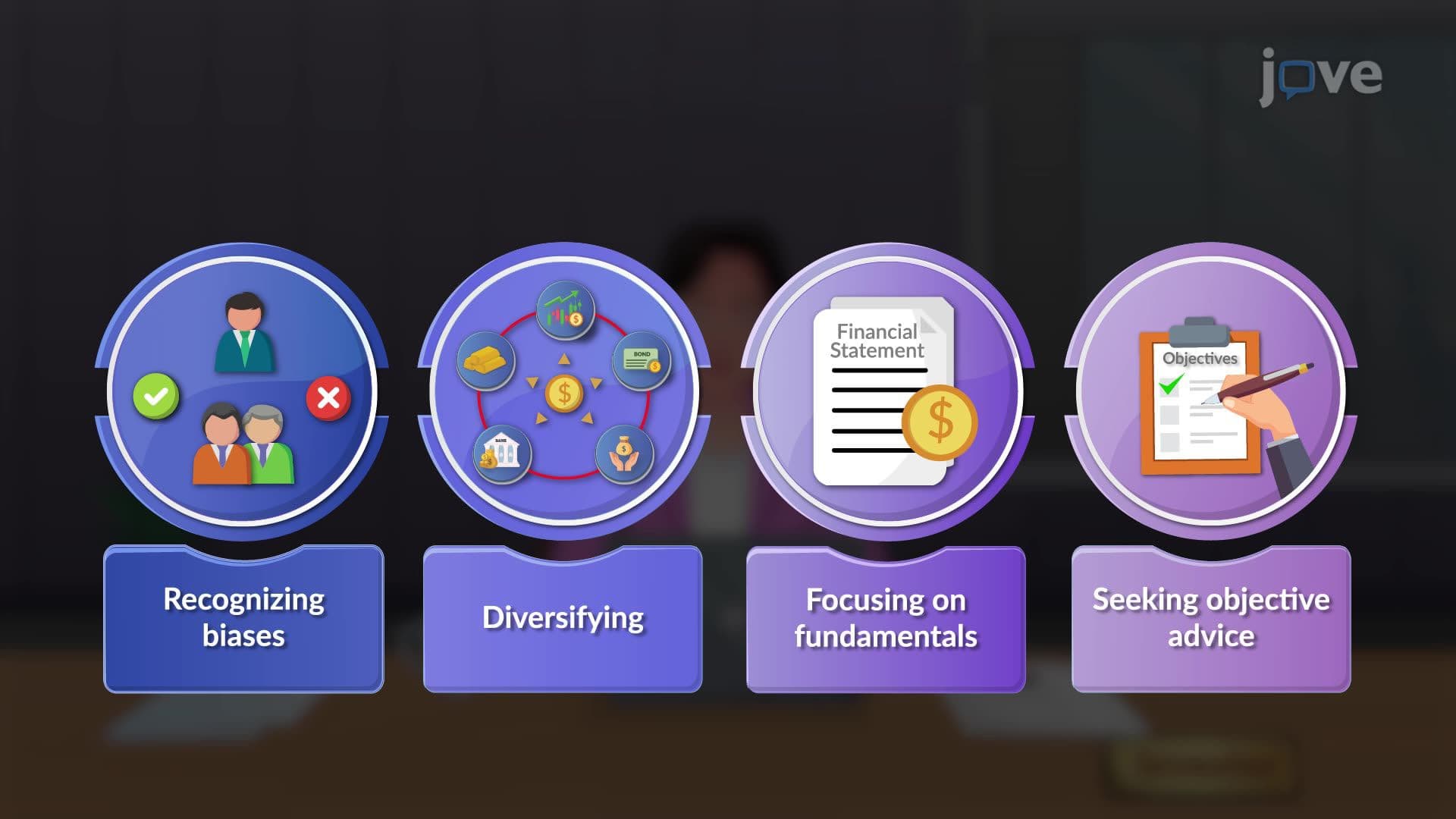
Progressive organizations implement structured processes to counteract these psychological tendencies. Successful approaches include establishing devil's advocate roles in investment committees, requiring multiple independent valuations for significant transactions, and creating systematic review checkpoints that force teams to challenge their assumptions. Companies like Berkshire Hathaway have built reputations for disciplined decision-making by institutionalizing processes that account for human psychological limitations while maintaining analytical rigor.
Related Micro-courses