Loading video…


 12 Concepts
 3.4K views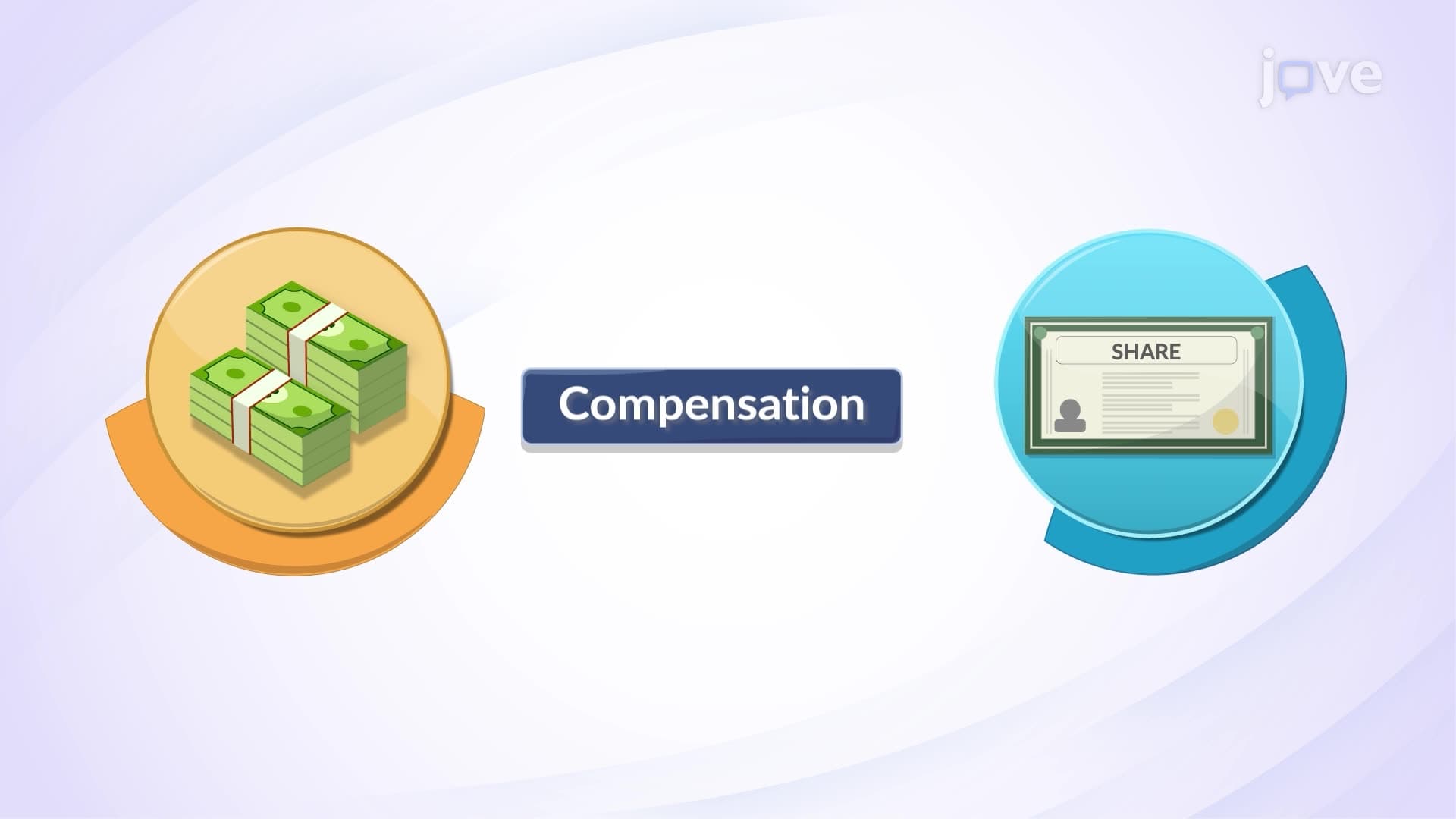

Video Summary: What are Compensation and Incentive Structures
US financial services firms lose billions annually due to misaligned compensation incentive structures that prioritize short-term gains over sustainable client relationships. Poorly designed compensation and incentive structures can drive employees toward unethical behavior, as seen in cases like Wells Fargo's account fraud scandal. This concept examines What are Compensation And Incentive Structures and how organizations balance performance rewards with ethical standards. Watch the full video on JoVE Coach to master this concept with expert-led visuals and step-by-step explanations.
When JPMorgan Chase restructured its wealth management compensation in 2019, the firm faced a critical challenge: how do you reward high performance while ensuring client-first behavior? This scenario illustrates why understanding compensation and incentive structures has become essential for business leaders navigating today's complex regulatory and competitive landscape.
Effective compensation and incentive structures encompass far more than base salaries. They represent a comprehensive system including monetary elements (wages, bonuses, profit-sharing, stock options) and non-monetary components (recognition programs, career development opportunities, flexible work arrangements). Forward-thinking companies like Microsoft have pioneered holistic approaches that tie individual compensation to both performance metrics and cultural values, creating alignment between personal success and organizational objectives.
The strategic power lies in designing these structures to influence behavior at scale. When Goldman Sachs modified its bonus structure to include environmental and social governance (ESG) metrics, it wasn't just changing pay scales-it was reshaping how thousands of employees prioritize their daily decisions and long-term career strategies.
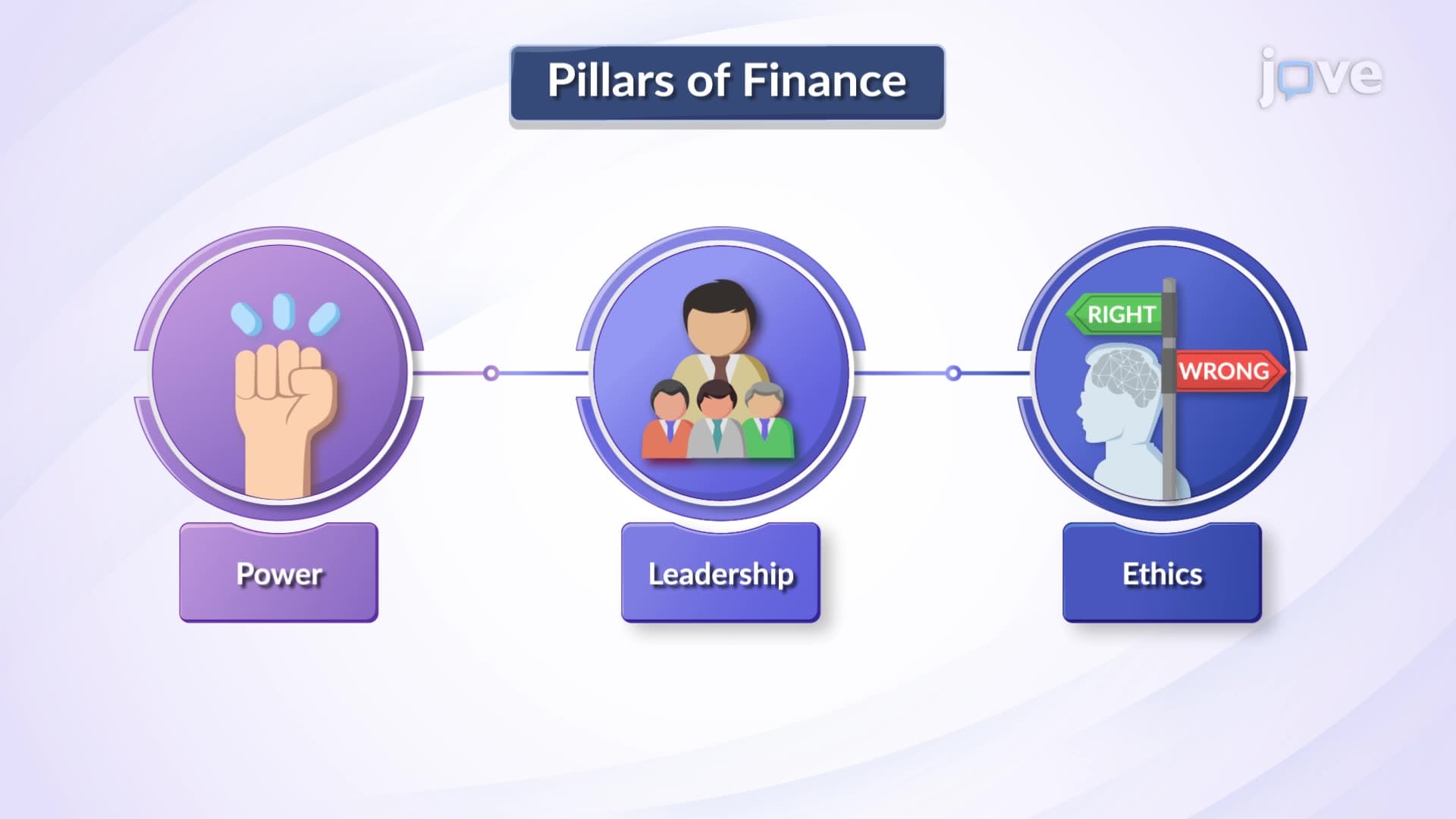
The most sophisticated compensation frameworks address the inherent tension between performance incentives and ethical behavior. Wells Fargo's cross-selling scandal demonstrated how aggressive sales incentives, without proper ethical guardrails, can destroy decades of brand equity and result in billions in regulatory fines.
Smart organizations now embed ethical considerations directly into their incentive design. This means evaluating not just what outcomes are rewarded, but how those outcomes are achieved. Companies like Vanguard have built reputation-based metrics into their compensation models, recognizing that sustainable growth requires maintaining client trust and regulatory compliance.
When designing or evaluating compensation structures, consider the portfolio approach: balance short-term performance incentives with long-term value creation metrics. This might include customer satisfaction scores, employee engagement ratings, or market share growth alongside traditional financial KPIs.
The most effective programs also incorporate regular calibration mechanisms. Amazon's leadership principles influence compensation decisions at all levels, ensuring that individual rewards align with the company's long-term strategic vision rather than just quarterly performance targets.
Related Micro-courses