Loading video…


 12 Concepts
 3.4K views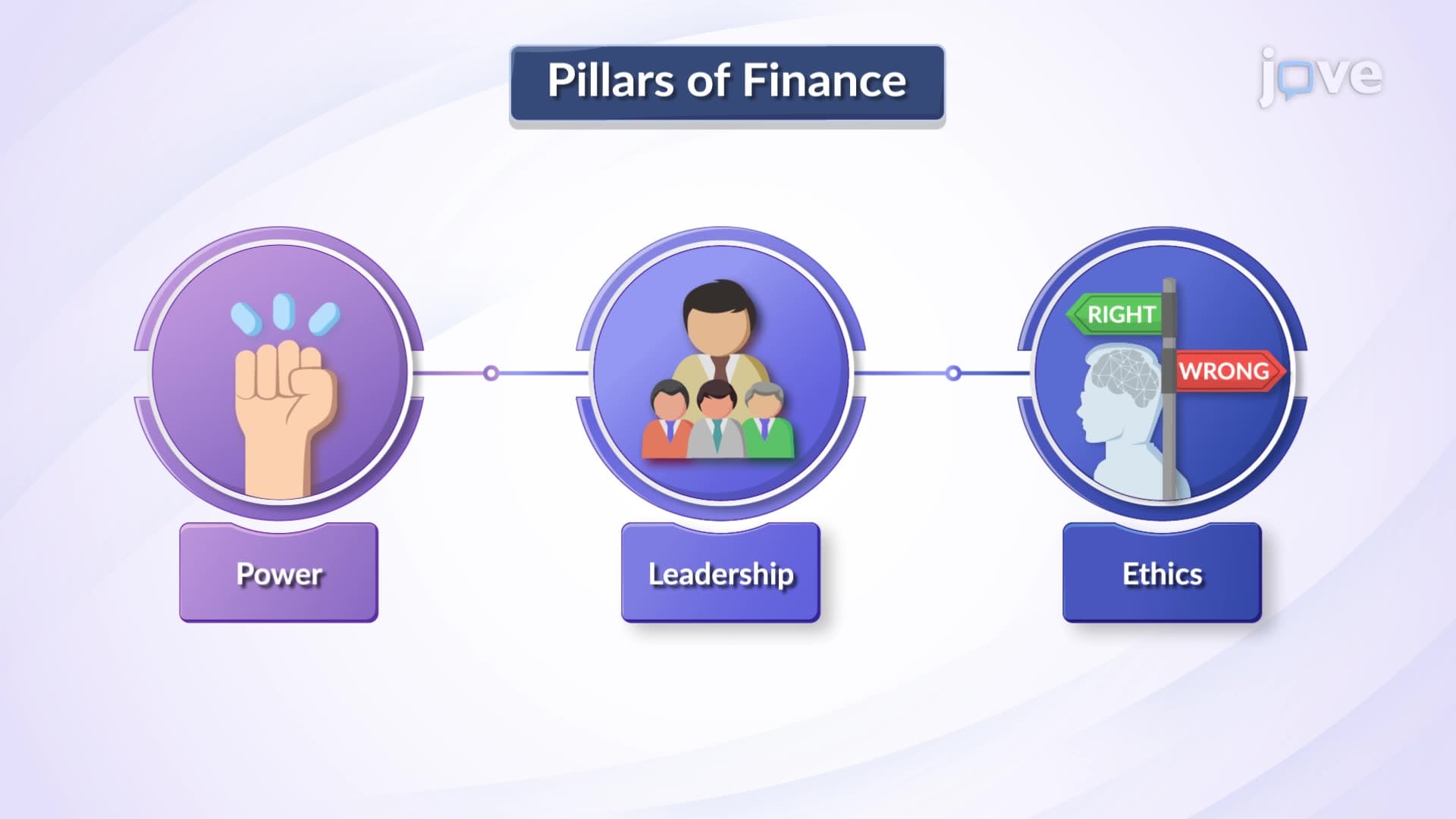

Video Summary: What Is Power Leadership and Ethics
Power leadership ethics drives competitive advantage in today's volatile financial markets, where executive decisions can make or break quarterly earnings and long-term shareholder value. Understanding power leadership and ethics becomes critical when navigating complex stakeholder relationships, regulatory compliance, and strategic decision-making. Goldman Sachs' leadership transformation following the 1MDB scandal exemplifies how ethical power structures rebuild institutional trust and market confidence. What is Power Leadership And Ethics represents the intersection of influence, direction, and moral decision-making that separates sustainable organizations from those facing regulatory penalties and reputational damage. Watch the full video on JoVE Coach to master this concept with expert-led visuals and step-by-step explanations.
When JPMorgan Chase faced the "London Whale" trading scandal in 2012, it wasn't just a $6.2 billion loss-it was a fundamental breakdown in power, leadership, and ethics that cost CEO Jamie Dimon his chairman title and triggered years of regulatory scrutiny. This scenario illustrates why power leadership and ethics definition explained becomes essential for any professional making consequential business decisions.
Power in business context represents your capacity to drive outcomes, secure resources, and influence strategic direction. Legitimate power flows from organizational hierarchy-think Satya Nadella's authority to pivot Microsoft's entire cloud strategy. Expert power derives from specialized knowledge that others depend on, like how BlackRock's Larry Fink leverages his asset management expertise to influence corporate governance globally. Referent power emerges from respect and trust, exemplified by how Warren Buffett's integrity allows Berkshire Hathaway to negotiate favorable deal terms based purely on his reputation.
Leadership transforms individual power into collective achievement. It's the difference between having authority and actually moving organizations forward. Consider how Mary Barra used her engineering expertise and operational credibility to lead General Motors through the ignition switch crisis, ultimately strengthening the company's safety culture and financial performance.
Ethics provides the decision-making framework that determines long-term sustainability versus short-term gains. Ethical leadership doesn't just avoid scandals-it creates competitive advantages through stakeholder trust, regulatory goodwill, and employee engagement.
Successful executives integrate these three elements through systematic decision-making processes. Before major strategic moves, they assess: Who has influence over this outcome? How can we align different stakeholders? What are the long-term reputational implications? This framework becomes particularly critical during crisis management, merger negotiations, and regulatory interactions where power dynamics shift rapidly.
The business case for ethical power leadership extends beyond risk mitigation. Companies with strong ethical leadership typically command premium valuations, attract top talent, and maintain customer loyalty during competitive pressures. Wells Fargo's account fraud scandal demonstrates the inverse-how ethical failures can destroy decades of brand equity and shareholder value within months.
Related Micro-courses