Loading video…


 12 Concepts
 3.4K views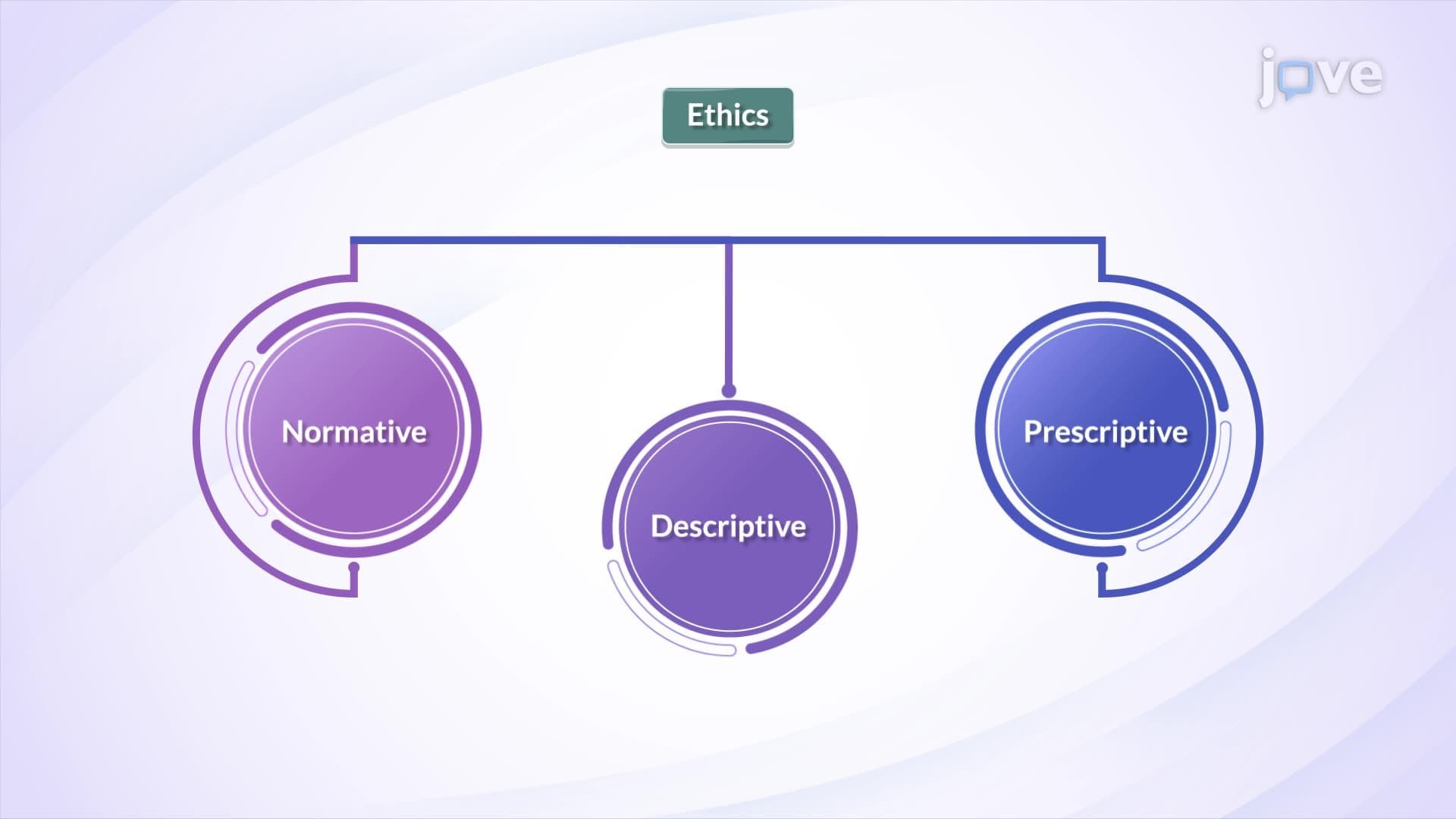

Video Summary: Defining Ethics and What Is Ethical Explained
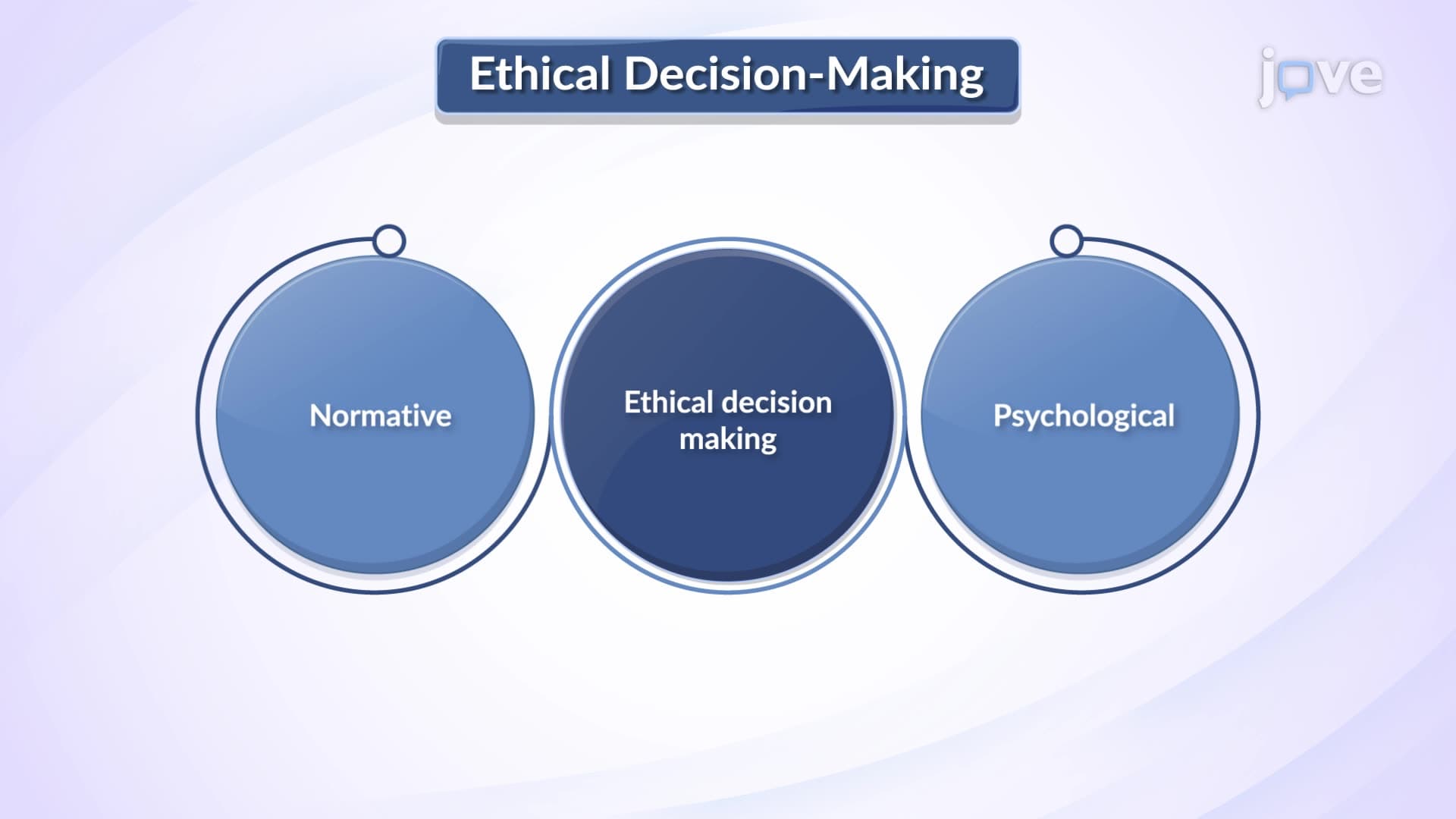
Defining ethics what is becomes critical when executives face legal-but-questionable decisions, like Amazon's aggressive tax optimization strategies that sparked public scrutiny despite full compliance. Understanding what constitutes ethical behavior versus mere legal compliance drives better stakeholder relationships and long-term business sustainability. The framework of normative, descriptive, and prescriptive ethics provides leaders with practical tools for navigating complex business decisions where regulations offer insufficient guidance. Watch the full video on JoVE Coach to master this concept with expert-led visuals and step-by-step explanations.
When Wells Fargo's cross-selling scandal broke in 2016, executives learned that legal compliance doesn't shield organizations from ethical failures. The bank's practices, while technically within regulatory boundaries initially, violated fundamental ethical principles and cost billions in fines, lost customers, and damaged reputation.
Normative Ethics in Corporate Governance Normative ethics establishes the "should" standards for business behavior. For finance professionals, this means developing investment policies that consider not just returns, but environmental, social, and governance (ESG) factors. BlackRock's Larry Fink famously shifted the firm's investment philosophy to emphasize long-term sustainable practices, demonstrating how normative ethical standards can drive trillion-dollar asset allocation decisions.
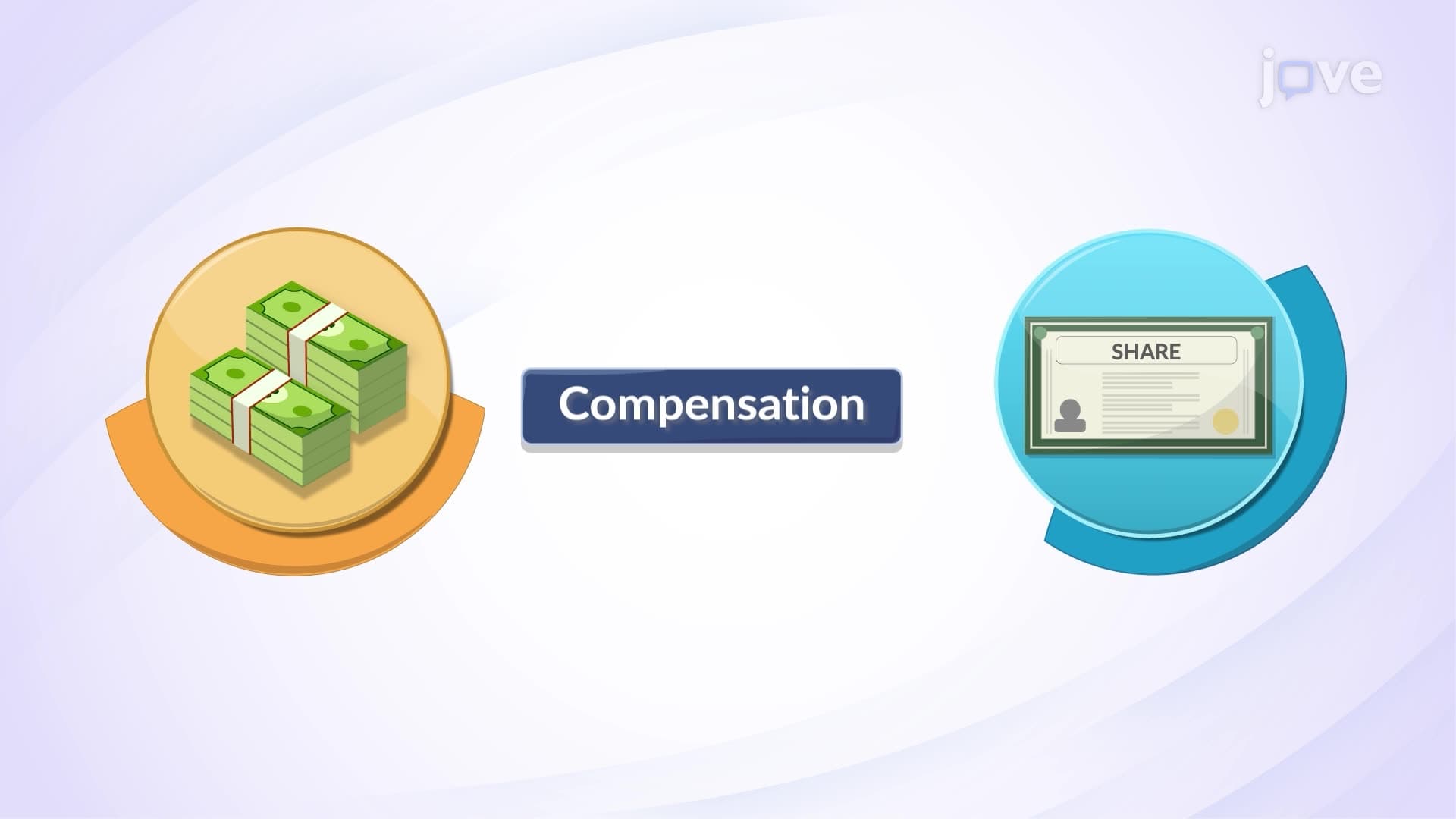
Descriptive Ethics for Strategic Planning Descriptive ethics examines actual behavior patterns within industries and organizations. This analytical approach helps leaders understand why ethical lapses occur. For instance, analyzing Enron's collapse reveals how performance incentives misaligned with ethical behavior, creating systemic pressure for accounting manipulation. Today's executives use this descriptive understanding to design compensation structures that reward sustainable performance.
Prescriptive Ethics for Implementation Prescriptive ethics bridges the gap between ethical ideals and practical business realities. Johnson & Johnson's Credo exemplifies this approach-providing specific guidance for employees facing ethical dilemmas while maintaining business effectiveness. This framework helped the company navigate the Tylenol crisis effectively, prioritizing consumer safety over short-term profits and ultimately strengthening market position.
The disconnect between legal and ethical standards creates significant business risks. Apple's international tax structure, while legal, faced intense scrutiny from regulators and consumers who viewed the arrangements as ethically questionable. Smart executives anticipate these ethical expectations, understanding that tomorrow's regulations often reflect today's ethical concerns.
Related Micro-courses