Loading video…


 12 Concepts
 3.4K views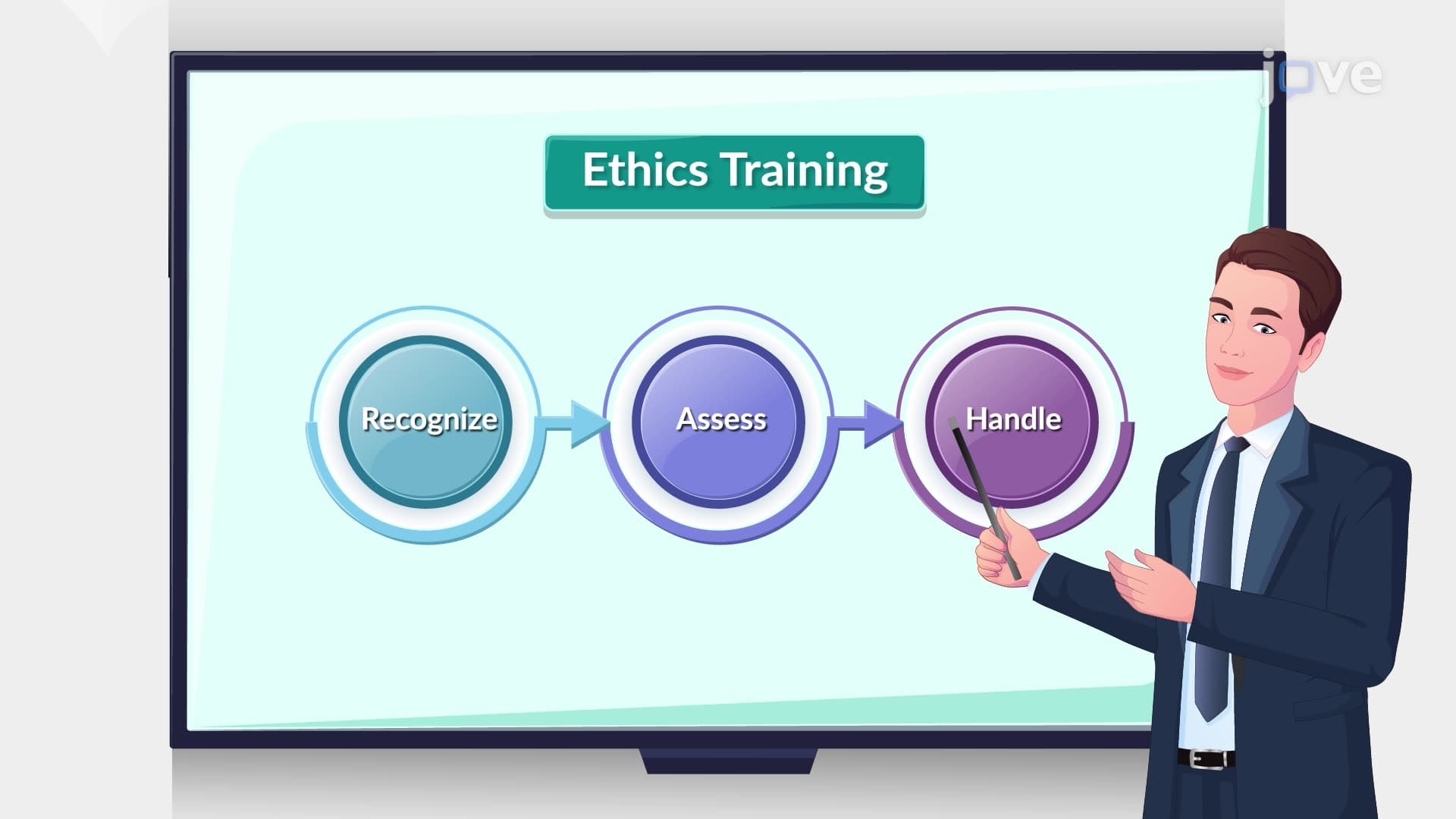

Video Summary: What Is Ethics Training
Recent corporate scandals have cost companies billions in fines and irreparable reputation damage, making robust ethics training more critical than ever for business success. Ethics training equips professionals to navigate complex moral dilemmas while maintaining regulatory compliance and stakeholder trust. JPMorgan Chase, after facing substantial regulatory penalties, invested heavily in comprehensive ethics programs that transformed their risk management culture. This training builds the foundation for sound business judgment and prevents costly ethical breaches that can destroy careers and companies. Watch the full video on JoVE Coach to master this concept with expert-led visuals and step-by-step explanations.
Ethics training has evolved from a compliance checkbox into a strategic business imperative. Today's professionals face increasingly complex decisions involving data privacy, insider information, vendor relationships, and stakeholder conflicts. A single ethical misstep can trigger regulatory investigations, class-action lawsuits, and permanent damage to professional credibility.
Modern ethics training goes far beyond policy memorization. Best-in-class programs incorporate scenario-based learning, interactive case studies, and role-playing exercises that mirror real workplace dilemmas. Goldman Sachs, for example, redesigned their ethics curriculum after regulatory scrutiny, emphasizing practical decision-making tools rather than theoretical concepts. Their approach includes peer discussions, leadership modeling, and regular ethical climate assessments that measure cultural transformation.
Financial services professionals must navigate particularly complex ethical landscapes involving insider trading laws, fiduciary duties, and market manipulation regulations. The Securities and Exchange Commission requires registered investment advisors to implement robust ethics training addressing conflicts of interest, personal trading restrictions, and client confidentiality. Beyond compliance, these programs protect firms from the average $2.8 million cost of a single regulatory violation.
One-time ethics sessions fail to create lasting behavioral change. Research shows that ethical decision-making skills deteriorate without regular reinforcement. Companies like Microsoft implement quarterly ethics refreshers, leadership-led discussions, and peer accountability systems that embed ethical thinking into daily operations. This continuous approach reduces ethics violations by 65% compared to annual training models.
Ethics training delivers measurable business value through reduced legal costs, improved employee retention, and enhanced customer trust. Organizations with strong ethical cultures experience 40% lower turnover rates and command premium pricing due to reputation advantages. Investment in comprehensive ethics programs typically yields 3:1 ROI through avoided penalties, reduced insurance costs, and accelerated business development opportunities.
Related Micro-courses