Loading video…


 12 Concepts
 3.4K views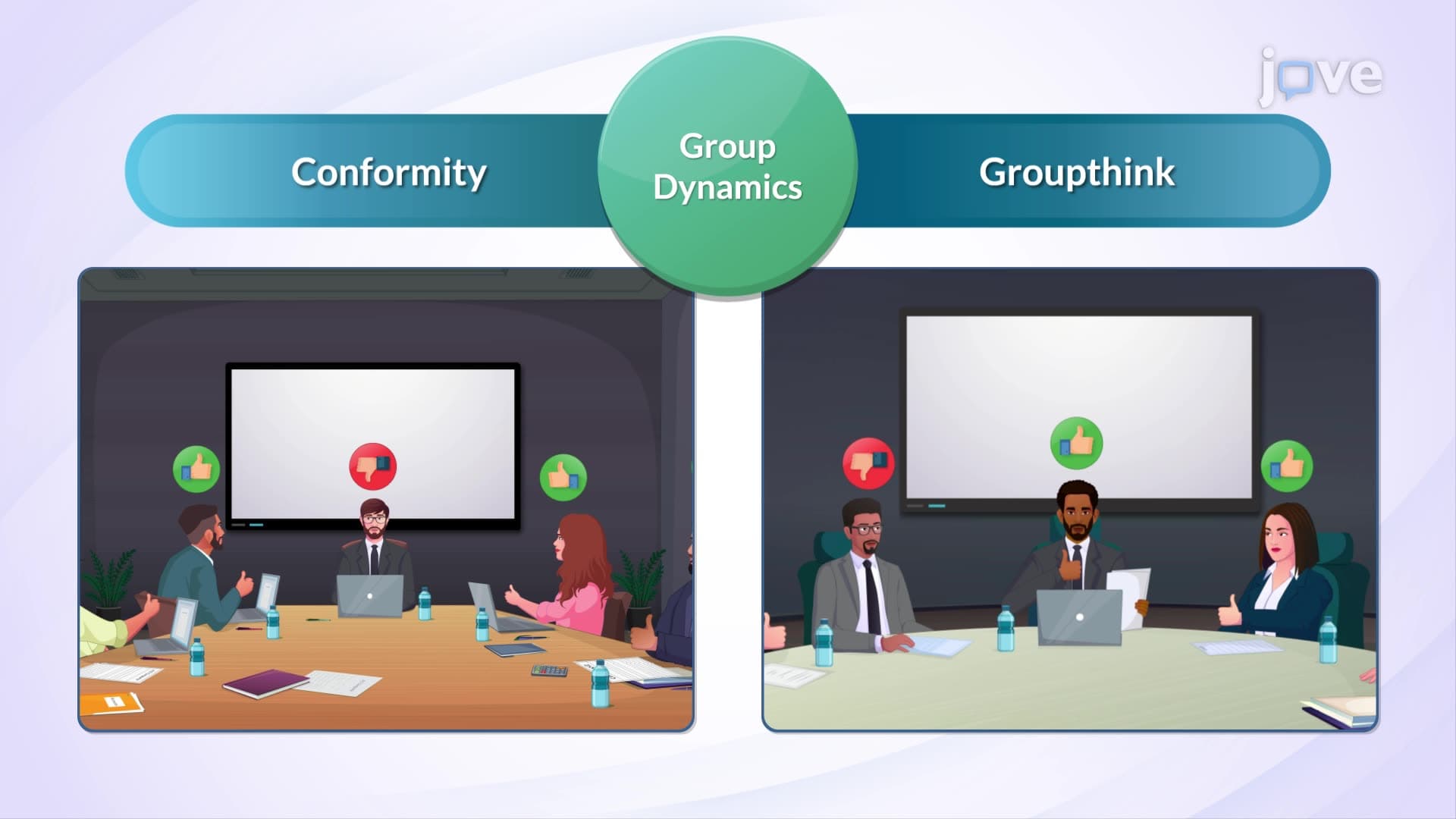

Video Summary: What are Groups and Ethics
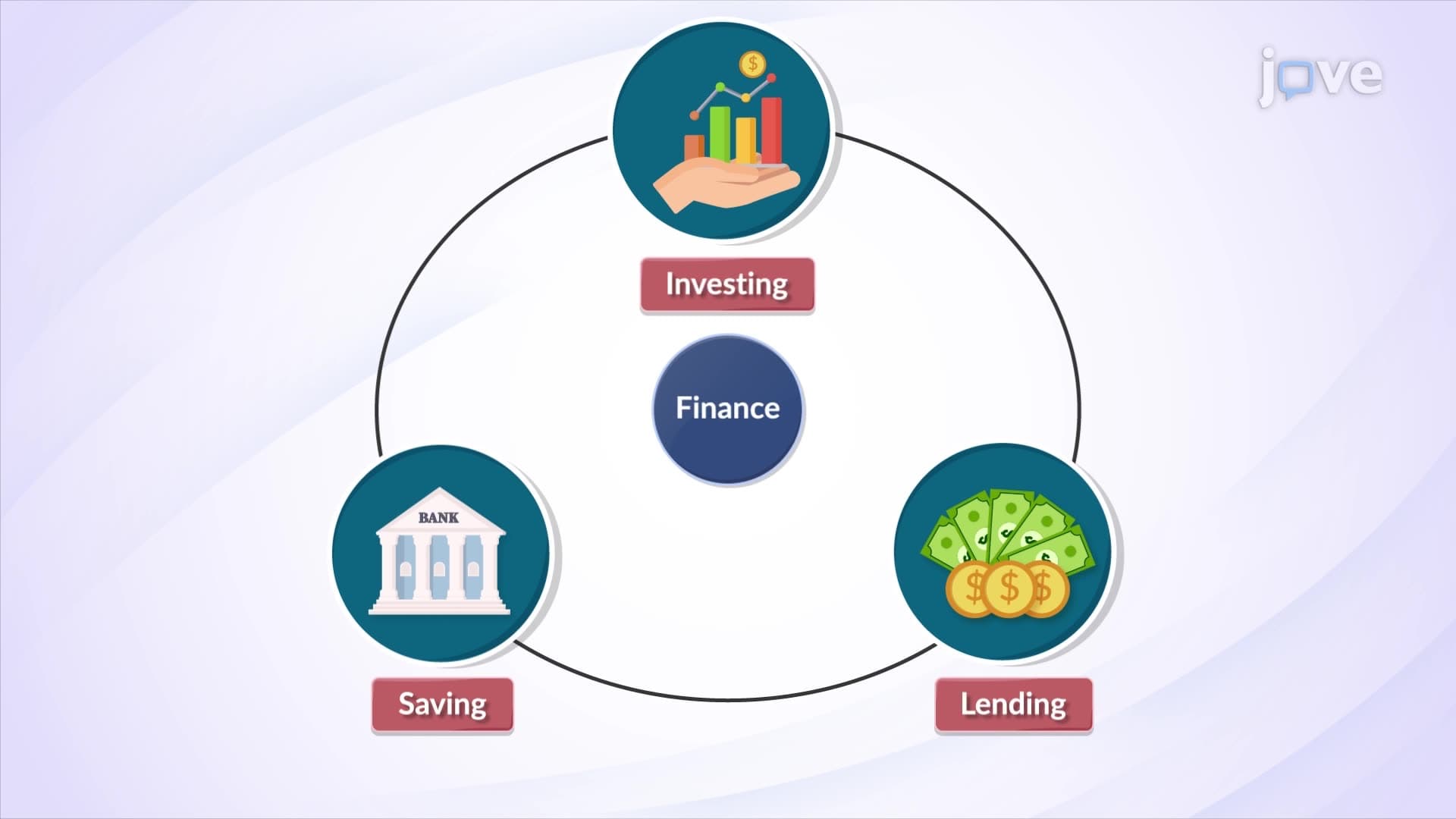
Wells Fargo's fake accounts scandal demonstrates how groups ethics failures can devastate billion-dollar institutions. When finance teams prioritize consensus over critical analysis, conformity and groupthink drive unethical decisions that destroy shareholder value and regulatory standing. Understanding what are groups and ethics becomes essential for leaders managing high-stakes financial decisions in competitive markets. Watch the full video on JoVE Coach to master this concept with expert-led visuals and step-by-step explanations.
JPMorgan Chase's "London Whale" trading losses in 2012-totaling over $6 billion-illustrate how groups ethics breakdowns destroy shareholder value. When Bruno Iksil's derivatives positions grew dangerously large, group dynamics prevented effective challenge and oversight, demonstrating why finance leaders must understand the psychological forces shaping team decisions.
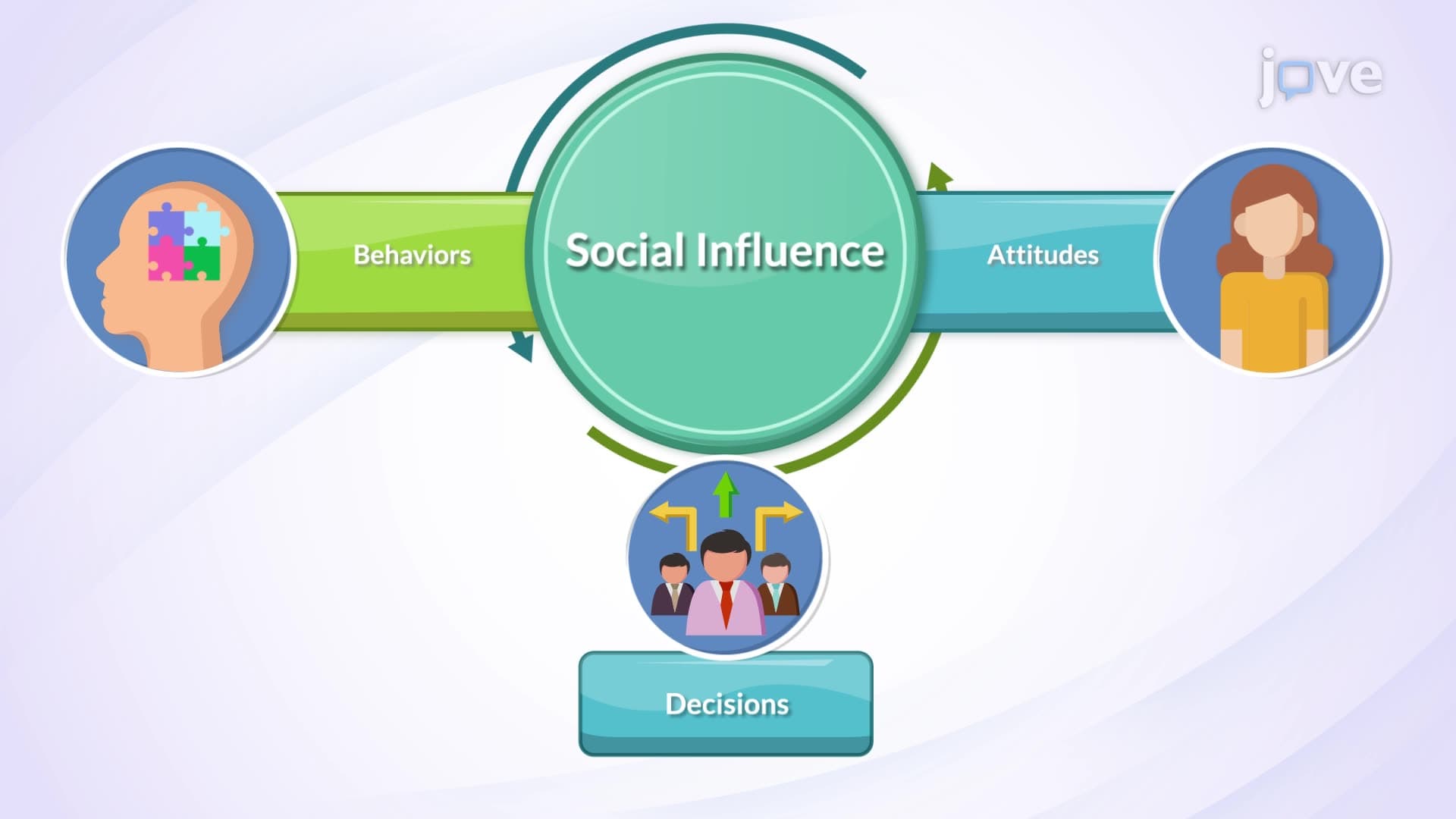
Groups and ethics definition explained centers on how social pressure influences individual moral judgment. In investment banking, analysts often suppress concerns about deal structures to align with senior leadership expectations. This conformity pressure creates dangerous blind spots in due diligence processes, credit risk assessments, and regulatory compliance reviews. Goldman Sachs faced scrutiny during the 2008 financial crisis partly due to conformity pressures that discouraged dissenting voices on mortgage-backed securities risks.
What are groups and ethics without understanding groupthink's competitive implications? When teams prioritize harmony over accuracy, they develop overconfidence in flawed strategies while ignoring market signals and competitive threats. Enron's finance leadership exhibited classic groupthink symptoms-dismissing external criticism, maintaining illusions of unanimity, and pressuring dissenters into silence. This psychological phenomenon directly impacts P&L performance through poor investment decisions, inadequate risk management, and strategic miscalculations.
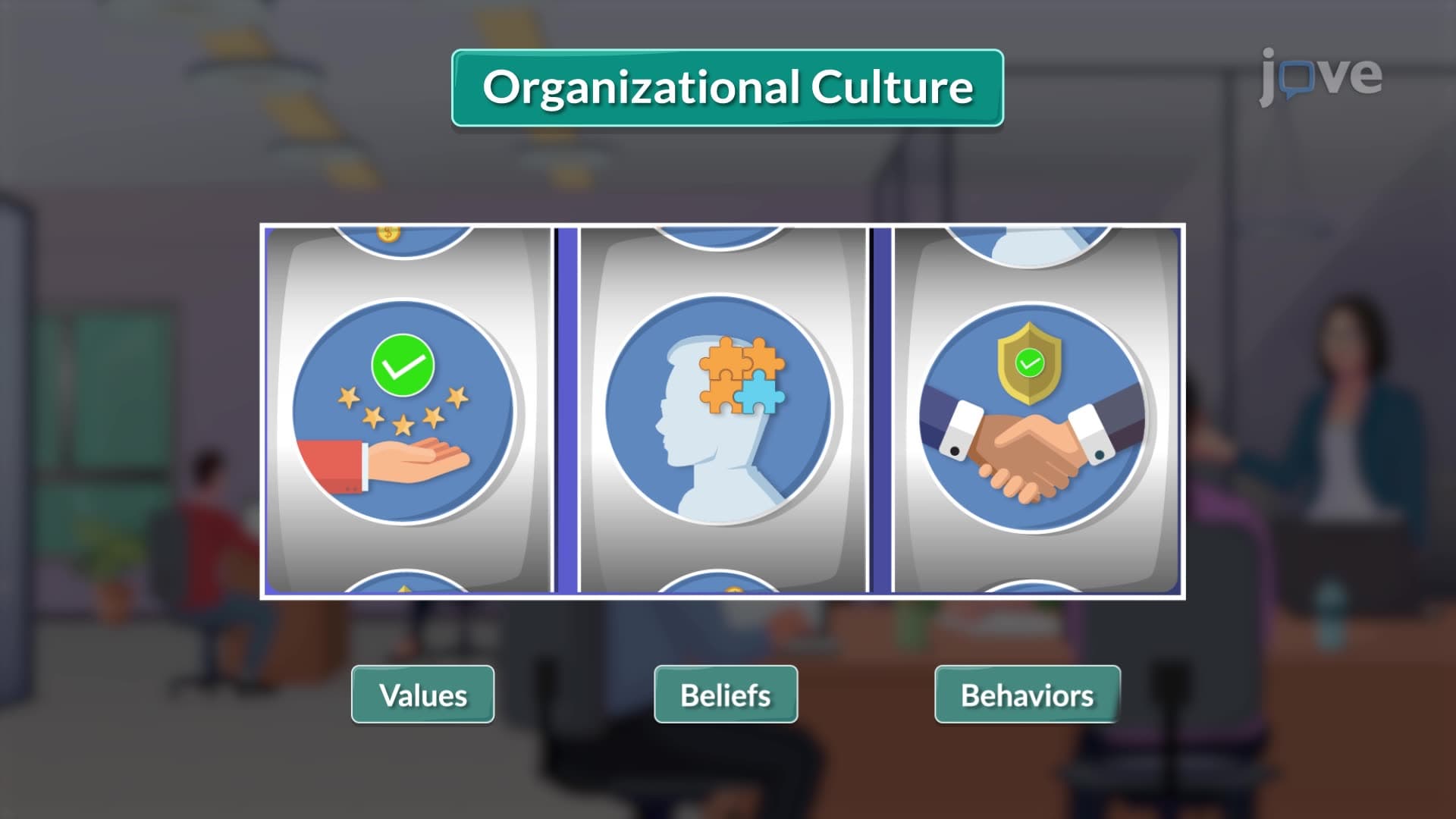
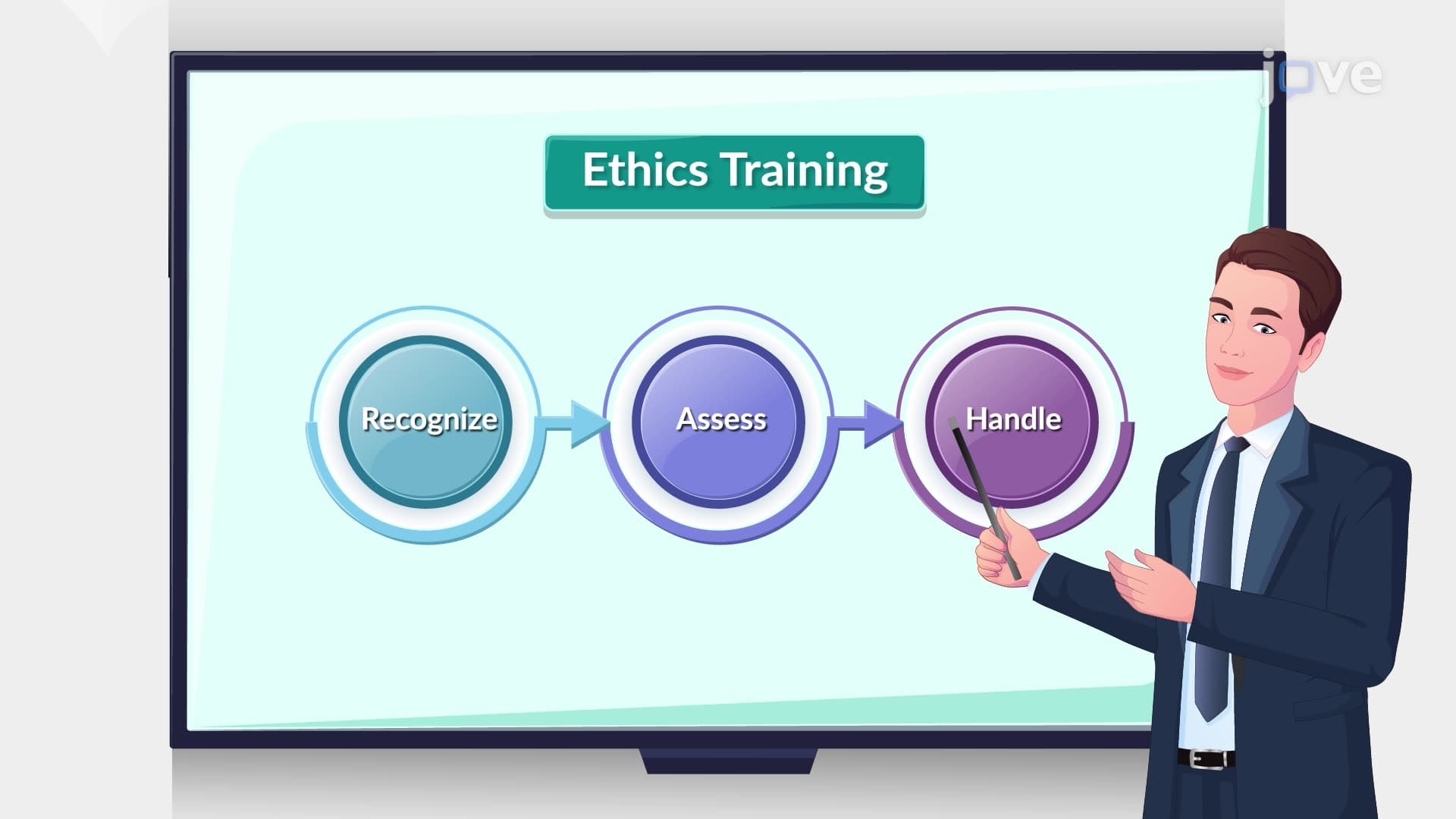
Successful financial institutions implement structured approaches to combat groups ethics challenges. Bank of America's risk management committees now require designated "devil's advocates" to challenge major decisions. Microsoft's leadership development programs train managers to recognize conformity pressure and create psychological safety for ethical concerns. These frameworks transform workplace culture from consensus-driven to evidence-driven, improving both ethical outcomes and business performance.
Effective leaders establish clear protocols for dissent, reward independent thinking, and model intellectual humility. They recognize that groups and ethics failures often stem from well-intentioned desires for team cohesion, making prevention more effective than correction.
Related Micro-courses