Loading subject page…


10 Concepts
26 Concepts
24 Concepts
22 Concepts
16 Concepts
20 Concepts
17 Concepts
 17 Concepts
 5.6K Views
 Popular topics








Economic growth, measured by rising real GDP, determines whether nations lift millions out of poverty or stagnate for generations. This micro-course traces every major explanation for growth, from mercantilism and Adam Smith's classical insights to the Solow growth model, endogenous growth theory, and the Harrod-Domar model. Using JoVE Coach, students connect abstract frameworks to real US and global examples, building a complete picture of what drives long-run prosperity.
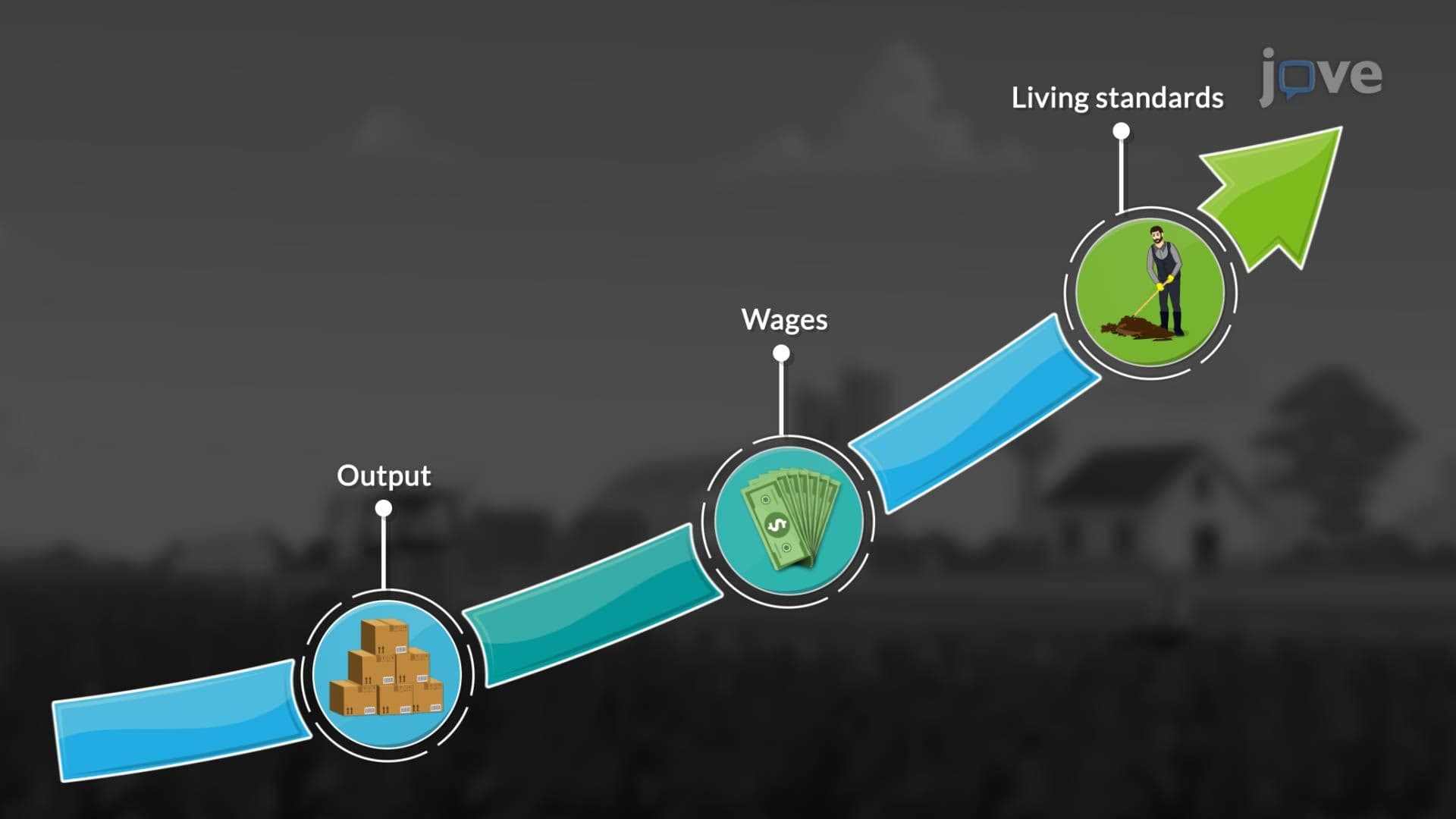
1. The Long-Run Significance of Economic Growth Economic growth, the sustained rise in real GDP, does more than expand national income; it reshapes everyday life across generations. South Korea's transformation from widespread poverty in 1960 to a modern economy with an 83-year life expectancy by 2025 illustrates this power. China's growth since the 1980s lifted over 850 million people out of extreme poverty. These examples demonstrate that understanding the drivers of economic growth is not merely an academic exercise, it is central to explaining one of the most consequential forces in modern human history.
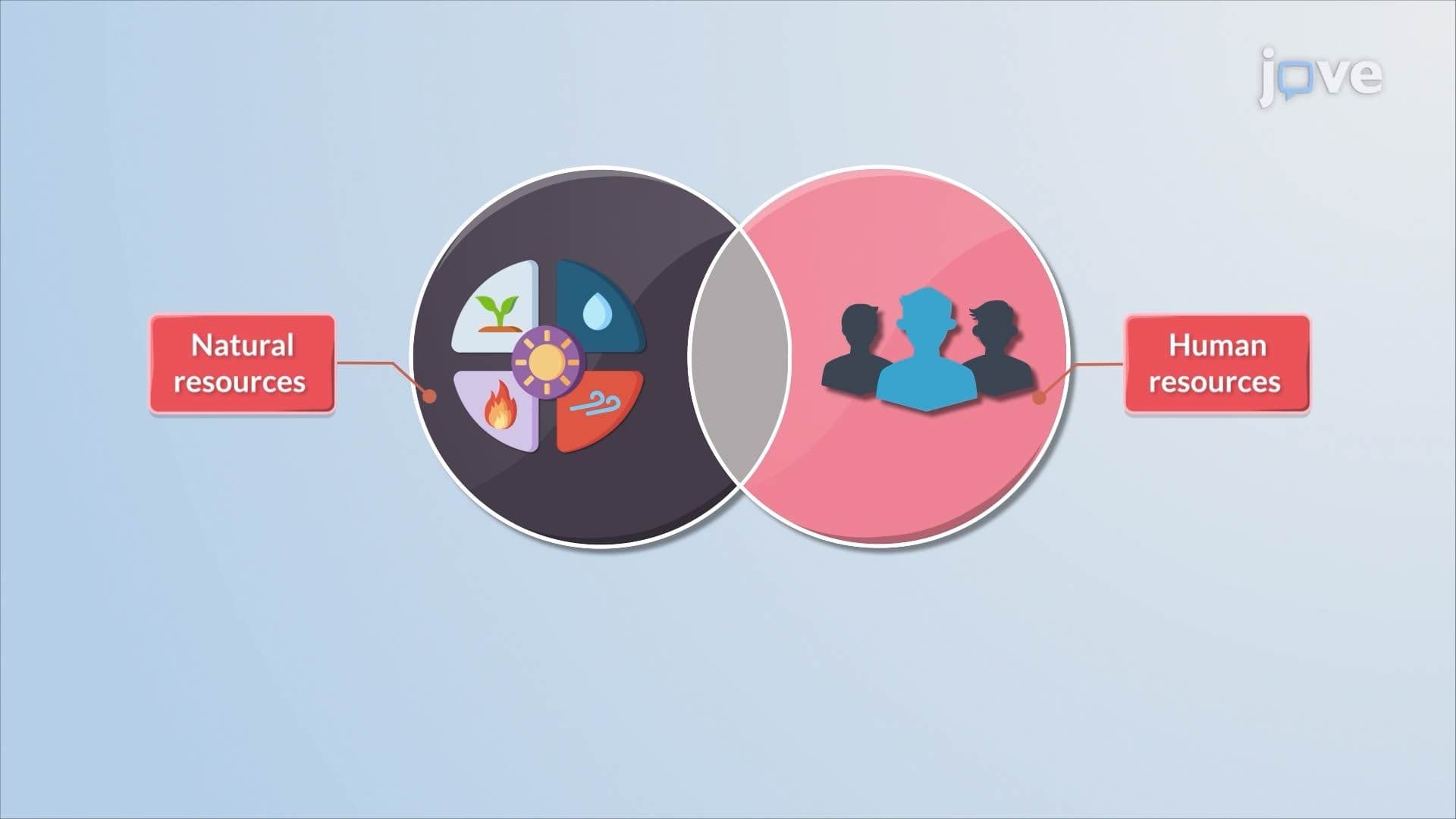
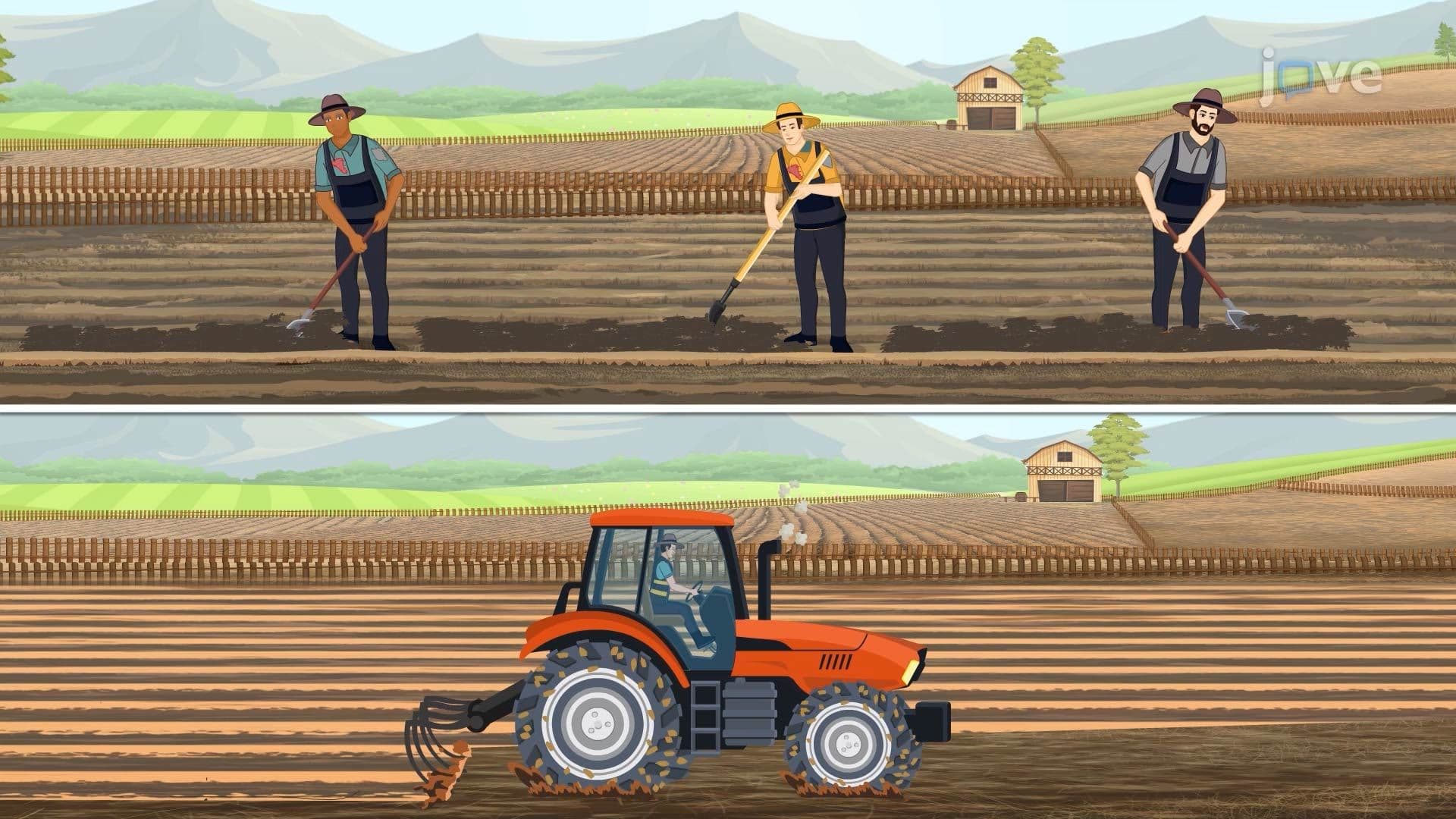
2. The Four Wheels of Growth: Resources, Capital, and Technology Long-run GDP growth is driven by four interconnected inputs. Natural resources, land, oil, minerals, provide raw material foundations, though they are finite. Human capital, a skilled, educated, healthy workforce, is renewable and adaptable; Japan's post-WWII economic miracle relied on it despite scarce natural resources. Physical capital, machinery, roads, software, and infrastructure, expands production capacity; US railroads in the 1800s and interstate highways in the 1900s are prime examples. Finally, technological progress enables more output from the same inputs, making it the engine that prevents diminishing returns from halting growth permanently.
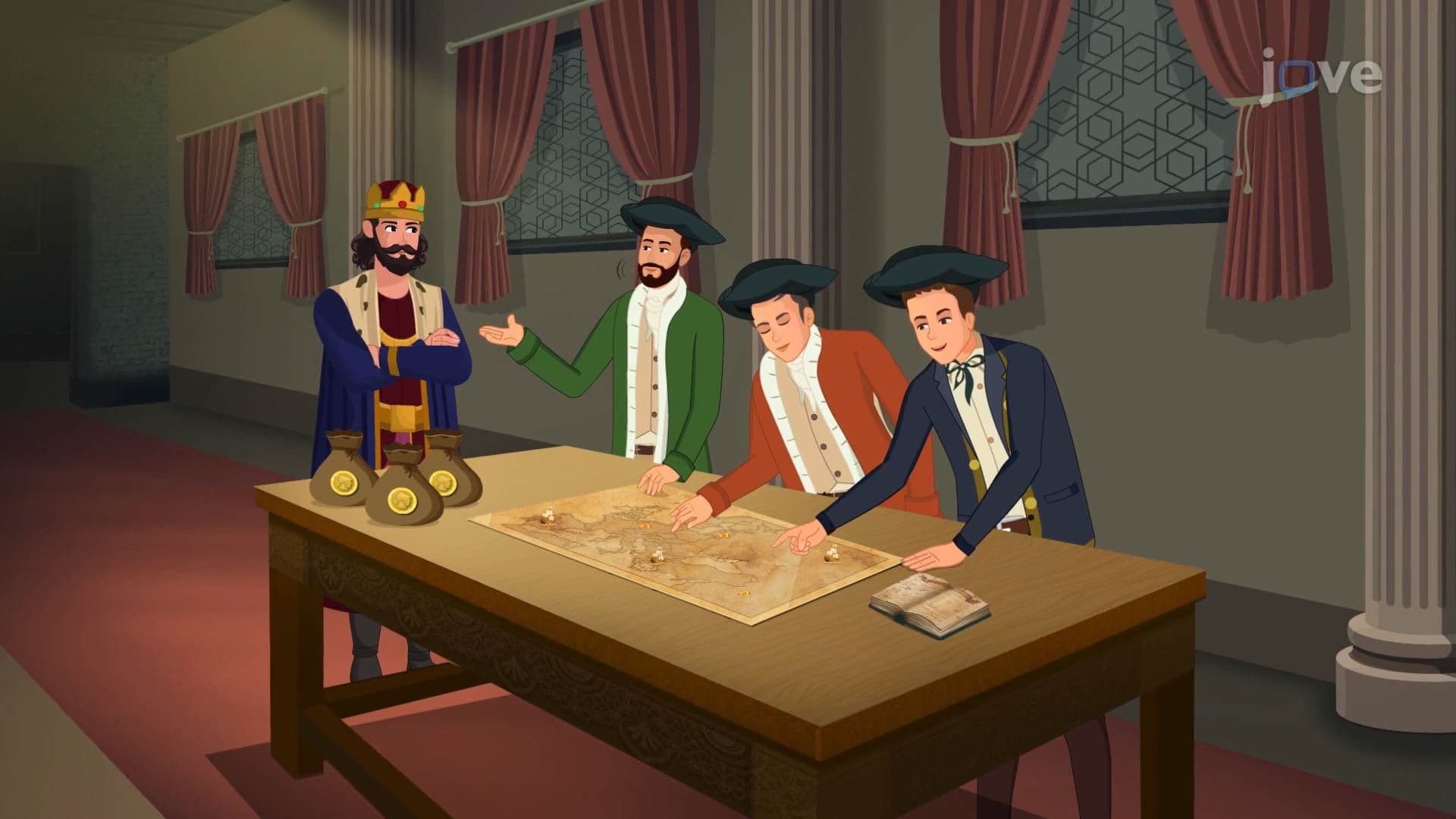
3. Classical Growth Theories: Smith, Malthus, and Ricardo Three 18th-19th century economists shaped foundational growth thinking. Adam Smith argued in *The Wealth of Nations* (1776) that specialization, division of labor, and free competitive markets, guided by the "invisible hand", drive productivity and prosperity. Thomas Malthus warned in 1798 that population grows geometrically while food supply grows arithmetically, trapping economies at subsistence wages, the Malthusian trap. David Ricardo added that land scarcity causes diminishing returns and rising rents that eventually choke off capitalist profits, predicting a stationary state. While technological progress proved these pessimistic forecasts incomplete, their frameworks remain foundational in growth economics.
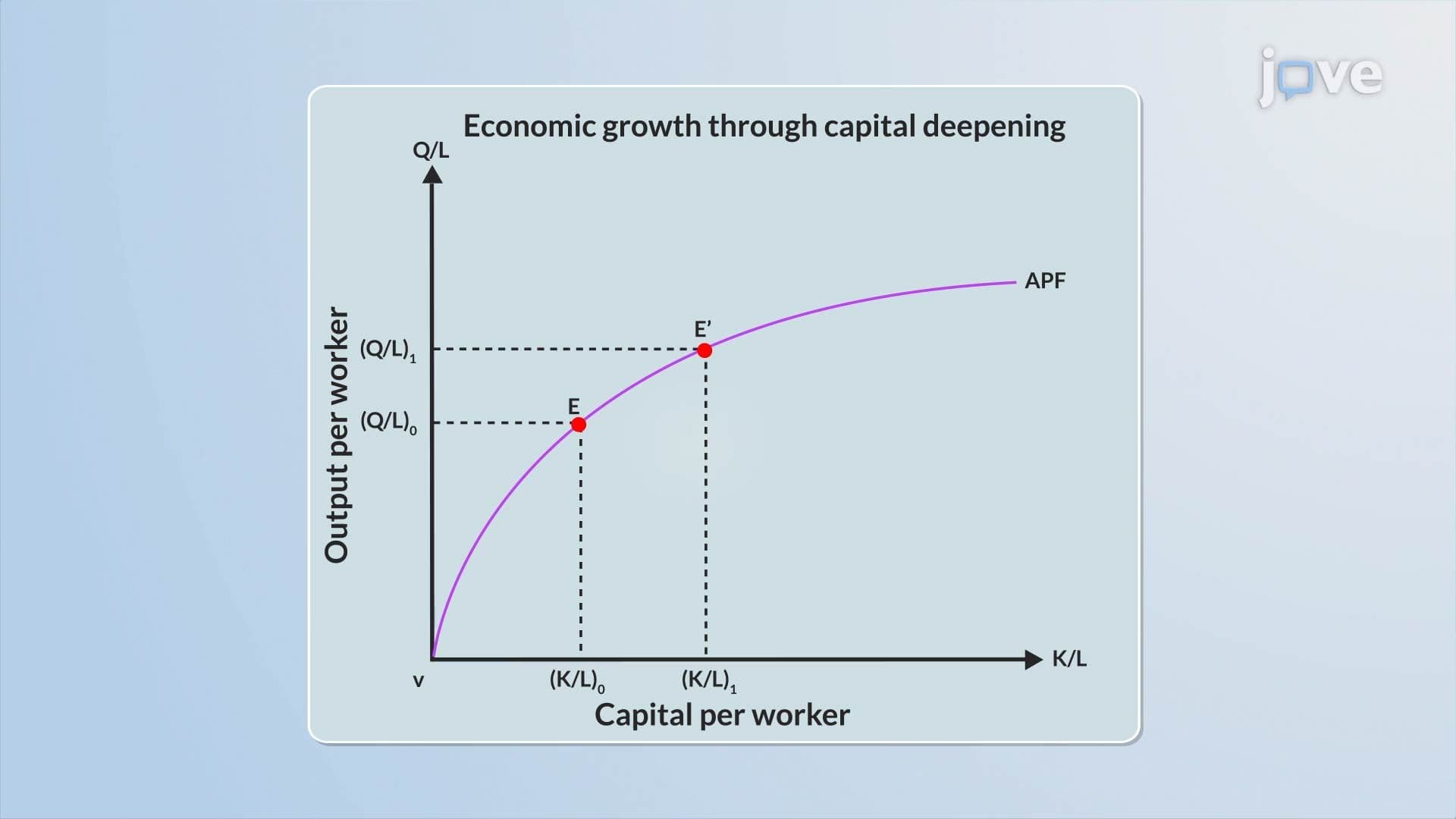
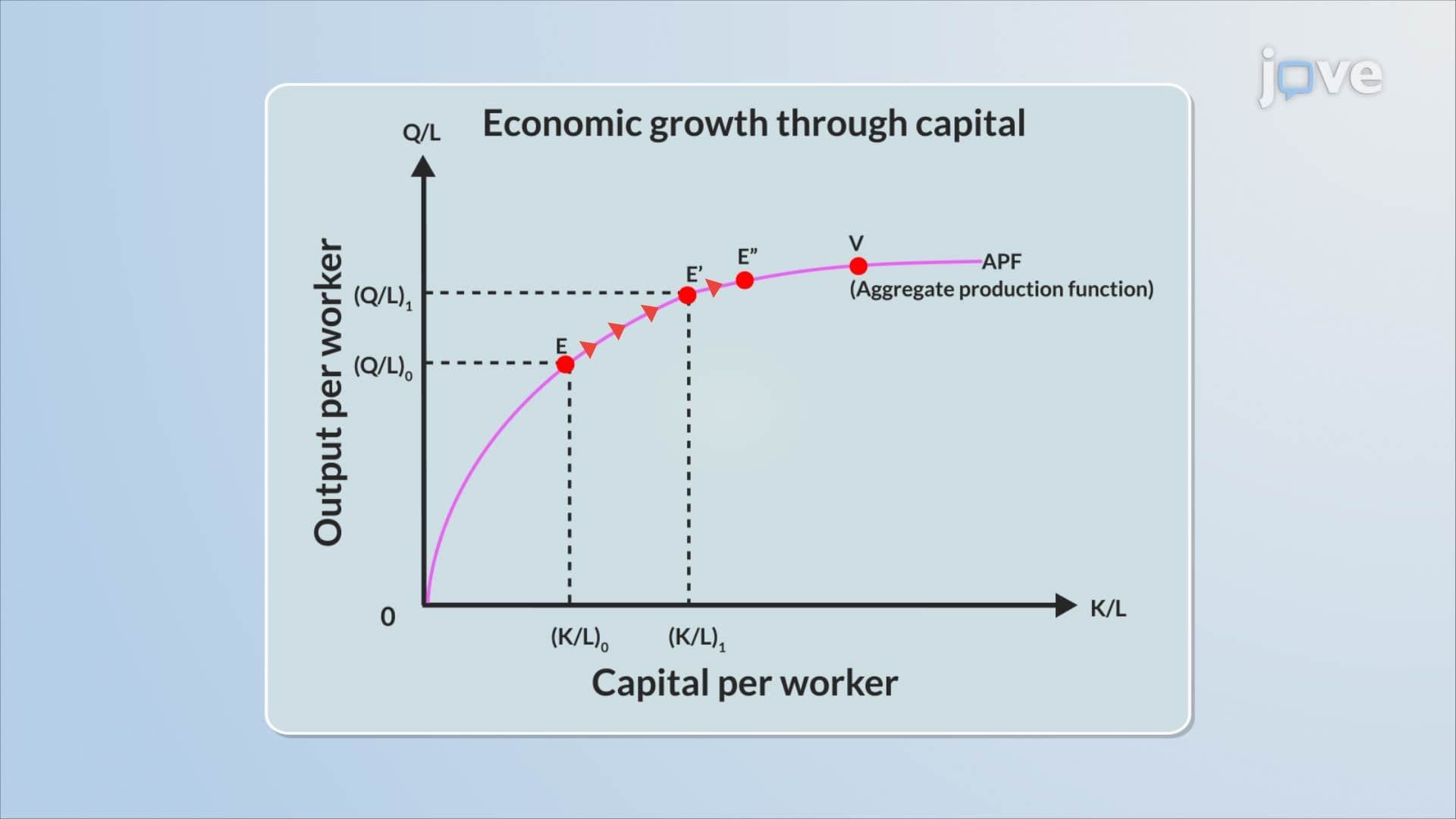
4. The Solow Growth Model: Capital Deepening and the Steady State The Solow (neoclassical) growth model, developed by Nobel laureate Robert Solow, explains long-run growth through the production function Y = A·F(K, L). Capital deepening, increasing capital per worker, raises output per worker, but at diminishing returns. Over time, investment merely replaces depreciated capital, the capital-labor ratio stabilizes, and the economy reaches a long-run steady state where output per worker and real wages plateau. Without an additional force, growth stalls. This model illustrates a critical insight: capital accumulation alone cannot sustain long-run growth, making technological progress, treated as exogenous in this model, absolutely essential to escape stagnation.
5. Technological Progress in the Solow Model In the Solow framework, technological progress (represented by the variable A in Y = A·F(K, L)) shifts the entire production function upward, allowing the same quantity of capital and labor to generate more output. When A improves, think automated equipment, digital logistics, or AI-assisted manufacturing, output per worker rises even without increasing capital per worker. This shift moves the economy to a higher production curve and a new, higher steady state. Solow's research famously showed that increases in capital and labor alone could not fully explain US long-run growth; the residual, now called "total factor productivity", captures technological advancement and more efficient resource use.
6. Endogenous Growth Theory Endogenous growth theory, associated with economists Paul Romer and Robert Lucas, argues that technological progress is not a random external gift but the deliberate result of investment in human capital, research and development, and knowledge creation. Ideas are non-rival, one firm's use of a concept does not prevent another from using it, generating positive spillover effects. The rise of Silicon Valley, fueled by university research (enabled historically by the Morrill Acts), skilled immigration, and venture capital, exemplifies how policy choices drive innovation. Governments can actively accelerate long-run growth by funding R&D, supporting education, and protecting intellectual property rights.
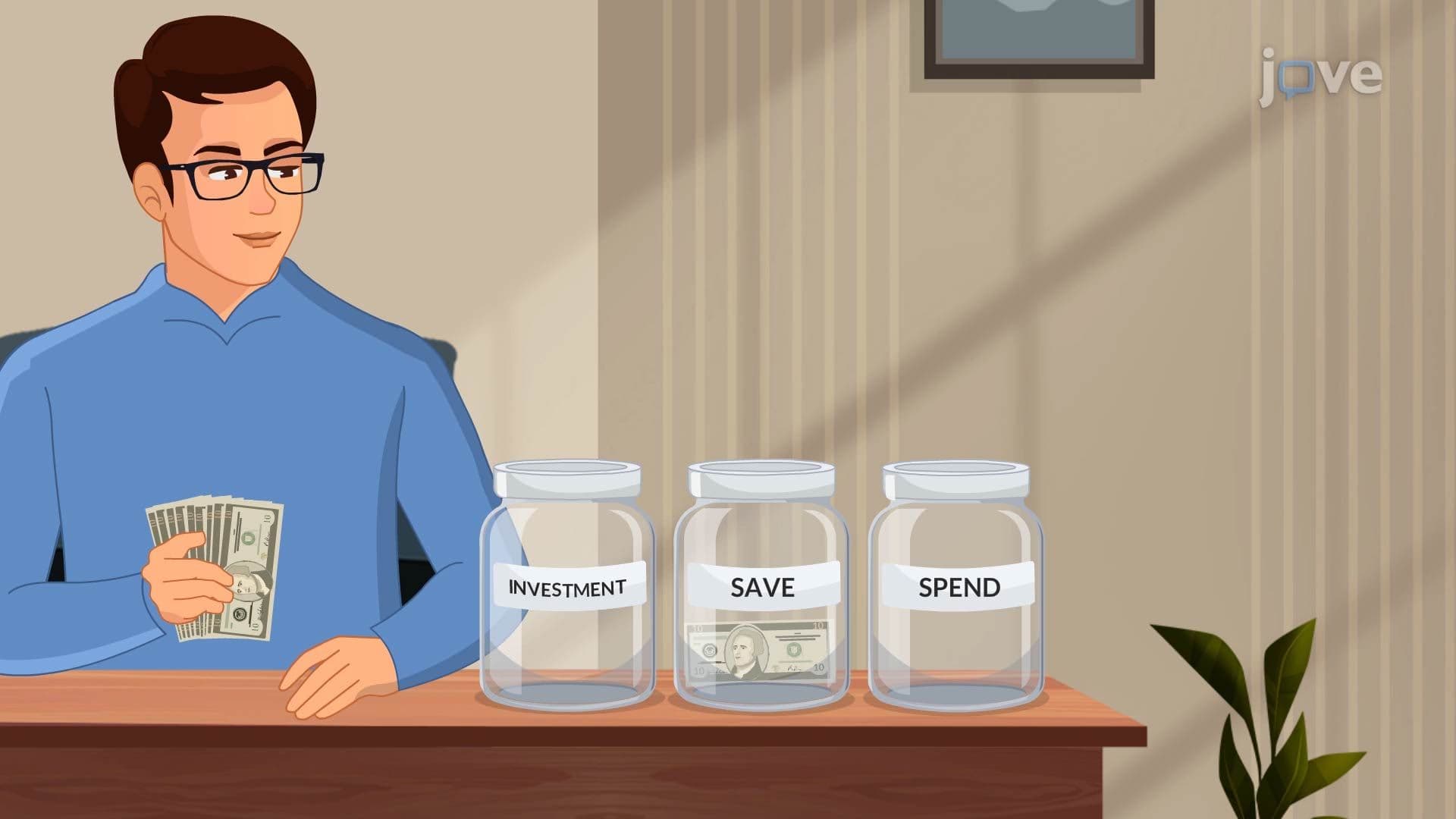
7. The Harrod-Domar Model Developed after World War II to guide newly independent developing nations, the Harrod-Domar model offers a simple growth formula: Growth Rate = Saving Rate ÷ Capital-Output Ratio. A country saving 10% of income with a capital-output ratio of 2 achieves 5% growth. The model emphasizes that higher savings, fully converted into investment, and more efficient capital use drive faster growth. However, its assumptions are rigid: it presumes full employment, a fixed capital-output ratio, and automatic conversion of savings into investment. It ignores labor force changes, human capital, and technological progress, limitations that make it an incomplete guide for sustained development policy.
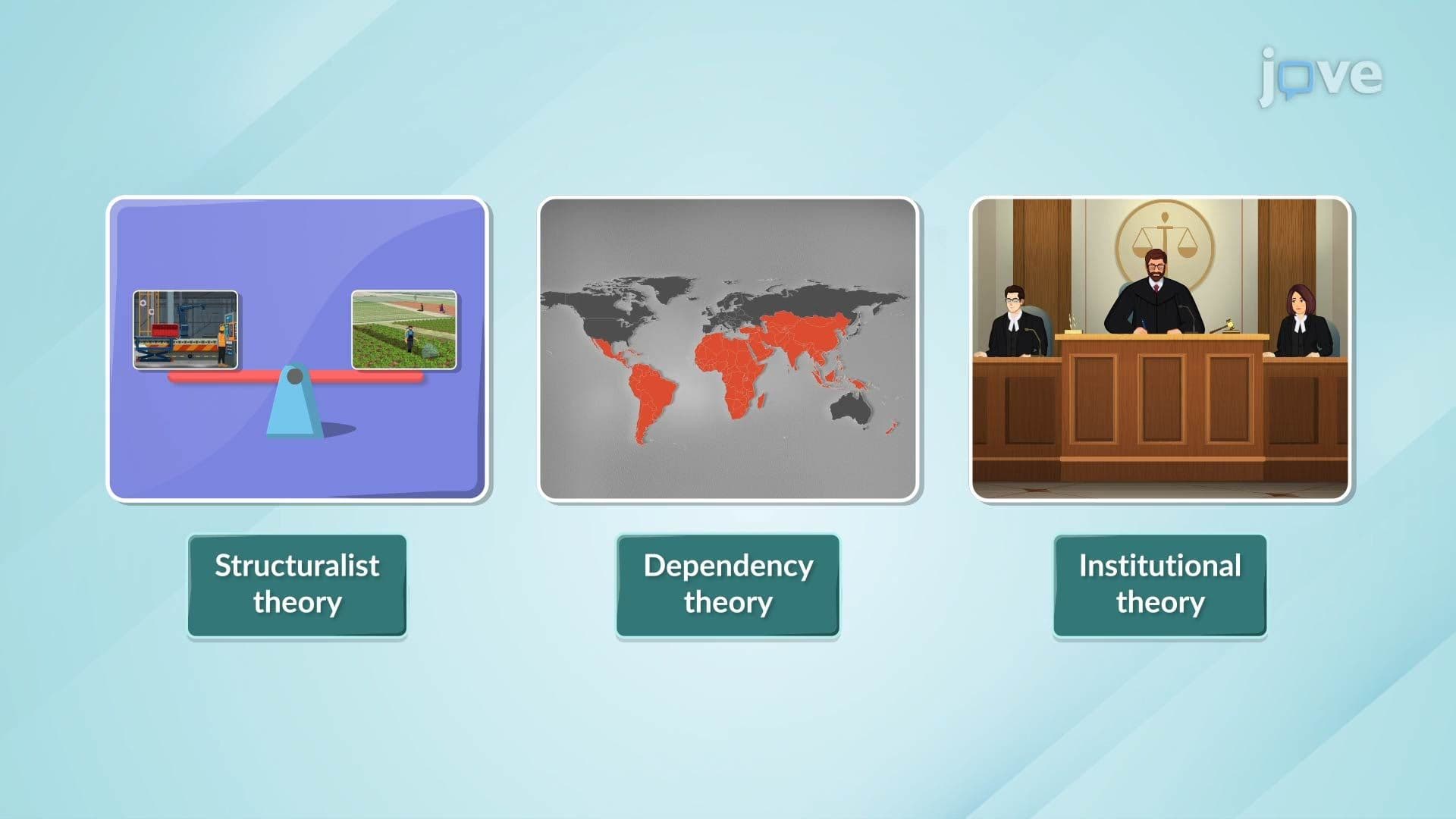
8. Unified Growth Theory and Alternative Perspectives Unified Growth Theory (UGT) synthesizes economic history into three regimes: the Malthusian era (stagnant per-capita income), the Post-Malthusian era (growth partially absorbed by population), and the Modern Growth era (technological progress outpacing population growth). The Industrial Revolution was the pivot point. Beyond mainstream models, structuralist theory highlights the productivity gap between advanced and agricultural sectors in developing economies. Dependency theory argues wealthy nations structurally trap poorer ones through unequal trade. Institutional theory emphasizes that strong courts, property rights, and governance quality, not just inputs, determine whether growth benefits broad populations or concentrates among elites.