Loading video…


 24 Concepts
 2.9K views


Video Summary: What Is the Life Cycle Hypothesis
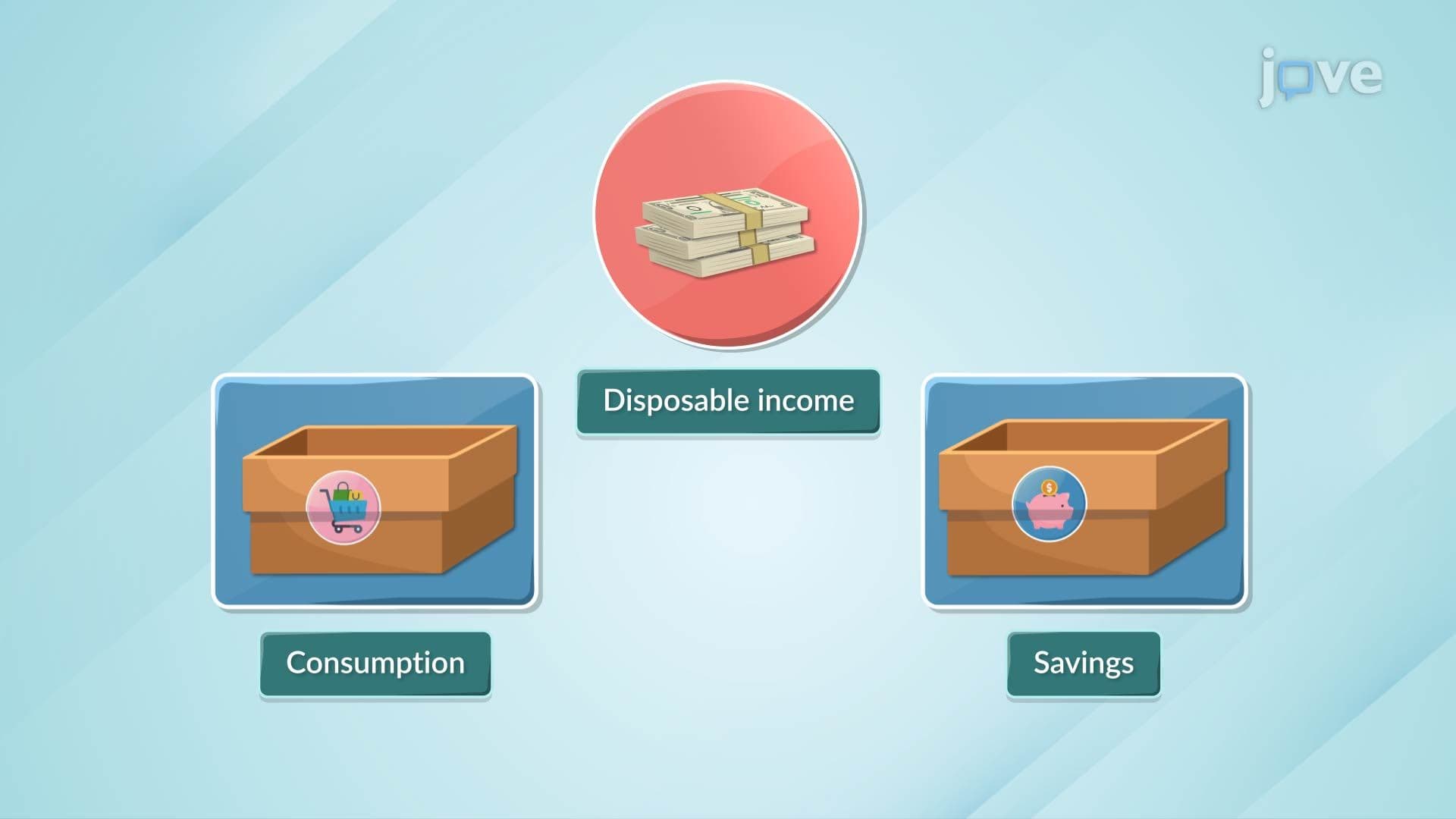
Why do most Americans in their 20s carry credit card debt while their parents stockpile retirement savings? The life cycle hypothesis explains this pattern by showing how rational consumers smooth their spending across different life stages rather than living paycheck to paycheck. For example, a recent Stanford graduate might take student loans early in their career, aggressively save during peak earning years at companies like Google, then draw down retirement accounts after age 65. What is The Life Cycle Hypothesis reveals how individuals strategically balance borrowing, saving, and spending to maintain consistent living standards throughout their entire lifespan. Watch the full video on JoVE Coach to master this concept with expert-led visuals and step-by-step explanations.
What is The Life Cycle Hypothesis represents one of the most influential theories in modern economics, developed by Nobel Prize winner Franco Modigliani in the 1950s. This groundbreaking framework challenges the simplistic notion that people spend based solely on current income. Instead, it argues that rational consumers make spending decisions by considering their entire expected lifetime earnings and expenses.
The theory rests on a fundamental insight: most people prefer stable living standards rather than dramatic fluctuations between feast and famine. A typical American worker might earn $30,000 annually in their twenties, $80,000 in their forties, and zero after retirement. Rather than living lavishly during peak earning years and struggling afterward, the life cycle hypothesis suggests they'll borrow early, save heavily mid-career, and spend down assets later to maintain roughly consistent consumption throughout life.
The life cycle hypothesis divides financial life into distinct phases that mirror typical career trajectories. During the borrowing phase (roughly ages 20-35), individuals typically have low incomes but high consumption needs. Think of medical residents earning $55,000 annually while accumulating student debt, or young families buying homes with minimal down payments. This phase often involves negative savings rates as people invest in education, housing, and family formation.
The accumulation phase (ages 35-65) represents peak earning years when individuals aggressively save for retirement. A senior software engineer at Microsoft might earn $200,000 annually but maintain similar consumption levels as their earlier career, channeling the difference into 401(k) accounts, IRAs, and other investments. This phase drives the highest savings rates as people prepare for retirement.
The retirement phase (65+) involves systematic spending down of accumulated assets. Retirees convert savings into steady income streams through Social Security, pension payments, and portfolio withdrawals, maintaining consumption levels despite zero earned income.
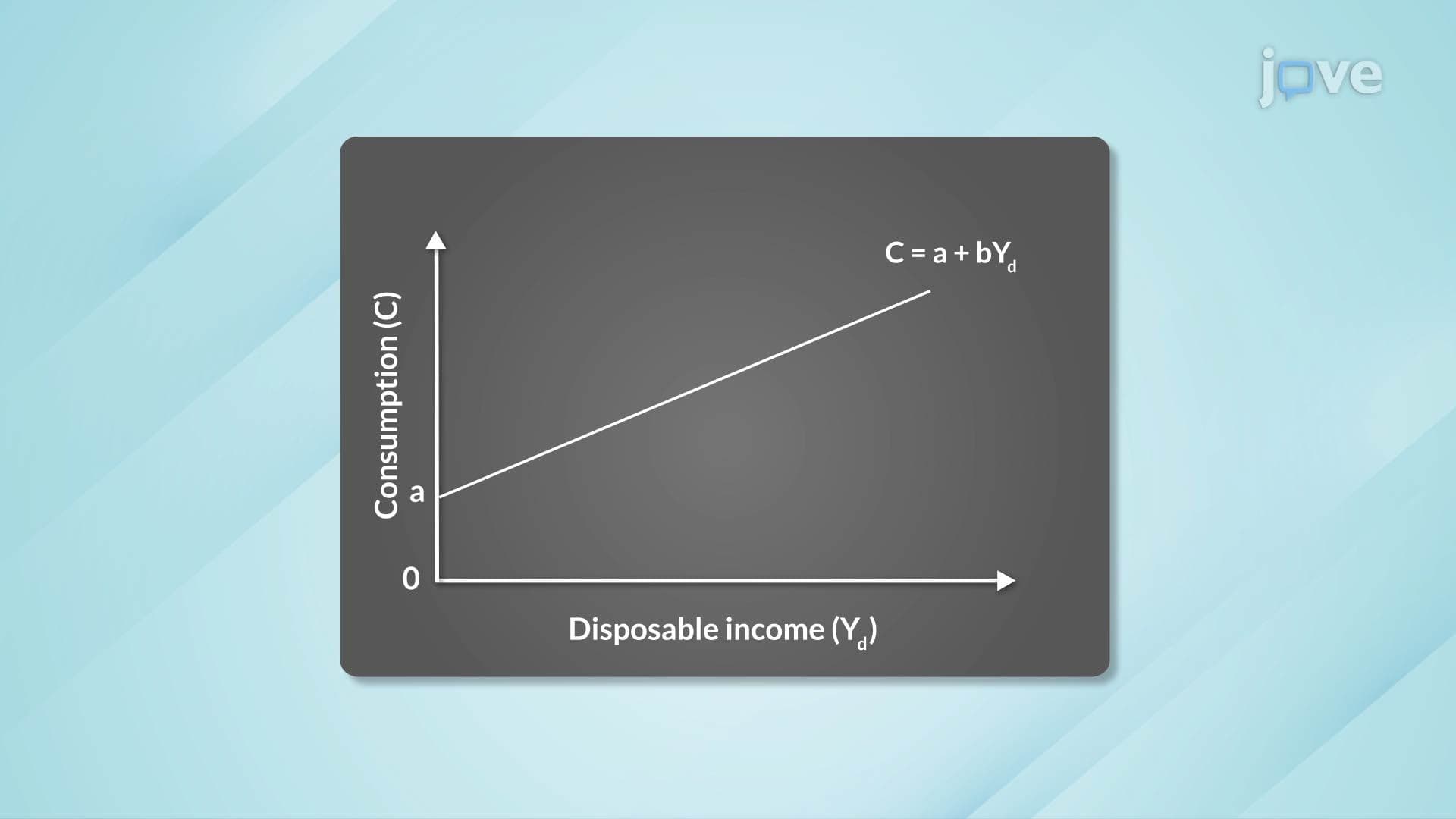
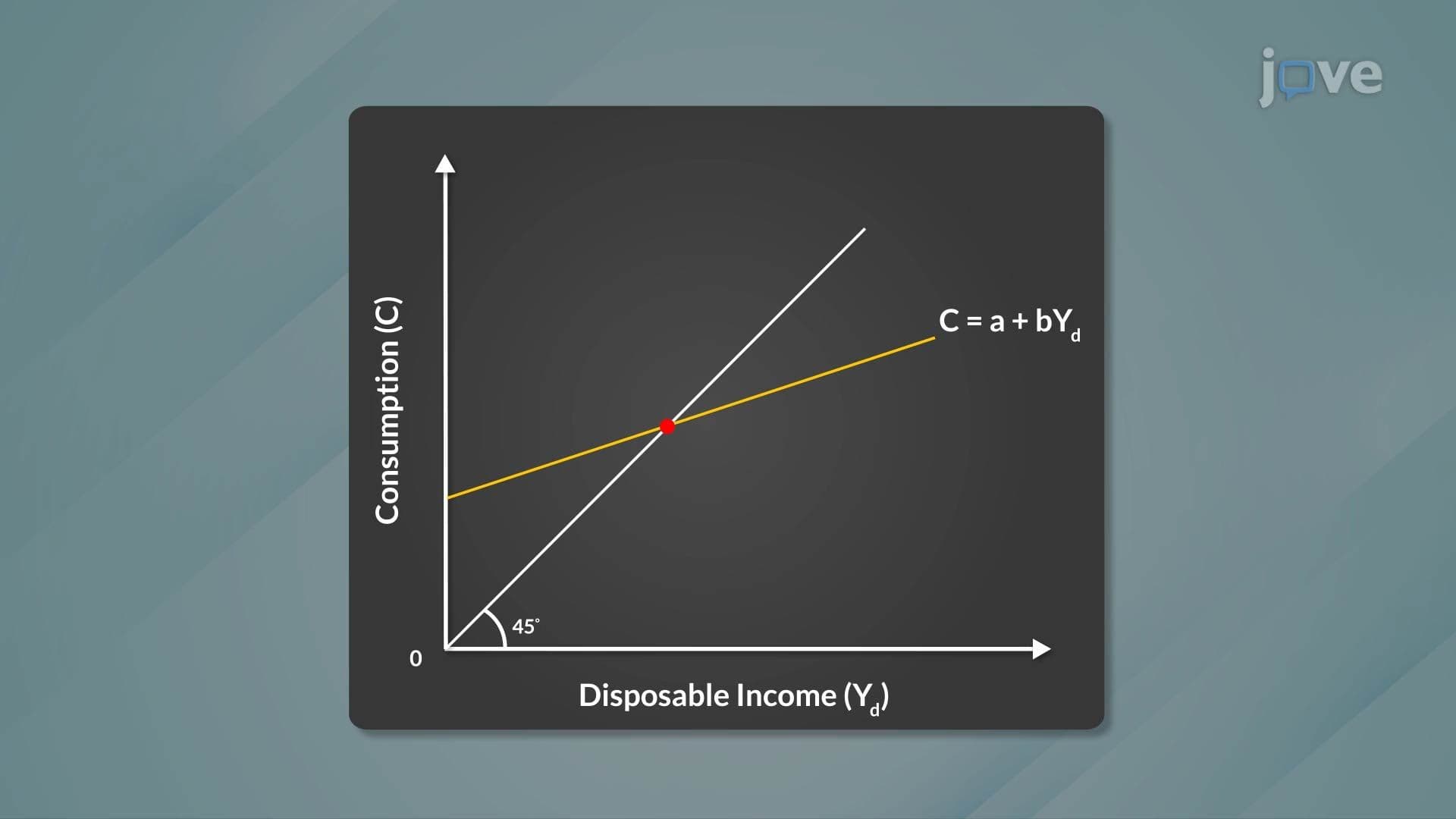
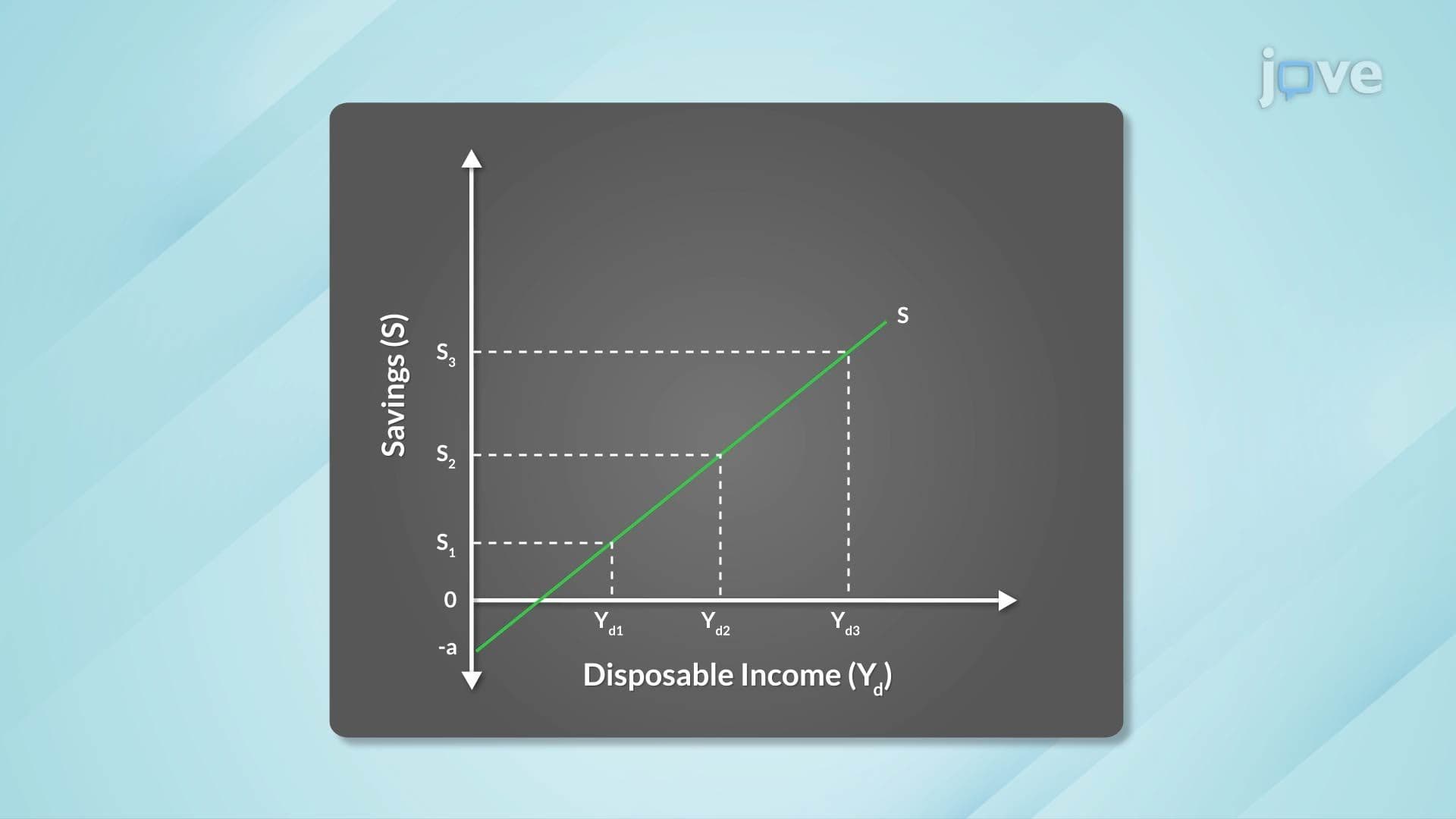
Life cycle theory appears frequently on AP Economics exams and college macroeconomics courses, particularly when analyzing aggregate consumption functions and savings behavior. Students should understand how demographic changes affect national savings rates-aging populations tend to reduce overall savings as more people enter the dissaving phase.
The model also explains why young Americans often carry higher debt-to-income ratios than older cohorts. Credit card companies specifically target college students because life cycle theory predicts this demographic will borrow against future earnings. Similarly, the theory helps explain why retirement planning becomes increasingly urgent as workers approach their peak earning years.
However, real-world deviations from the model are equally important to understand. Liquidity constraints prevent many low-income individuals from borrowing against future earnings, while uncertainty about health costs, lifespan, and economic conditions leads many Americans to save more than the basic model predicts.
Related Micro-courses