Loading video…


 10 Concepts
 3K views


Video Summary: Kidney Transplant Iii Nursing Management Explained
Did you know that kidney transplant patients at Johns Hopkins Hospital require monitoring every hour for the first 48 hours post-surgery? Kidney transplant III nursing management involves comprehensive postoperative care protocols that can mean the difference between successful organ integration and life-threatening complications. Nurses at leading transplant centers like Mayo Clinic follow strict assessment guidelines, monitoring everything from urine output to infection signs while managing complex immunosuppressive therapy. This critical phase of Kidney Transplant III Nursing Management Explained determines long-term patient outcomes. Watch the full video on JoVE Coach to master this concept with expert-led visuals and step-by-step explanations.
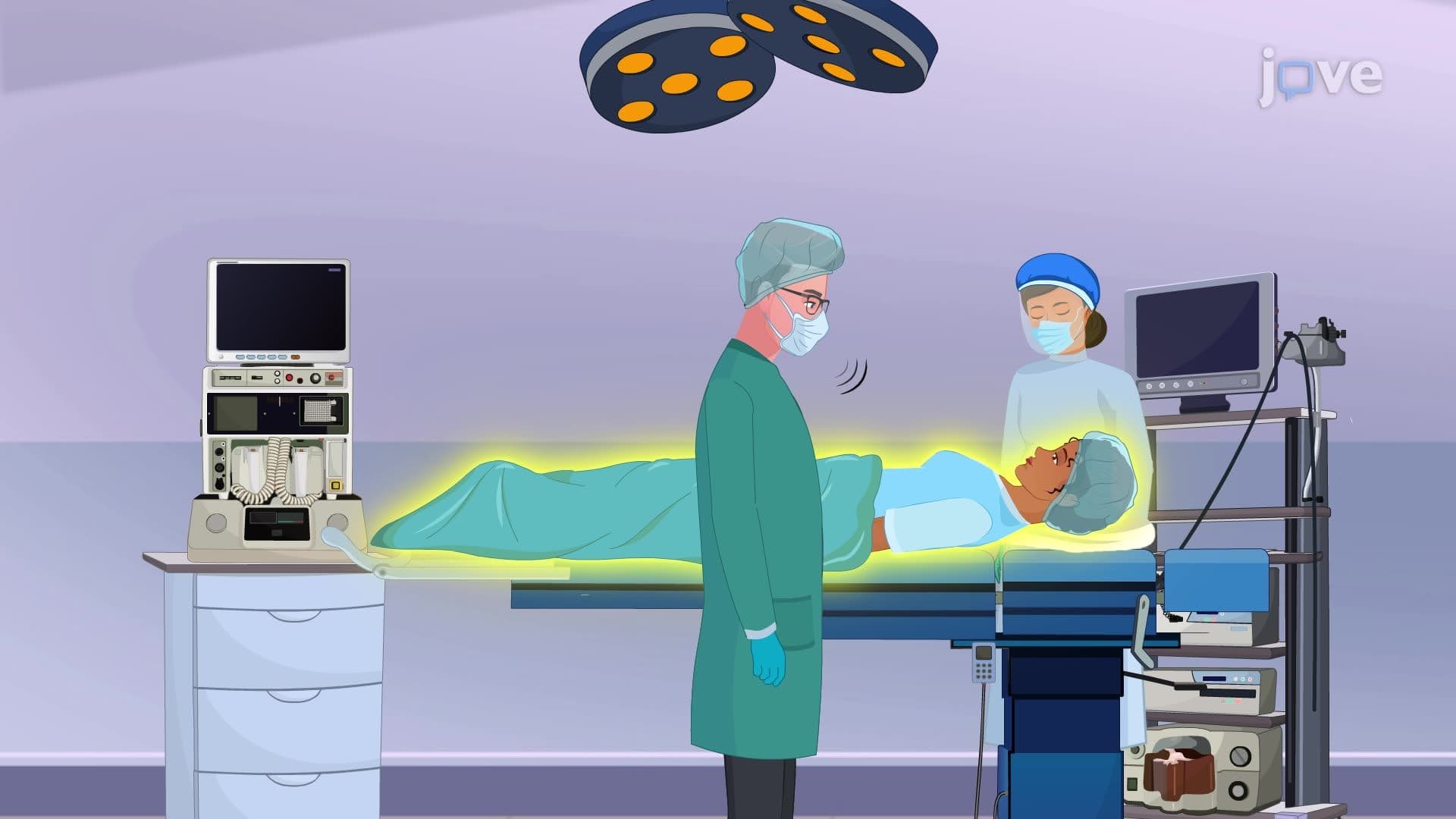
Kidney transplant III nursing management represents the most critical phase of postoperative care, where skilled nursing intervention directly impacts patient survival and graft success rates. At major US transplant centers like Cleveland Clinic and UCSF Medical Center, this advanced nursing specialty requires mastery of complex assessment skills, immunosuppressive medication management, and early complication recognition. The "III" designation typically refers to the intensive monitoring phase immediately following surgery, when patients are most vulnerable to rejection, infection, and fluid imbalances.
Successful kidney transplant nursing management centers on systematic hourly assessments targeting specific indicators of graft function and patient stability. Nurses monitor urine output meticulously, as oliguria (less than 400mL in 24 hours) often signals the first sign of rejection or acute tubular necrosis. Weight gain exceeding 2-3 pounds daily indicates fluid retention, while fever above 100.4°F suggests possible infection or rejection. Blood pressure monitoring becomes crucial since hypertension commonly accompanies rejection episodes, requiring immediate physician notification and potential medication adjustments.
The delicate balance of immunosuppressive therapy requires constant nursing vigilance and laboratory result interpretation. White blood cell counts below 3,000/μL indicate excessive immunosuppression, increasing infection risk, while elevated creatinine levels suggest declining kidney function. Nurses working at transplant centers like Houston Methodist and Cedars-Sinai routinely review comprehensive metabolic panels, complete blood counts, and immunosuppressive drug levels to guide therapy adjustments. This knowledge proves essential for students preparing for NCLEX-RN examinations, where transplant nursing questions frequently appear in the physiological integrity section.
Immunocompromised transplant patients face significantly elevated infection risks, making strict infection control protocols non-negotiable. Nurses implement contact precautions, perform frequent hand hygiene, and limit visitor exposure to prevent healthcare-associated infections that could prove fatal. Respiratory care becomes equally important, with nurses encouraging deep breathing exercises and early ambulation to prevent pneumonia and atelectasis. These concepts frequently appear on HESI A2 and TEAS examinations, particularly in sections covering infection control and respiratory physiology.
Related Micro-courses