11 Concepts
5 Concepts
15 Concepts
11 Concepts
7 Concepts
10 Concepts
22 Concepts
11 Concepts
10 Concepts
8 Concepts
14 Concepts
17 Concepts
14 Concepts
19 Concepts
15 Concepts
16 Concepts
15 Concepts
7 Concepts
6 Concepts
7 Concepts
7 Concepts
27 Concepts
8 Concepts
9 Concepts
6 Concepts
10 Concepts
12 Concepts
10 Concepts
Dialysis transplant treatments serve as life-saving interventions for patients with end stage renal disease. This comprehensive course explores hemodialysis peritoneal dialysis, continuous renal replacement therapy, and kidney transplantation procedures. Students examine nursing care for dialysis and renal transplantation, including patient management, complication prevention, and post-operative monitoring in US healthcare settings. JoVE Coach provides essential clinical knowledge for healthcare professionals managing ESRD management and renal replacement therapy protocols.
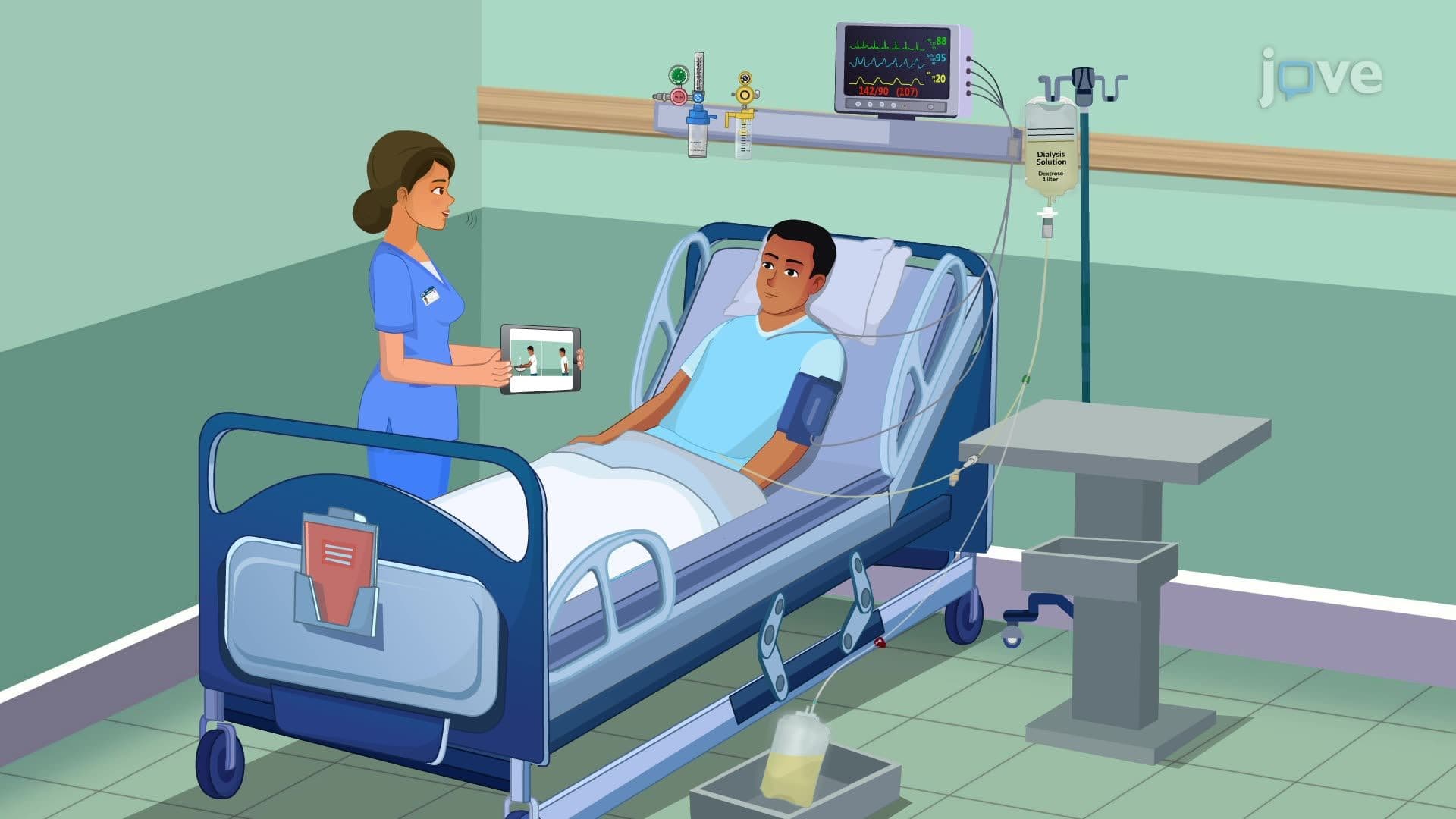
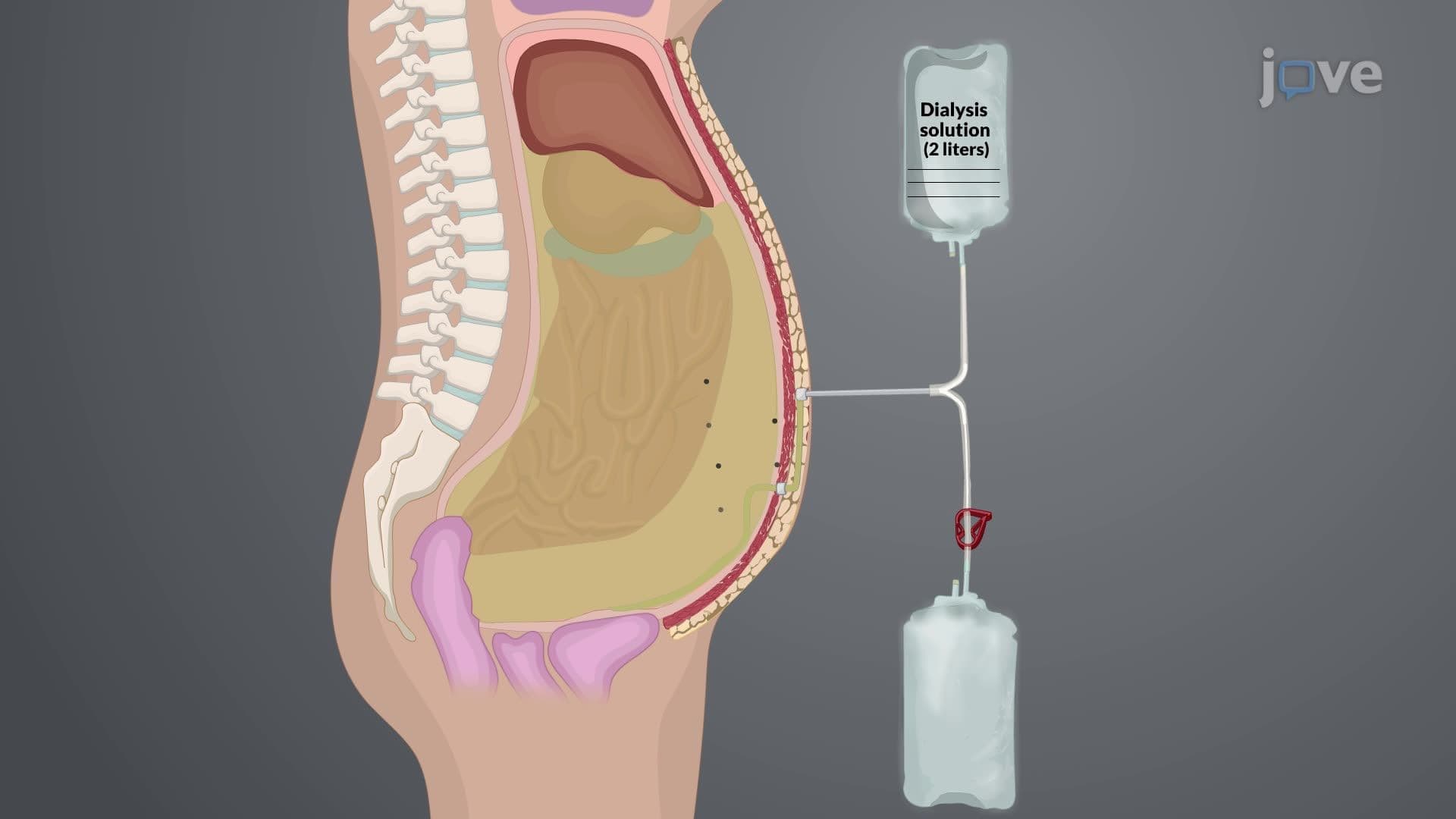
1. Peritoneal Dialysis Fundamentals and Management Peritoneal dialysis utilizes the peritoneum as a natural filtering membrane to remove waste products and excess fluid from patients with kidney failure. The procedure involves inserting a permanent catheter through the abdominal wall into the peritoneal cavity, secured with Dacron cuffs that prevent infection. Three distinct phases characterize each exchange: inflow of dialysate solution, dwell time for waste absorption, and drainage of fluid containing toxins. Continuous ambulatory peritoneal dialysis requires four daily manual exchanges, while automated peritoneal dialysis uses machines for overnight treatments. Common complications include peritonitis from catheter contamination and mechanical problems like hernias from increased abdominal pressure.
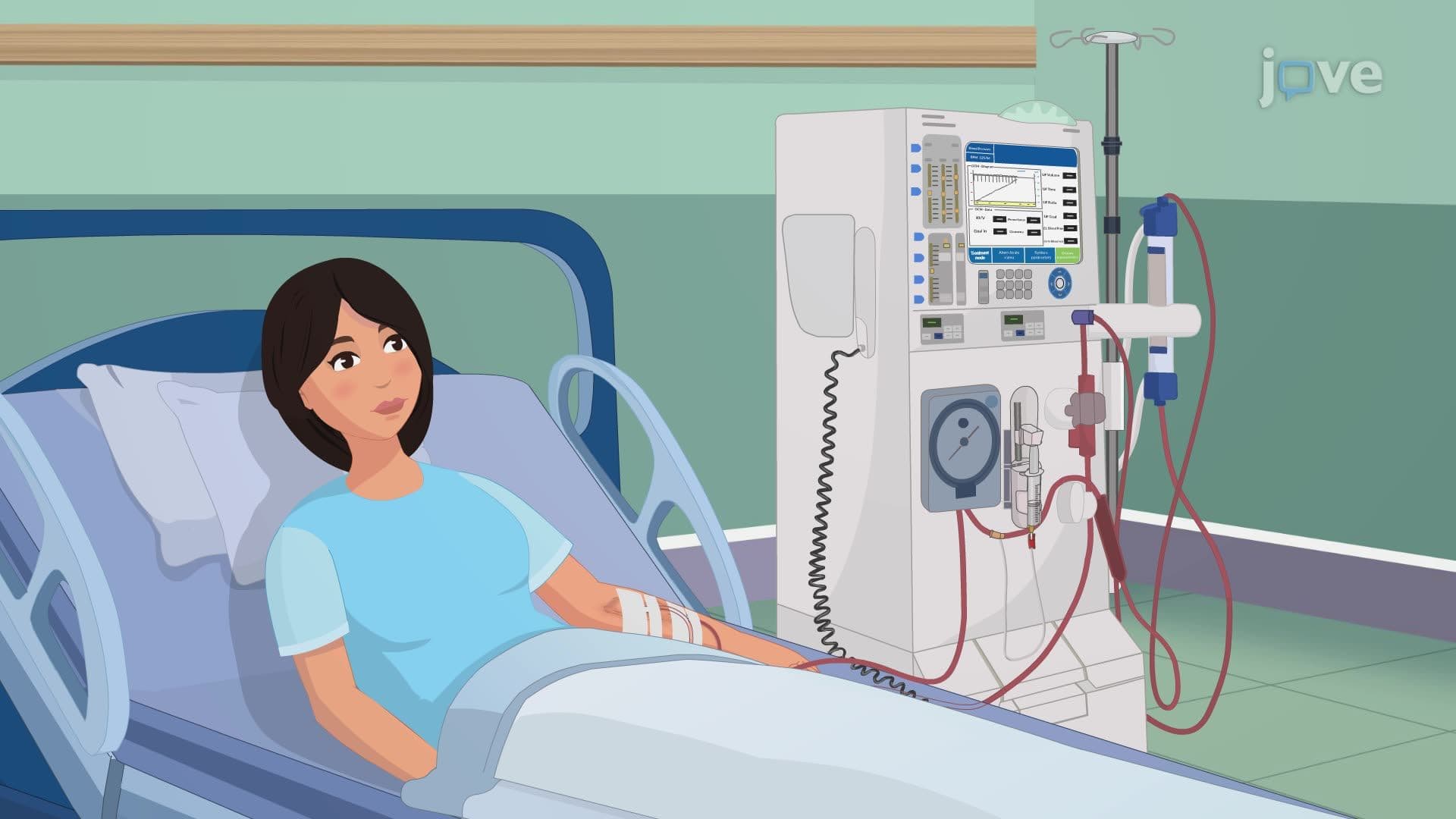
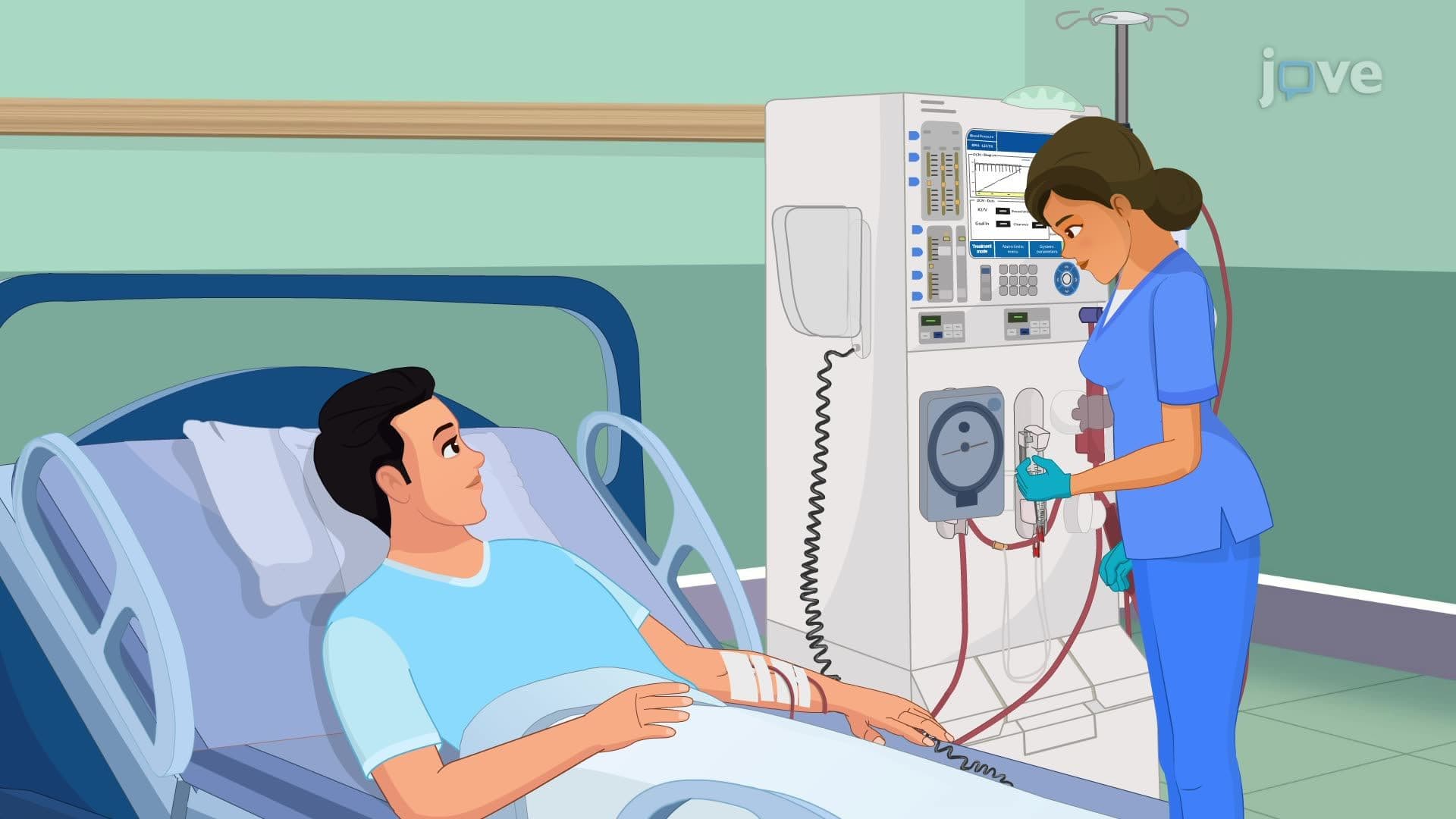
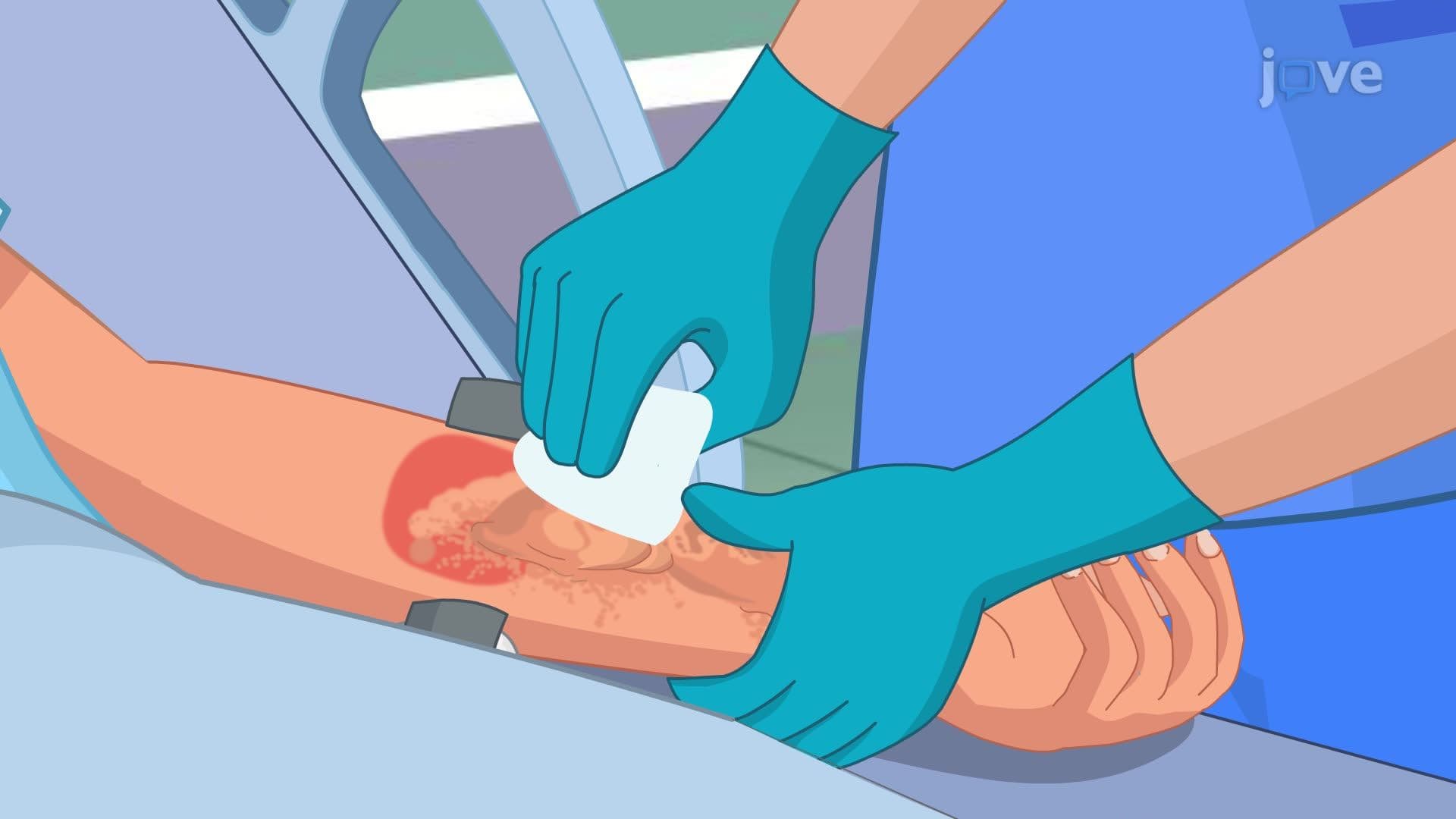
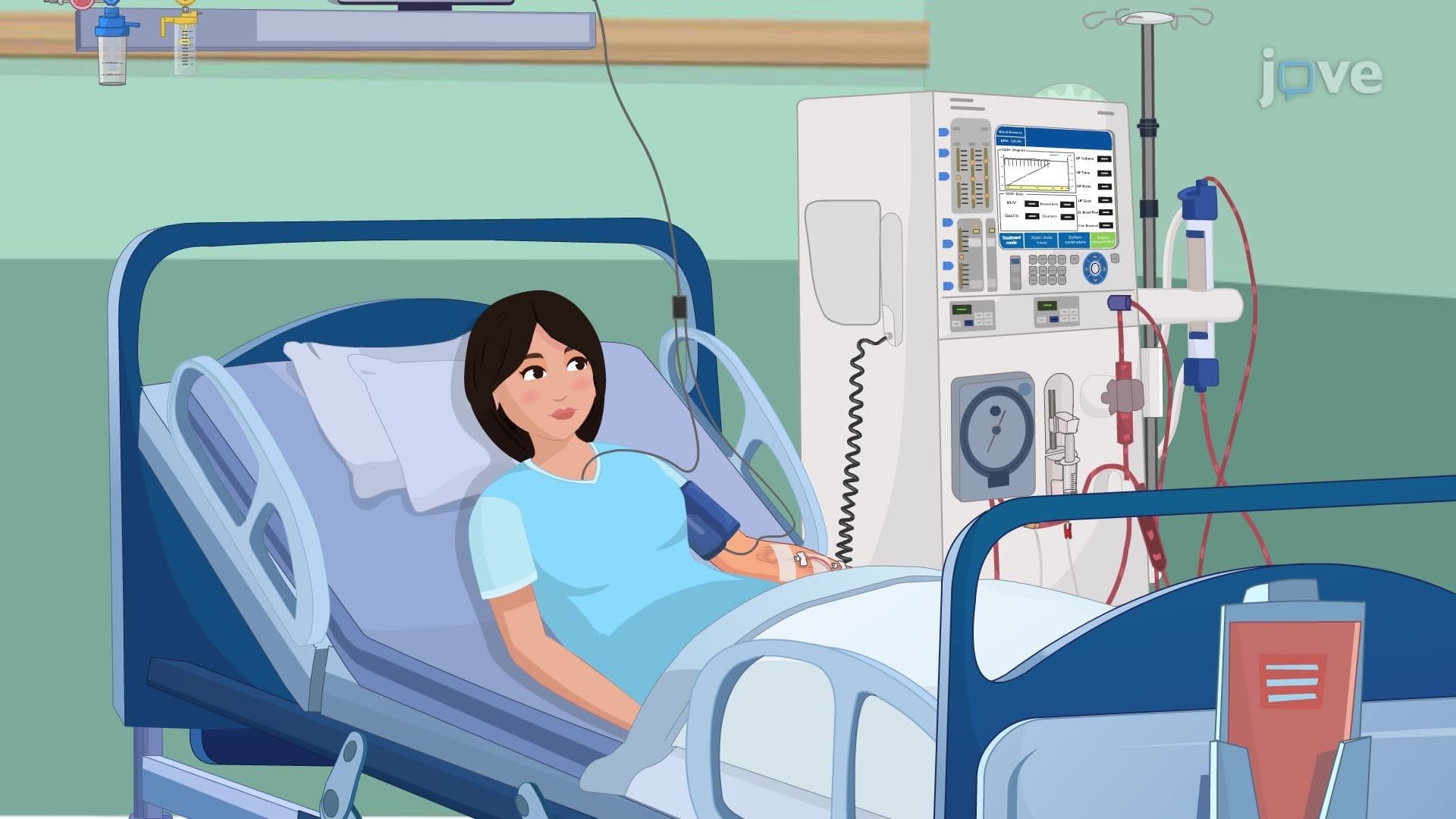
2. Hemodialysis Systems and Vascular Access Hemodialysis removes toxins and excess fluid by filtering blood through an external dialyzer containing semipermeable membranes. Successful treatment requires reliable vascular access, typically achieved through arteriovenous fistulas created by surgically connecting arteries to veins. Fistula maturation takes 6-12 weeks as veins enlarge and strengthen to accommodate large-bore needles. When fistulas aren't feasible, synthetic arteriovenous grafts provide alternative access within 2-4 weeks but carry higher infection and clotting risks. Most patients receive hemodialysis three times weekly for 3-4 hours per session, with some requiring longer overnight treatments for optimal clearance.
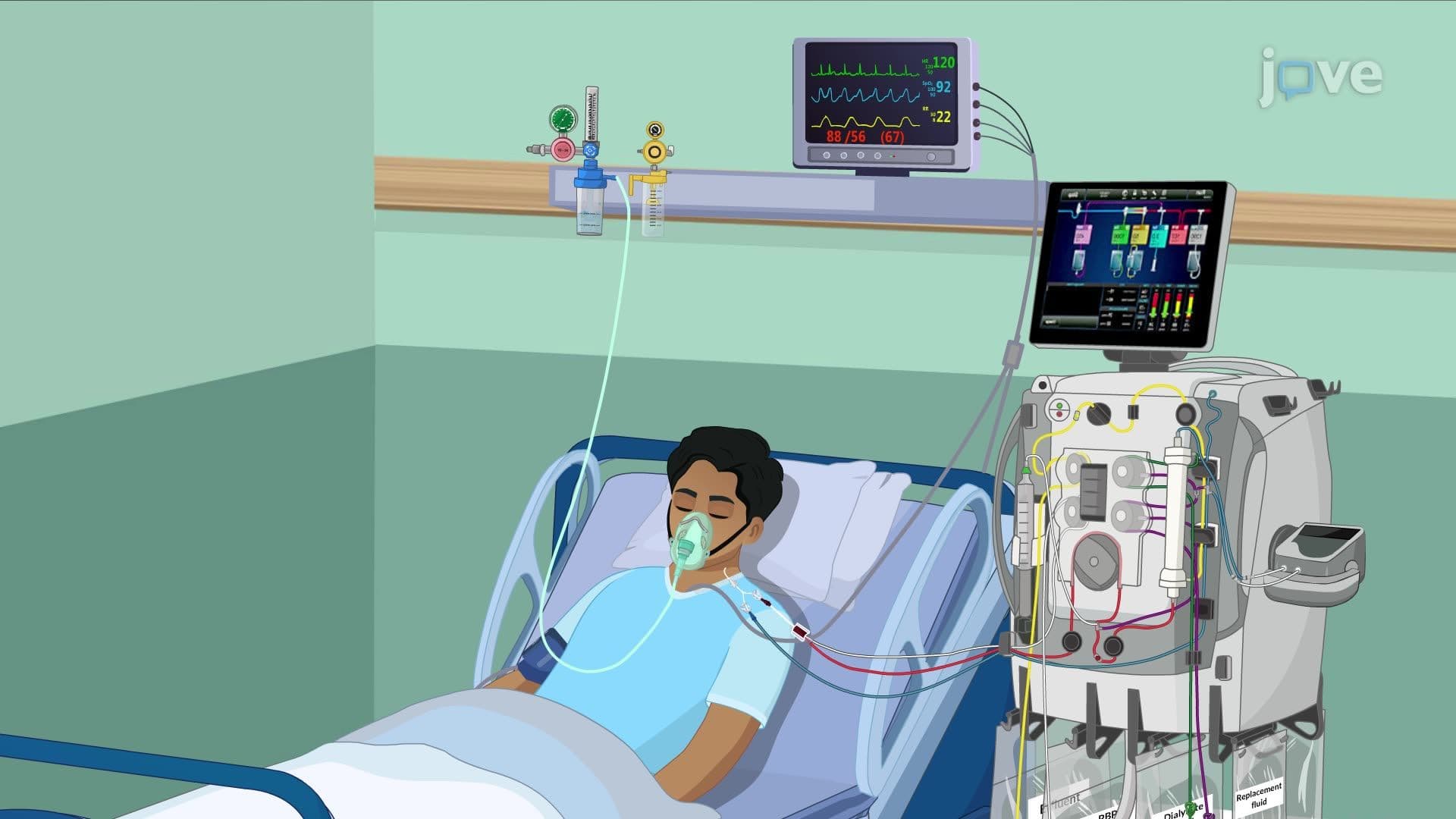
3. Continuous Renal Replacement Therapy Applications Continuous renal replacement therapy provides gentle, round-the-clock treatment for critically ill patients with acute kidney injury who cannot tolerate traditional hemodialysis. This modality maintains hemodynamic stability while removing uremic toxins and excess fluid over 24-hour periods. Two primary types include continuous venovenous hemofiltration for fluid removal and continuous venovenous hemodialysis for enhanced toxin clearance using dialysate solutions. Treatment requires double-lumen catheters placed in central veins and specialized machines that create ultrafiltrate containing waste products. Nursing management focuses on hourly monitoring of hemodynamic parameters, catheter patency, and fluid balance calculations.
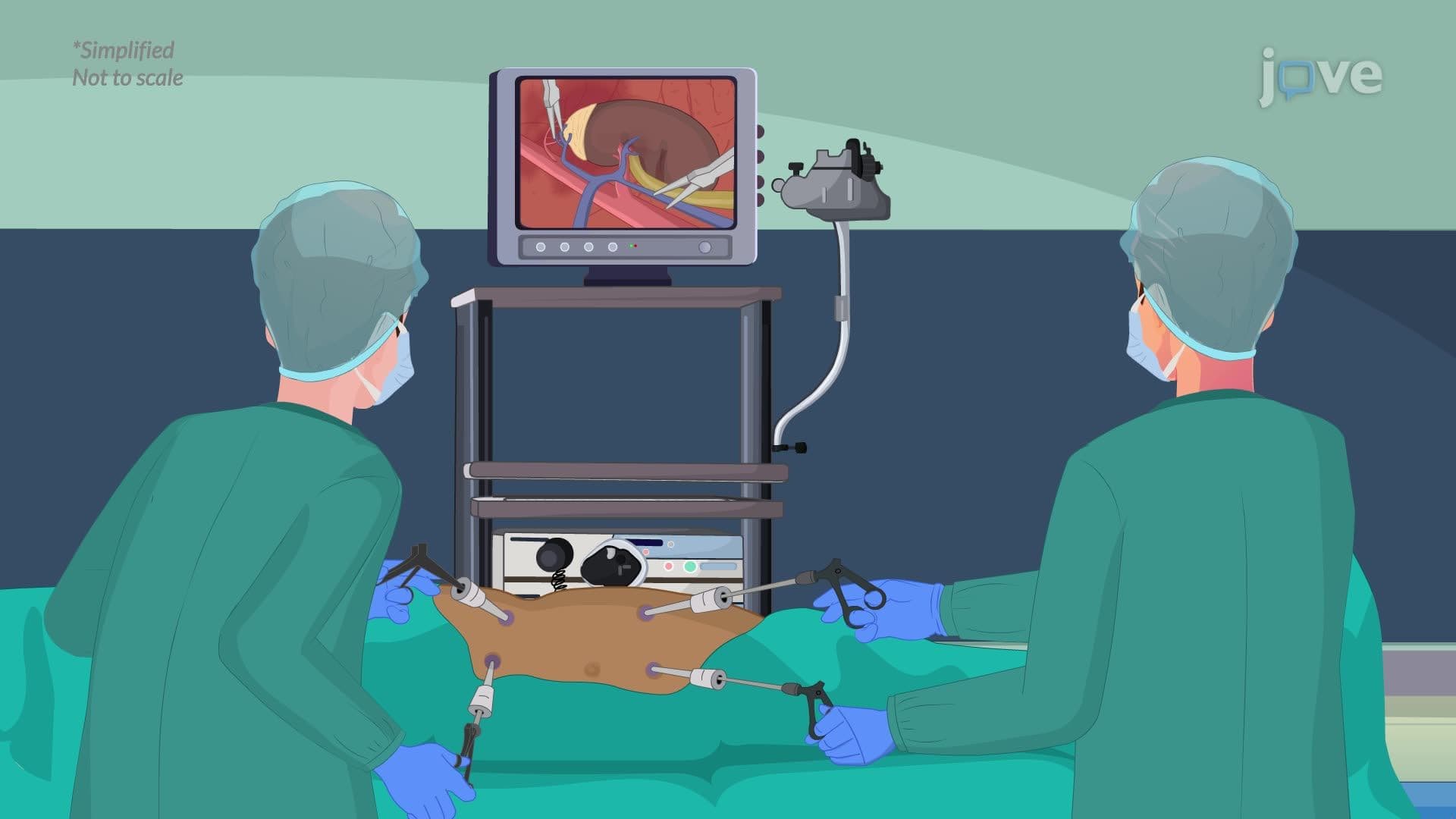
4. Kidney Transplantation Process and Patient Selection Kidney transplantation offers the best long-term treatment for end stage renal disease, requiring careful recipient selection and donor matching. Candidates undergo extensive evaluation assessing cardiovascular health, diabetes control, smoking status, and psychosocial factors affecting treatment adherence. Human leukocyte antigen typing and crossmatching determine donor-recipient compatibility to minimize rejection risk. Living donors provide superior outcomes due to reduced cold ischemia time and better kidney function. The surgical procedure involves placing the donor kidney in the recipient's iliac fossa, connecting renal vessels to iliac vessels while preserving the patient's native kidneys unless complications arise.
5. Transplant Rejection and Immunosuppressive Management Transplant rejection represents the immune system's attack on foreign kidney tissue, classified by timing and severity. Hyperacute rejection occurs within 24 hours and may require immediate transplant removal, while acute rejection develops within 3-14 days showing elevated creatinine levels, fever, and graft tenderness. Chronic rejection develops gradually over months to years. Prevention requires lifelong immunosuppressive medications like tacrolimus, which increase infection susceptibility and cancer risk. Prophylactic medications including proton pump inhibitors prevent corticosteroid-induced gastrointestinal complications. Regular monitoring of drug levels, kidney function, and infection markers ensures optimal immunosuppression while minimizing adverse effects.
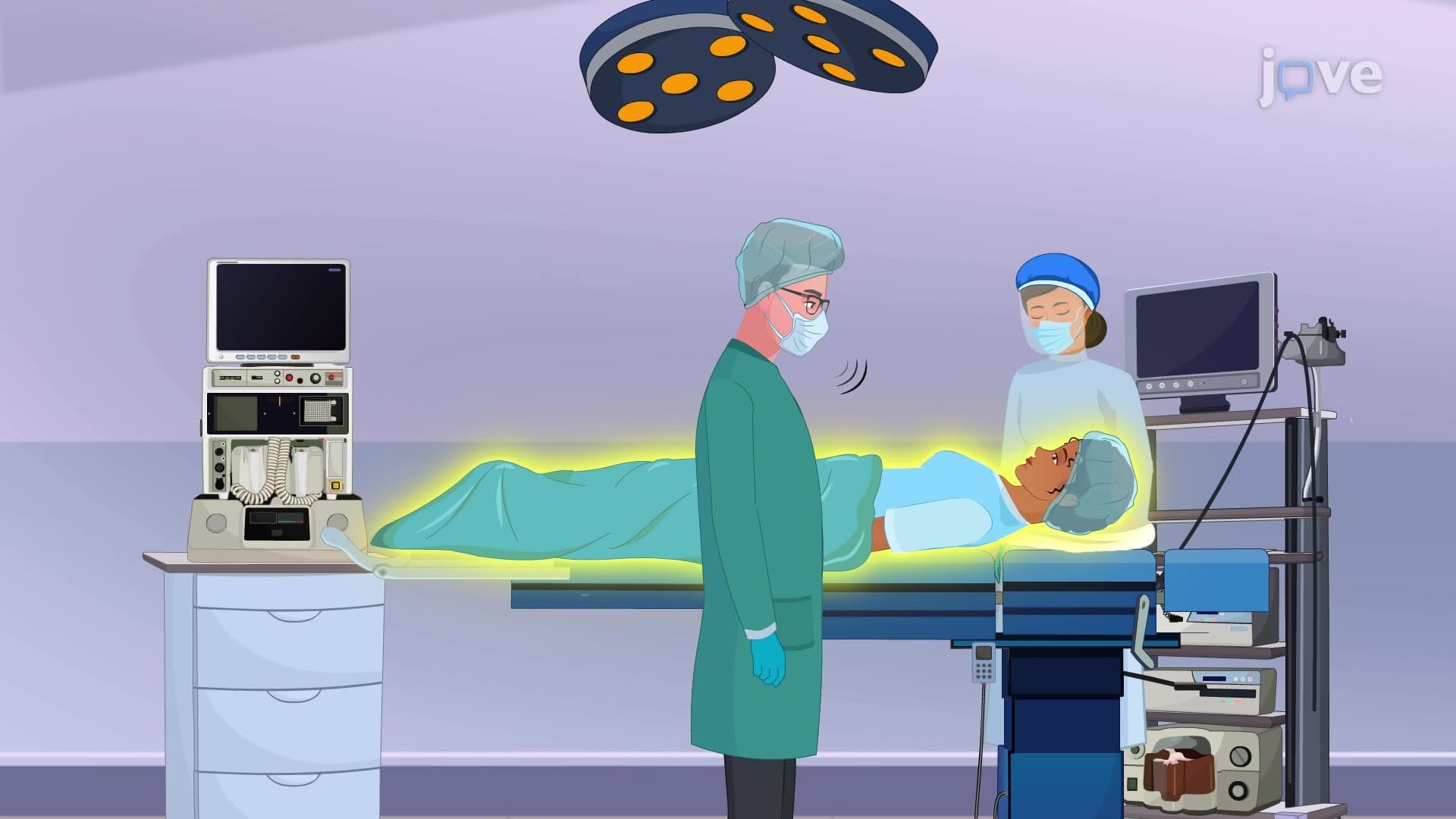
6. Comprehensive Nursing Care and Patient Education Nursing care for dialysis and renal transplantation encompasses pre-procedure assessment, intra-treatment monitoring, and post-treatment evaluation. Essential assessments include vital signs, daily weights, fluid balance calculations, and laboratory values monitoring electrolyte levels and kidney function. Patient education covers proper catheter care, recognition of infection signs, dietary modifications, and medication compliance. For peritoneal dialysis patients, nurses teach aseptic technique for solution exchanges and catheter exit site care. Hemodialysis patients learn vascular access protection, including avoiding blood pressure measurements and venipunctures in the access arm. Transplant recipients require education about immunosuppressive medications, infection prevention strategies, and early rejection symptom recognition.