11 Concepts
5 Concepts
15 Concepts
11 Concepts
7 Concepts
10 Concepts
22 Concepts
11 Concepts
10 Concepts
8 Concepts
14 Concepts
17 Concepts
14 Concepts
19 Concepts
15 Concepts
16 Concepts
15 Concepts
7 Concepts
6 Concepts
7 Concepts
7 Concepts
27 Concepts
8 Concepts
9 Concepts
6 Concepts
10 Concepts
12 Concepts
10 Concepts
Infectious diseases of the heart encompass bacterial, viral, and other microbial infections affecting cardiac structures including the endocardium, myocardium, and pericardium. This comprehensive JoVE Coach micro-course explores endocarditis pericarditis, myocarditis, and rheumatic heart disease, examining pathophysiology, clinical presentations, diagnostic approaches, and evidence-based management strategies essential for healthcare professionals treating infections affecting the heart and their management.
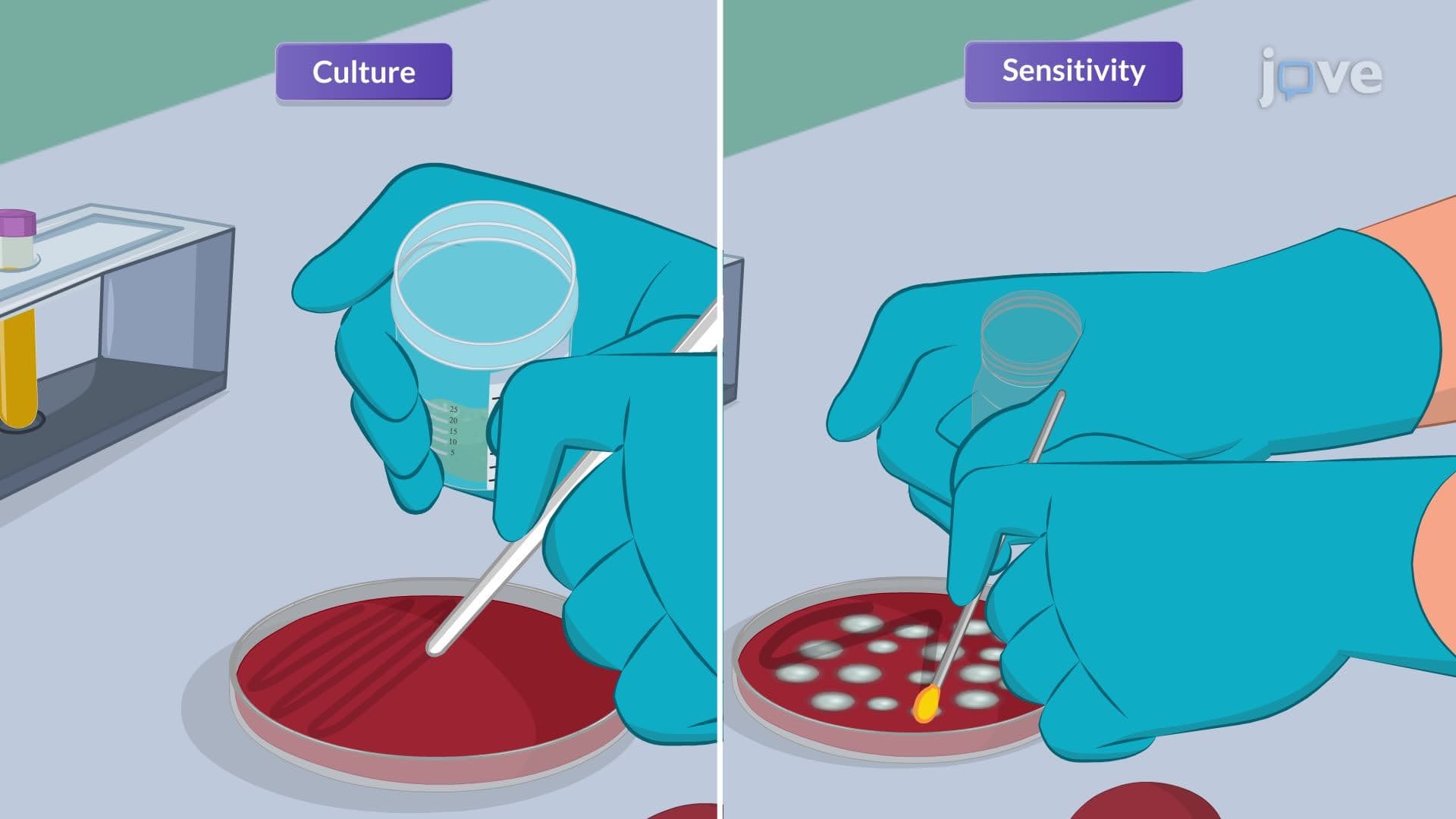
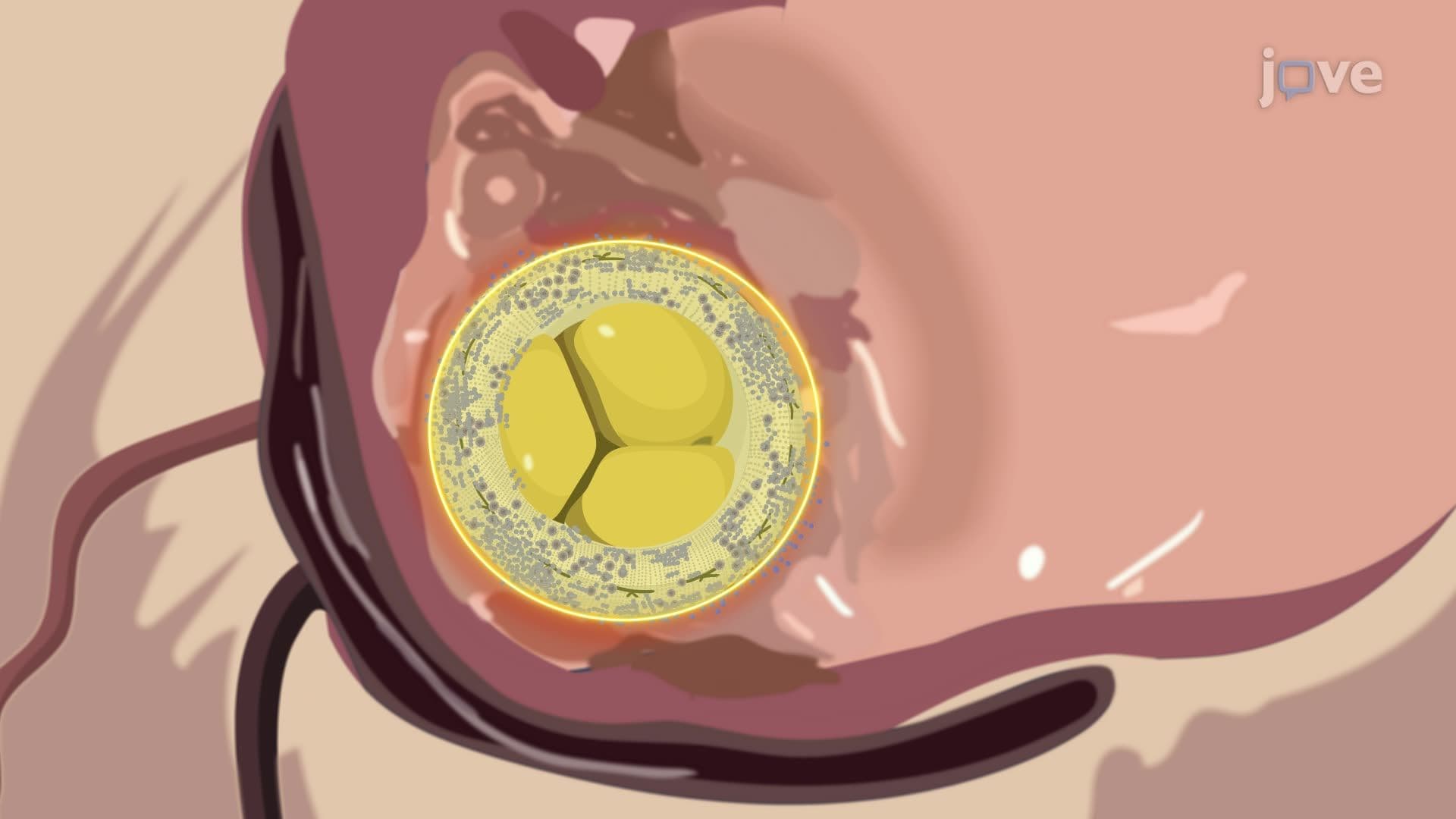
1. Infective Endocarditis Classification and Pathophysiology Infective endocarditis represents a serious cardiac infection affecting heart valves and endocardial surfaces. Acute endocarditis progresses rapidly within days, typically caused by Staphylococcus aureus, while subacute forms develop slowly over months via viridans streptococci. High-risk populations include IV drug users, patients with prosthetic valves, and those with congenital heart defects. The infection creates vegetations on valve leaflets, potentially causing embolic events to organs like the brain, kidneys, or spleen. American hospitals report approximately 15,000 endocarditis cases annually, with mortality rates reaching 25-30% despite aggressive treatment.
2. Clinical Recognition and Diagnostic Approach Endocarditis presents with classic findings including Osler's nodes (tender fingertip lesions), Janeway lesions (painless palmar macules), splinter hemorrhages under nails, and Roth's spots on fundoscopic examination. New or changing heart murmurs occur in 85% of cases, though right-sided endocarditis may lack audible murmurs. Modified Duke criteria guide diagnosis, incorporating blood culture results, echocardiographic findings, and clinical features. Transesophageal echocardiography provides superior sensitivity for detecting vegetations compared to transthoracic approaches. Blood cultures remain positive in 90% of cases, requiring multiple samples before antibiotic initiation.
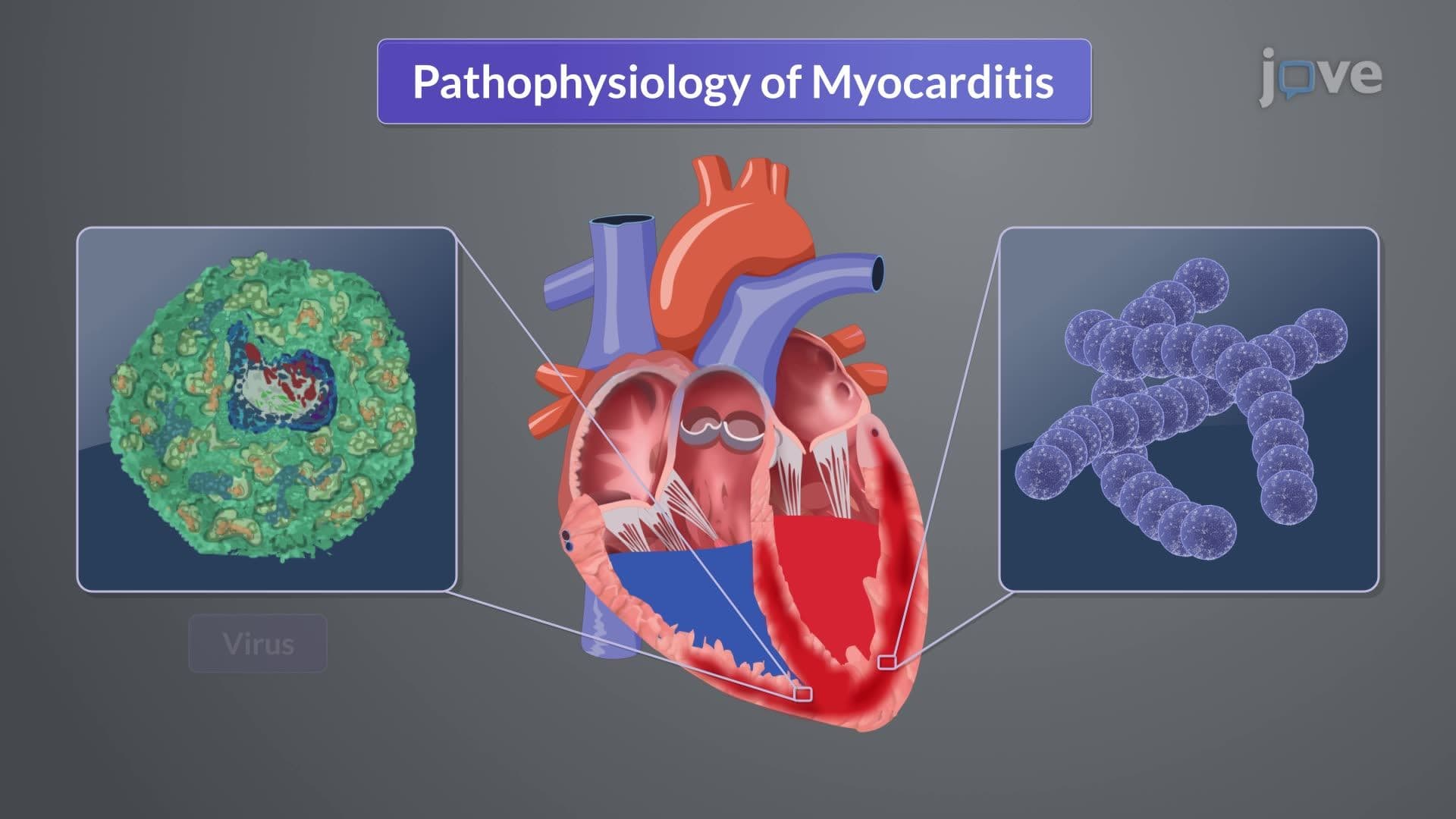
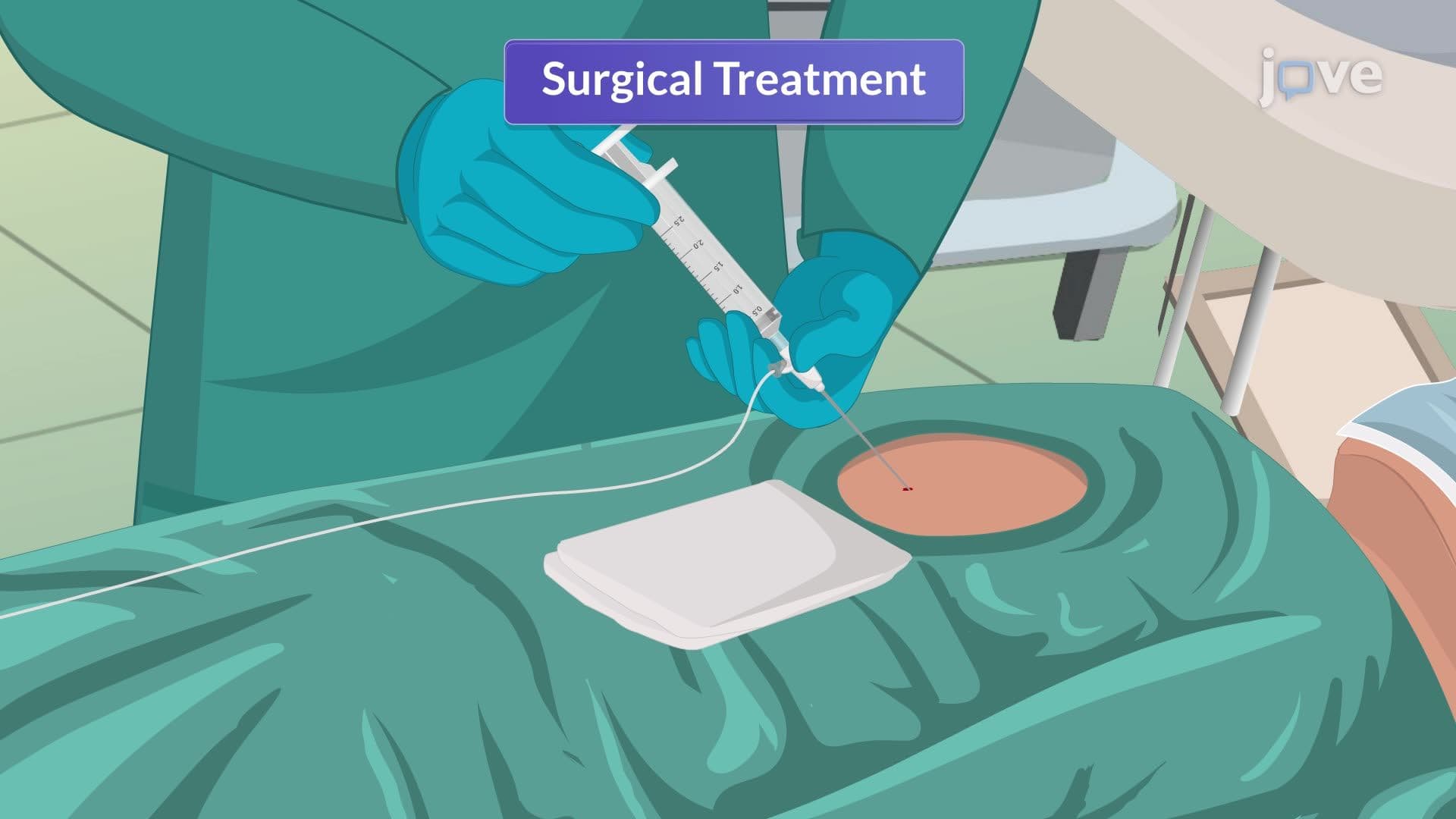
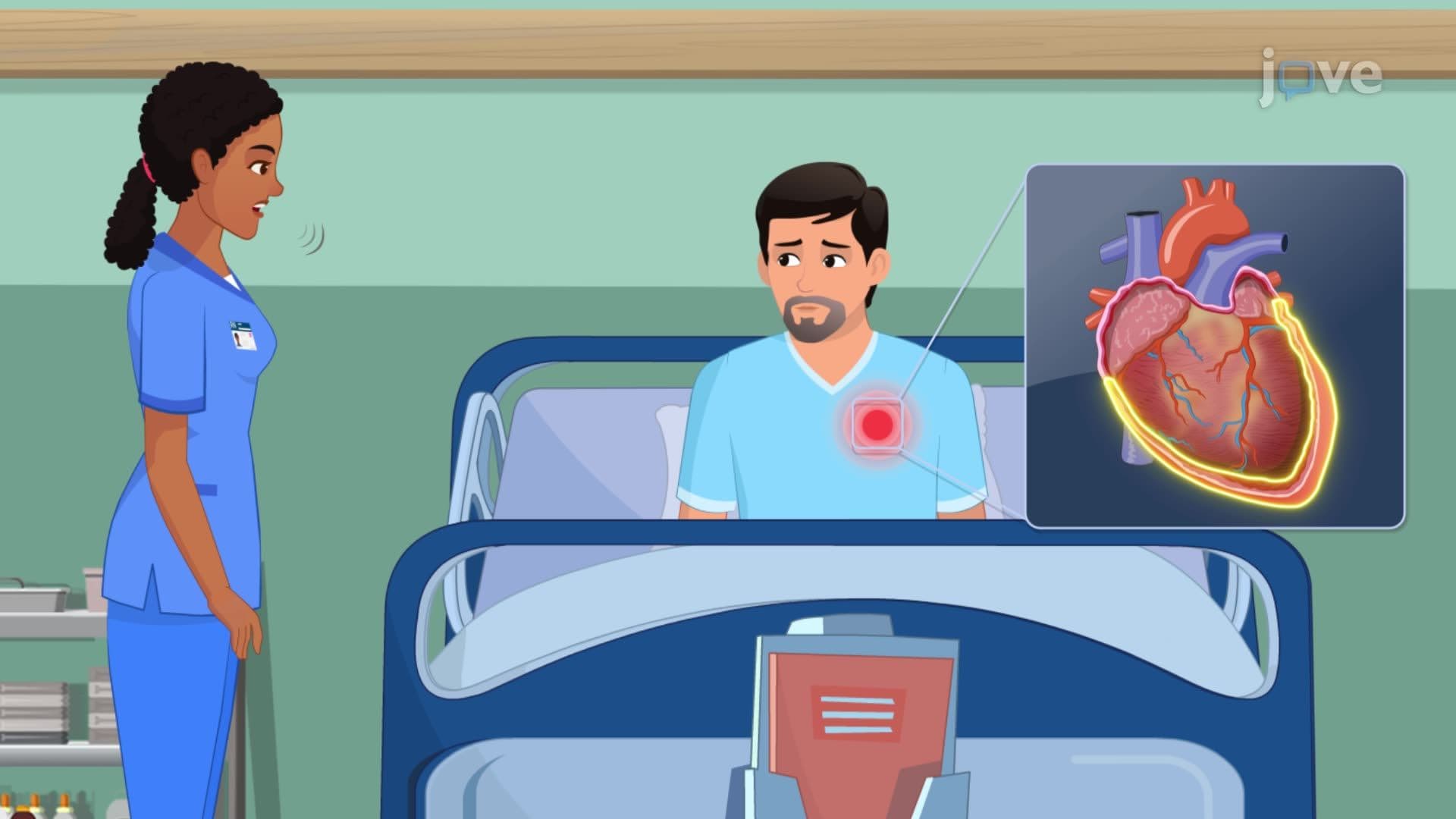
3. Myocarditis: Viral and Non-Viral Etiologies Myocarditis involves inflammatory damage to cardiac muscle tissue, most commonly from viral infections including Coxsackievirus, influenza, and COVID-19. Non-infectious causes encompass autoimmune conditions like systemic lupus erythematosus, chemotherapy agents such as doxorubicin, and radiation therapy. The condition affects approximately 1-10 per 100,000 Americans annually, with higher incidence in young athletes and military personnel. Pathophysiology involves direct myocyte damage followed by autoimmune-mediated destruction, potentially progressing to dilated cardiomyopathy. Endomyocardial biopsy provides definitive diagnosis but is reserved for severe cases due to procedural risks.
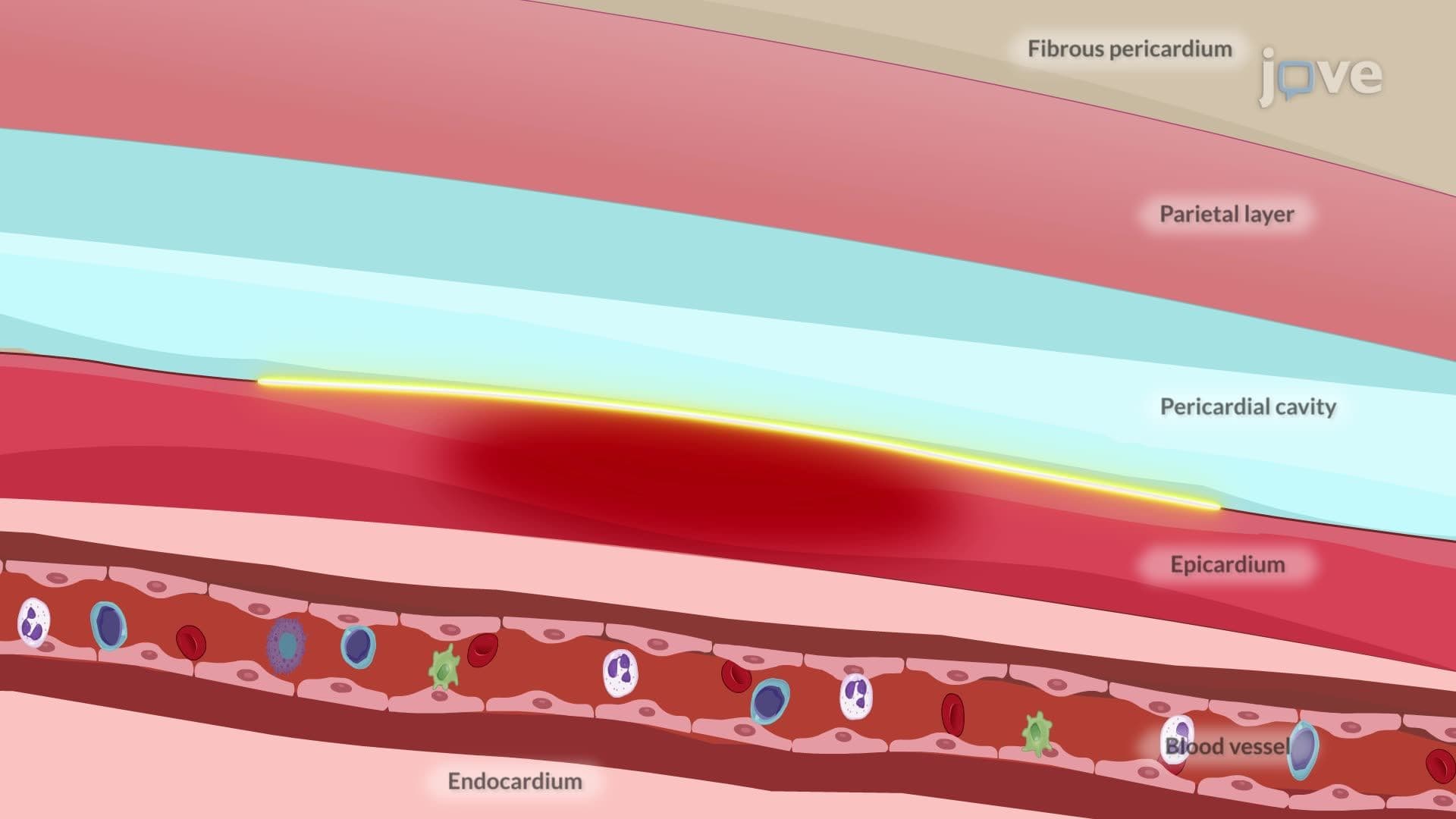
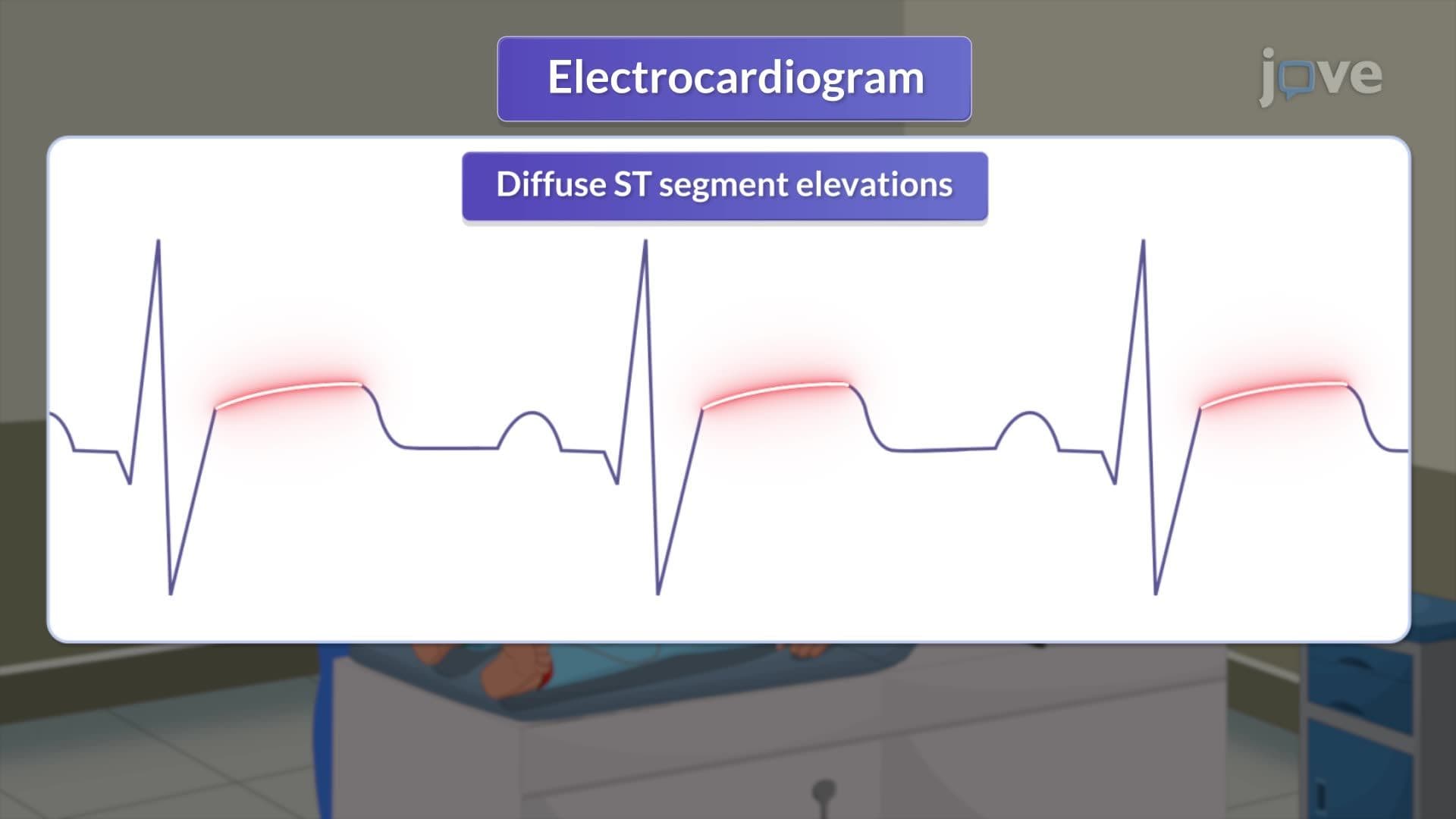
4. Pericarditis Spectrum and Management Pericarditis encompasses inflammation of the protective pericardial sac surrounding the heart, presenting with characteristic sharp, pleuritic chest pain that improves with sitting forward. The pathognomonic pericardial friction rub resembles sandpaper sounds during cardiac auscultation. Viral etiologies predominate in developed countries, while tuberculosis remains common in resource-limited settings. Treatment follows a stepwise approach using NSAIDs as first-line therapy, colchicine for recurrent episodes, and corticosteroids for refractory cases. Complications include pericardial effusion and cardiac tamponade, requiring emergency pericardiocentesis when hemodynamically significant.
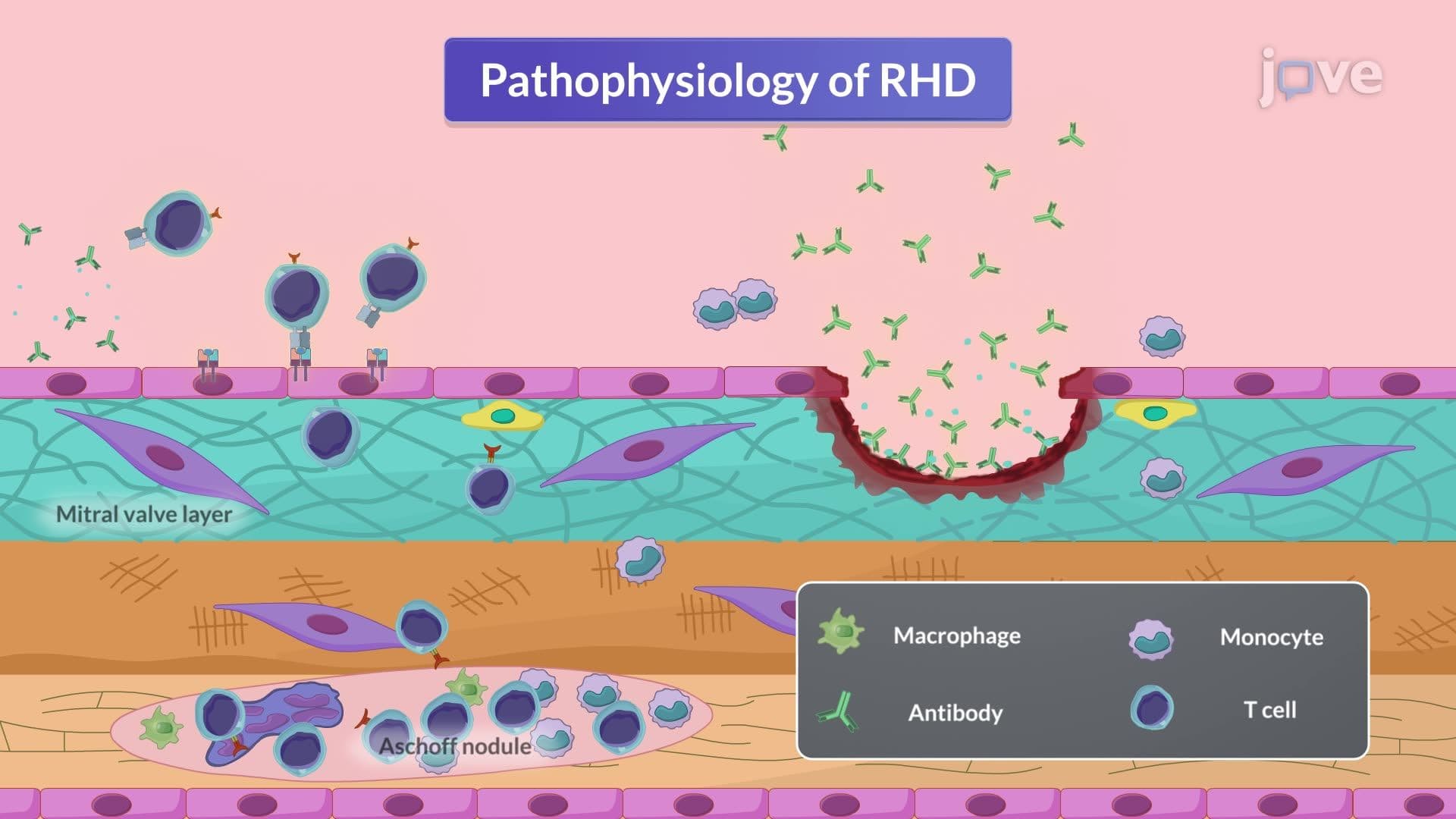
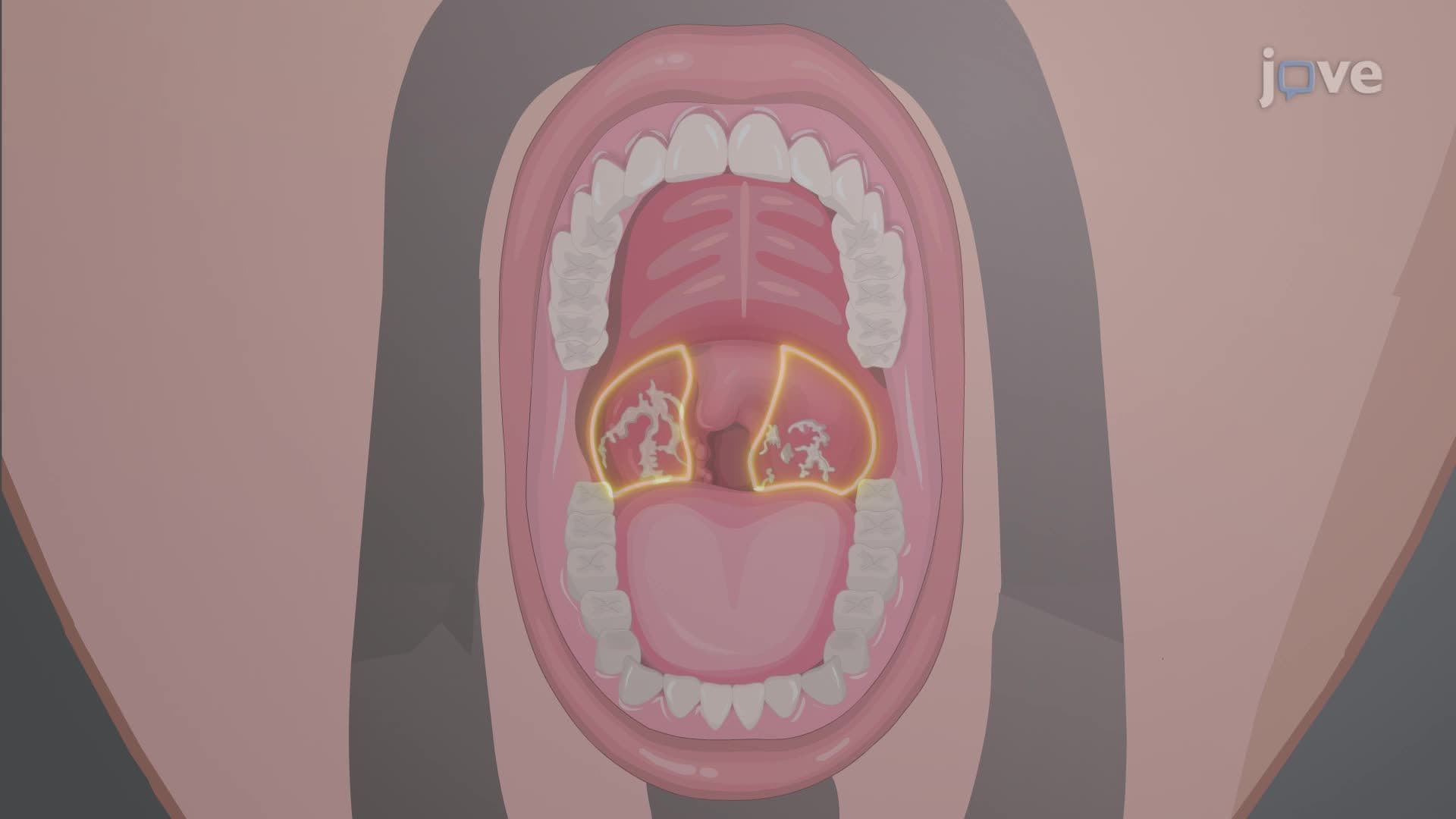
5. Rheumatic Heart Disease Prevention and Long-term Management Rheumatic heart disease develops following untreated Group A streptococcal pharyngitis, affecting approximately 15.6 million people worldwide with higher prevalence in developing regions. The condition results from molecular mimicry between streptococcal M proteins and cardiac myosin, triggering autoimmune valve destruction. Primary prevention involves prompt antibiotic treatment of strep throat using penicillin, while secondary prophylaxis requires long-term penicillin injections every 3-4 weeks. Mitral valve involvement predominates, often requiring surgical intervention including balloon valvuloplasty or valve replacement. The condition remains rare in the United States due to improved antibiotic access and healthcare infrastructure.