Loading subject page…


11 Concepts
5 Concepts
15 Concepts
11 Concepts
7 Concepts
10 Concepts
22 Concepts
11 Concepts
10 Concepts
8 Concepts
14 Concepts
17 Concepts
14 Concepts
19 Concepts
15 Concepts
16 Concepts
15 Concepts
7 Concepts
6 Concepts
7 Concepts
7 Concepts
27 Concepts
8 Concepts
9 Concepts
6 Concepts
10 Concepts
12 Concepts
10 Concepts
 14 Concepts
 6.5K Views
 Popular topics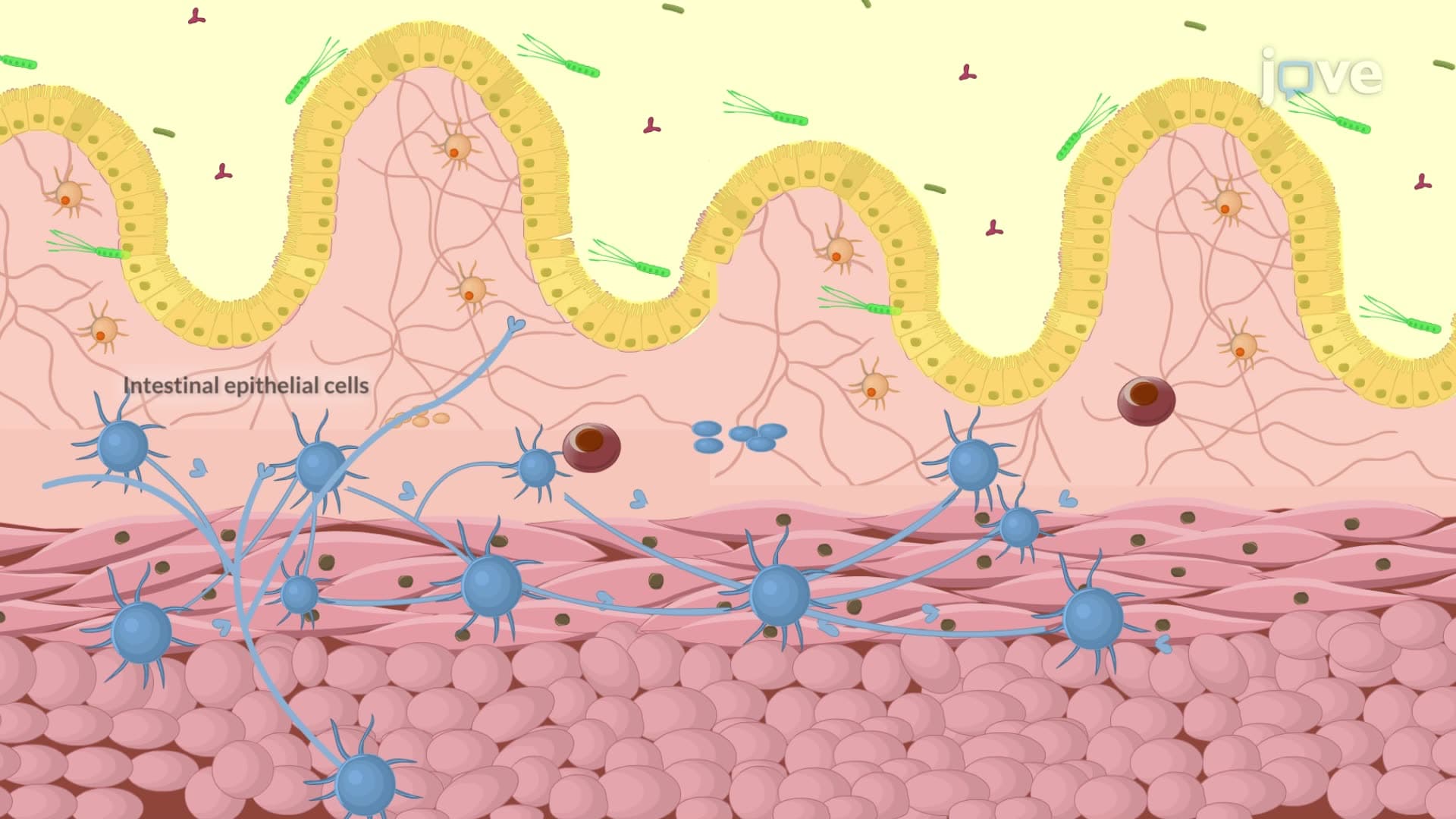





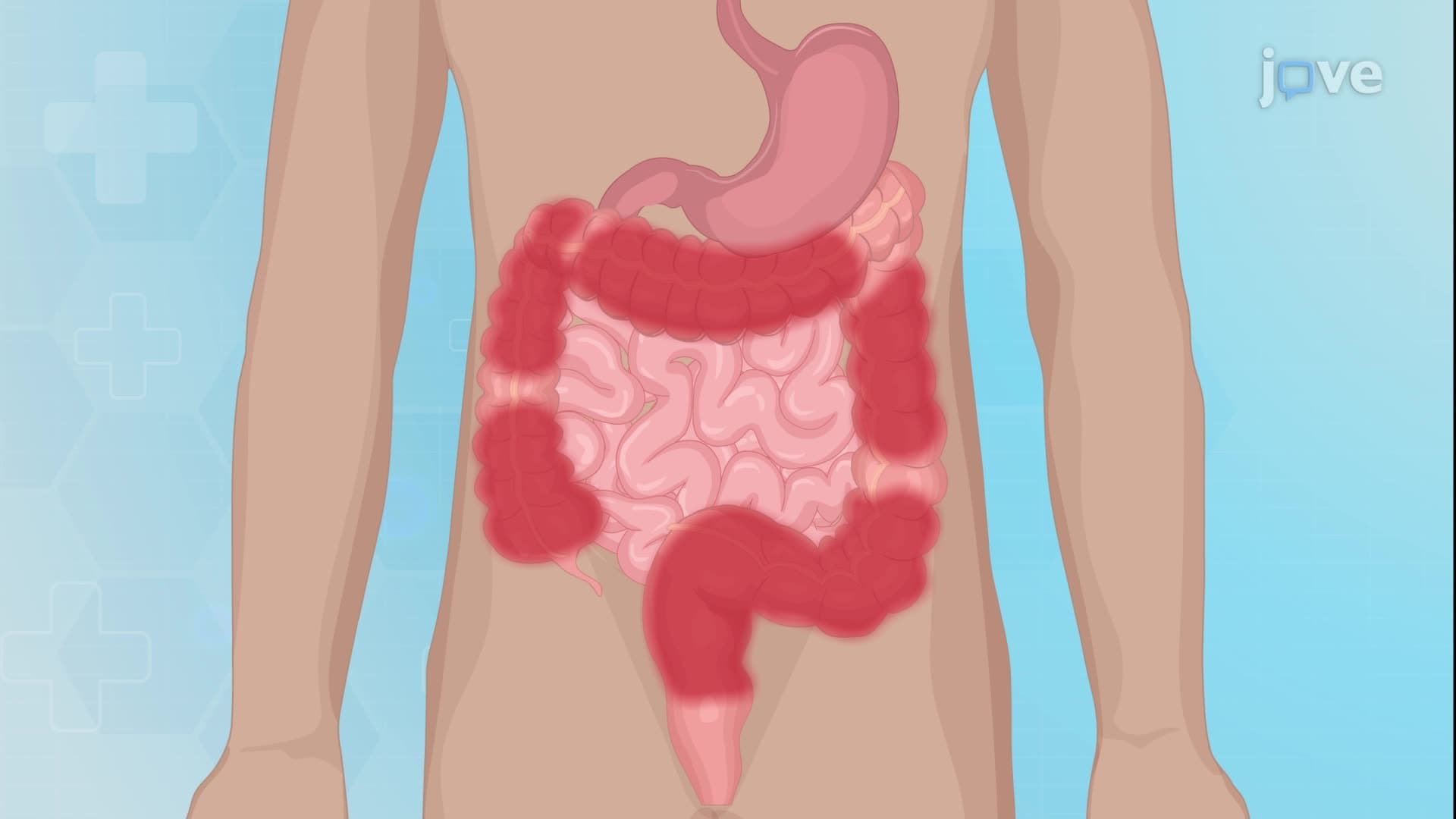
Intestinal disorders encompass a complex range of conditions affecting the gastrointestinal tract, from functional disorders like IBS to inflammatory conditions such as Crohn's disease and ulcerative colitis. This comprehensive course explores the pathophysiology, clinical manifestations, and evidence-based management strategies essential for understanding these prevalent conditions in US healthcare settings, with JoVE Coach providing clear explanations of diagnostic criteria and treatment protocols.
1. Irritable Bowel Syndrome Pathophysiology and Management: IBS represents a functional gastrointestinal disorder affecting millions of Americans, characterized by altered gut motility, visceral hypersensitivity, and neurotransmitter imbalances. The condition manifests in distinct subtypes including IBS-C (constipation-predominant), IBS-D (diarrhea-predominant), and IBS-M (mixed type). Diagnosis relies on Rome IV criteria requiring recurrent abdominal pain with specific defecation-related features. Management involves lifestyle modifications, dietary interventions including low-FODMAP protocols, and targeted pharmacotherapy. Nursing care emphasizes patient education about trigger identification, stress management techniques, and adherence to treatment regimens for optimal symptom control.
2. Acute and Chronic Pancreatitis Clinical Spectrum: Pancreatitis involves pancreatic inflammation ranging from acute episodes to chronic progressive disease causing permanent organ damage. Acute pancreatitis commonly results from gallstone obstruction or excessive alcohol consumption, leading to premature enzyme activation and autodigestion of pancreatic tissue. Clinical presentation includes severe epigastric pain radiating to the back, elevated serum lipase levels, and characteristic imaging findings. Chronic pancreatitis develops through persistent inflammation causing fibrosis and functional impairment. Management strategies include pain control, nutritional support through pancreatic enzyme replacement therapy, diabetes management, and surgical interventions when conservative measures fail.
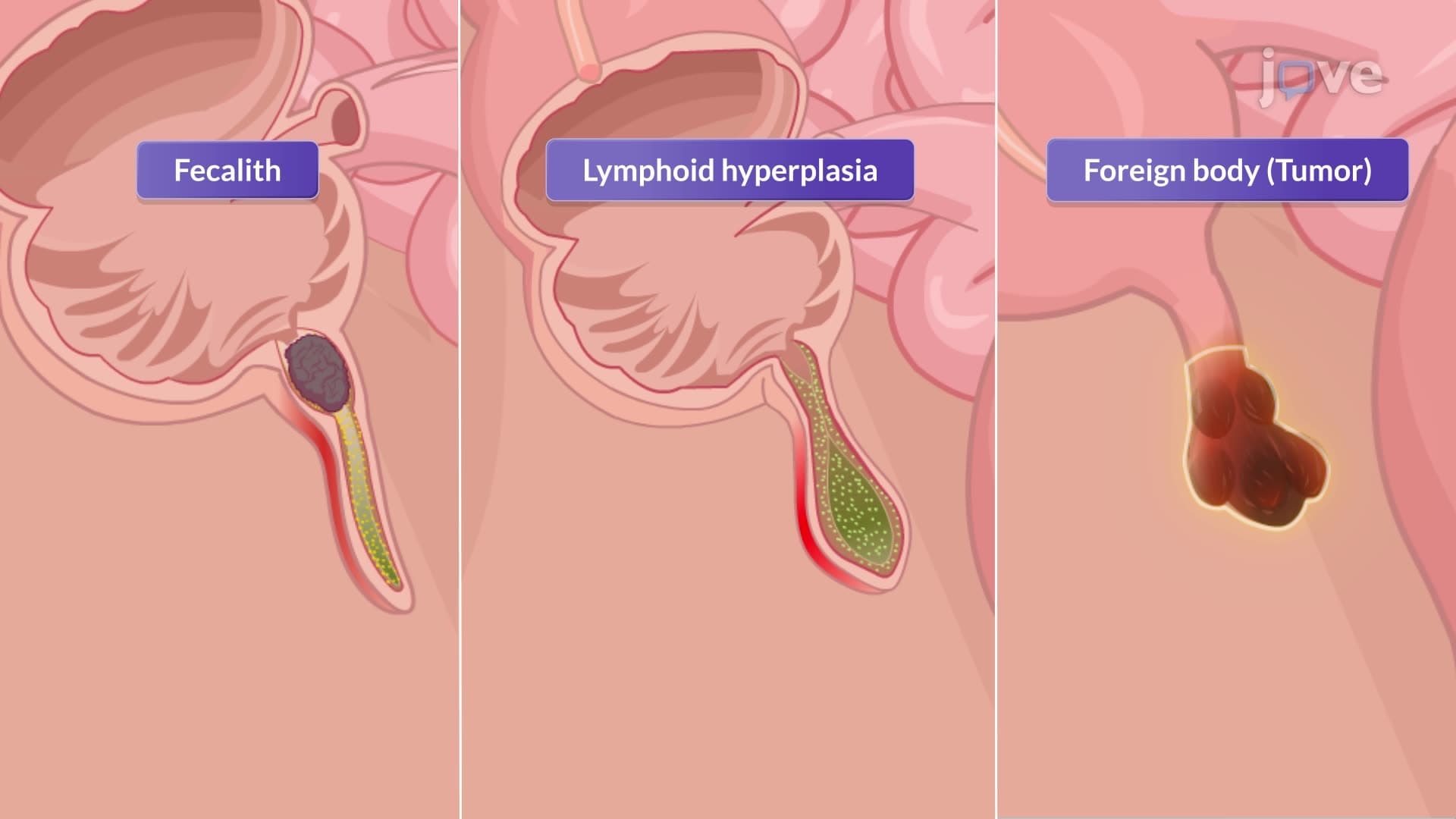
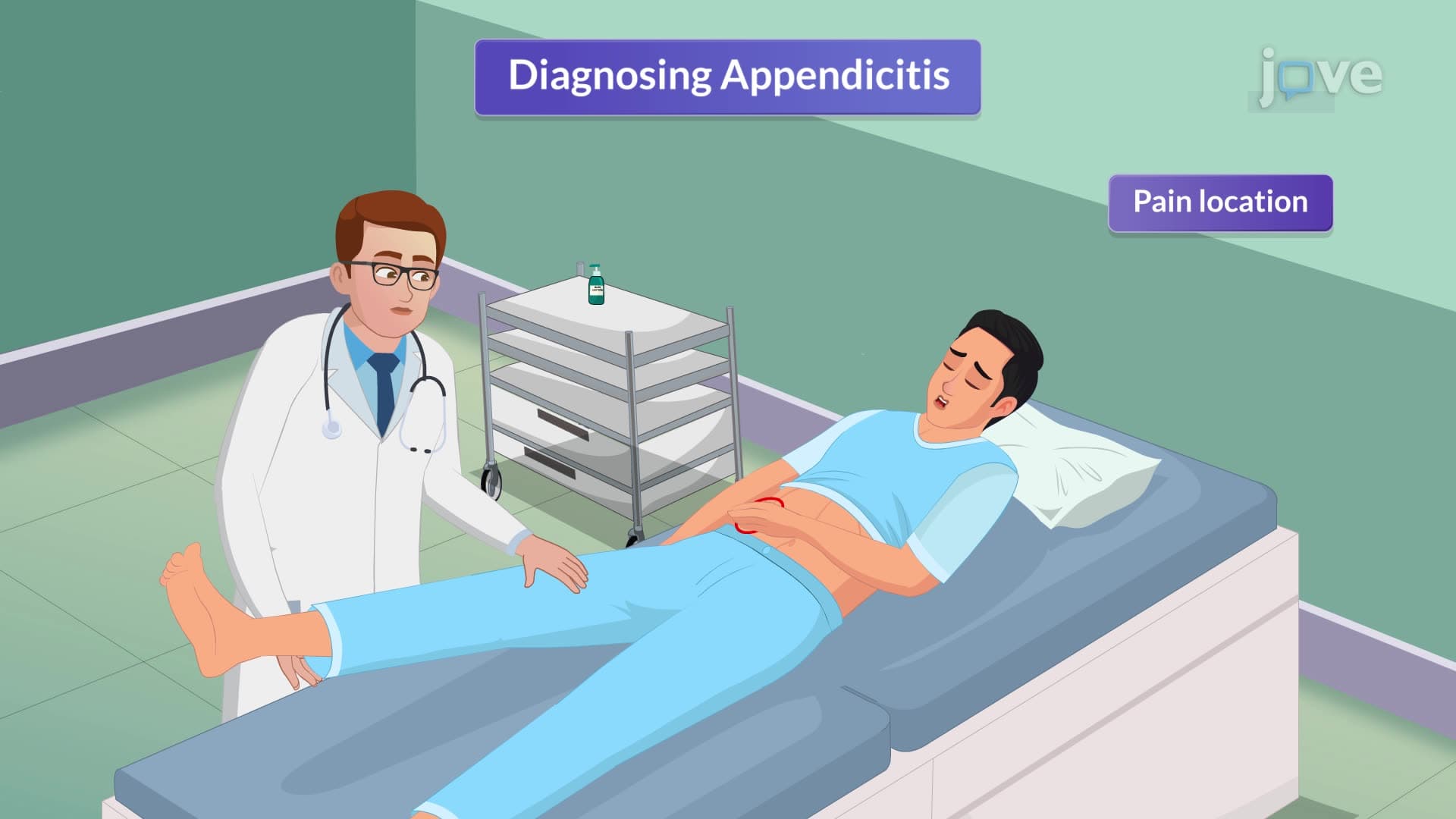
3. Appendicitis Pathogenesis and Surgical Management: Appendicitis remains the most common surgical emergency in US emergency departments, typically caused by appendiceal lumen obstruction from fecaliths or lymphoid hyperplasia. The pathological process begins with luminal distention, progressing to bacterial overgrowth and acute inflammation. Classic presentation involves periumbilical pain migrating to McBurney's point in the right lower quadrant, accompanied by fever, nausea, and leukocytosis. Diagnostic evaluation includes CT imaging and laboratory studies. Treatment primarily involves surgical intervention through laparoscopic or open appendectomy. Nursing care encompasses preoperative NPO status, postoperative pain management, early ambulation protocols, and comprehensive discharge education regarding activity restrictions and follow-up care.
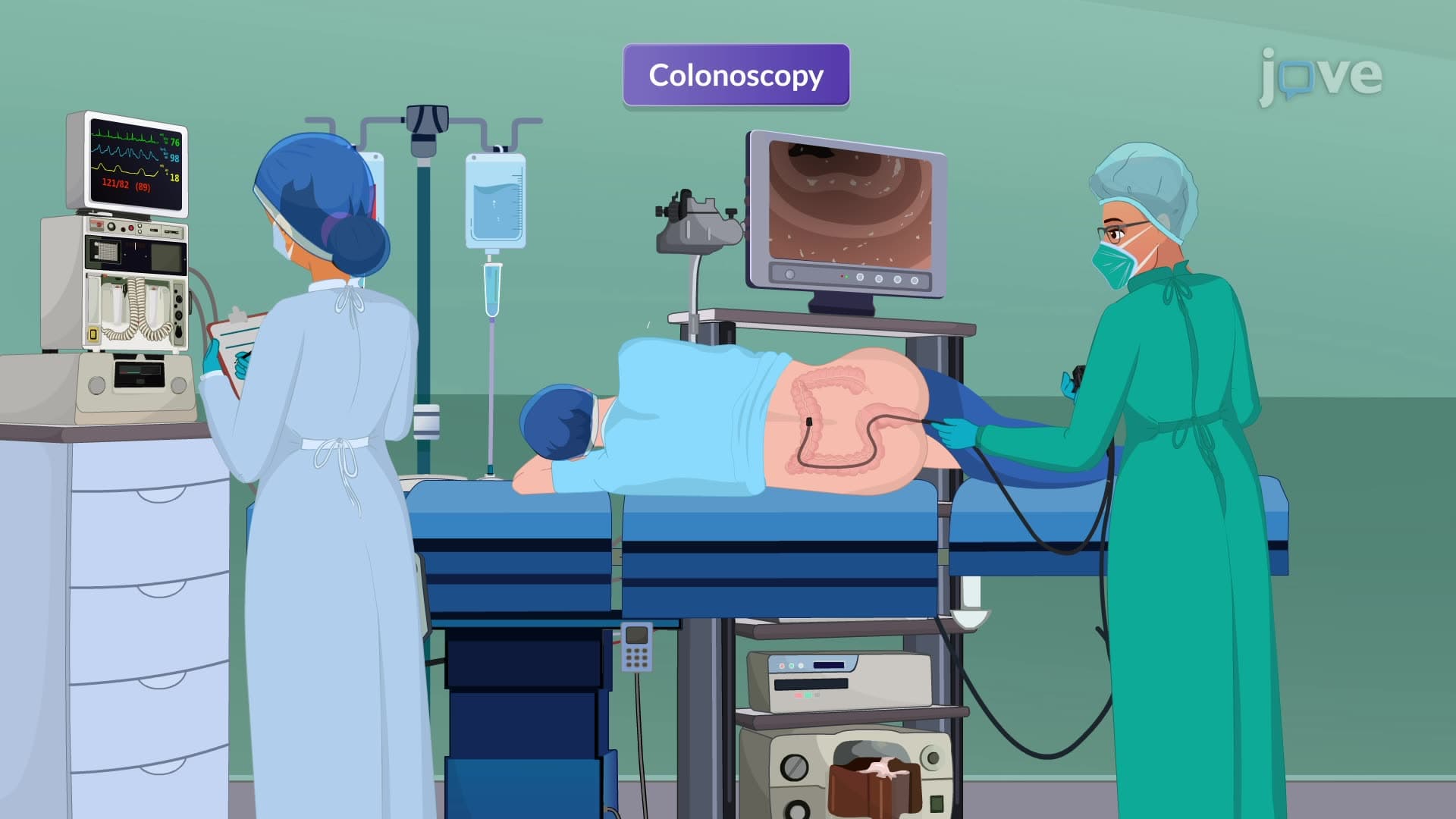
4. Inflammatory Bowel Disease: Crohn's Disease versus Ulcerative Colitis: IBD encompasses two distinct chronic inflammatory conditions affecting different portions of the gastrointestinal tract with unique pathological characteristics. Ulcerative colitis involves superficial mucosal inflammation limited to the colon and rectum, presenting with bloody diarrhea and left lower quadrant pain. Crohn's disease demonstrates transmural inflammation affecting any GI tract segment, commonly the terminal ileum, characterized by skip lesions, cobblestone appearance, and potential complications including fistulas and strictures. Both conditions share extraintestinal manifestations including arthritis, skin lesions, and eye involvement. Diagnostic evaluation requires colonoscopy with biopsy, imaging studies, and laboratory markers of inflammation.
5. Pharmacological Management of IBD: Modern IBD treatment utilizes a stepwise approach with multiple drug categories targeting different inflammatory pathways. Aminosalicylates like sulfasalazine serve as first-line therapy for mild to moderate disease by blocking prostaglandin production. Corticosteroids including prednisone provide rapid anti-inflammatory effects for acute flares but aren't suitable for long-term maintenance due to significant side effects. Immunomodulators such as azathioprine suppress T-cell function for sustained remission maintenance. Biologic therapies including TNF-alpha inhibitors and interleukin blockers target specific inflammatory mediators in refractory cases. Antibiotic therapy addresses complications like abscesses or bacterial overgrowth, particularly in Crohn's disease with fistulizing complications.
6. Surgical Interventions and Reconstructive Procedures: Surgical management becomes necessary when medical therapy fails to control IBD complications or symptoms significantly impact quality of life. Strictureplasty preserves bowel length while addressing narrowed segments in Crohn's disease. Small bowel resection removes severely diseased sections with anastomotic reconnection. For extensive ulcerative colitis, total proctocolectomy with permanent ileostomy provides definitive treatment. Restorative proctocolectomy with ileal pouch-anal anastomosis (IPAA) removes diseased tissue while maintaining continence through internal pouch creation. Continent ileostomy using Kock pouch construction offers an alternative for patients unsuitable for IPAA. Post-surgical nursing care focuses on stoma management, nutritional optimization, and complication prevention.