11 Concepts
5 Concepts
15 Concepts
11 Concepts
7 Concepts
10 Concepts
22 Concepts
11 Concepts
10 Concepts
8 Concepts
14 Concepts
17 Concepts
14 Concepts
19 Concepts
15 Concepts
16 Concepts
15 Concepts
7 Concepts
6 Concepts
7 Concepts
7 Concepts
27 Concepts
8 Concepts
9 Concepts
6 Concepts
10 Concepts
12 Concepts
10 Concepts
Urinary infections encompass a spectrum of bacterial conditions affecting the urinary system, from simple cystitis to complex pyelonephritis and nephrotic syndrome. This comprehensive course through JoVE Coach examines pathophysiology, diagnostic approaches, and evidence-based nursing management strategies essential for US healthcare practice, emphasizing UTI treatment nursing protocols and systematic management and prevention of urinary tract infections.
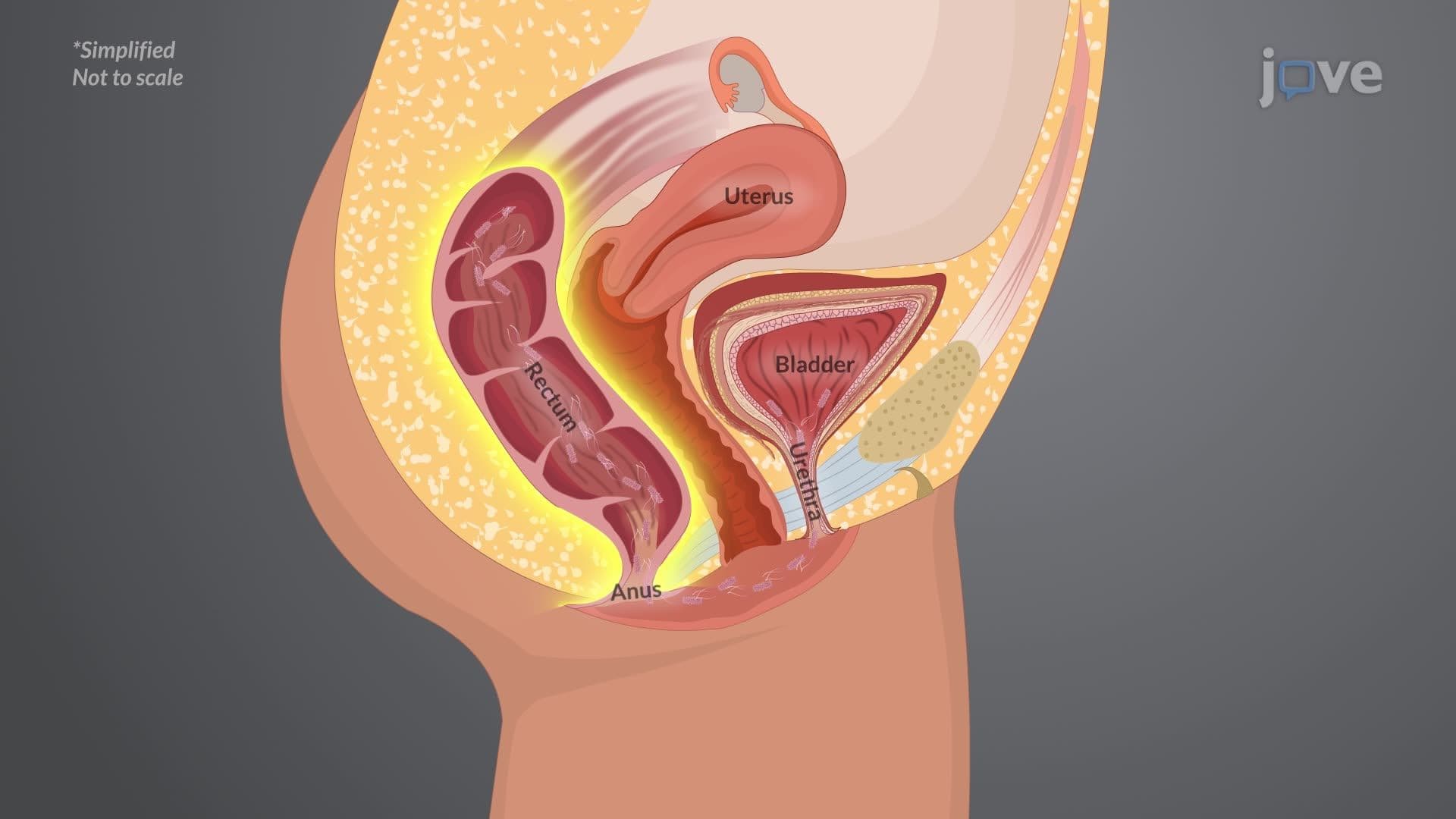
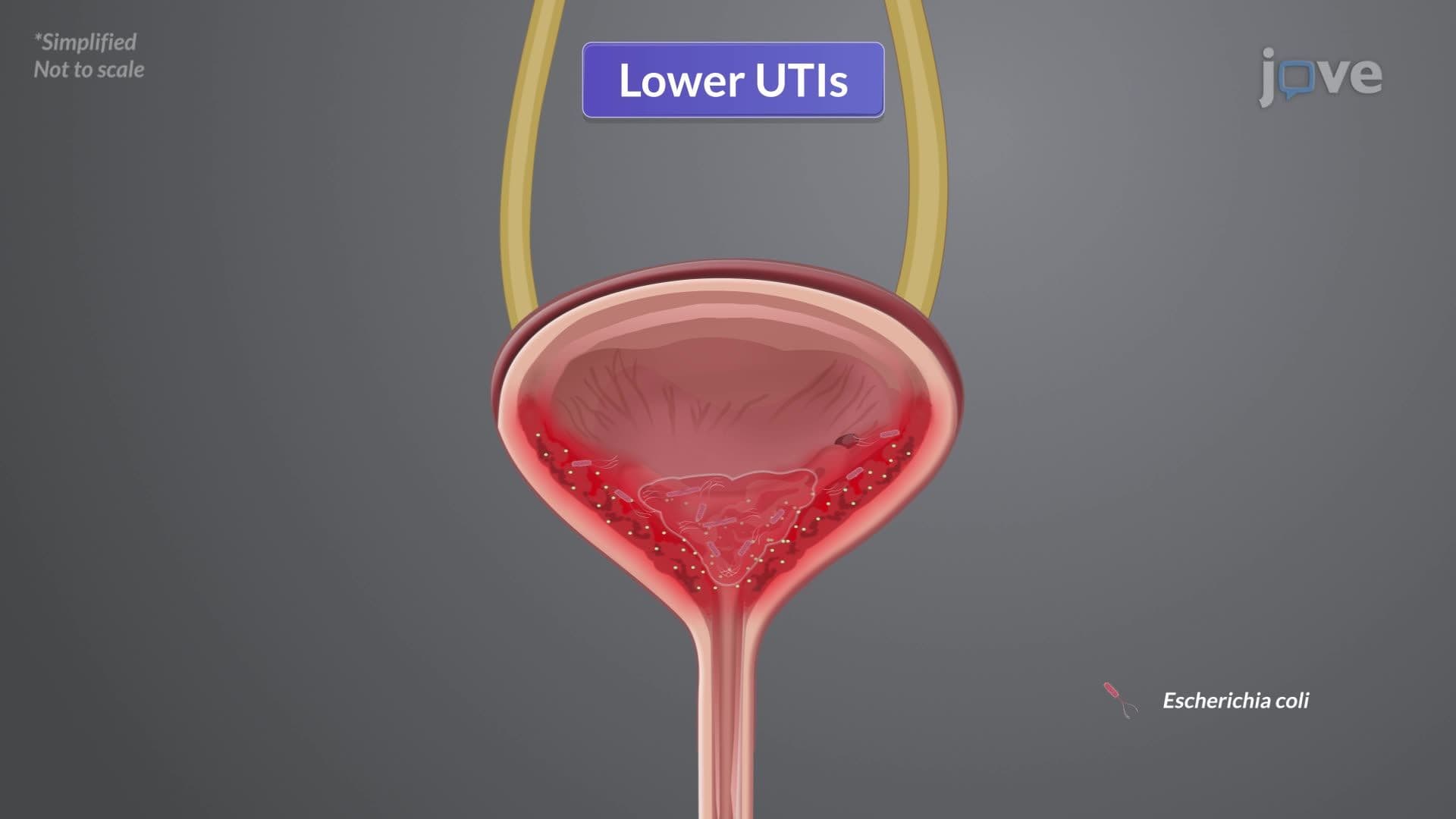
1. UTI Classification and Pathogenesis: Urinary tract infections are systematically classified by anatomical location (upper vs. lower) and complexity (complicated vs. uncomplicated). Lower UTIs include cystitis pyelonephritis affecting the bladder and urethritis involving the urethra, while upper UTIs like pyelonephritis affect kidney structures. The pathogenic process typically begins with bacterial migration from the gastrointestinal tract, commonly E. coli, which colonizes the periurethral area before ascending through the urinary system. Understanding this classification system is crucial for US nursing students preparing for NCLEX examinations, as it directly impacts treatment protocols and patient outcomes in American healthcare settings.
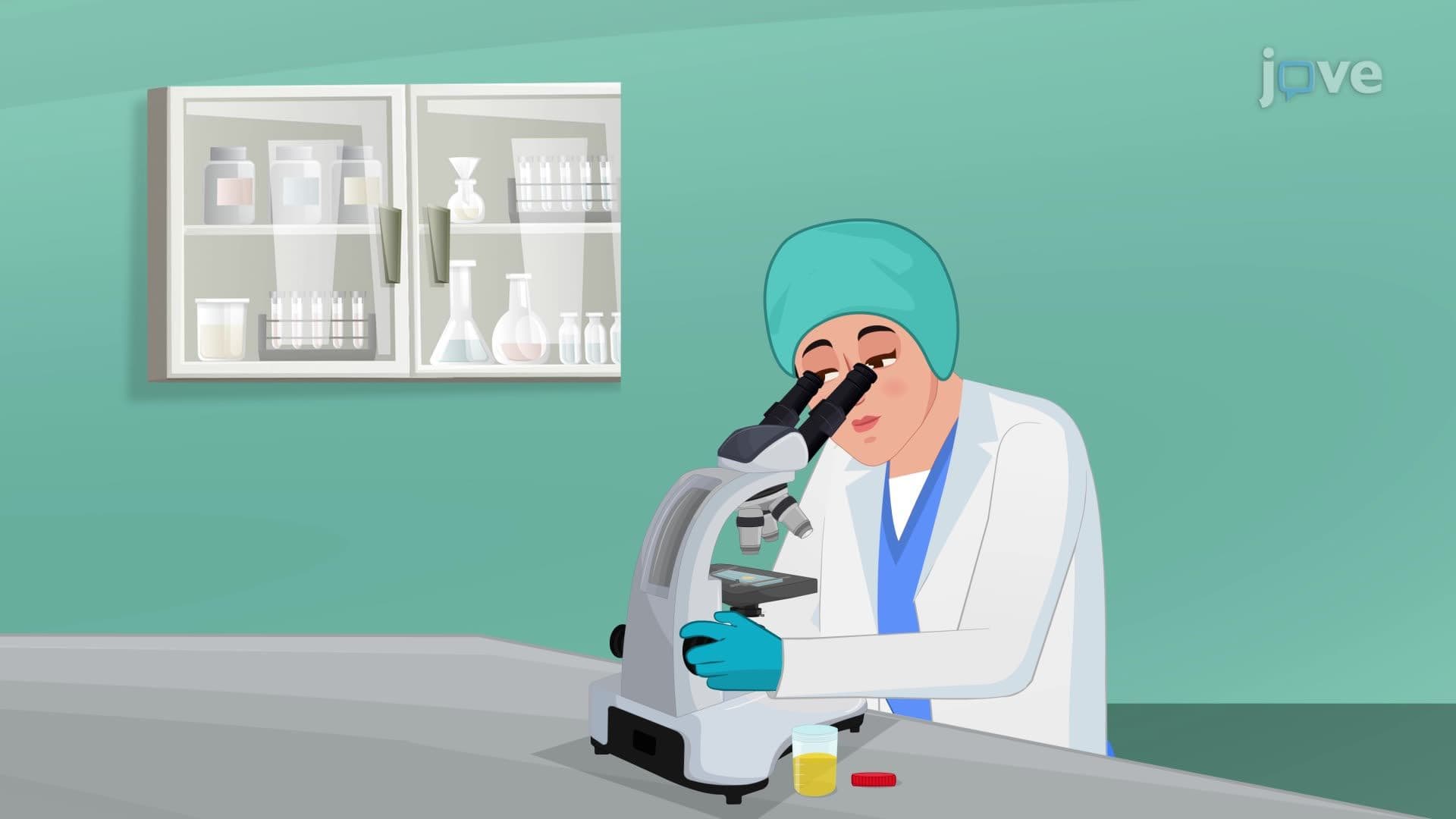
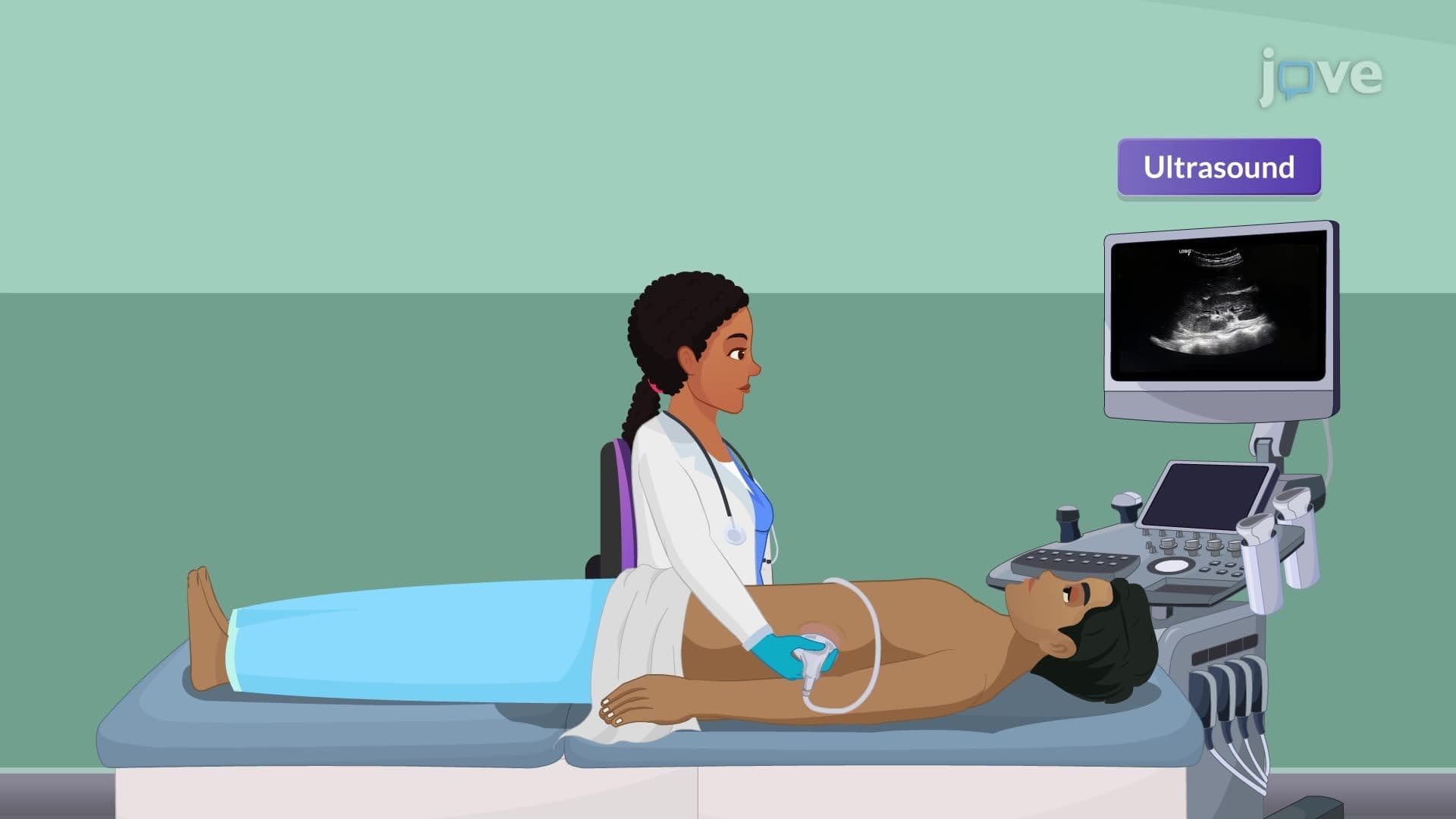
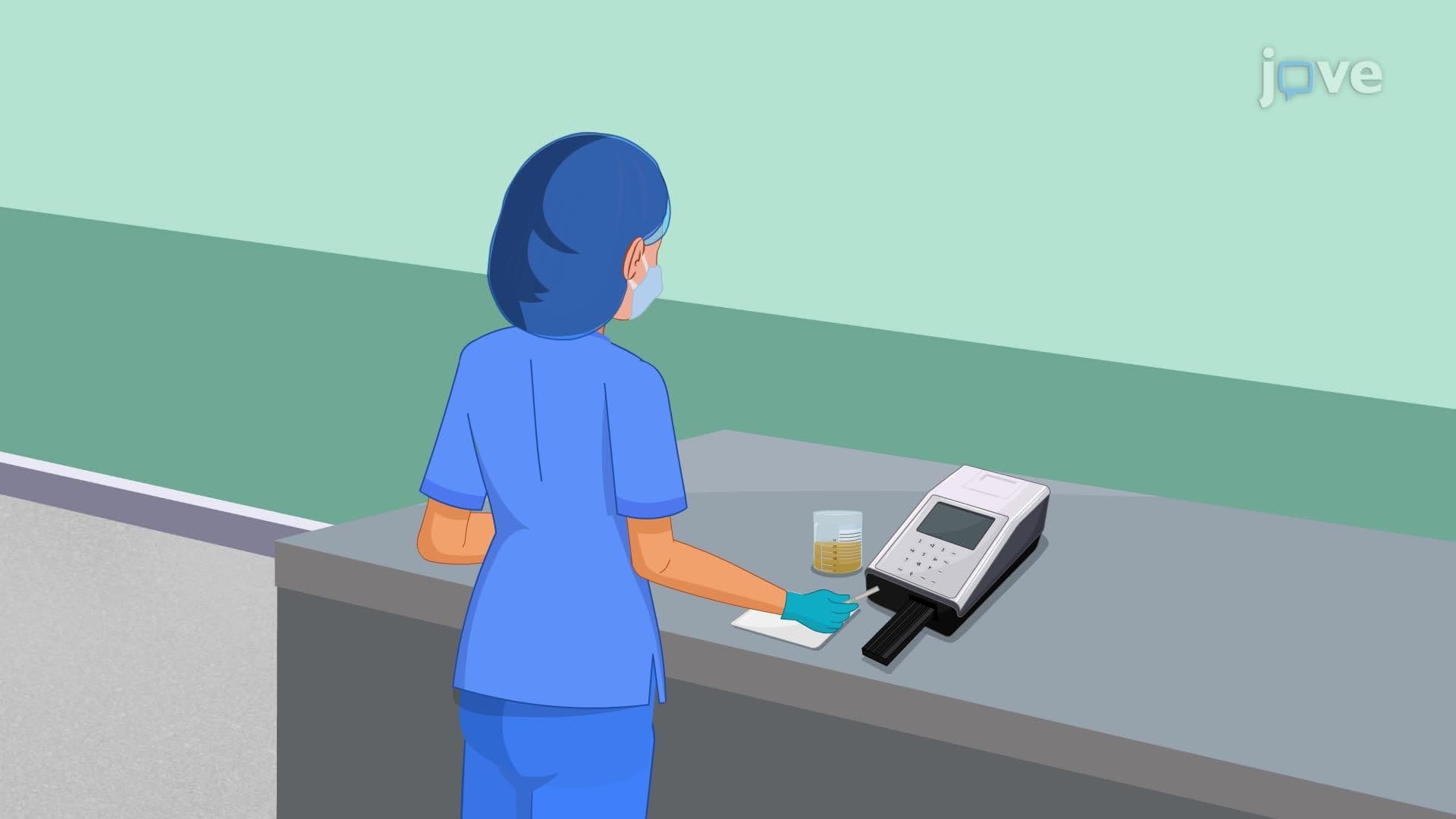
2. Diagnostic Approaches and Laboratory Interpretation: Comprehensive UTI diagnosis relies on multiple diagnostic modalities including urinalysis, urine culture with sensitivity testing, and advanced imaging when indicated. Urinalysis identifies key markers such as leukocyte esterase, nitrites, and bacterial presence, while urine cultures quantify bacterial growth with >100,000 CFU/mL typically indicating infection. UTI pathogens like Klebsiella pneumoniae and Proteus mirabilis require specific identification for targeted antibiotic UTI therapy. Advanced imaging including CT scans and cystoscopy helps identify structural abnormalities contributing to recurrent infections. These diagnostic skills are essential for nursing students and align with NCLEX competencies regarding infection control and diagnostic reasoning.
3. Evidence-Based Treatment Protocols: Antibiotic UTI selection follows established guidelines distinguishing between uncomplicated and complicated infections. Uncomplicated UTIs typically respond to first-line agents including trimethoprim-sulfamethoxazole, nitrofurantoin, or fosfomycin for 3-7 days. Complicated infections require broader-spectrum antibiotics with extended treatment duration. UTI treatment nursing protocols emphasize medication adherence, symptom monitoring, and patient education regarding completion of prescribed regimens. Catheter associated UTI prevention requires specific protocols including sterile insertion techniques and early removal when clinically appropriate. These evidence-based approaches reflect current American nursing practice standards and NCLEX expectations.
4. Nursing Management and Patient Education: Comprehensive UTI treatment nursing encompasses medication administration, patient education, and preventive care strategies. Nurses implement management and prevention of urinary tract infections through increased fluid intake recommendations, proper hygiene education, and lifestyle modifications. Key interventions include encouraging frequent urination, especially post-coital voiding, promoting cotton undergarments, and avoiding irritating feminine products. Patient assessment includes regular bladder palpation for retention, monitoring intake and output, and evaluating treatment response. These nursing competencies align with NCLEX-RN examination expectations and reflect current American nursing practice standards in medical-surgical settings.
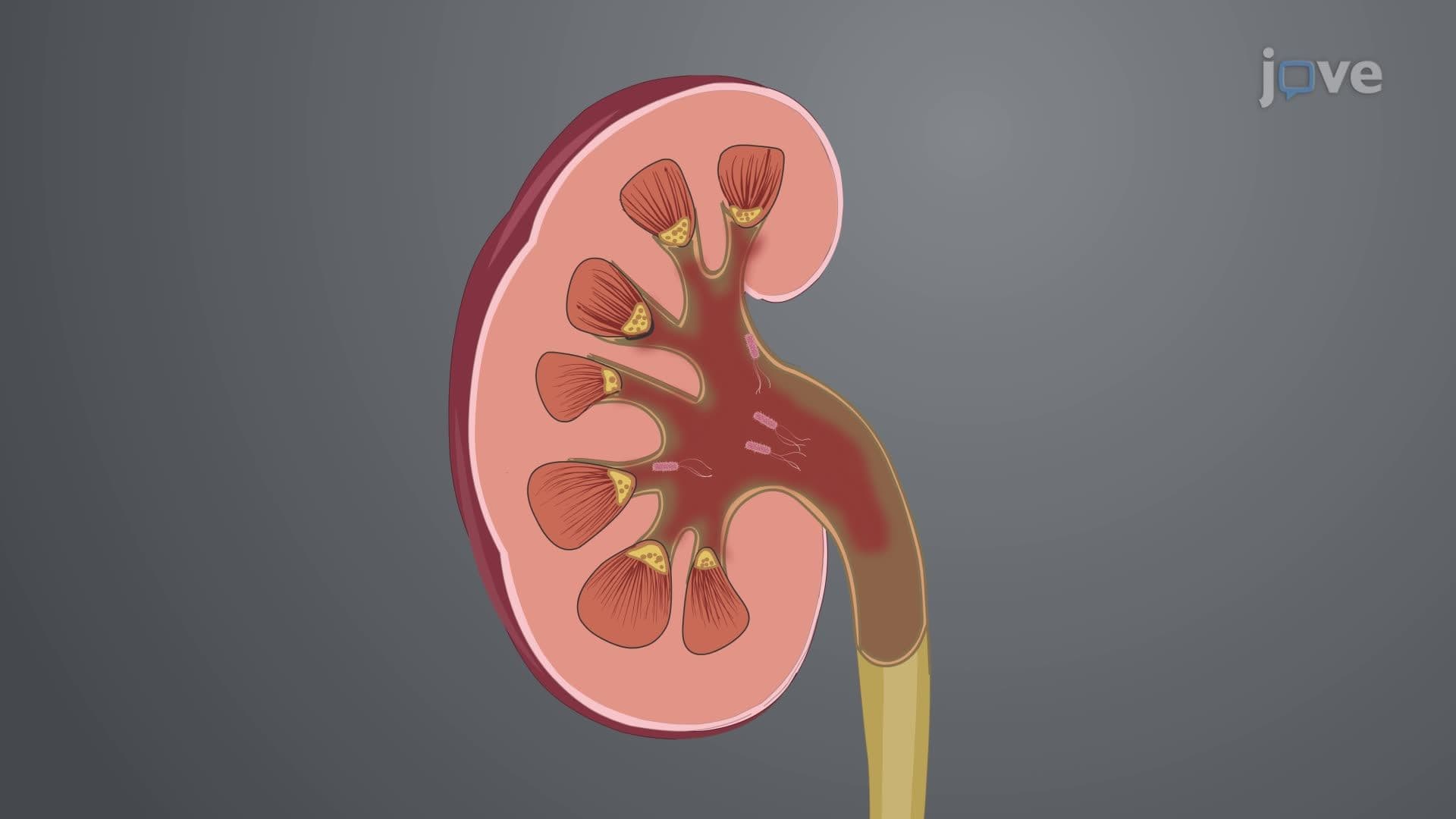
5. Pyelonephritis: Pathophysiology and Management: Acute pyelonephritis represents a serious upper urinary tract infection requiring prompt recognition and aggressive treatment. The condition typically develops through ascending infection from the bladder, with bacteria reaching renal tissue and triggering inflammatory responses. Clinical presentation includes high fever, chills, flank pain, and systemic symptoms requiring differentiation from simple cystitis. Treatment protocols vary based on severity, with outpatient management using oral fluoroquinolones or cephalosporins for mild cases, while severe presentations require hospitalization with IV antibiotics. Understanding pyelonephritis management is crucial for nursing students preparing for NCLEX examinations and medical students studying for USMLE assessments.
6. Nephrotic Syndrome: Renal Complications and Care: Nephrotic syndrome represents a complex kidney disorder characterized by massive proteinuria, hypoalbuminemia, edema, and hyperlipidemia. The pathophysiology involves glomerular injury affecting podocytes, allowing protein loss that disrupts oncotic pressure and causes fluid retention. Primary causes include focal segmental glomerulosclerosis, while secondary causes encompass diabetes, infections, and certain medications. Nursing management focuses on edema monitoring through daily weights, intake/output documentation, and skin care to prevent breakdown. Urinary infection prevention becomes critical as patients face increased susceptibility to complications. This complex topic appears frequently in advanced nursing examinations and medical school curricula.