11 Concepts
5 Concepts
15 Concepts
11 Concepts
7 Concepts
10 Concepts
22 Concepts
11 Concepts
10 Concepts
8 Concepts
14 Concepts
17 Concepts
14 Concepts
19 Concepts
15 Concepts
16 Concepts
15 Concepts
7 Concepts
6 Concepts
7 Concepts
7 Concepts
27 Concepts
8 Concepts
9 Concepts
6 Concepts
10 Concepts
12 Concepts
10 Concepts
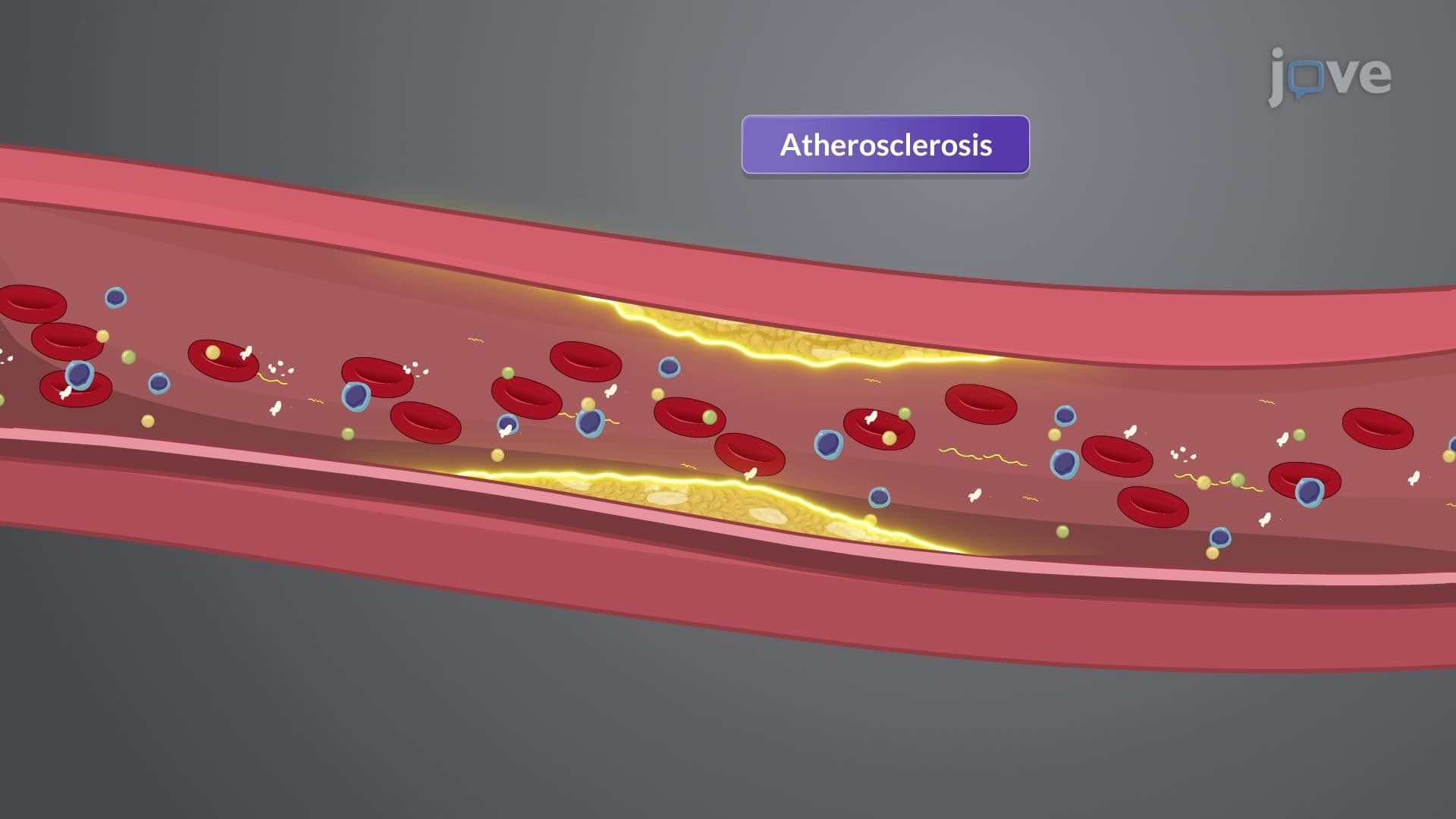
Coronary artery disease represents the leading cause of death in the United States, affecting over 18 million Americans annually. This comprehensive JoVE Coach micro-course explores the pathophysiology of atherosclerotic plaque formation, clinical manifestations ranging from stable angina to acute myocardial infarction, and evidence-based heart attack prevention treatment strategies including pharmacological interventions and revascularization procedures used in US healthcare systems.
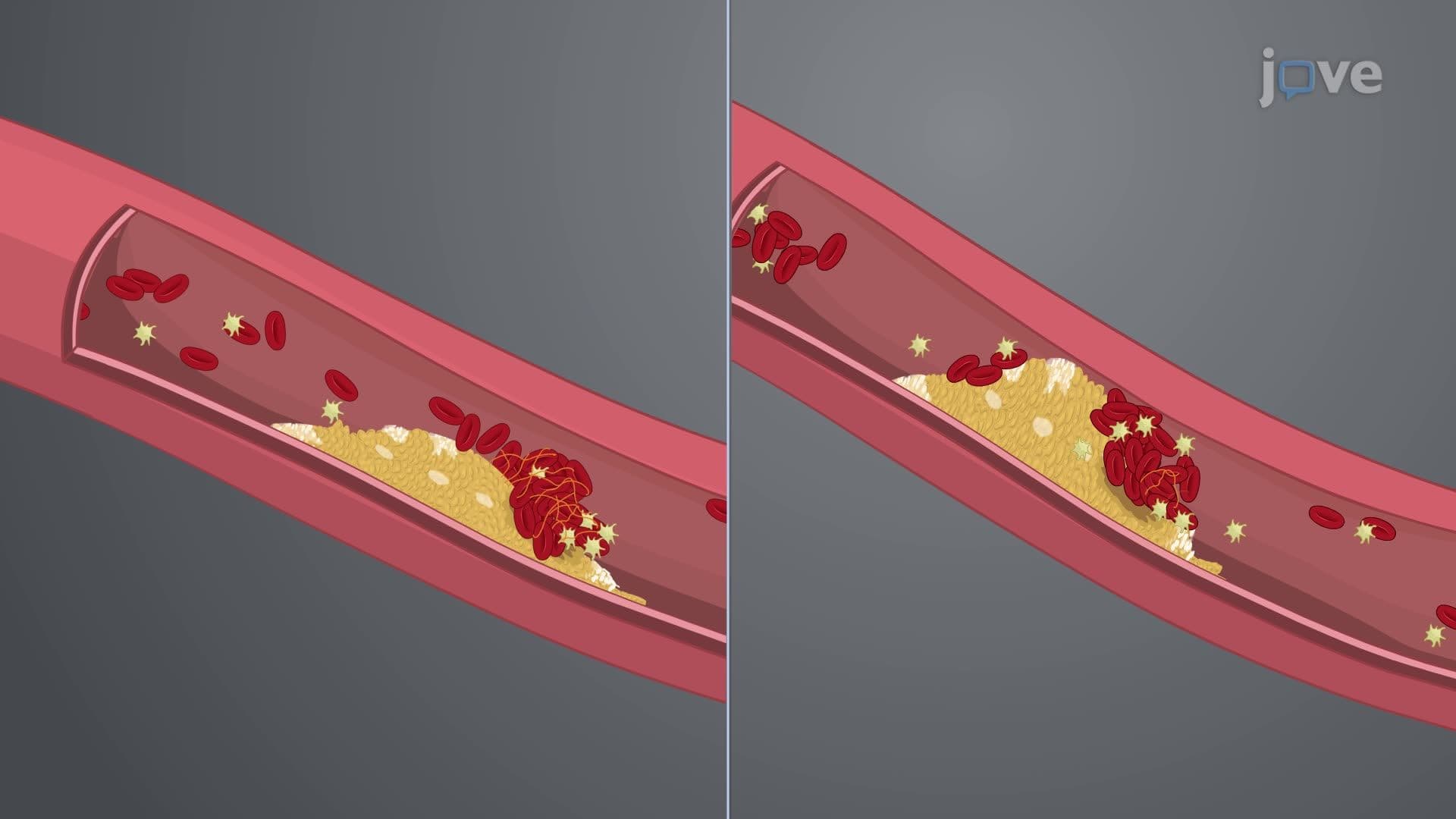
1. Atherosclerosis and Plaque Formation The pathophysiology and management of coronary artery disease begins with understanding atherosclerotic plaque development. Endothelial damage triggers inflammatory responses, allowing LDL cholesterol penetration into arterial walls. Macrophages consume oxidized lipids, forming foam cells that create fatty streaks. Smooth muscle cell migration produces fibrous caps over lipid cores, forming stable or unstable plaques. Plaque rupture exposes thrombogenic material, initiating clot formation that can completely occlude coronary arteries. This process underlies conditions treated at major US medical centers like Cleveland Clinic and Mayo Clinic, where advanced imaging techniques help visualize plaque characteristics and guide treatment decisions.
2. Risk Factor Assessment and Prevention Strategies Comprehensive risk stratification divides factors into modifiable and non-modifiable categories. Age, gender, and family history represent non-modifiable risks, with men over 45 and women over 55 showing increased susceptibility. Modifiable factors include hypertension (affecting 116 million US adults), dyslipidemia, diabetes mellitus, obesity, smoking, and sedentary lifestyle. Heart attack prevention treatment focuses on maintaining LDL cholesterol below 100 mg/dL (or 70 mg/dL for high-risk patients), achieving target blood pressure below 130/80 mmHg, and implementing lifestyle modifications. The American Heart Association's Life's Simple 7 guidelines provide evidence-based recommendations widely used in US preventive cardiology programs.
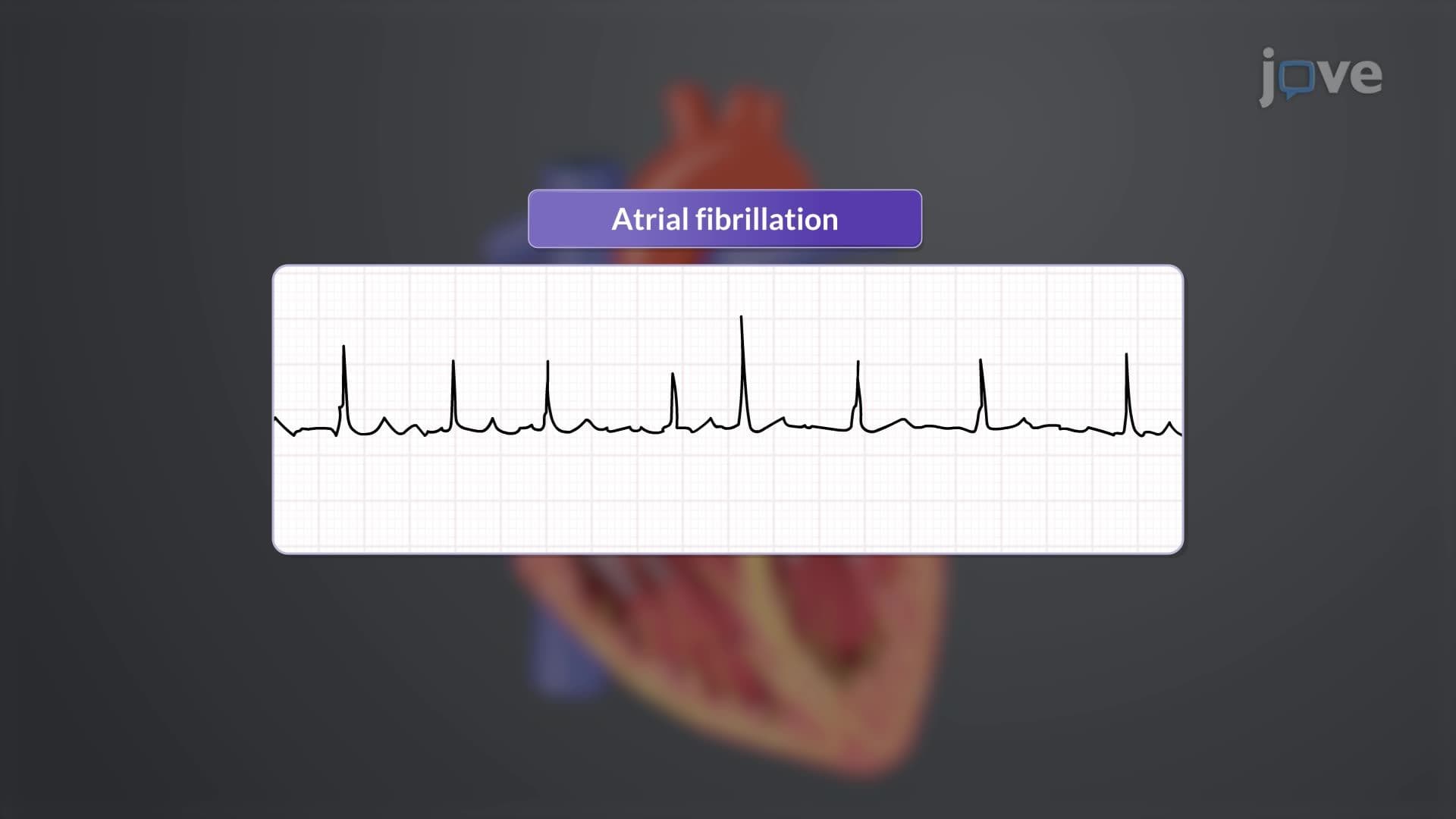
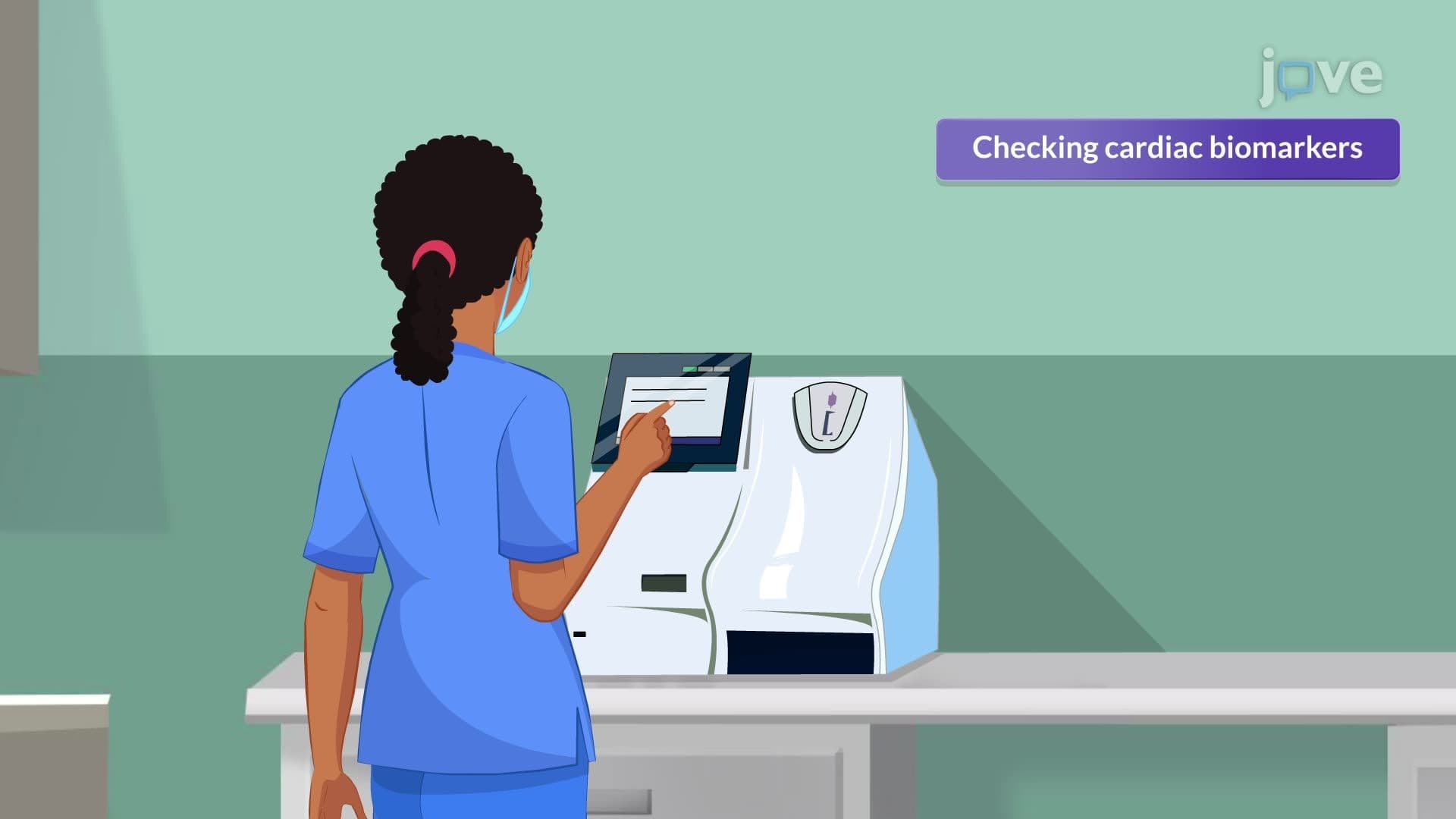
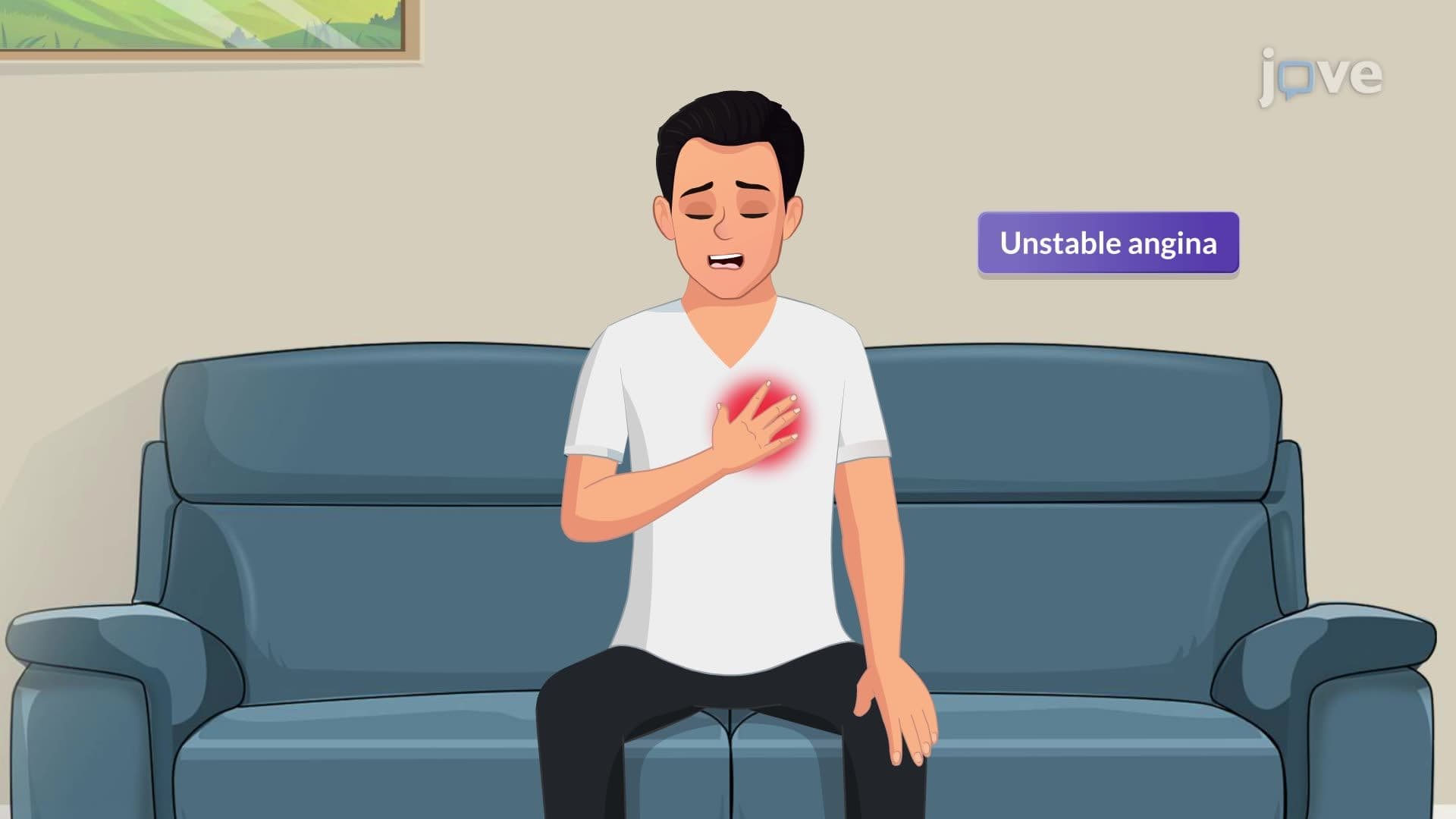
3. Clinical Manifestations and Diagnostic Approaches Coronary artery disease presents across a spectrum from asymptomatic ischemic heart disease to life-threatening acute coronary syndromes. Classic angina symptoms include substernal chest pressure radiating to left arm, jaw, or back, often described as "elephant sitting on chest." Women may present with atypical symptoms including epigastric discomfort, unexplained fatigue, or isolated dyspnea. Diagnostic evaluation combines clinical assessment, 12-lead electrocardiography showing ST-segment changes, cardiac biomarkers (troponin I/T, CK-MB), and imaging studies. Exercise stress testing, performed at cardiac catheterization laboratories nationwide, helps identify inducible ischemia and guides treatment strategies used in major US hospital systems.
4. Acute Coronary Syndromes and Emergency Management Acute coronary syndromes encompass unstable angina, NSTEMI, and STEMI, representing medical emergencies requiring immediate intervention. STEMI patients receive primary percutaneous coronary intervention within 90 minutes of presentation, following American College of Cardiology guidelines implemented across US emergency departments. Myocardial infarction management includes antiplatelet therapy (aspirin, clopidogrel), anticoagulation (heparin), beta-blockers, and ACE inhibitors. Time-sensitive treatments like thrombolytic therapy or emergency angioplasty can salvage myocardium and reduce mortality. Major trauma centers and cardiac catheterization laboratories maintain 24/7 capabilities to provide life-saving interventions, with outcomes tracked through national registries like the National Cardiovascular Data Registry.
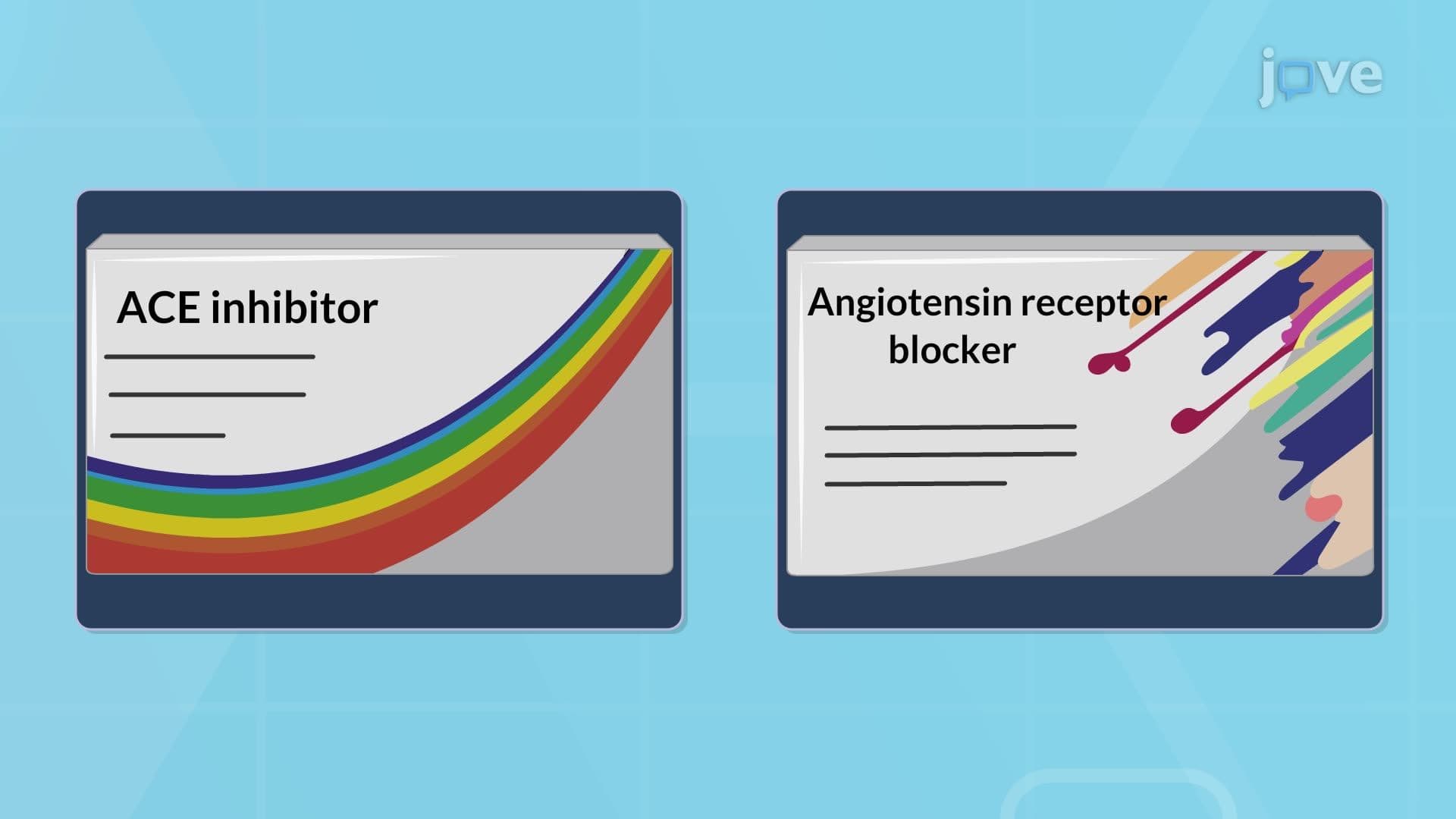
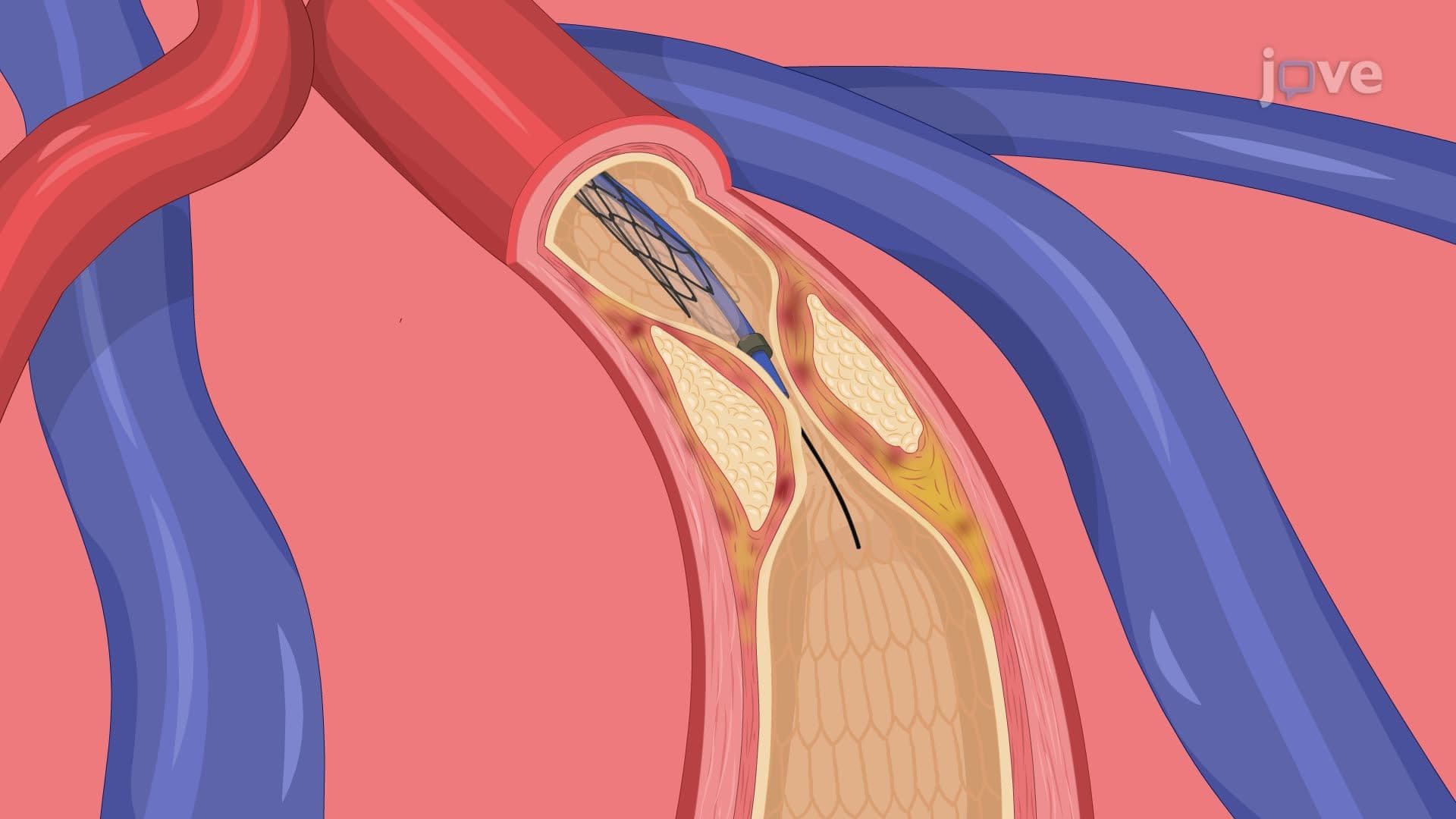
5. Pharmacological and Interventional Therapies Comprehensive CAD management combines evidence-based medications with procedural interventions. First-line pharmacotherapy includes atherosclerosis management with high-intensity statins (atorvastatin, rosuvastatin), antiplatelet agents, beta-blockers, and ACE inhibitors or ARBs. When medical therapy proves insufficient, revascularization procedures restore coronary perfusion. Percutaneous coronary intervention involves balloon angioplasty with stenting, typically using drug-eluting stents to prevent restenosis. Complex cases may require coronary artery bypass grafting, where saphenous vein or internal mammary artery grafts bypass occluded vessels. These procedures, performed at specialized cardiac centers throughout the United States, have dramatically improved outcomes for patients with advanced coronary disease.
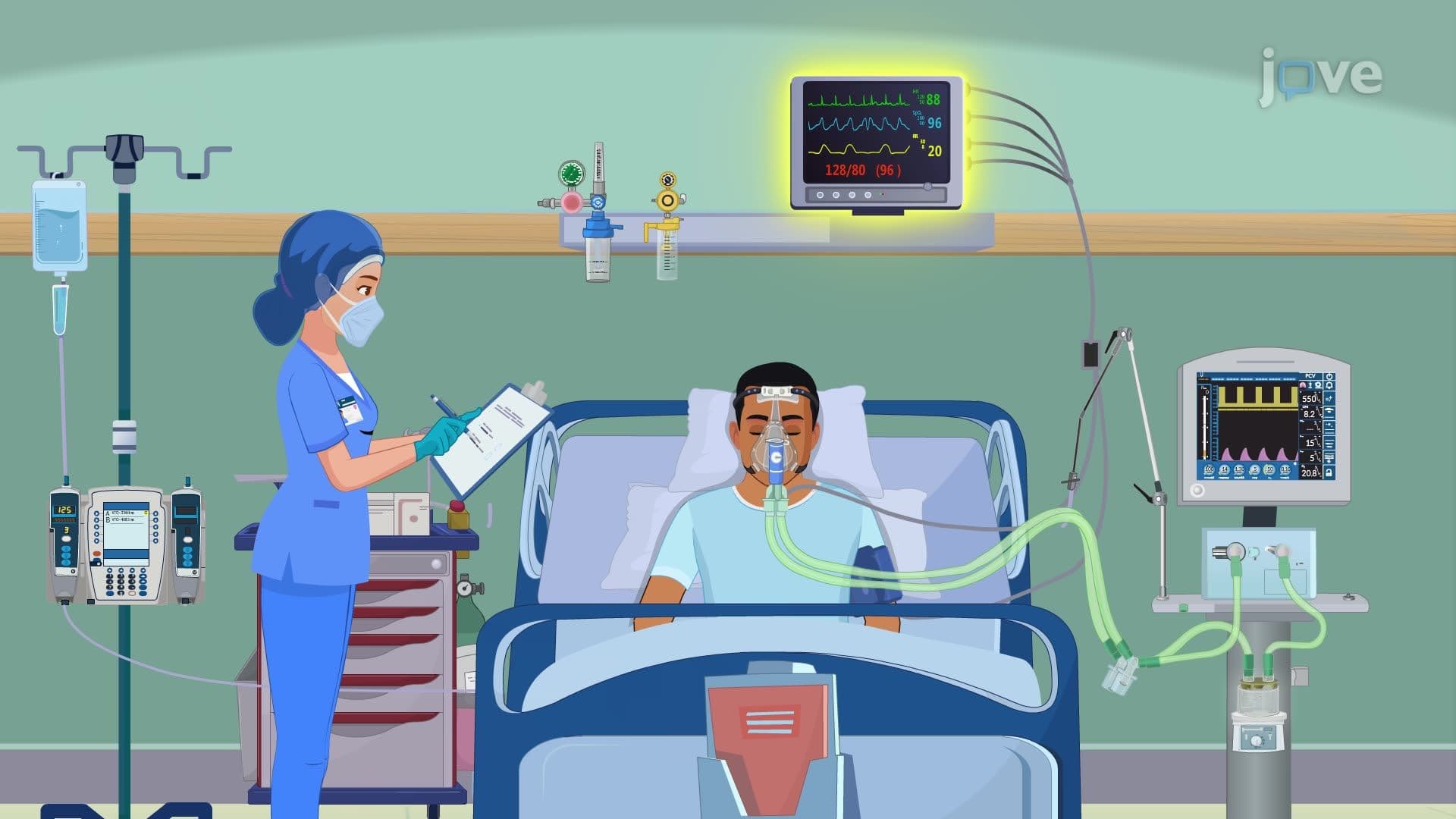
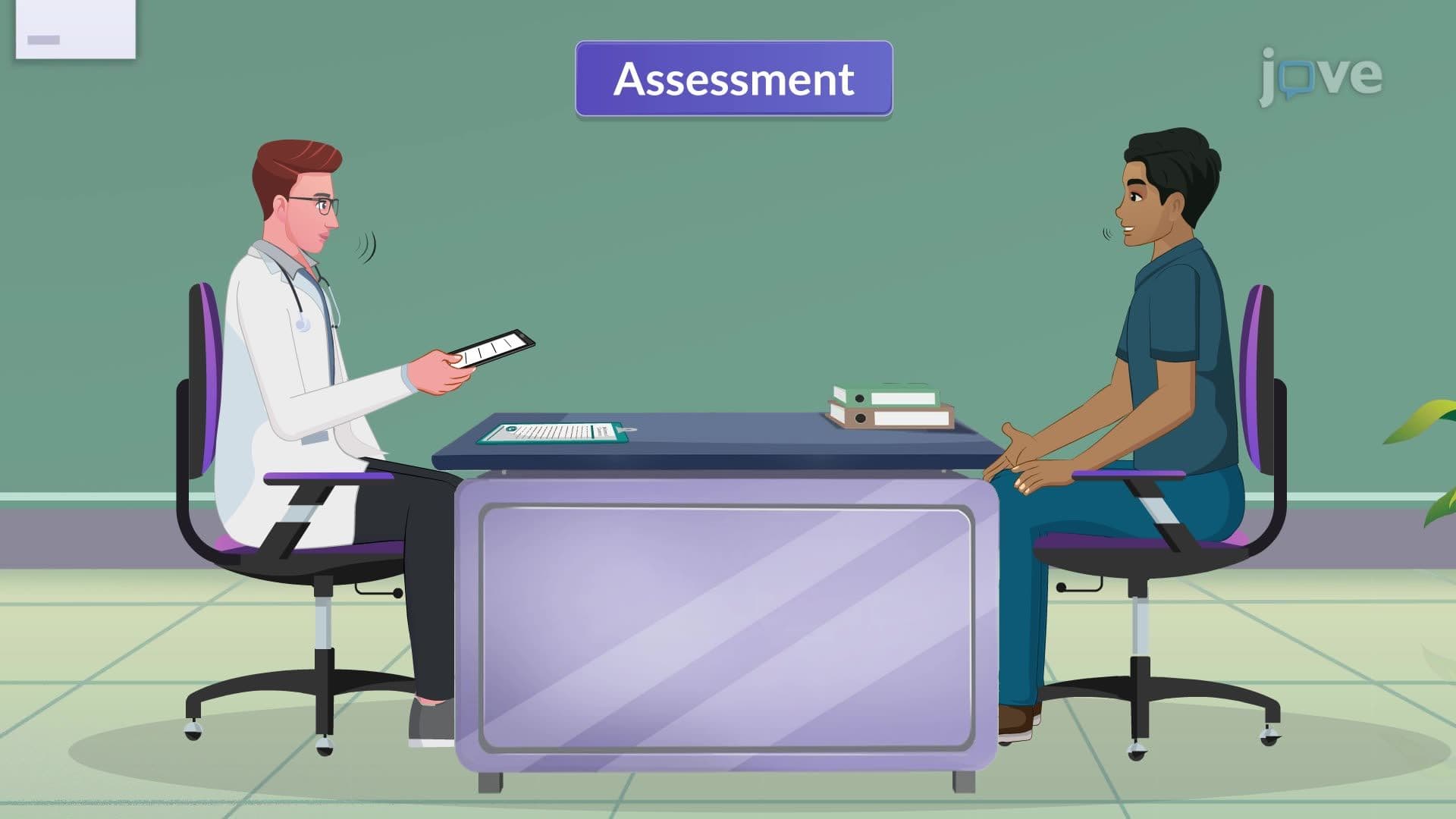
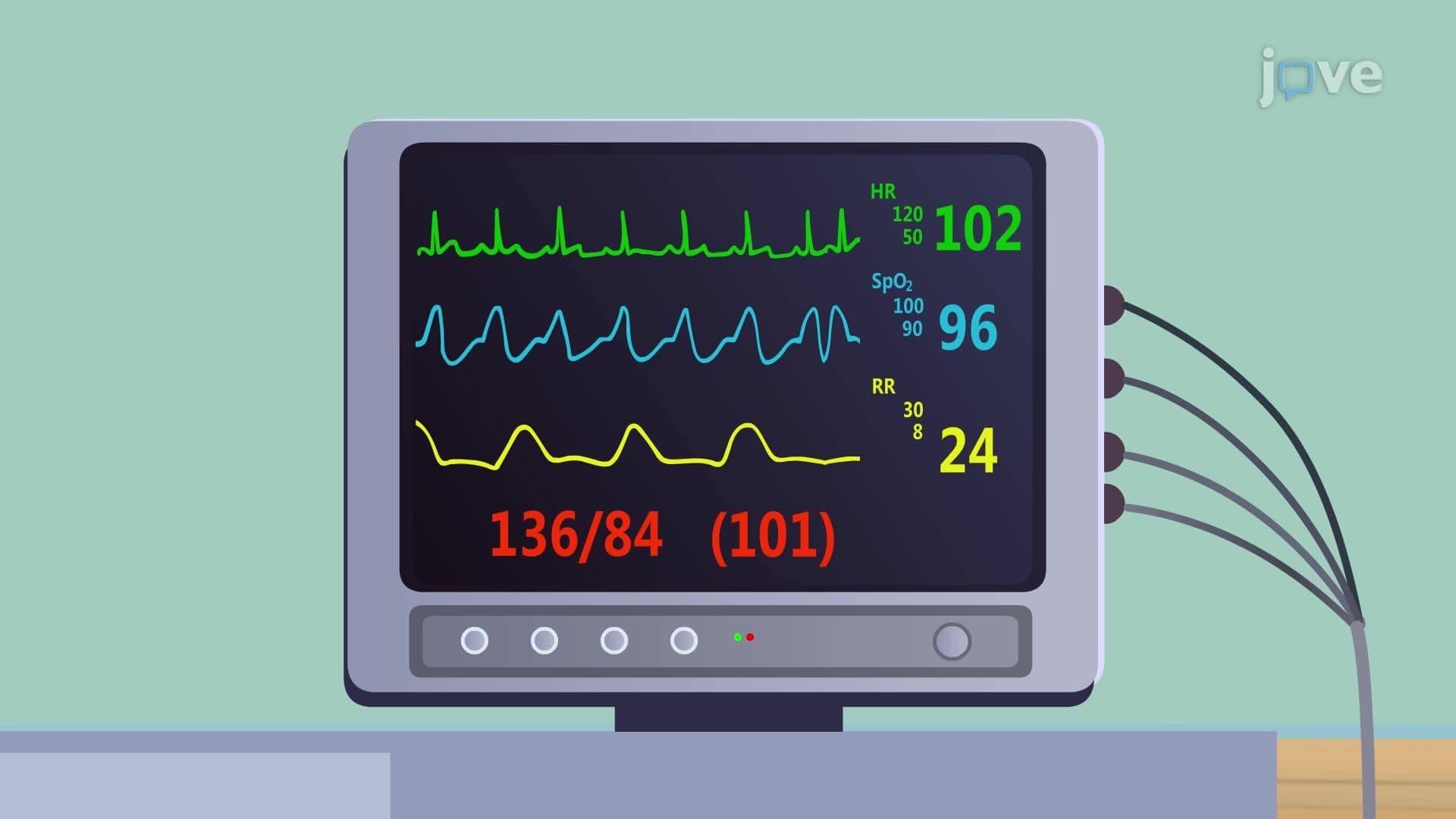
6. Nursing Management and Patient Care Comprehensive nursing assessment includes detailed symptom evaluation, risk factor identification, and ongoing cardiac monitoring. Nursing diagnoses address acute pain related to myocardial ischemia, decreased cardiac output from impaired contractility, and knowledge deficit regarding disease management. Interventions include positioning patients in high Fowler's position, administering oxygen for hypoxemia, monitoring ECG rhythms for arrhythmias, and providing patient education about medication compliance. Pain assessment using 0-10 numeric scales helps guide analgesic administration, while continuous telemetry monitoring detects life-threatening arrhythmias. Discharge planning emphasizes medication adherence, activity restrictions, and recognition of symptoms requiring immediate medical attention, following protocols established by organizations like the American Association of Critical-Care Nurses.