11 Concepts
5 Concepts
15 Concepts
11 Concepts
7 Concepts
10 Concepts
22 Concepts
11 Concepts
10 Concepts
8 Concepts
14 Concepts
17 Concepts
14 Concepts
19 Concepts
15 Concepts
16 Concepts
15 Concepts
7 Concepts
6 Concepts
7 Concepts
7 Concepts
27 Concepts
8 Concepts
9 Concepts
6 Concepts
10 Concepts
12 Concepts
10 Concepts
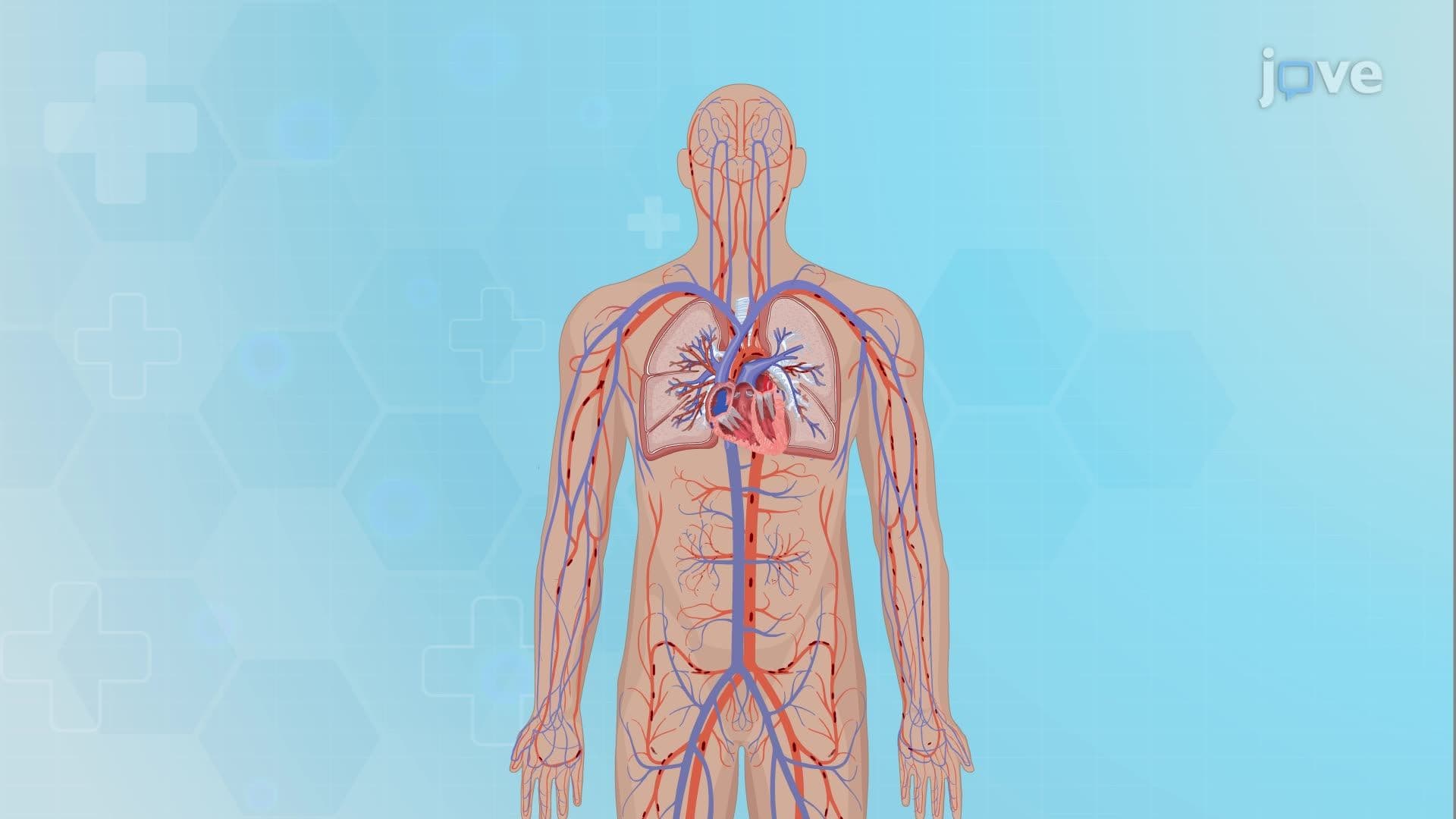
Congestive cardiac failure represents a complex clinical syndrome where the heart cannot pump sufficient blood to meet the body's metabolic demands. This JoVE Coach micro-course explores the pathophysiology from initial myocardial damage through compensatory mechanisms, covering acute and chronic management strategies, nursing interventions, and advanced therapies used in US healthcare settings to optimize patient outcomes.
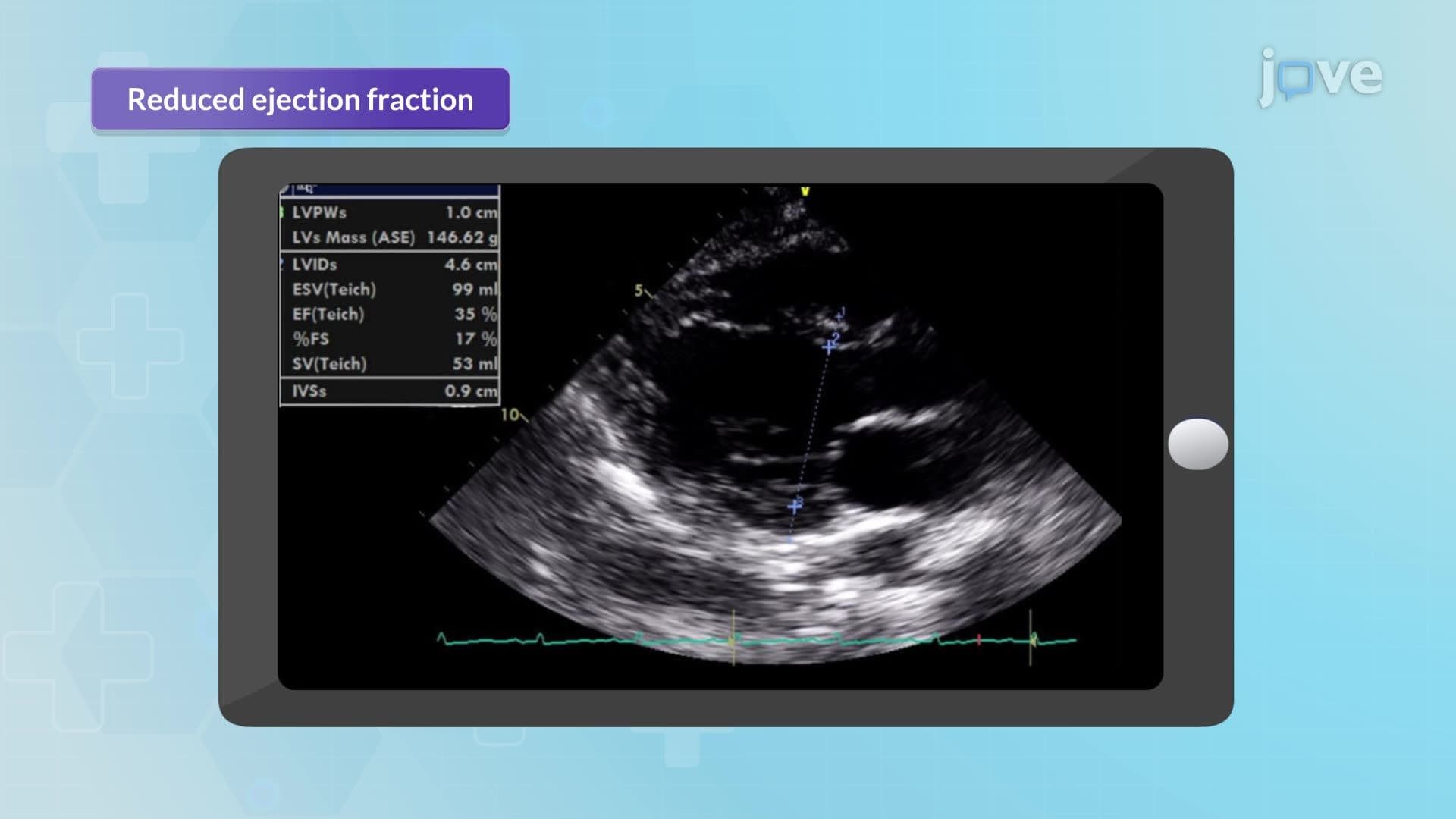
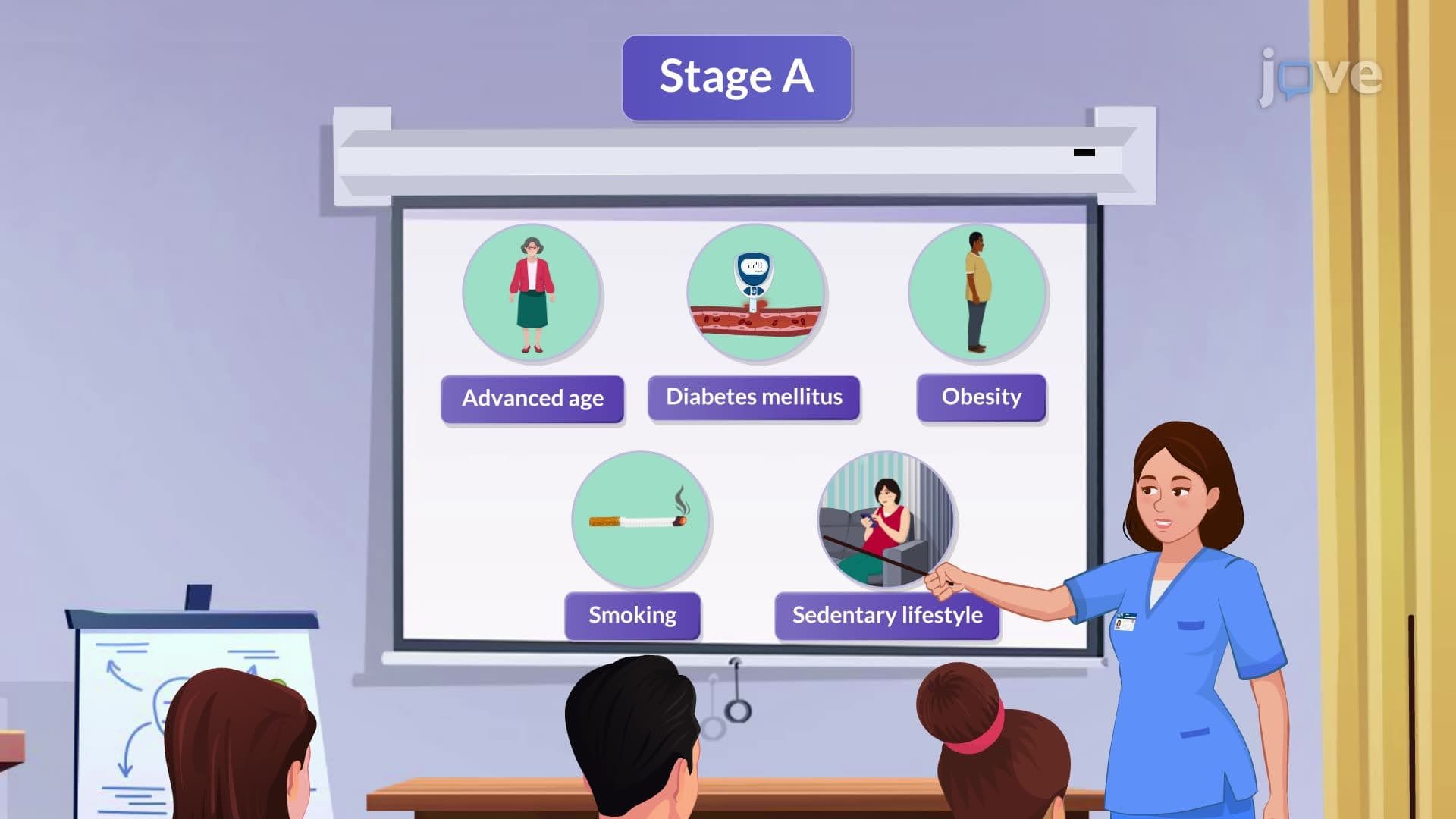
1. Pathophysiological Mechanisms and Cardiac Output Determinants: Heart failure develops when structural or functional cardiac disorders compromise the heart's pumping ability, affecting preload, afterload, contractility, and heart rate. Common etiologies include coronary artery disease causing myocardial infarction, hypertension leading to increased afterload and ventricular hypertrophy, and cardiomyopathies resulting in progressive myocardial dysfunction. Risk factors such as diabetes, obesity, and smoking contribute to disease development. Understanding ejection fraction measurements helps distinguish between systolic and diastolic dysfunction, with left right heart failure presenting different clinical patterns in US patient populations.
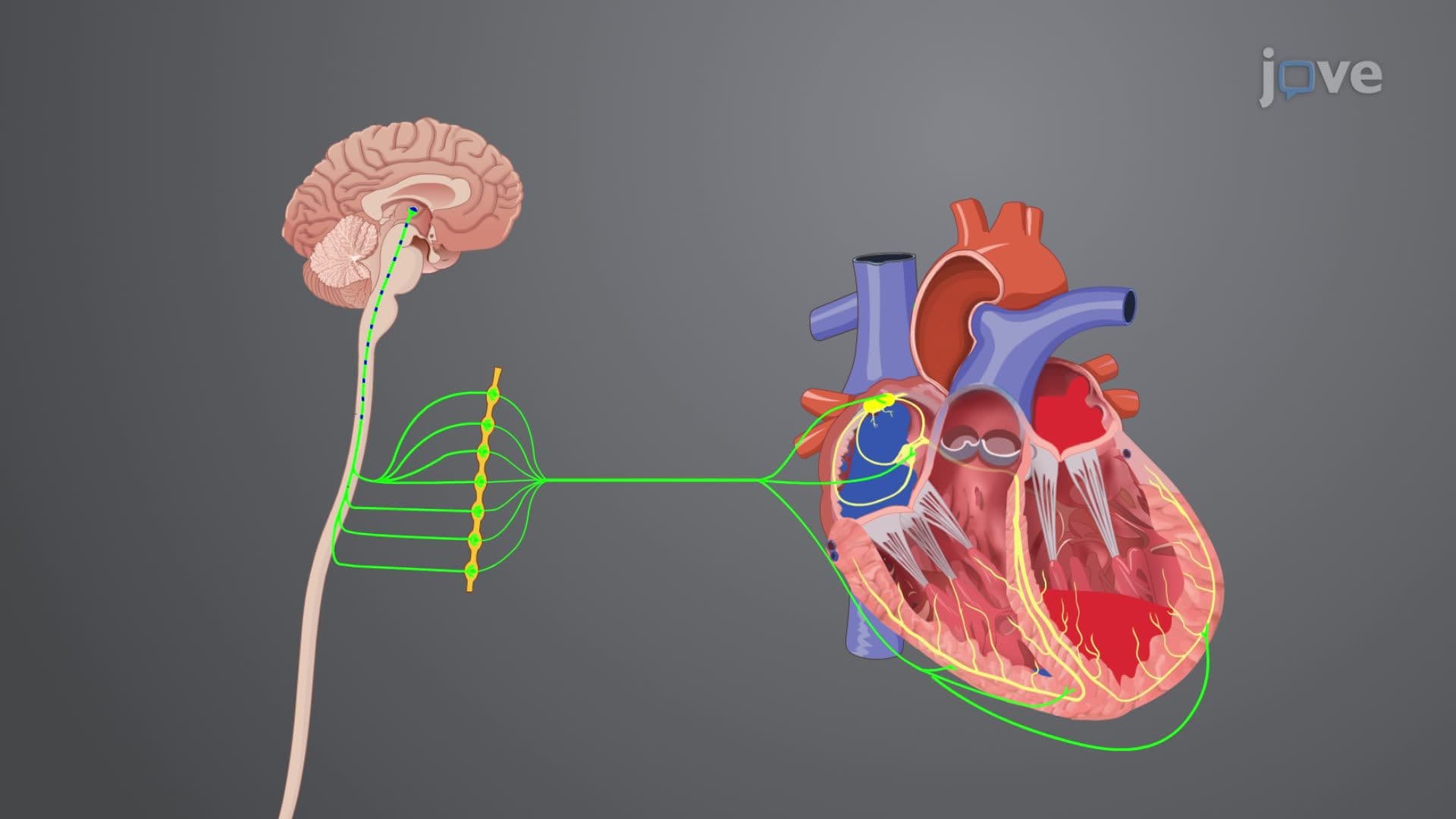
2. Compensatory Mechanisms and Neurohormonal Activation: When cardiac output decreases, baroreceptors trigger sympathetic nervous system activation, releasing epinephrine and norepinephrine to increase heart rate and contractility. Reduced renal perfusion activates the renin-angiotensin-aldosterone system, converting angiotensinogen through angiotensin I to angiotensin II, causing vasoconstriction and aldosterone release. This leads to sodium and fluid retention, creating a cycle of fluid overload and cardiac decompensation. Natriuretic peptides provide counterregulation through vasodilation and diuresis, but become insufficient as the condition progresses, ultimately resulting in ventricular remodeling and cellular death.
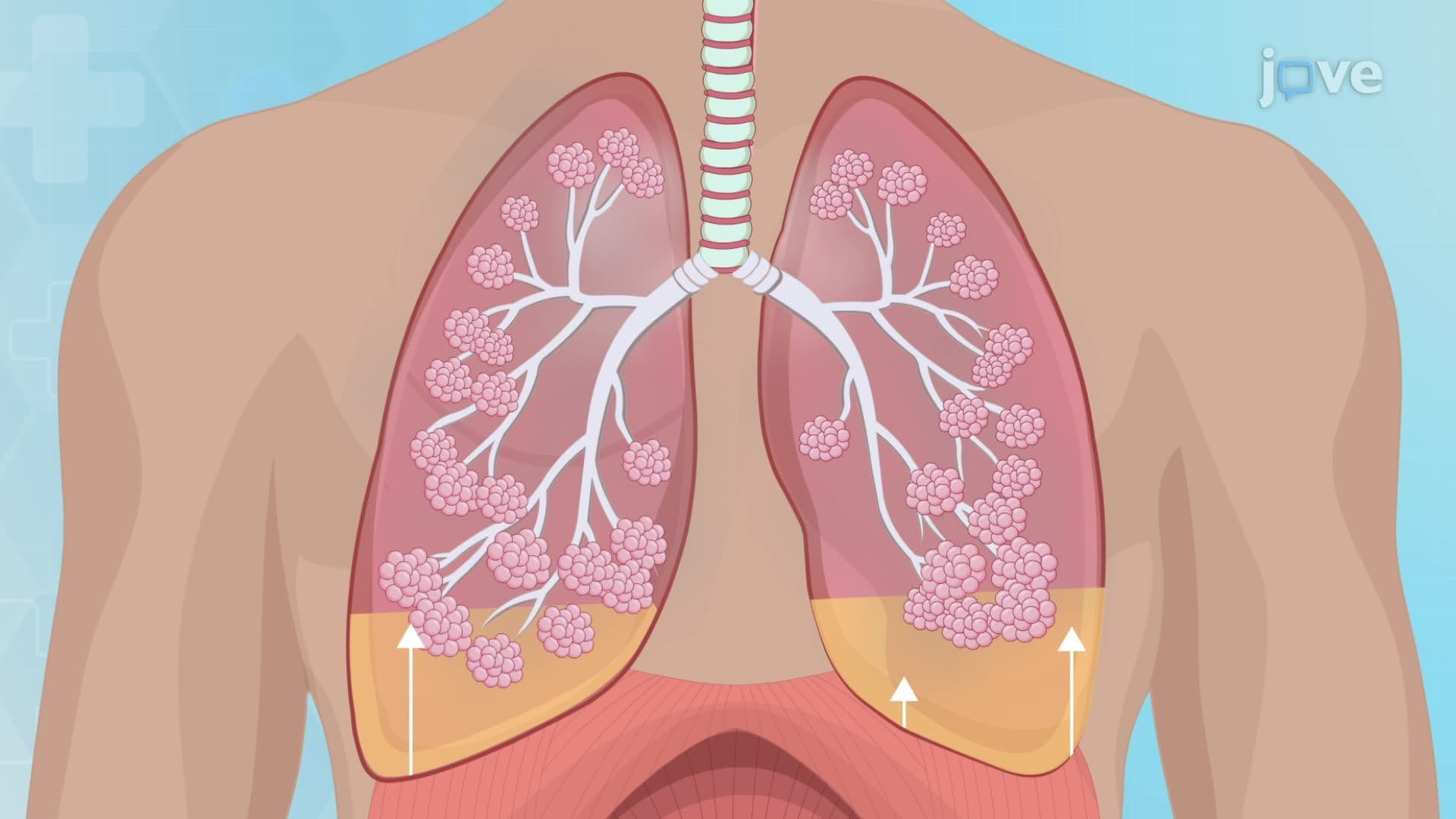
3. Clinical Presentation and Diagnostic Recognition: Acute decompensated heart failure presents suddenly with pulmonary edema symptoms including dyspnea, orthopnea, and paroxysmal nocturnal dyspnea, often accompanied by respiratory rates exceeding 30 breaths per minute and pink frothy sputum. Physical examination reveals jugular venous distension, abnormal heart sounds (S3/S4), and peripheral vasoconstriction signs. Chronic heart failure manifests with progressive fatigue, persistent cough worsening when supine, tachycardia, and edema affecting legs, liver, abdomen, and lungs. US healthcare providers use BNP levels, echocardiograms, and chest X-rays for diagnostic confirmation and severity assessment.
4. Classification Systems and Staging in US Practice: The functional classification divides patients into four classes based on activity limitations: Class I (no symptoms with ordinary activities), Class II (slight limitations), Class III (marked limitations with less-than-ordinary activities), and Class IV (symptoms at rest). The staging system used in US cardiology includes Stage A (high risk without structural disease), Stage B (structural disease without symptoms), Stage C (structural disease with current/past symptoms), and Stage D (advanced refractory heart failure). These classifications guide treatment decisions and help predict outcomes in American healthcare settings, influencing insurance coverage and treatment protocols.
5. Pharmacological Management and Evidence-Based Therapies: Acute management involves immediate interventions with high Fowler's positioning, continuous monitoring, supplemental oxygen, and medications including diuretics ACE inhibitors like furosemide and lisinopril. Vasodilators such as nitroglycerin reduce preload and afterload, while positive inotropes like dobutamine enhance contractility. Chronic management utilizes ACE inhibitors, angiotensin receptor blockers (losartan), beta-blockers, and the combination of isosorbide dinitrate with hydralazine. Digitalis modulates neurohormonal activity, while diuretics promote sodium and water excretion. US treatment protocols follow American College of Cardiology and American Heart Association guidelines for optimal outcomes.
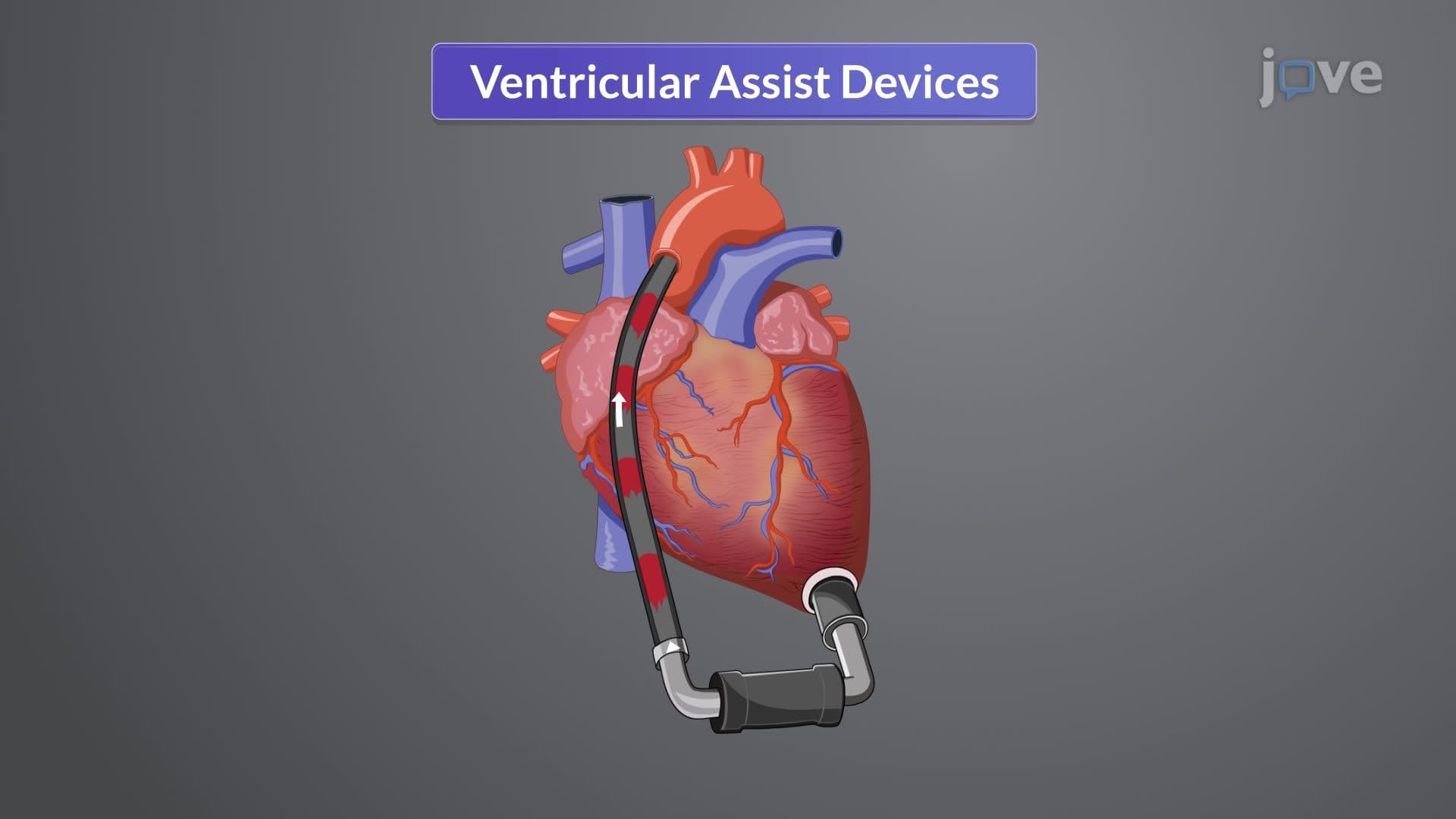
6. Heart Failure Management Nursing and Advanced Interventions: Comprehensive heart failure management nursing involves thorough assessment of medical history, physical examination for jugular vein distention, and evaluation of diagnostic tests including ECG and BNP levels. Nursing care for congestive heart failure includes monitoring vital signs, administering prescribed medications, restricting fluids, elevating the head of bed, and measuring daily weights with intake/output documentation. Advanced therapies include implantable cardioverter-defibrillators for arrhythmia prevention, cardiac resynchronization therapy for patients with prolonged QRS duration, and ventricular assist devices for severe cases. US hospitals utilize ultrafiltration for diuretic-resistant fluid overload and maintain dietary sodium restrictions below 2 grams daily.