Loading subject page…


11 Concepts
5 Concepts
15 Concepts
11 Concepts
7 Concepts
10 Concepts
22 Concepts
11 Concepts
10 Concepts
8 Concepts
14 Concepts
17 Concepts
14 Concepts
19 Concepts
15 Concepts
16 Concepts
15 Concepts
7 Concepts
6 Concepts
7 Concepts
7 Concepts
27 Concepts
8 Concepts
9 Concepts
6 Concepts
10 Concepts
12 Concepts
10 Concepts
 10 Concepts
 3.6K Views
 Popular topics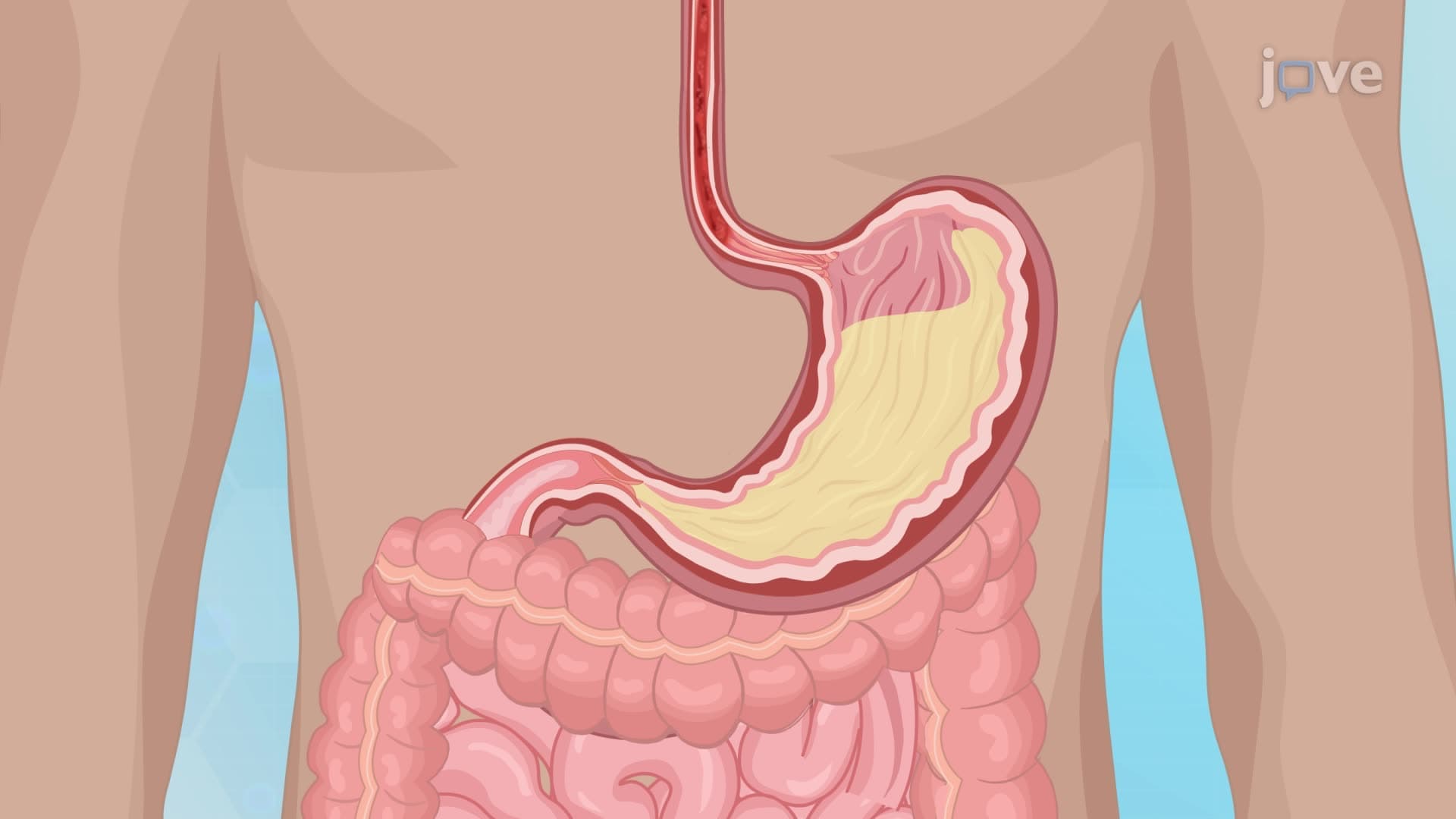





Disorders of the esophagus encompass a range of conditions affecting the muscular tube connecting the throat to the stomach. This comprehensive course covers gastroesophageal reflux disease (GERD), esophageal perforations, Barrett's esophagus, strictures, and varices. Students will explore the pathophysiology, clinical manifestations, and management strategies for these GERD esophageal disorders through detailed analysis of real-world cases and evidence-based treatment approaches, preparing them for success in medical education and clinical practice with JoVE Coach.
1. Gastroesophageal Reflux Disease (GERD) Pathophysiology: GERD results from incompetent lower esophageal sphincter function, allowing acidic stomach contents to reflux into the esophagus. Contributing factors include hiatal hernia, obesity increasing intra-abdominal pressure, smoking, alcohol consumption, and certain medications like NSAIDs. The condition affects approximately 20% of Americans, with symptoms ranging from mild heartburn to severe esophagitis. Understanding the multifactorial nature of GERD helps healthcare providers develop comprehensive treatment plans addressing both lifestyle modifications and pharmacological interventions for optimal patient outcomes.
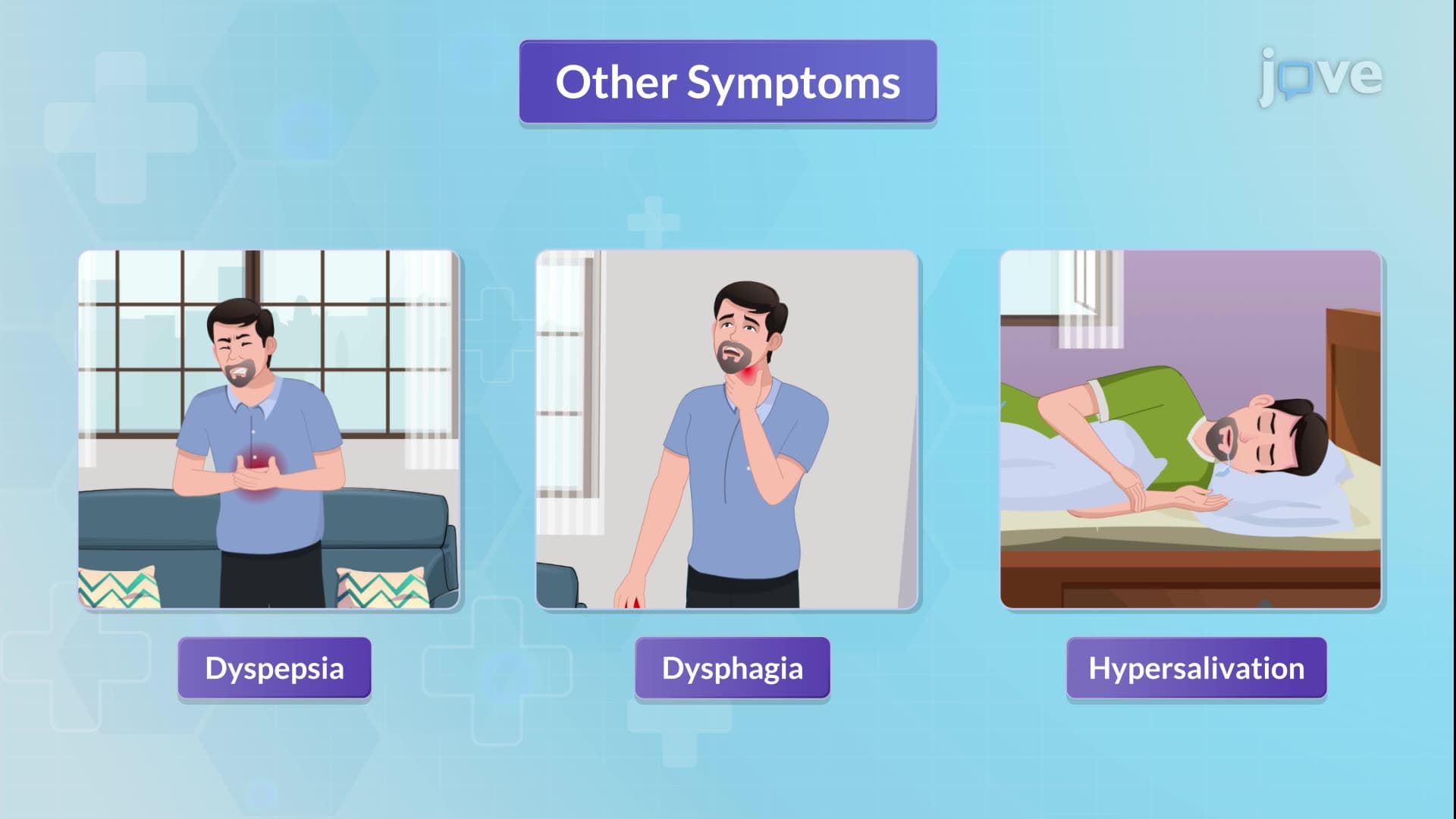
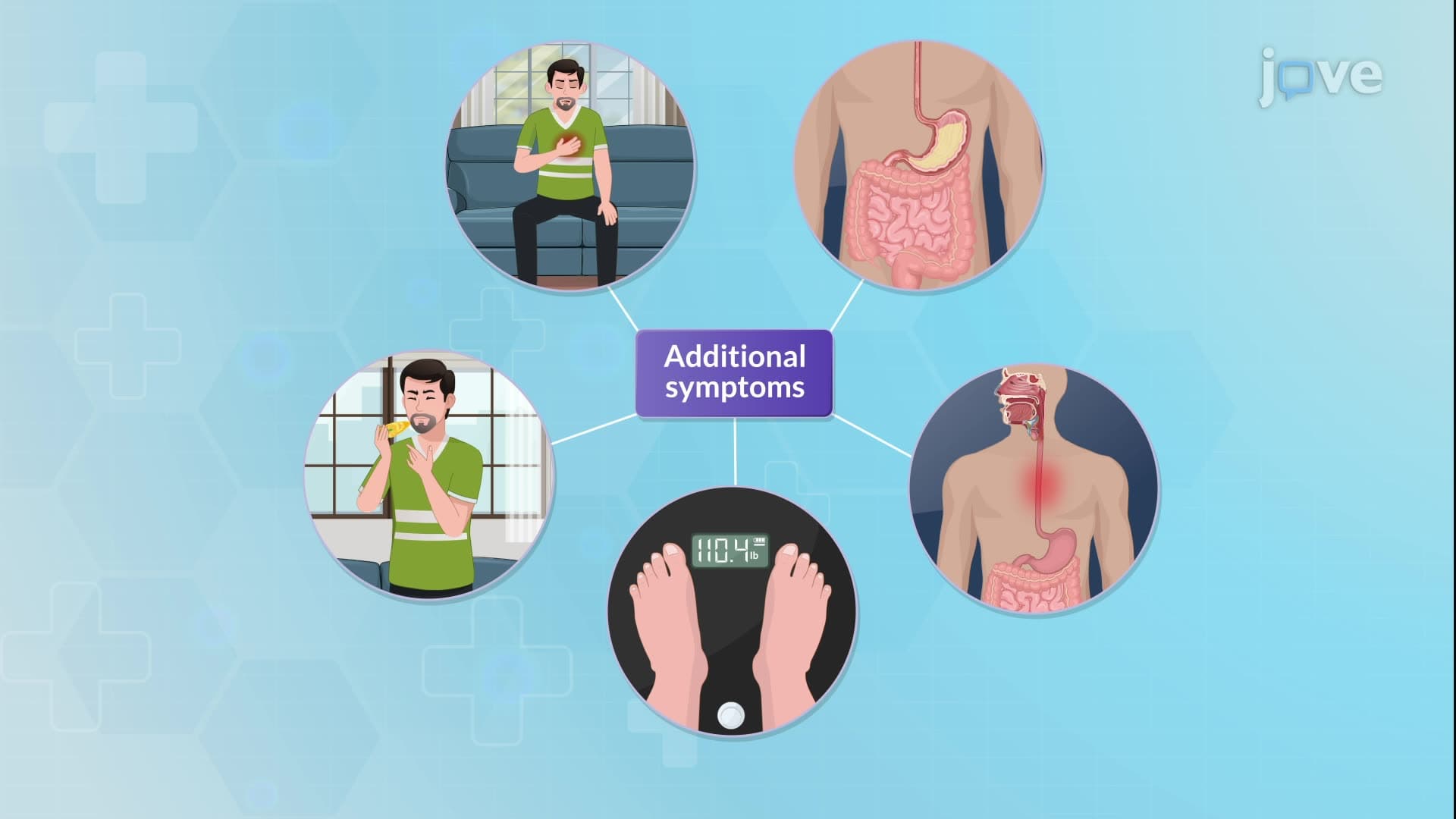
2. Clinical Presentation and Diagnosis of Esophageal Disorders: Types and management of esophageal conditions require systematic diagnostic approaches. Patients present with heartburn, regurgitation, dysphagia, and chest pain that may mimic cardiac conditions. Diagnostic tools include ambulatory pH monitoring, esophagogastroduodenoscopy (EGD), and barium swallow studies. Healthcare providers must differentiate between various esophageal pathologies through careful history-taking and appropriate testing. Early recognition prevents complications like strictures, Barrett's esophagus, and adenocarcinoma, emphasizing the importance of thorough clinical evaluation in primary care settings.
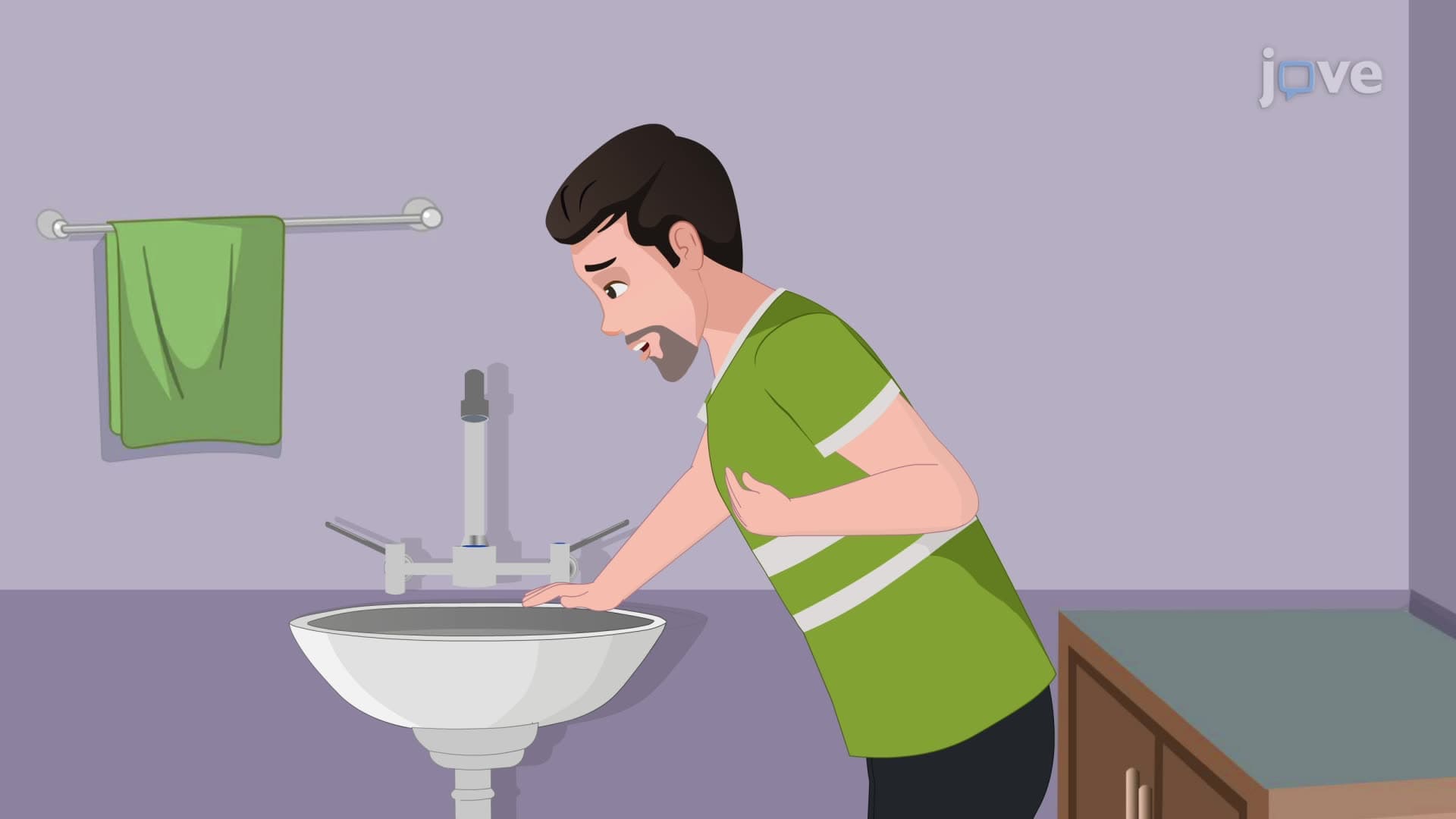
3. Esophageal Perforation Recognition and Management: Esophageal perforation represents a medical emergency with high morbidity and mortality rates. Traumatic causes include iatrogenic injury during endoscopic procedures, foreign body ingestion, and blunt chest trauma from motor vehicle accidents. Non-traumatic causes involve spontaneous rupture from forceful vomiting (Boerhaave syndrome). Clinical presentation varies by location: cervical perforations cause neck pain and dysphonia, thoracic perforations present with retrosternal chest pain, and abdominal perforations cause epigastric pain. Immediate recognition and intervention, including surgical consultation and broad-spectrum antibiotics, are crucial for patient survival.
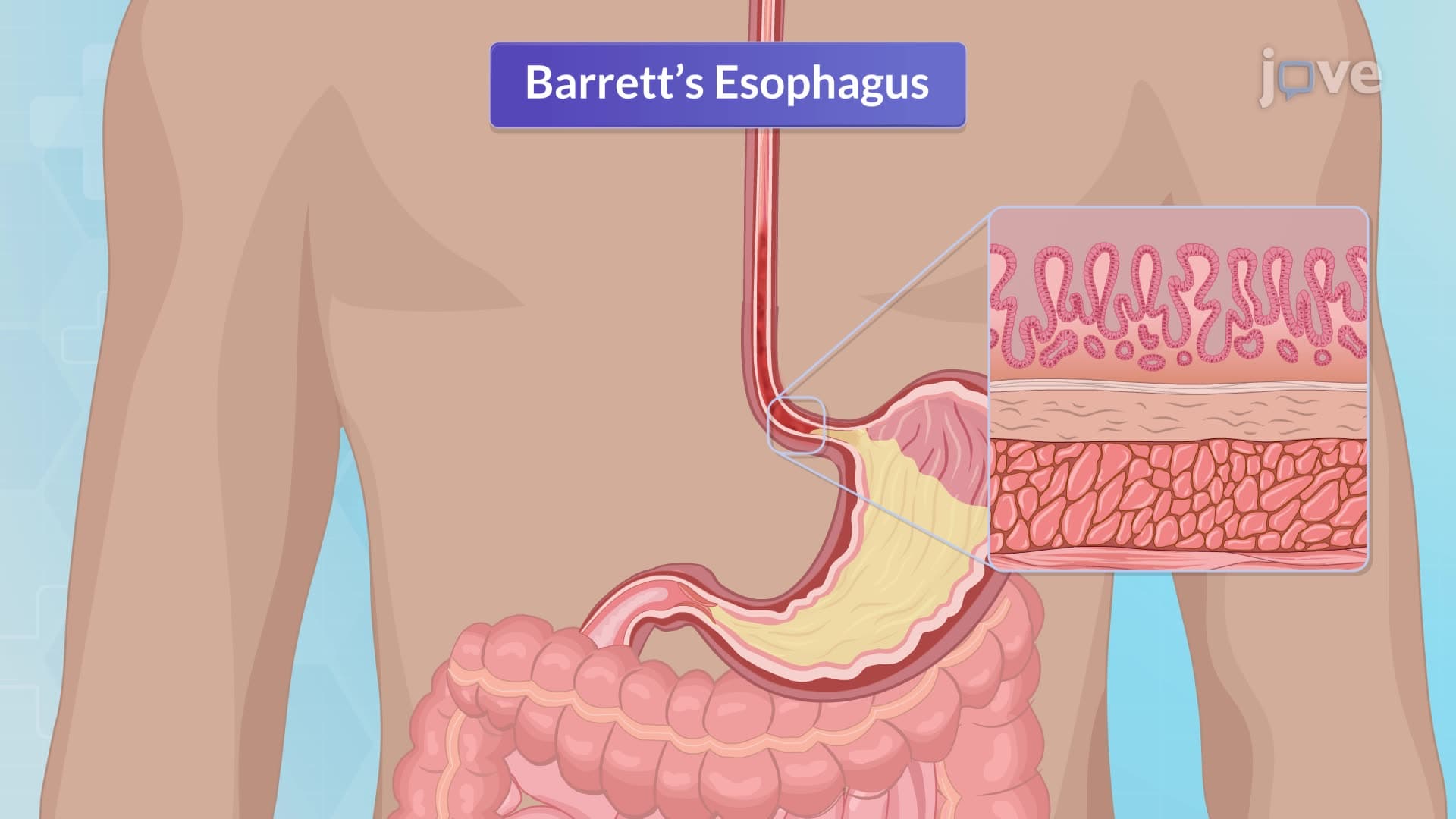
4. Barrett's Esophagus and Cancer Risk: Barrett's esophagus involves intestinal metaplasia of the esophageal mucosa due to chronic acid exposure, affecting approximately 1.6% of adults in the United States. The condition progresses through stages: non-dysplastic changes, low-grade dysplasia, high-grade dysplasia, and potentially adenocarcinoma. Risk factors include male gender, Caucasian ethnicity, age over 50, and chronic GERD symptoms. Surveillance endoscopy with biopsy guides management decisions. Treatment ranges from acid suppression therapy for non-dysplastic Barrett's to endoscopic resection or esophagectomy for high-grade dysplasia, highlighting the importance of cancer prevention strategies.
5. Esophageal Strictures and Swallowing Disorders: Esophageal strictures cause progressive dysphagia, initially with solids progressing to liquids. Common causes include chronic acid reflux, caustic ingestion, radiation therapy, and eosinophilic esophagitis. Diagnosis involves endoscopy with possible biopsy to exclude malignancy and barium swallow studies for anatomical assessment. Treatment primarily involves esophageal dilation using balloon or bougie dilators, with success rates exceeding 90% for benign strictures. Malignant strictures may require stent placement or surgical intervention. Lifestyle modifications and acid suppression therapy help prevent recurrence and improve quality of life for affected patients.
6. Esophageal Varices and Portal Hypertension: Esophageal varices develop secondary to portal hypertension, commonly from cirrhosis affecting over 600,000 Americans. Increased portal pressure forces blood through collateral circulation, creating fragile enlarged veins in the esophagus prone to rupture. Variceal bleeding carries 20-30% mortality rates, making prevention crucial through beta-blockers and endoscopic surveillance. Management includes vasoconstrictor medications, endoscopic band ligation, and sclerotherapy for acute bleeding. Transjugular intrahepatic portosystemic shunts (TIPS) provide definitive treatment for refractory cases. Nursing care focuses on hemodynamic monitoring, blood product administration, and preventing rebleeding episodes through comprehensive patient education.