Loading video…

 10 Concepts
 3K views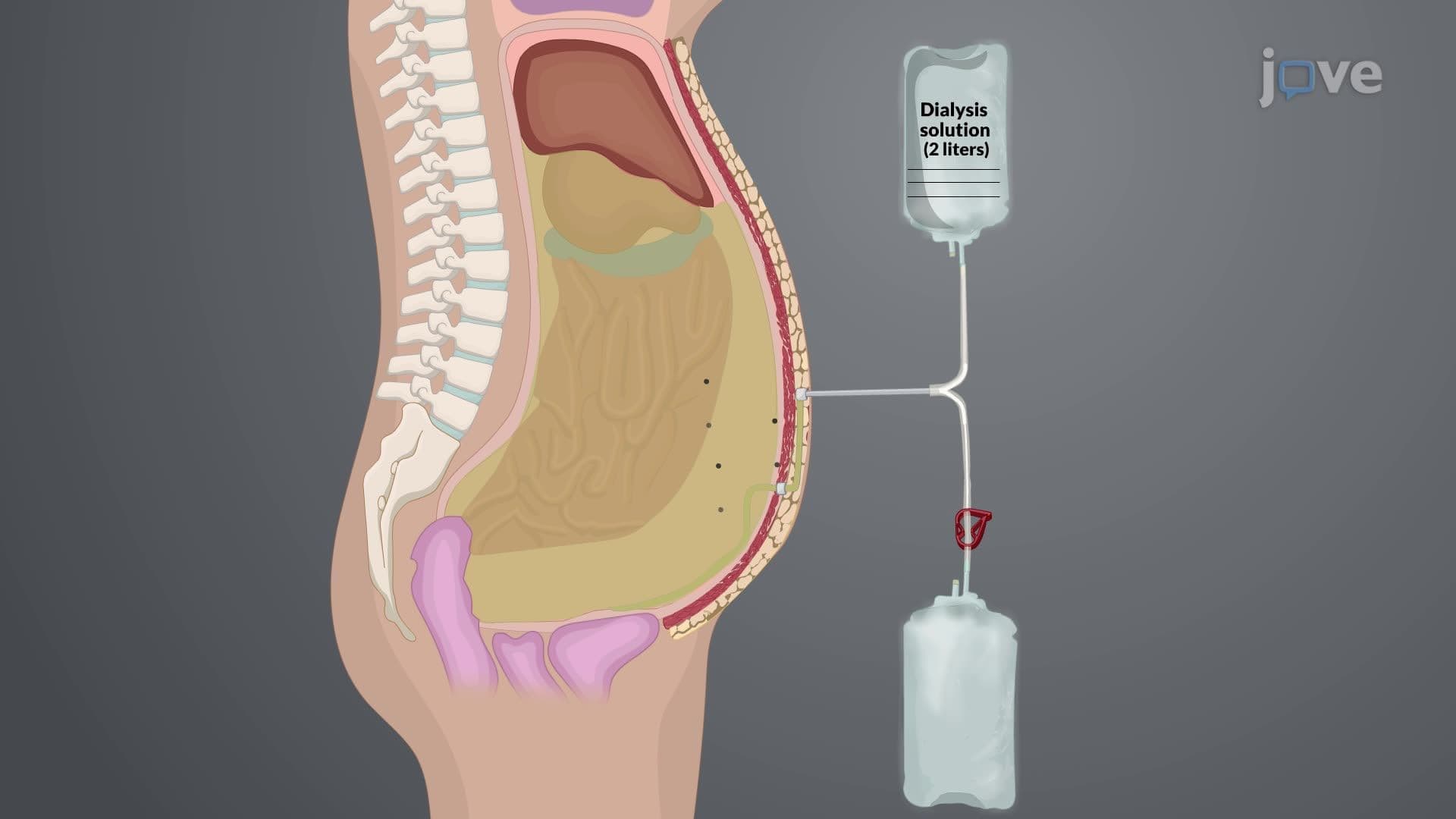

Video Summary: Peritoneal Dialysis I Introduction and Procedure Guide
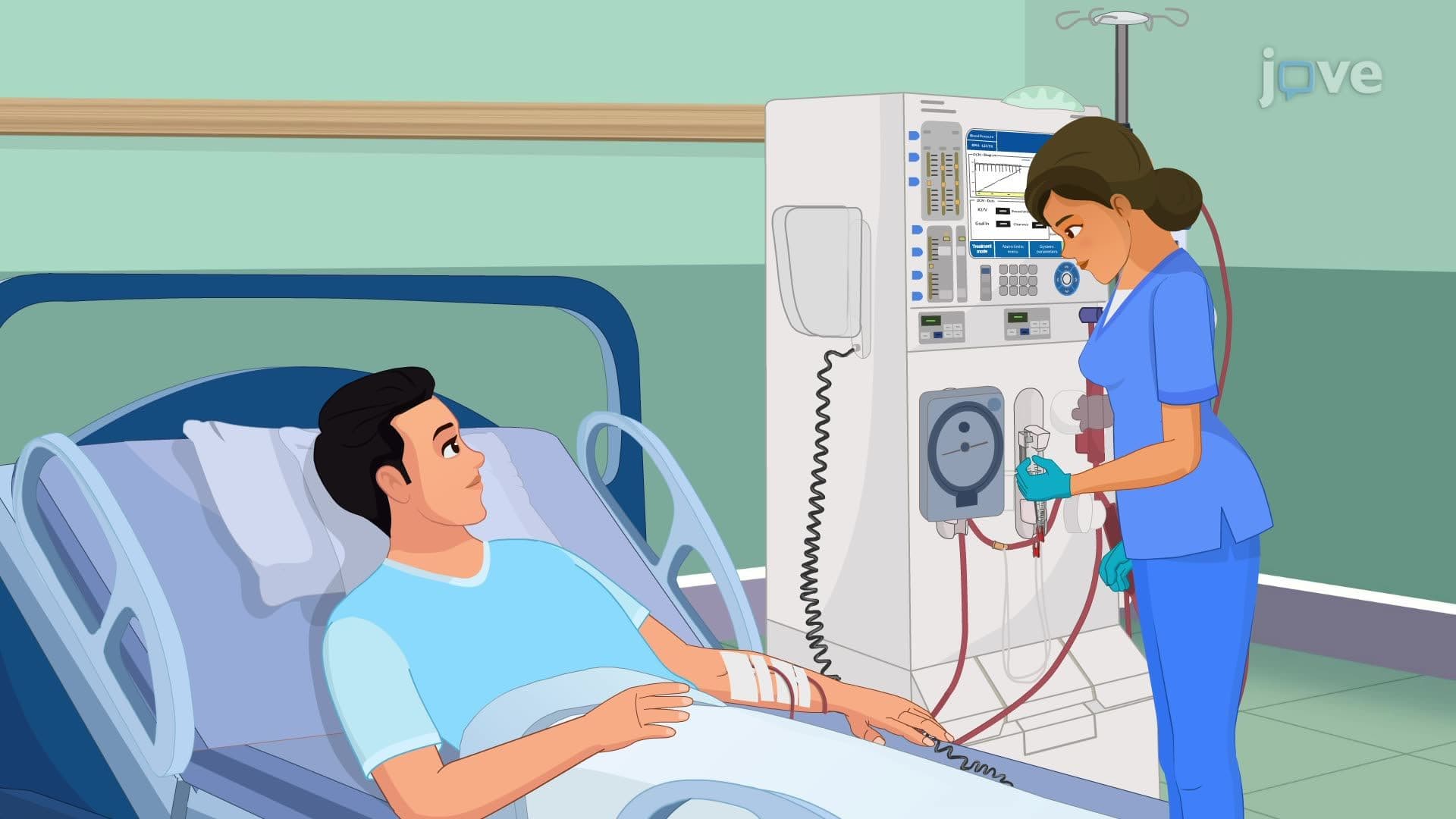
Did you know that over 200,000 Americans rely on dialysis to survive kidney failure, with many choosing a treatment they can perform at home? Peritoneal dialysis i introduction and procedure transforms the body's natural abdominal lining into a powerful blood filter. At centers like Johns Hopkins Hospital, patients learn this life-saving technique that uses a surgically placed catheter and specialized solutions to remove toxins during convenient 4-6 hour cycles. Watch the full video on JoVE Coach to master this concept with expert-led visuals and step-by-step explanations.
Peritoneal dialysis represents one of medicine's most elegant solutions to kidney failure, utilizing the body's own peritoneal membrane as a biological filter. This treatment modality serves approximately 50,000 Americans annually, offering patients independence from in-center hemodialysis schedules. The peritoneum, a thin membrane lining the abdominal cavity, contains an extensive network of blood vessels that facilitate the exchange of waste products, electrolytes, and excess fluid.
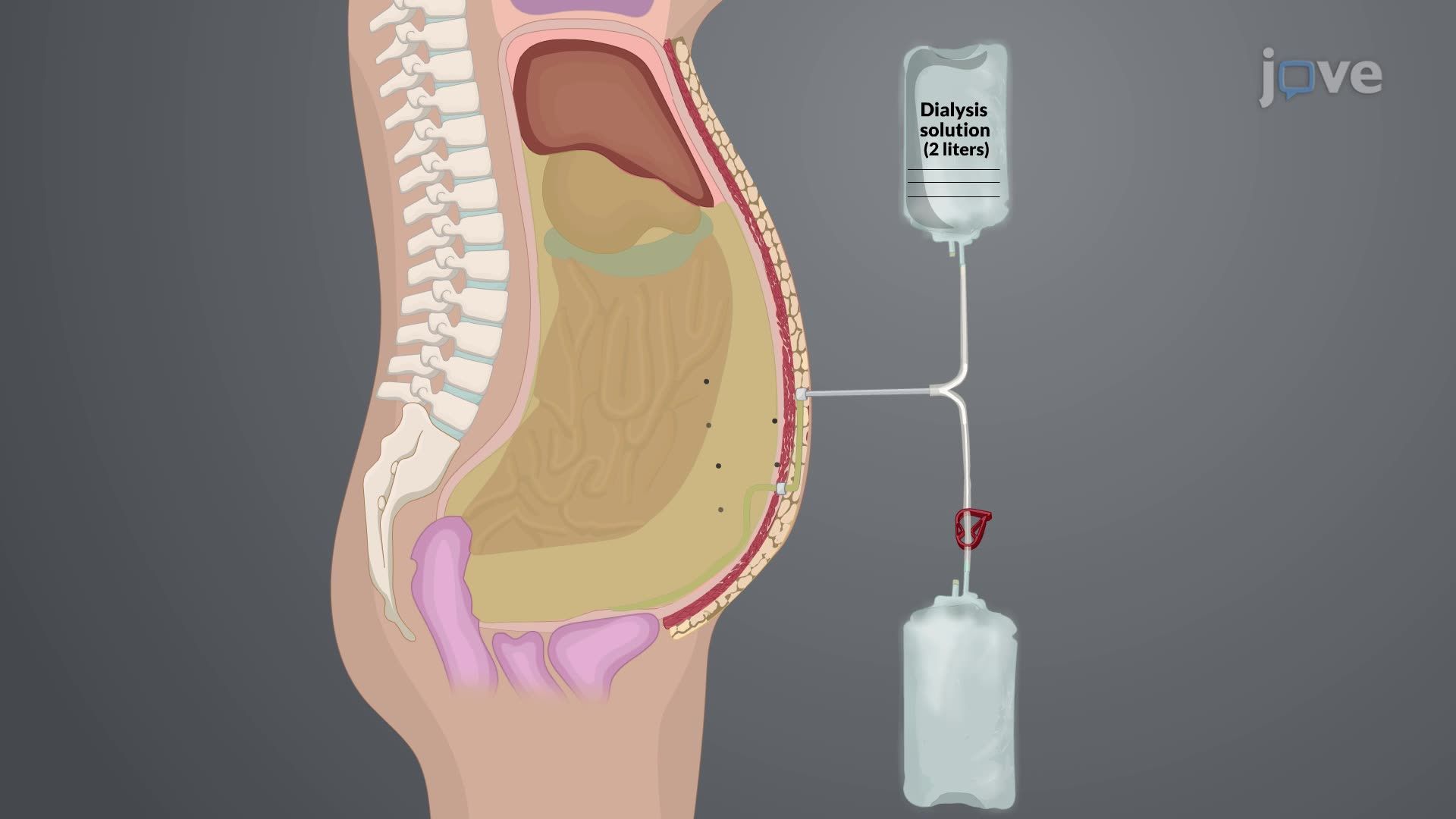
The peritoneal dialysis catheter system represents a marvel of biomedical engineering. The 24-inch (60 cm) flexible catheter features strategically placed Dacron cuffs that serve dual purposes: mechanical anchoring and infection prevention. These cuffs become integrated with surrounding tissue through fibroblast proliferation, creating a permanent seal that prevents bacterial migration along the catheter tract. Major medical centers like Mayo Clinic and Cleveland Clinic have perfected catheter insertion techniques, achieving infection rates below 0.5 episodes per patient-year.
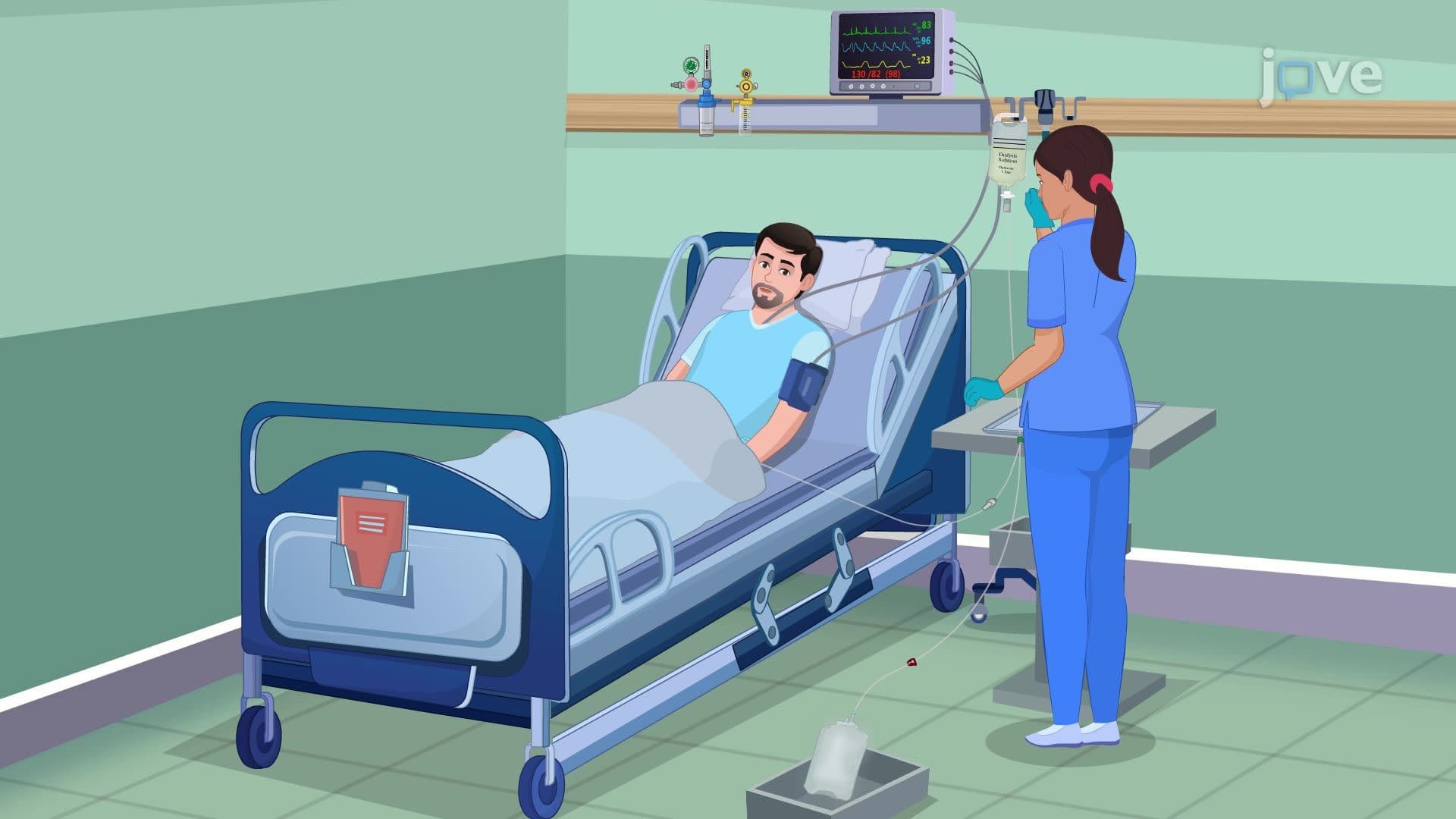
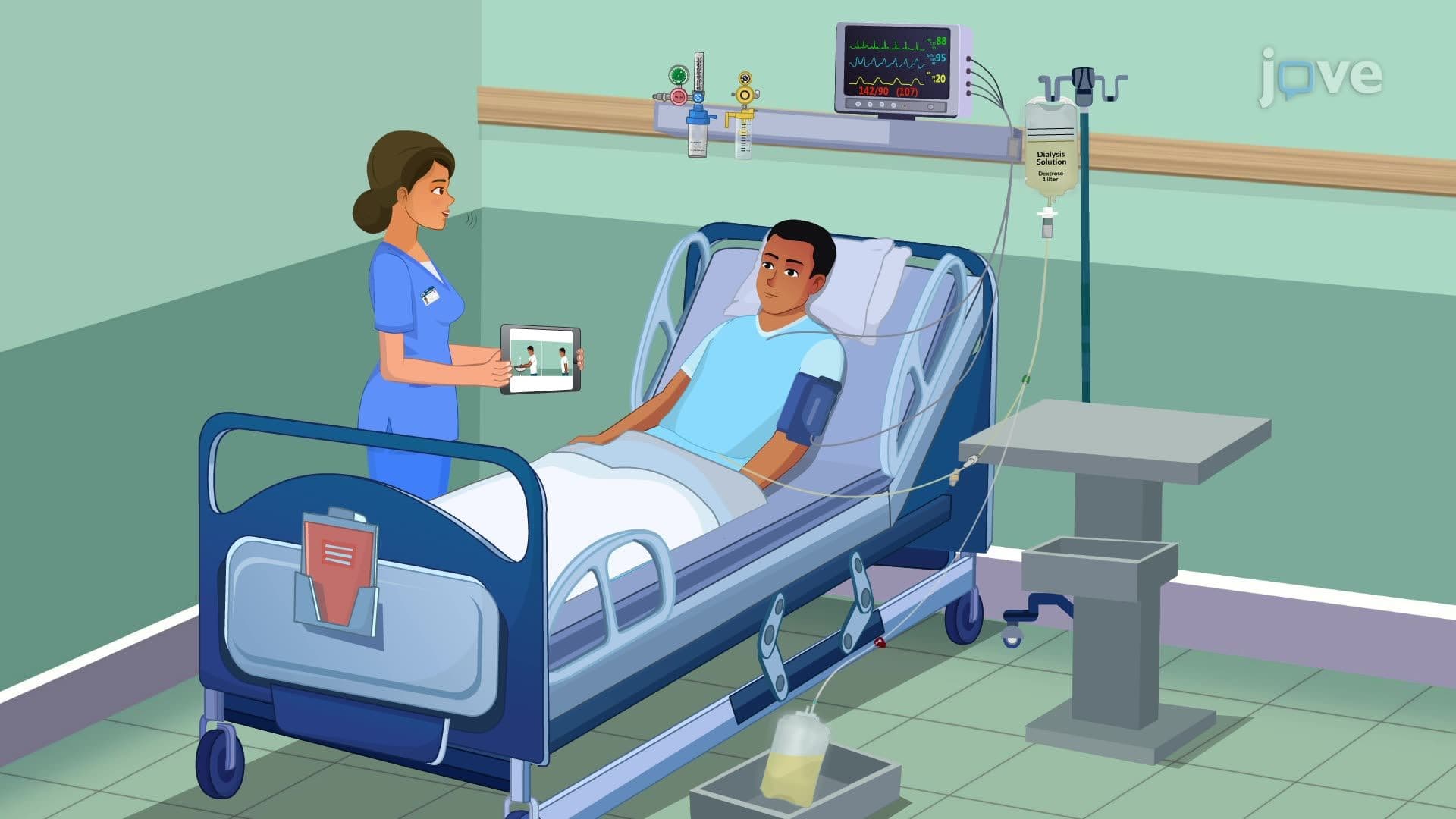
The peritoneal dialysis process operates through three distinct phases, each serving specific physiological functions. During the inflow phase, approximately 2 liters of sterile dialysis solution enters the peritoneal cavity through gravity or automated systems. The dwell phase, lasting 4-6 hours, allows osmotic and concentration gradients to drive waste removal through diffusion and convection. Finally, the drain phase removes the solution containing accumulated toxins and excess fluid. This cyclical process mimics natural kidney function while accommodating patients' daily activities.
Dialysis solution composition directly impacts treatment effectiveness and patient comfort. Dextrose remains the primary osmotic agent, available in concentrations of 1.5%, 2.5%, and 4.25% to match varying ultrafiltration needs. Icodextrin, a glucose polymer, provides sustained ultrafiltration for longer dwells, while amino acid solutions offer nutritional benefits for malnourished patients. These options allow nephrologists to tailor treatments based on individual metabolic profiles, residual kidney function, and lifestyle requirements.
Students preparing for the MCAT or nursing entrance exams like NCLEX should focus on understanding osmotic principles, membrane transport mechanisms, and infection prevention strategies that make peritoneal dialysis both effective and safe for long-term use.
Related Micro-courses